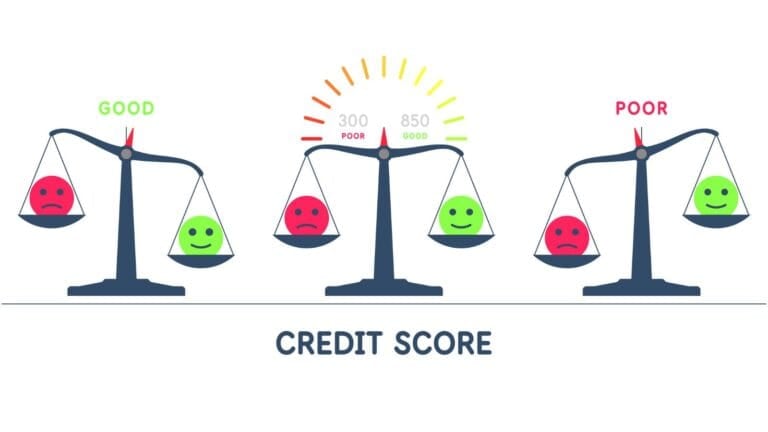
Apologies to Baby Boomers: 11 “old school” money rules that actually work in 2026
As household debt climbs to record levels, the simplest money habits from past decades are quietly proving more resilient than today’s financial apps.
Financial advice channels are full of trendy apps and complicated crypto strategies that promise quick wealth. Yet everyday Americans frequently find themselves stressed about money while trying to keep up with these fast-moving trends. It turns out that the most effective ways to manage a bank account do not require a smartphone.
Older generations had a clear understanding of financial stability that remains completely relevant for consumers today. These simple methods worked decades ago, and they still serve as the ultimate defense against economic uncertainty. Taking a look at these classic strategies reveals why older financial habits deserve a major comeback.
Buy Cars With Cash Instead Of Financing

Dropping thousands of dollars on a brand-new vehicle using a massive dealership loan has become standard practice. Boomers preferred saving up until they could buy a reliable used vehicle outright without owing interest. Purchasing an automobile with cash prevents you from getting trapped in endless cycles of monthly payments.
Vehicle loans drain your monthly cash flow and lose value the moment you drive off the lot. Avoiding these loans keeps your money in your bank account, where it can actually grow over time. A recent financial survey 415 found that 76 percent of Americans identified the cost of living as their biggest economic concern.
Pay Off The Entire Credit Card Balance Monthly

Credit cards offer great convenience, but carrying a balance from month to month is an expensive mistake. Keeping a revolving balance introduces massive interest charges that quickly inflate the cost of your original purchases. Paying your entire statement balance every single month keeps your hard-earned money in your pocket.
The Federal Reserve Bank of New York reported that total American credit card debt hit 1.252 trillion dollars in the first quarter of 2026. This staggering figure shows how easily plastic cards can overwhelm a household budget if left unchecked. Clearing that balance down to zero every thirty days eliminates unnecessary high-interest charges completely.
Build A Dedicated Emergency Fund First
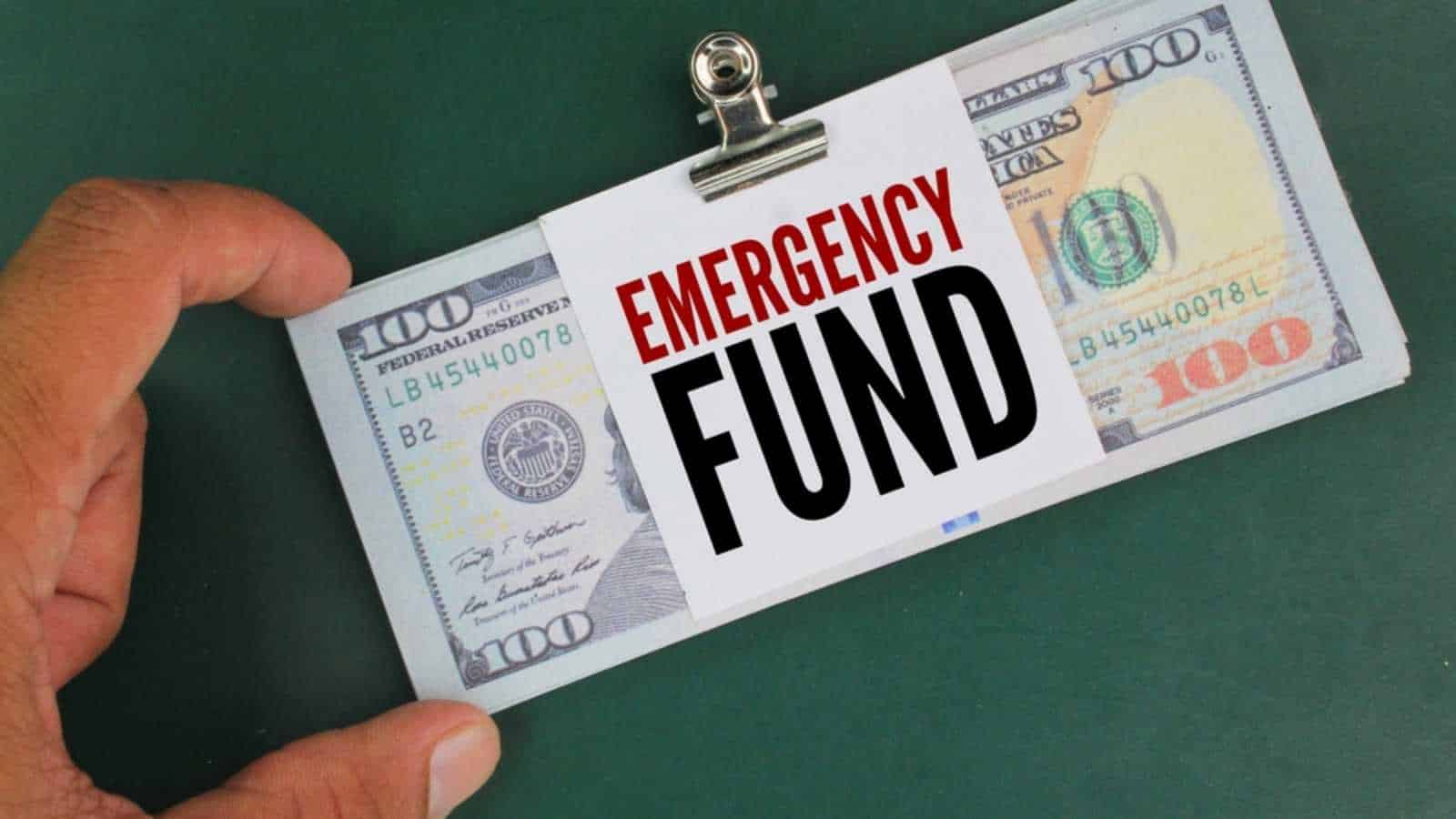
Modern financial advisors often push people to invest every spare dollar into volatile stock markets immediately. Classic advice says you must establish a solid cash cushion before taking any risks with investments. Having cash tucked away in a traditional bank account provides instant safety when life goes wrong.
A study by the Federal Reserve showed that 63 percent of adults would cover a 400 dollar emergency expense using cash or its equivalent. Having this liquid safety net prevents you from relying on expensive loans during sudden medical or home emergencies. A dedicated emergency reserve remains the foundation of long-term personal financial security.
Use Cold Hard Cash For Daily Purchases

Swiping credit cards or tapping a phone makes spending money feel completely disconnected from reality. Physically handing over paper bills creates a psychological friction that naturally makes a person spend less. Carrying physical currency forces you to see exactly how much money is leaving your hands.
Federal Reserve financial services data show that cash accounted for 14 percent of consumer payments by number. People still rely on paper currency because it keeps daily spending strictly within personal limits. Using dollar bills for your groceries and gas guarantees that you never exceed your weekly budget.
Cook Dinner At Home Instead Of Ordering Out

Food delivery apps have turned dining into an incredibly expensive habit filled with extra service fees. Preparing meals in your own kitchen is one of the fastest ways to cut household expenses. Embracing home cooking saves hundreds of dollars every month compared to ordering restaurant delivery.
Older generations viewed dining out as a special treat reserved for holidays rather than a daily convenience. Making simple meals from scratch gives you full control over both your health and your wallet. Shifting away from commercial food apps helps households regain control over their food spending.
Save A Fixed Percentage Of Every Paycheck

Many consumers wait until the end of the month to save whatever money happens to remain. This approach usually leaves people with nothing to put away after paying for modern lifestyle luxuries. Automating your savings so a portion of your check disappears immediately changes your entire financial future.
A comprehensive poll by YouGov revealed that 82 percent of Americans find the idea of being in debt stressful. Setting aside a consistent portion of your wages builds a protective shield against falling into debt-trap cycles. Prioritizing your savings before spending on entertainment creates a reliable path to true wealth.
Fix Broken Items Before Buying Replacements
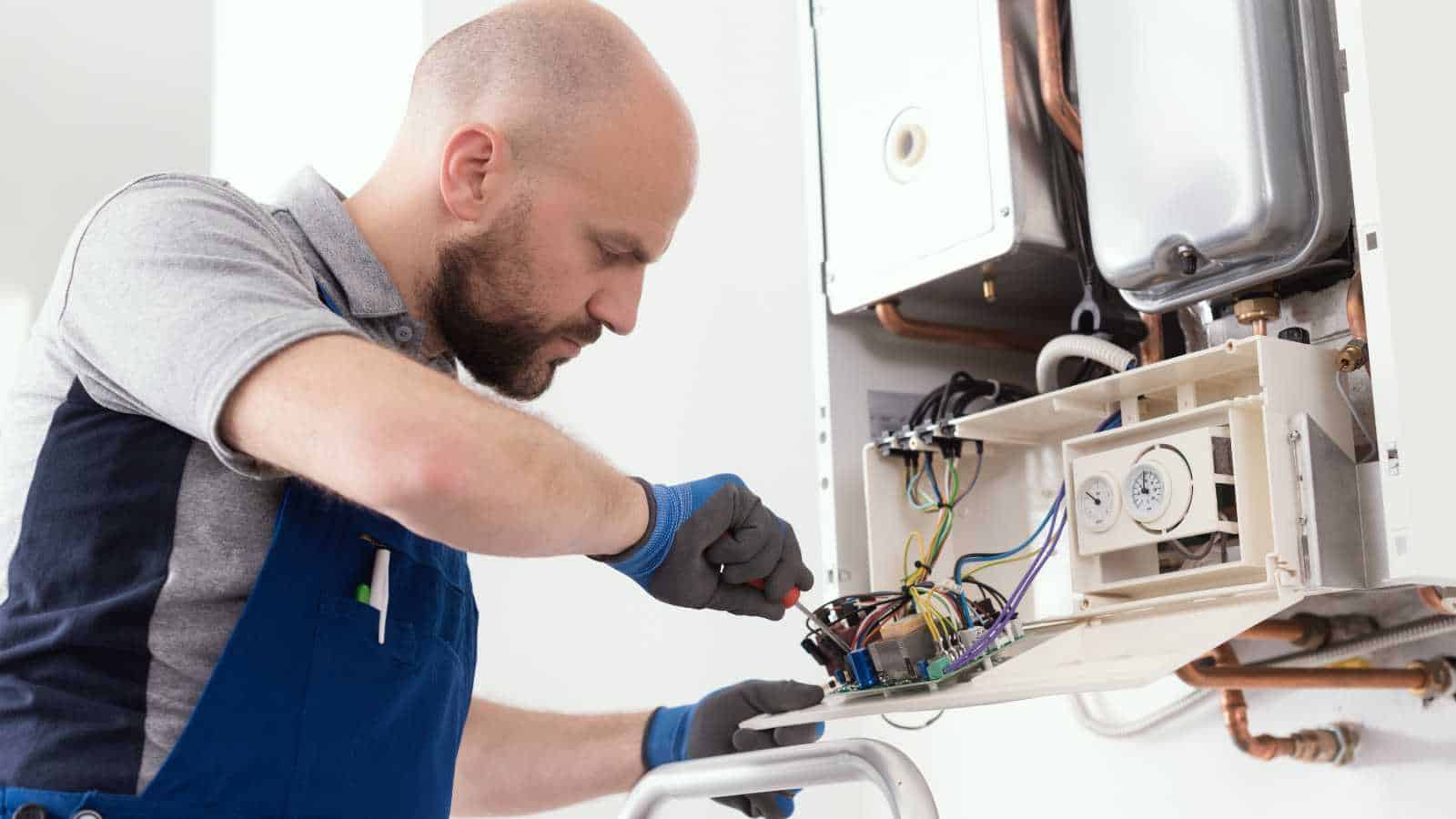
Society has become accustomed to throwing away appliances and clothing the moment a minor flaw appears. The old school approach involves repairing what you own instead of instantly browsing online stores for replacements. Mending your possessions extends their lifespan and keeps your hard-earned cash inside your wallet.
Learning basic maintenance for your home and vehicle eliminates the need for expensive professional repair services. Simple fixes can keep tools and appliances running smoothly for years beyond their expected shelf life. Choosing repair over replacement fights against the modern consumer culture of disposable consumer goods.
Avoid Buying Things On Monthly Installments

Financing plans allow shoppers to split tiny retail purchases into multiple bite-sized payments. While these options look attractive, they quickly add up and quietly drain your monthly income. Avoiding short-term financing offers keeps your monthly fixed obligations as low as possible.
Consumer advocates warn that microloans create a false sense of affordability for unnecessary retail products. Paying full price upfront forces you to consider whether you can truly afford the item today. Steering clear of payment installment plans protects your paycheck from being eaten away by microdebts.
Keep An Accurate Written Budget On Paper

Digital banking applications track spending automatically, but they rarely change actual consumer behavior. Writing down your income and expenses on a physical piece of paper forces deep financial awareness. Balancing a physical ledger manually gives you an honest look at your exact spending patterns.
Tracking every single dollar by hand prevents careless subscription services from draining your bank account unnoticed. This classic method creates an intentional relationship with money that automated digital software simply cannot replicate. Maintaining a paper budget remains an incredibly effective tool for controlling household cash flow.
Buy High Quality Goods That Last Longer

Cheap consumer products seem like a great bargain until they break down after a few months. Purchasing durable items often costs more upfront but saves considerable amounts of money over several years. Investing in well-manufactured goods eliminates the ongoing expense of constantly buying cheap replacements.
Fed Communities reported that 49 percent of adults under age 30 lived with a parent in 2025. Rising shelter costs mean young adults must maximize the value of every single dollar they spend. Choosing longevity over low prices is a classic strategy that protects long-term household wealth.
Live Well Below Your Actual Financial Means

Social media platforms encourage users to display an expensive lifestyle that relies heavily on debt. True financial freedom comes from choosing a modest lifestyle that costs far less than your salary. Resisting the urge to match your neighbors’ spending habits removes an immense amount of pressure.
Spending less than you earn means that you always have extra funds for future opportunities. Keeping your housing and transportation costs low creates the flexibility needed to handle any sudden economic shifts. Adopting a modest standard of living provides peace of mind that luxury items can never match.
Like our content? Be sure to follow us