13 family traditions we thought were outdated until we realized how lonely we are without them
As loneliness rises alongside digital convenience, everyday household rituals are emerging as an unexpected form of social repair.
Modern society runs at a breakneck speed that leaves little room for old customs. People swipe through endless feeds and order groceries with a quick tap on a glass screen. Families abandoned some habits because they felt too slow for a fast culture. Yet the creeping sense of isolation sweeping across the country tells a completely different story.
Throwing away old habits seemed like progress until the silence grew too loud. Reclaiming simple routines might be the exact medicine required to heal a fractured society. Looking back at these abandoned practices reveals exactly what is missing from daily life.
Sunday Evening Family Dinners

Gathering around a table without screens used to be the anchor of the weekend. The American Heart Association says 91% of parents report significantly lower levels of stress in their family when they share family meals. Sharing a roast or a simple casserole forces everyone to pause and connect.
Conversations flow better when nobody is rushing off to the next soccer game or boardroom meeting. Breaking bread together builds a physical connection that a group text simply cannot replicate. The ritual of passing dishes and sharing stories builds a resilient foundation for the week ahead.
Unplugged Weekend Afternoons

Turning off the television and ignoring the phone feels radical in a hyperconnected era. Smithsonian Magazine says a 2023 report by the US Surgeon General declared loneliness a public health epidemic and noted it increases the risk of premature death by 26 percent. Sitting in the living room with a puzzle or a deck of cards fights back against that isolation.
Silence combined with the presence of loved ones offers a profound sense of peace. You start to notice the small details about your family that usually get drowned out by digital noise. Designating a few hours of tech-free time makes room for genuine human interaction.
Sending Handwritten Letters And Cards

Getting something in the mail that is not a bill or a catalogue brings unexpected joy. Taking the time to pick out stationery and write down thoughts requires real intentionality. Receiving a physical card proves that someone carved out a specific piece of their day just for you.
Text messages disappear into the digital void quickly after they are read. A handwritten letter sits on the mantle and serves as a constant reminder of affection. People can hold onto a physical note for decades and read it whenever they feel isolated.
Annual Family Reunions In The Summer

Packing the car for a massive gathering of extended relatives used to be a staple of summer vacation. According to a recent Gallup poll, 20 percent of US adults report feeling lonely a lot of the time. Bringing aunts, uncles, and cousins together in one park helps combat that exact feeling of disconnection.
Matching t-shirts and potato sack races might seem cheesy to the modern eye. Those shared activities create shared memories that outlast any fleeting social media post. Reunions remind individuals that they belong to a much larger story than their own solo journey.
Baking Holiday Recipes Together
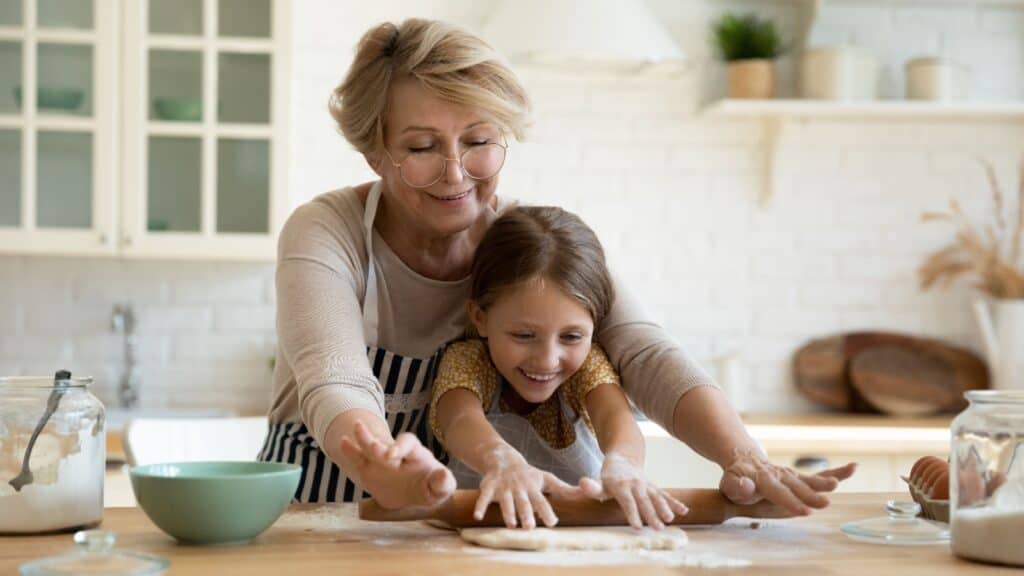
Following a grandmother’s cookie recipe transforms a messy kitchen into a classroom of heritage. Measuring flour and spilling sugar creates laughter that echoes far beyond the holiday season. The sensory experience of smelling familiar spices instantly transports people back to their childhoods.
It takes patience to teach a child how to roll dough perfectly. Those quiet moments of instruction over a mixing bowl build bonds of deep trust. Keeping old recipes alive guarantees that the voices of past generations still echo in modern homes.
Neighborhood Block Parties

Dragging a grill into the cul-de-sac used to be the standard way to meet the people living next door. The Pew Research Center 403 reported in 2023 that 73 percent of US adults say family time is one of the most meaningful aspects of their lives. Sharing hot dogs and potato salad breaks down the invisible walls between driveways.
Modern garage doors go up and down without neighbors ever exchanging a single word. Reinstating the summer block party gives everyone a safe excuse to introduce themselves. A strong local community serves as the first line of defense against the modern loneliness epidemic.
Evening Porch Sitting

Sitting on the front porch with a glass of lemonade used to be the evening entertainment. It invites spontaneous conversations with neighbors walking their dogs down the sidewalk. Watching the sunset from a rocking chair creates a peaceful buffer between a hectic workday and bedtime.
Backyards offer privacy, but they isolate families from the pulse of the neighborhood. The front porch acts as an open invitation to the rest of the street. Taking the time to wave at passersby fosters a sense of belonging that cannot be bought.
Weekly Movie Nights At Home

Popping popcorn on the stove and arguing over which film to watch used to be a sacred Friday ritual. According to the 2025 BLS American Time Use Survey, Americans spend an average of only 34 minutes a day socializing and communicating. Dedicating a full two hours to a shared cinematic experience radically increases that daily average.
Streaming services provide infinite choices, but they often lead to everyone watching different shows in different rooms. Gathering on a single couch forces a family to compromise and share an experience. Laughing at the same jokes on the screen creates an invisible thread of connection between everyone in the room.
Keeping A Physical Photo Album

Printing photographs and sliding them into sticky plastic sleeves preserves history in a tangible format. Digital galleries trap thousands of memories behind a password and a glowing screen. Flipping through heavy pages of printed pictures turns reminiscing into a collaborative physical activity.
Children love pointing at younger versions of their parents and laughing at old-fashioned choices. The physical album sits on a coffee table as an open invitation to tell stories. Holding a photograph in your hands makes the memory feel infinitely more permanent and real.
Sunday Morning Church Or Community Gatherings

Putting on nice clothes and gathering with neighbors on a Sunday morning builds a reliable weekly rhythm. A 2025 American Psychiatric Association poll found that 33 percent of Americans say they feel lonely at least once a week. Attending a regular community service offers a consistent antidote to that weekly isolation.
These gatherings provide a dedicated space for shared values and collective reflection. Singing together or listening to a message shifts the focus away from individual struggles. Showing up at the same place every week builds a reliable safety net of friendly faces.
Celebrating Half Birthdays And Minor Milestones

Making a fuss over a lost tooth or a good report card adds magic to an ordinary Tuesday. Waiting for major holidays leaves too much space between celebrations. Baking a small cake for a half birthday reminds children that they are cherished all year long.
These tiny traditions create a culture of appreciation within the walls of a house. They teach kids to find joy in the small victories of daily existence. Finding arbitrary reasons to celebrate transforms a boring week into an exciting event.
Bedtime Story Reading Routines

Reading a book aloud before sleep used to be the standard way to end a busy day. Handing a tablet to a child is easier, but it removes the warmth of a parent’s physical presence. The cadence of a familiar story provides incredible comfort and security to a tired mind.
This quiet time allows children to ask questions they held onto all afternoon. The physical proximity of cuddling under a blanket builds an irreplaceable bond. Ending the day with a shared adventure sets the stage for peaceful sleep and sweeter dreams.
Passing Down Heirloom Items

Giving a pocket watch or a piece of jewelry to the next generation bridges the gap between eras. These physical objects carry the invisible weight of the ancestors who previously held them. Touching a necklace that belonged to a great-grandmother grounds a person in their familial roots.
Consumer culture encourages throwing away the old and constantly buying the new. Treating an old object with reverence rebels against that disposable mindset completely. Owning a piece of family history reminds individuals that they are a small part of a beautiful continuum.
Like our content? Be sure to follow us