U.S. government introduces new domestic tariffs on steel, aluminum, and copper imports
The steel, aluminum, and copper behind countless everyday products just became a lot more important to America’s economic future.
The federal government has just dropped a massive update on trade rules impacting our biggest metal imports. Recent policy shifts mean major changes for businesses relying on foreign metals to keep their assembly lines moving. Officials are taking a hard swing at unfair competition by slapping heavy duties on overseas goods. These adjustments aim to revitalize the domestic industrial base while keeping a close eye on national security threats.
American manufacturers have been begging for relief from cheap overseas materials flooding the market for years. Seeing these protections finally put into place proves that the administration is listening to factory workers. That massive milestone indicates that these aggressive trade strategies are actually putting people back to work.
Protecting National Security Through Metal Tariffs
Foreign dominance over critical resources has always been a tough pill for lawmakers to swallow. A flat 50 percent tariff will be imposed on the full value of articles made entirely or almost entirely of aluminum, steel, or copper. This hefty fee acts as a protective shield for our own foundries and smelting plants.
Government officials are treating these raw materials as vital components of our defense infrastructure. You cannot build a secure nation if you rely on competitors for the nuts and bolts of your military. Putting these steep costs on imports sends a clear message that American self-reliance is non-negotiable.
Adjusting Costs for Agricultural and Heating Equipment

Farmers and homeowners are actually catching a lucky break hidden inside these broad trade adjustments. Agricultural equipment and certain residential HVAC systems see a tariff reduction from 25 percent to 15 percent. This cut gives buyers some breathing room when upgrading their tractors or home climate controls.
The administration knows that taxing the literal tools we use to grow food is a bad recipe for the economy. Lowering the barrier here helps keep grocery prices from skyrocketing further out of control. Folks upgrading their old combine harvesters will definitely feel less of a pinch this harvest season.
Lowering the Threshold for American-Made Metal
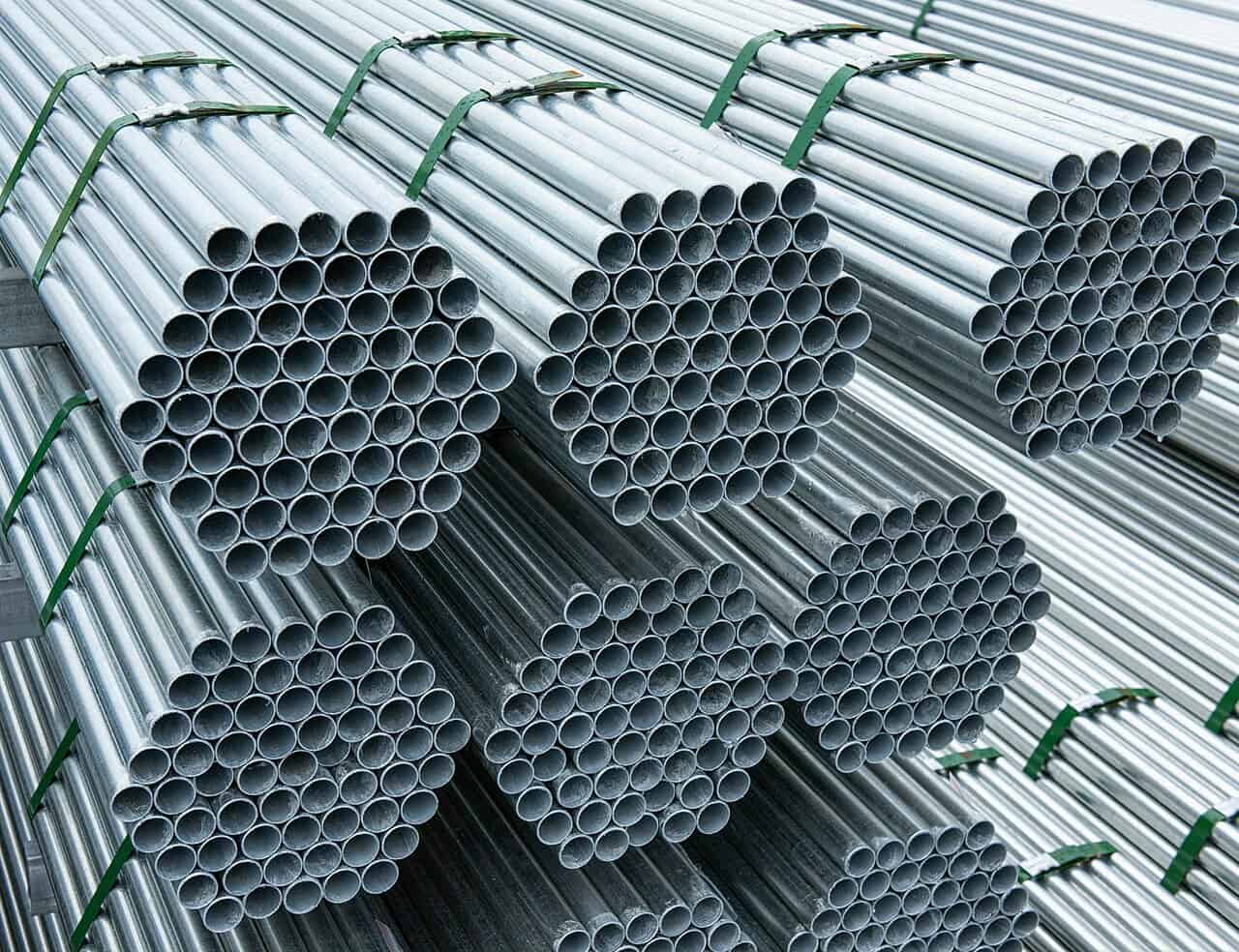
Lawmakers want companies to buy local, so they are sweetening the deal for those who play ball. The updated regulations give factories a realistic target to hit without completely overhauling their supply chains. Dropping the required domestic metal percentage makes a massive difference for companies assembling complex machinery.
It is a clever carrot dangling right in front of overseas builders to use our resources. Offering a steep discount at the border strongly encourages foreign brands to purchase American raw goods. This clever maneuver keeps our domestic foundries extremely busy filling massive international orders.
Boosting Domestic Production and Investment Efforts
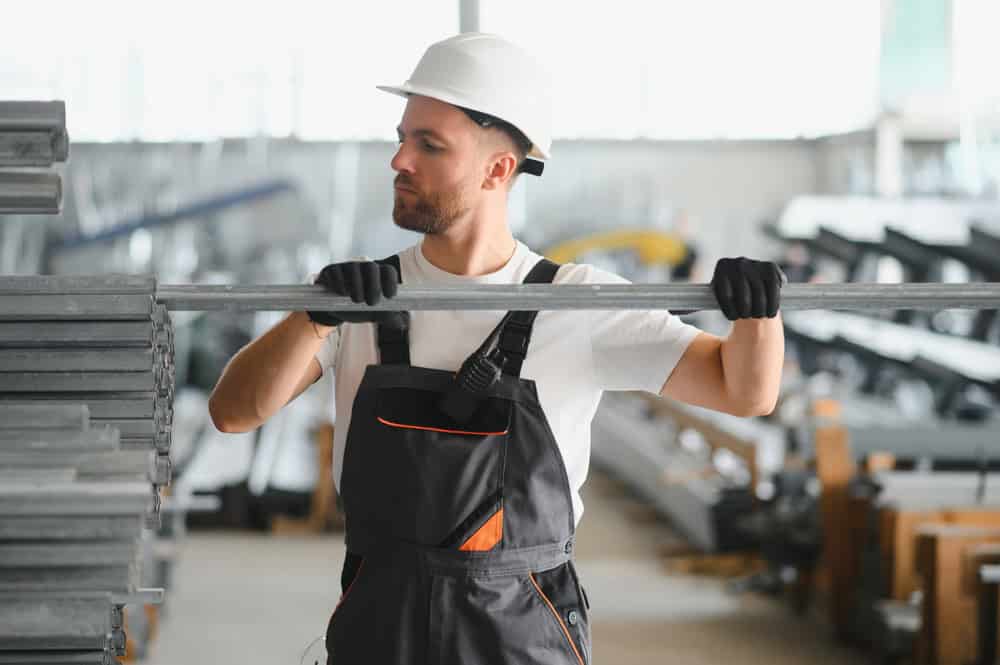
Wall Street is already reacting to the news by funneling massive amounts of cash into local smelting operations. There is a gold rush mentality happening right now across the industrial heartland of the country. New joint ventures are breaking ground on the first major domestic aluminum facilities seen in decades.
Building things from scratch requires deep pockets and a lot of faith in the current regulatory environment. In 2025, the United States officially became the third-largest steel-producing nation in the world. These updated rules give businesses in the country the exact coverage they need to hire more shifts.
Temporary Measures Set to Expire in Late 2027

None of these aggressive trade barriers is meant to stick around forever without a thorough review. These recent tariff adjustments are temporary and will remain in effect through December 31, 2027. Setting a strict deadline forces the industry to get its act together quickly rather than resting on its laurels.
A ticking clock creates an undeniable sense of urgency for corporate executives mapping out their next five years. They know they must modernize their facilities now before the protective duties potentially vanish. It is essentially a grace period granted to American companies to catch up with international rivals.
Closing Loopholes on Full Customs Value Rates

Tricky importers used to separate the value of the metal from the rest of the product to save a buck. Products made of 15 percent or less by weight of steel or aluminum will no longer be subject to Section 232 metals tariffs. This specific exemption clears up the red tape for items that barely contain any regulated materials.
For everything else, the duties now hit the entire price tag of the imported good without any sneaky deductions. Closing the old appraisal loopholes guarantees that the treasury collects exactly what it is owed from foreign sellers. It is a simple accounting fix that carries a very heavy financial stick for overseas competitors.
Leveling the Playing Field for American Workers

Blue-collar communities have taken the brunt of bad trade deals for what feels like a lifetime. These aggressive duty hikes are literally designed to stop foreign companies from undercutting local union labor. When overseas competitors have to pay a premium to sell here, our domestic workers actually stand a chance.
We are finally seeing a concerted effort to value the sweat and blood of the domestic workforce over cheap imports. Companies are now realizing that paying a fair wage at home is cheaper than paying massive import taxes. The ripple effect means more packed lunchboxes and stronger local economies in manufacturing towns.
Targeting Mobile Industrial Machinery Sourced Abroad
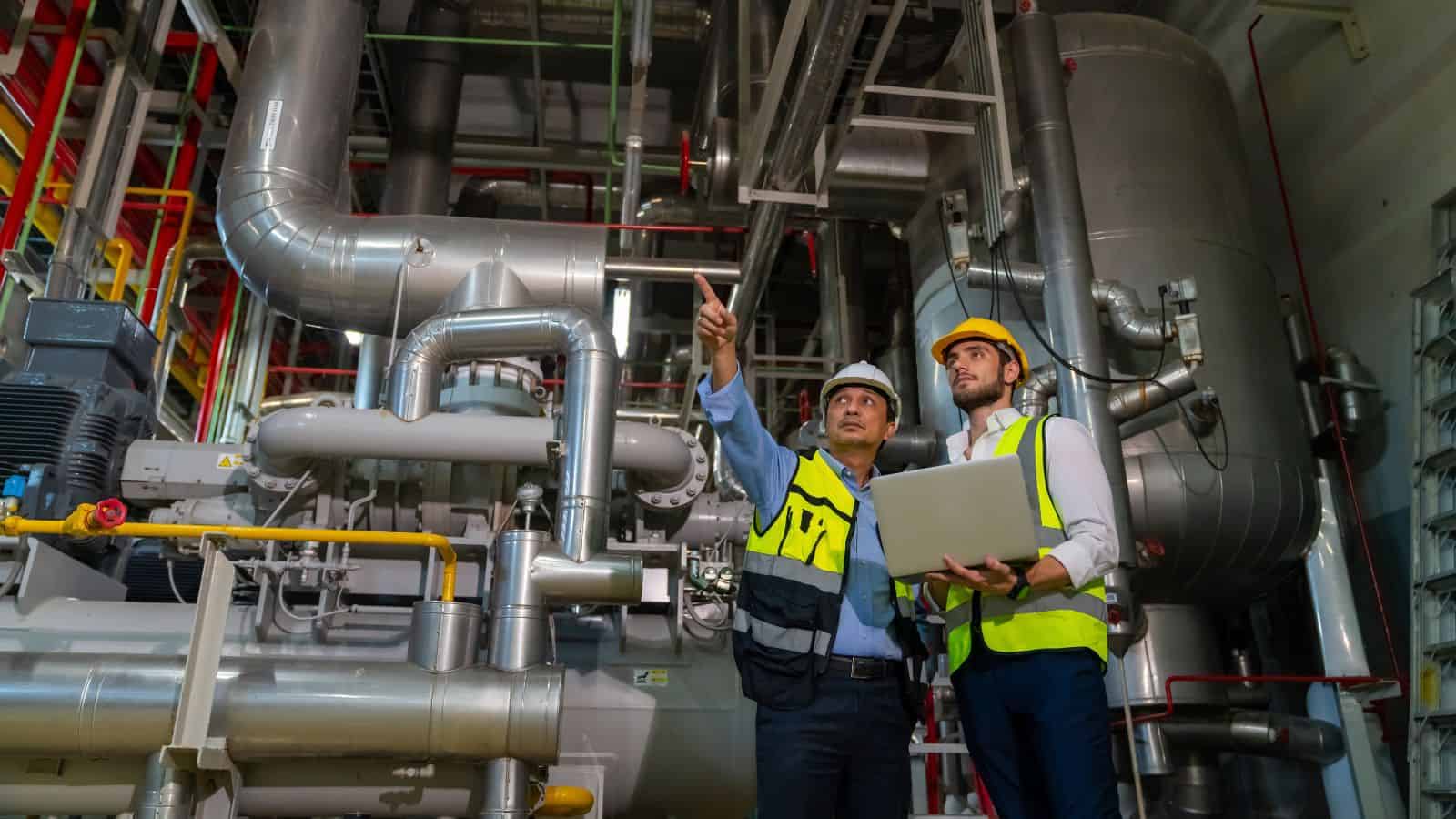
Construction sites across the country are heavily reliant on heavy machinery shipped in from overseas. The government is expanding its 15 percent duty bracket to specifically catch items like mobile bulldozers and forklifts. Applying this specific rate prevents foreign brands from completely monopolizing our local construction yards.
Builders will have to crunch the numbers carefully before ordering a fleet of foreign-made excavators. This strategic tax bracket forces fleet managers to seriously shop around for domestically produced alternatives. It gives our own heavy machinery brands a fighting chance to win those massive corporate contracts.
Incentivizing Downstream Manufacturing Across the Country

It is not just about raw metal; it is about everything that gets built out of that metal. The updated policies specifically reward companies that use American copper and steel in their finished consumer goods. This ripple effect is breathing fresh life into downstream factories that assemble everyday household appliances.
If you build a refrigerator overseas using American aluminum, you get a significant discount at the border. By offering a steep financial break, the government effectively subsidizes the export of our raw materials. This creates a beautiful loop where American metal gets sold twice, benefiting everyone involved.
Steering the Shift Away from Foreign Dependency
Relying on other nations for the very materials that build our cities is a glaring strategic weakness. The entire thrust of these adjustments is to forcefully break our addiction to cheap international metals. It is a painful but necessary detox for an economy that forgot how to forge its own future.
Transitioning back to a self-sustaining industrial powerhouse will naturally come with a few growing pains. However, the long-term payoff is a completely independent supply chain that no foreign power can hold hostage. We are basically watching the real-time rebuilding of the American manufacturing empire.
Like our content? Be sure to follow us