CDC and FDA investigate a multistate Listeria outbreak linked to soft ricotta and requesón cheese
A simple container of fresh cheese has become the last thing many families expected to worry about in their own refrigerators.
Have you been enjoying some fresh soft cheese lately? You might want to double-check your fridge right now. Federal health agencies are busy tracking down a nasty bacterial contamination spreading across state borders. The CDC and FDA have officially launched an investigation into a serious Listeria outbreak connected to some popular dairy items.
It turns out that soft ricotta and requesón cheeses are the main culprits behind this public health alert. These fresh cheeses are delicious, but they are currently causing a wave of severe illnesses. Authorities are urging everyone to toss out any suspicious dairy products immediately. Staying informed is the best way to keep your family safe from this invisible threat.
The Culprits Behind The Contamination
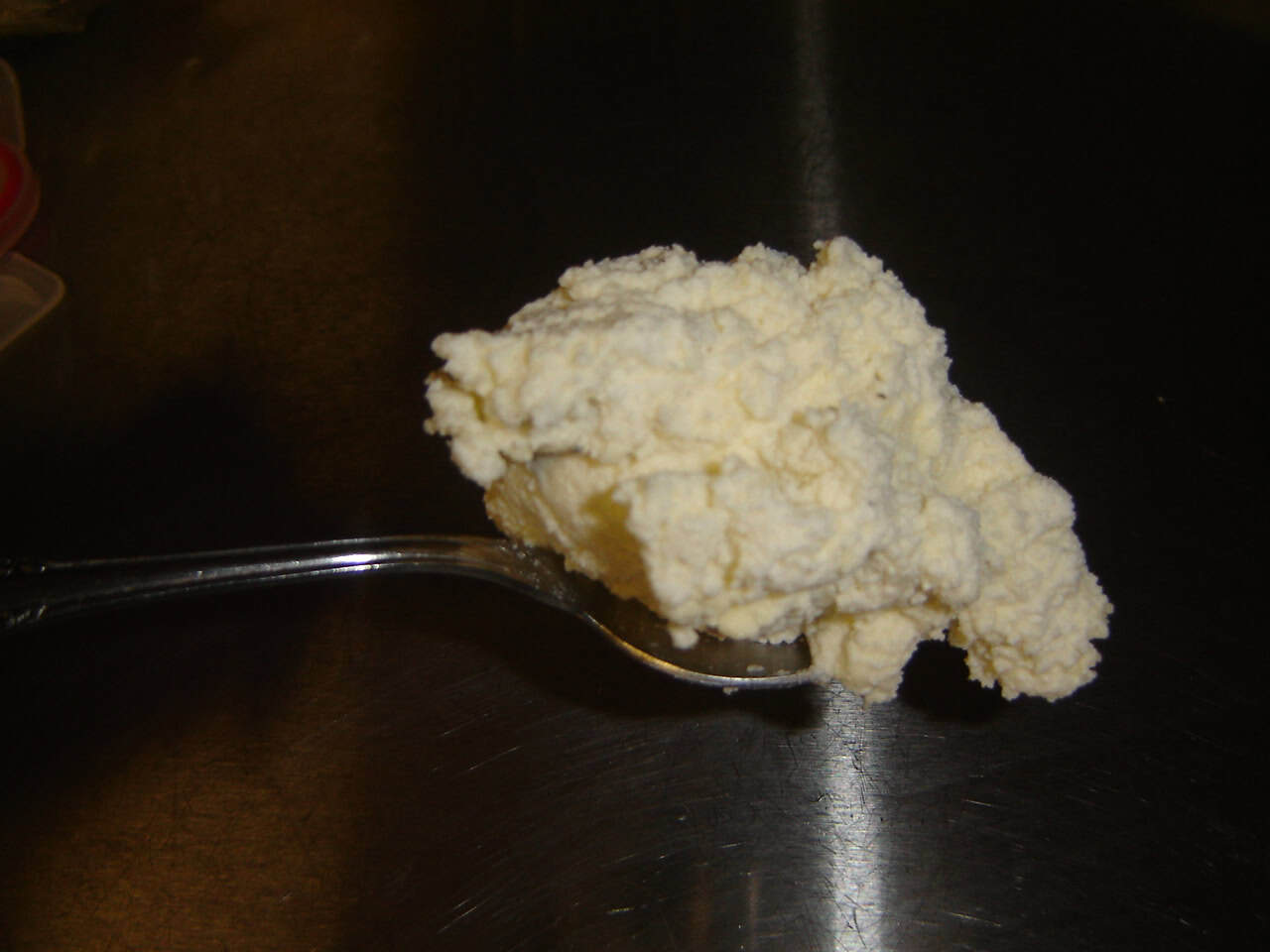
Officials have pinpointed specific fresh cheeses as the source of this spreading bacterial infection. Soft ricotta and requesón are the primary products flagged in the recent federal health warnings. Both are unaged dairy favorites that, unfortunately, create a perfect environment for bacteria to multiply.
Investigators traced the contaminated batches to Clover Hill Dairy operating out of Mechanicsville, Maryland. The facility has completely ceased its production while health authorities conduct comprehensive safety evaluations. You should look out for plant permit number 24128 if you have these items at home.
The Scope Of The Outbreak

This health crisis is officially a multistate issue that requires immediate public attention. As of June 2026, the CDC has confirmed 9 illnesses connected directly to this specific outbreak. The true number of sick individuals might actually be higher since many people recover without getting tested.
The affected patients are spread across the Eastern seaboard. CDC records show that 3 states are currently dealing with confirmed cases, including Maryland, New York, and Virginia. Public health officials are actively tracking down other potential cases across the country.
Severe Hospitalizations And Tragic Outcomes

Listeria is not your average stomach bug, and the consequences can be incredibly severe. The current data reveal that 8 hospitalizations have occurred as a direct result of eating these cheeses. Patients have required intensive medical care to fight off the aggressive bacterial infection.
Sadly, the situation has already taken a deadly turn for one individual. Health departments confirmed 1 death connected to this specific contaminated cheese. This tragic loss highlights exactly why federal agencies treat these recalls with such extreme urgency.
How To Identify The Recalled Products

Shoppers need to check their dairy drawers for specific packaging details right away. The recalled cheeses were sold in various retail sizes and clear plastic clamshell containers. Some bulk items were also sent to distributors who then repackaged the cheese under different brand names.
Nelson and Isa Lacteos LLC, out of New York, also issued a secondary recall for their items. You should throw away any one-pound clear plastic containers of requesón bought between mid-May and late May. It is always safer to discard the cheese if you cannot verify the exact brand or origin.
Who Faces The Highest Risk

Certain demographic groups are particularly vulnerable to serious complications from a Listeria infection. Pregnant women need to be especially cautious because the bacteria can cause premature birth or pregnancy loss. Seniors over the age of 65 and individuals with weakened immune systems also face life-threatening risks.
Cultural food habits also play a significant role in how an outbreak spreads through a community. Seeing that requesón is a staple ingredient in many traditional Hispanic dishes, it is likely to affect this demography more.
Understanding The Timeline

This outbreak has actually been simmering under the radar for quite some time. The collected patient samples date all the way back to March 2023. Health experts only recently connected the dots to declare an official outbreak in June 2026.
Tracing foodborne illnesses is a complicated puzzle that takes months or even years to solve. During interviews, 33 percent of sick people specifically remembered eating Clover Hill Dairy requesón. That crucial piece of information finally allowed the CDC to pinpoint the exact source of the problem.
What Listeria Symptoms Look Like

You might not feel sick immediately after eating a contaminated quesadilla or lasagna. It can take anywhere from a few days to two months for the first symptoms to appear. Common early warning signs include fever, severe muscle aches, and extreme fatigue.
The infection becomes much more dangerous if the bacteria spread beyond your digestive system. Patients with invasive listeriosis often suffer from severe headaches, a stiff neck, and a sudden loss of balance. Anyone experiencing these alarming symptoms after eating soft cheese must contact a doctor immediately.
Cleaning Up Your Kitchen Safely

Tossing the bad cheese into the garbage is only the first step in protecting your home. Listeria is a stubborn germ that can easily survive and grow in cold refrigerator temperatures. You must thoroughly wash all storage containers and shelves that touched the contaminated packages.
Hot soapy water is your best friend when disinfecting your food storage areas. Wiping down your fridge with a bleach solution will eliminate any lingering bacterial threats. Taking a few extra minutes to sanitize everything will give you peace of mind.
The Danger Of Soft Cheeses
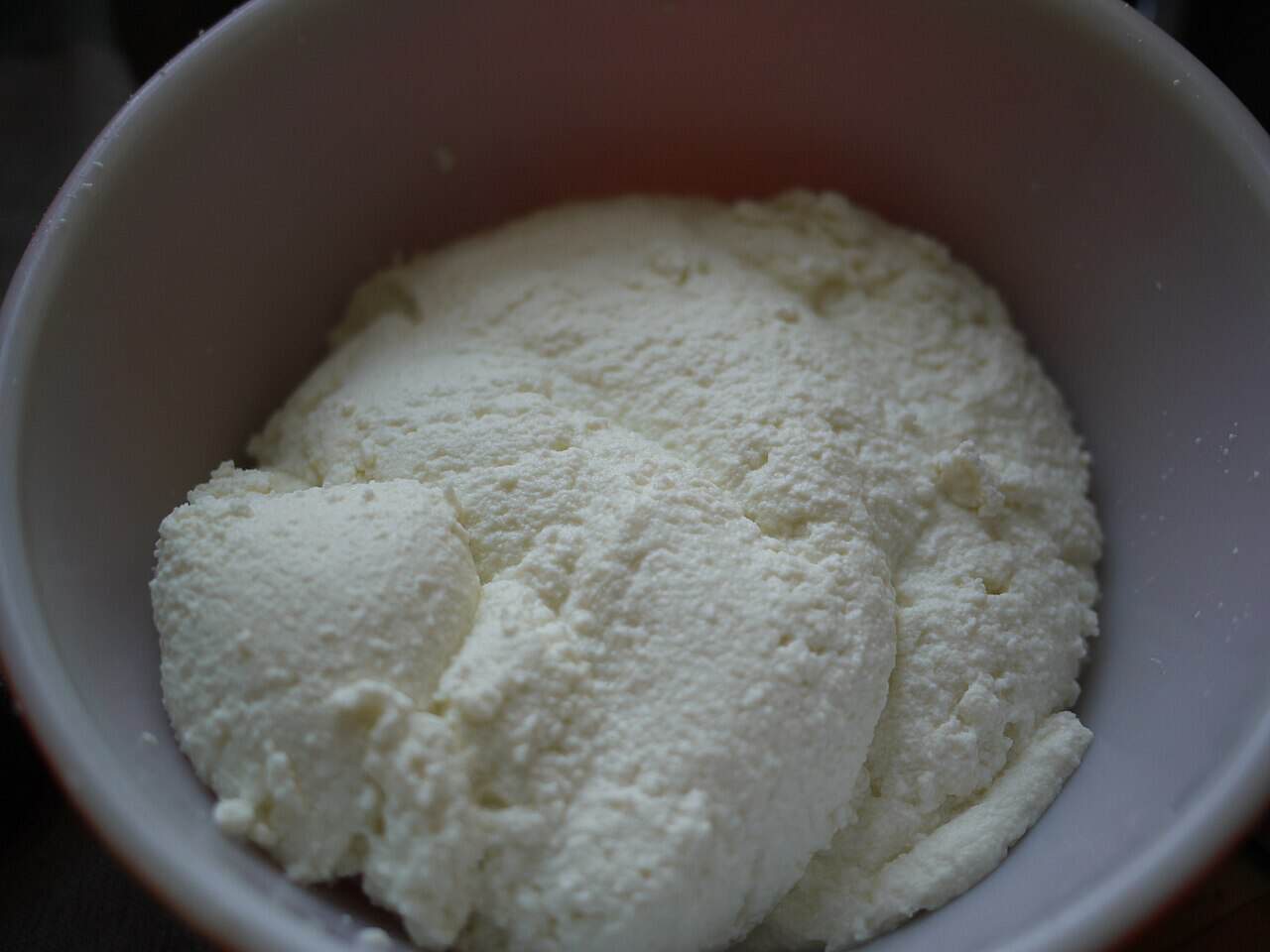
Hard blocks of cheddar or parmesan rarely cause these kinds of public health emergencies. Soft cheeses have high moisture content and low acidity, which bacteria absolutely love. Listeria thrives in fresh dairy products even when they are kept perfectly chilled in your fridge.
Pasteurization kills most germs, but contamination often happens after that step during the packaging process. Consumers must understand that fresh cheese varieties always carry a slightly higher risk of foodborne illness. Heating the cheese until it is steaming hot can help kill any unexpected pathogens.
Where The Investigation Goes Next

The FDA and local health departments are still conducting deep inspections at the dairy facilities. They are busy testing equipment and surfaces to find out exactly how the bacteria entered the cheese. Investigators recently found the matching strain of Listeria in an unopened bulk bucket of the product.
More recalls might pop up as the agencies trace the full distribution network. Consumers should monitor the official CDC website for regular updates as this situation develops. Staying alert will protect your family from any future health hazards related to this outbreak.
Like our content? Be sure to follow us