CDC responds to an Andes virus outbreak on a cruise ship and monitors exposed passengers
What begins as a holiday at sea can, in rare moments, become a moving boundary between containment and global exposure.
A sudden health scare on the open sea has captured the attention of medical experts worldwide. The CDC is actively responding to a confirmed Andes virus outbreak that originated on a popular cruise ship. Health officials jumped into action immediately after several passengers started showing severe respiratory symptoms.
This situation marks a rare event because this specific hantavirus behaves differently from typical shipboard illnesses. Medical teams are screening hundreds of people who recently disembarked from the affected vessel. Public health authorities want Americans to understand the facts without panicking over the terrifying headlines.
Understanding the Andes Virus Threat

This particular pathogen stands out because it is the only hantavirus known to spread from person to person. Most people catch typical hantaviruses from breathing in dust contaminated with infected rodent droppings. However, this specific strain allows human transmission through incredibly close physical contact or shared bodily fluids.
The illness starts with sneaky symptoms that easily mimic a standard winter flu bug. Patients often experience terrible headaches, muscle aches, and high fevers before their breathing becomes labored. If the disease progresses, it can trigger severe fluid buildup in the lungs and heart complications.
Tracking the Initial Cruise Ship Outbreak

Health authorities leaped into action when reports of severe respiratory illnesses surfaced from the vessel. Medical staff onboard noticed a troubling pattern among passengers who shared similar tight quarters. CIDRAP says the recent cruise ship outbreak resulted in a total of 13 reported cases and three deaths, bringing the case fatality ratio to 23 percent.
Investigators immediately began piecing together the timeline of how the pathogen slipped onto the ship. They reviewed port logs and passenger activities to pinpoint the absolute earliest signs of infection. Tracing the origin helps medical experts figure out exactly where the exposure chain began.
Monitoring Exposed Passengers Closely

Keeping a close eye on anyone who might carry the virus remains the absolute highest priority. The CDC coordinated massive efforts to track down everyone who sailed on the affected voyage. Over 600 passenger contacts were quickly identified across 32 different countries for continuous symptom monitoring.
Health workers check in with these folks daily to catch any early signs of fever or coughing. Quarantine measures help isolate anyone who starts feeling sick before they can infect their family members. Catching the illness early gives patients the absolute best shot at receiving helpful medical care.
Halting Person-to-Person Transmission

The biggest fear surrounding this bug is its frightening ability to jump directly between humans. Doctors urge everyone involved to wash their hands constantly and avoid sharing eating utensils. Up to 50 percent of people infected with the Andes virus succumb to the disease, according to recent RIVM data.
Families of the exposed passengers must avoid kissing or close physical intimacy during the entire quarantine period. Medical professionals wear heavy protective gear whenever they interact with suspected cases in the isolation wards. Putting these strict physical barriers in place completely cuts off the virus from finding new hosts.
Isolating the Identified Cases Safely

Hospitals designated special isolation units designed to handle highly contagious respiratory threats safely. Patients ride in customized transport vehicles that keep the contaminated air completely contained inside the cabin. Moving sick individuals requires careful coordination between local hospitals and federal transport teams.
Once inside the facility, patients receive supportive therapies to help them breathe and fight the infection. Doctors monitor their oxygen levels around the clock because conditions can deteriorate surprisingly fast. Providing top-notch medical support keeps the patients comfortable while their bodies battle the fierce virus.
Deploying Teams for Quick Action
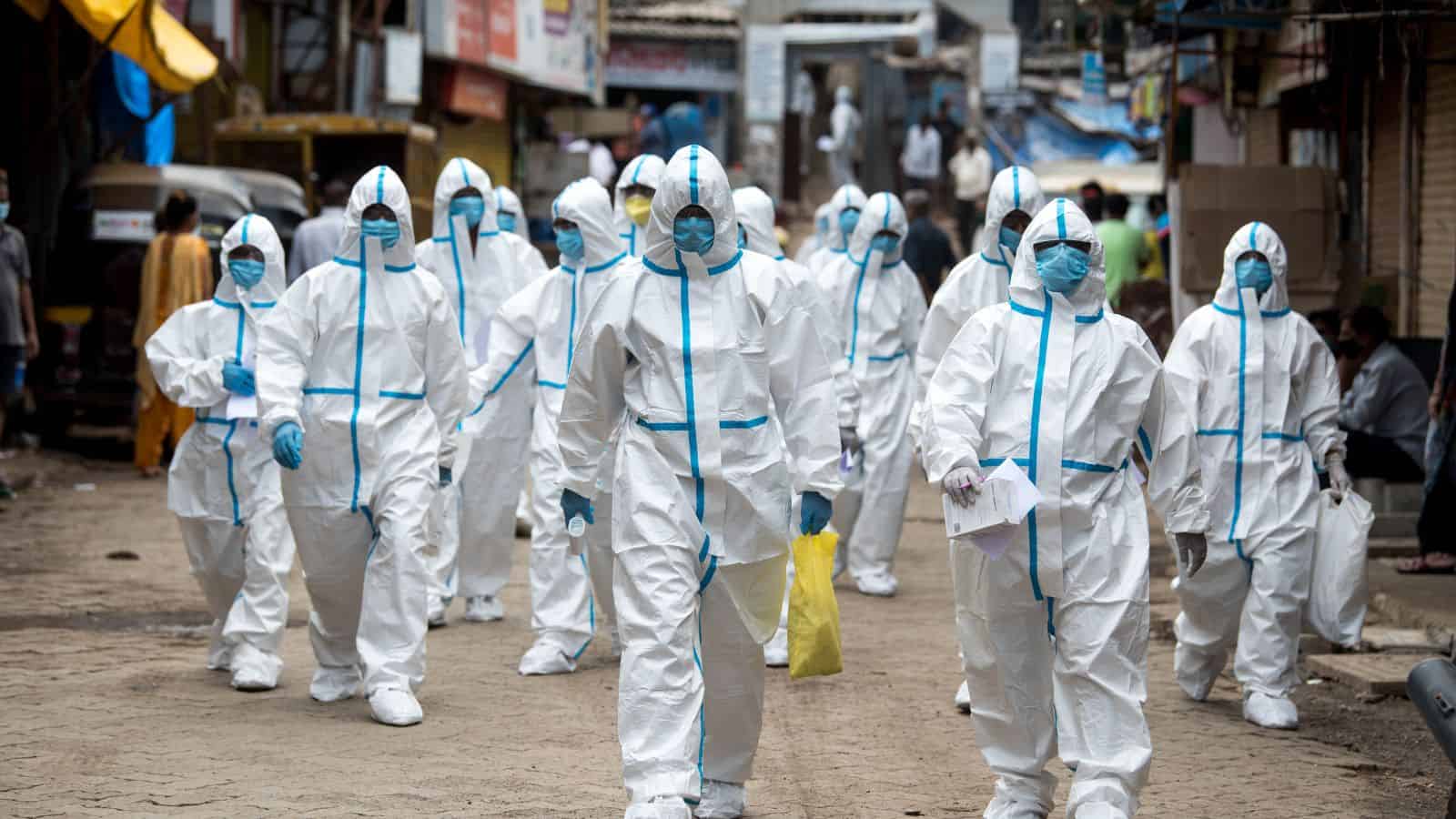
The government dispatched specialized public health response teams directly to the port where the ship docked. These experts brought mobile testing equipment to check symptomatic passengers before they even stepped off the ramp. Having boots on the ground instantly stopped potentially infected people from boarding commercial flights home.
Environmental health officers also boarded the vessel to oversee an intensive deep cleaning operation. They scrubbed down cabins, dining halls, and ventilation systems to eradicate any lingering viral particles. Sanitizing the entire floating hotel guarantees the ship will be completely safe for future vacationers.
Managing High-Risk Contacts Globally

Not everyone on the ship faced the same level of danger during their vacation. Health officials categorized passengers based on how close they got to the sick individuals. Of the hundreds of individuals tracked globally, 53 percent were classified as high-risk contacts requiring stricter quarantine measures.
Those in the high-risk group include roommates, caretakers, and anyone who shared a dining table with infected patients. They must stay inside their homes and report their temperatures to health officials every single morning. This aggressive tracking strategy prevents the pathogen from sparking a brand-new cluster on dry land.
Studying the Incubation Period Data

Understanding how long the virus hides in the body helps doctors know when the danger has passed. WHO authorities estimate the mean incubation period to be exactly 22 days based on recent patient tracking. This sneaky waiting game means people can feel perfectly fine for weeks before suddenly crashing.
Because of this delayed reaction, passengers must complete an agonizing 42-day quarantine to be considered totally clear. Doctors refuse to release anyone early because a late-onset fever could spell disaster for their community. Patience is essential when dealing with a bug that takes its sweet time waking up.
Evaluating the Ongoing Health Risks

Epidemiologists continuously crunch the numbers to figure out if the threat is growing or shrinking. They track every single cough and fever spike to build a mathematical model of the outbreak. The effective reproduction number for this specific outbreak is currently estimated at 0.7, meaning the spread is officially declining.
This incredibly hopeful statistic proves that the aggressive quarantines and testing protocols actually worked. While the danger has not completely vanished, officials feel confident they have cornered the pathogen. Public health leaders will maintain their strict defensive posture until every last patient tests negative.
Coordinating with International Health Partners

Viruses do not care about borders, so fighting them requires massive global teamwork. The CDC constantly shares its test results and patient timelines with the World Health Organization. This open channel of communication allows other nations to prepare their own hospitals for arriving passengers.
International health ministries pooled their resources to fly isolated citizens back to their home countries safely. They organized specialized medical flights equipped with negative-pressure pods to transport the most vulnerable patients. Working together globally turns a frightening ocean disaster into a masterclass in modern medical diplomacy.
Like our content? Be sure to follow us