The world still thinks fathers are optional, and one soccer player just proved it
When Belgium winger Jérémy Doku stepped away from the 2026 World Cup to be present for the birth of his first child, the sports world did what the sports world tends to do with anything touching on fatherhood and sacrifice: it argued about it.
A French sportscaster named France Pierron made the moment impossible to ignore. Speaking live on air, Pierron said Doku was walking away from a childhood dream to attend what she called “a disgusting moment,” one where, in her view, the father is “completely useless.”
She later apologized, clarifying she was offering a personal opinion in the context of a heated on-air exchange, and that she never intended to minimize the role fathers play with their partners or children. Her employer, L’Equipe, distanced itself from her comments and issued its own apology to Doku directly.
The internet, predictably, did not let it go so easily.
The Story, Briefly

Doku had been open about his intentions for weeks. When asked in mid-June whether he would leave the tournament to be with his wife, Shireen, when she went into labor, he was direct: “If you ask me what I want, my answer is that nobody wants to miss the birth of their first child.”
His team, the Belgian Red Devils, approved the trip. Doku flew to London, missed a 1-1 draw against Iran due to illness, and was back with the squad within days. His Instagram story, posted shortly after, summed up where his head was: “Welcoming my son into the world is one of the greatest blessings God has ever given me.” He named the boy Praise. He added that Shireen was doing great. Then he flew back to Seattle and got ready for the next match.
From a sporting standpoint, the episode was relatively minor. Belgium was already through the group stage calculations regardless. But from a cultural standpoint, it cracked something open. A conversation that had been simmering for years about what we actually expect from fathers, and whether those expectations have kept pace with everything else that’s changed.
Why It Hit a Nerve

Part of what made Pierron’s comments land so hard, even after her apology, is that they articulated something many people quietly believe but rarely say out loud: that a father’s presence at his child’s birth is optional in a way a mother’s never could be. That when there’s a professional conflict, the man should choose his career. That showing up for the birth is admirable, but not essential.
It’s a belief baked into decades of workplace culture, legal policy, and even comedy. The bumbling, peripheral dad in the delivery room is useful for holding a hand and staying out of the way. The idea that the birth of a child is primarily a maternal event, with the father as a supportive but non-essential visitor.
Doku didn’t make a grand statement. He just… went. And the fact that his choice sparked genuine debate, not just from one host, but across social media, sports talk, and opinion pages, says something about where we still are.
What the Data Tells Us

The numbers here are genuinely striking. According to U.S. Census Bureau data published in 2025, the most comprehensive national dataset currently available, roughly 50% of first-time fathers take paid paternity leave following a birth. Another 12.6% take unpaid leave. And 35% take no time off at all.
That last number deserves a second read. More than a third of American fathers take zero time off when their child is born. Not a week. Not a few days. Nothing.
And among fathers who do take leave, the average duration hovers around three days. The majority who take any paid leave at all take one week or less. These are fathers who, in many cases, want more time. Surveys consistently show fathers would prefer closer to 10 weeks of leave if financial realities allowed it, but they face a system that hasn’t caught up to those preferences.
FatherCrafts reports that the United States remains the only OECD member country without a federal paid parental leave policy. Thirteen states plus Washington, D.C., currently have active paid programs, covering about 43% of the workforce. The rest of the country largely operates on the Family and Medical Leave Act, which provides up to 12 weeks of unpaid leave, a protection that, for many families operating without savings, is functionally meaningless.
The structural message it sends is essentially the same as the one Pierron accidentally said out loud: the job comes first. The birth is something you fit in around if you can.
The Deeper Shift That’s Happening

What makes this moment interesting beyond the sports angle is that it sits at the intersection of two things pulling in opposite directions at once.
On one hand, research increasingly shows that a father’s early involvement isn’t just emotionally beneficial, it’s developmentally significant. Studies have linked even 1.5 weeks of paternity leave to measurable improvements in infant outcomes.
Fathers who take paid leave report being more confident and more involved as co-parents, long after the leave ends. When fathers take equal or significant shares of parental leave, maternal stress decreases, mothers return to the workforce sooner, and household labor tends to be divided more equitably for years afterward.
On the other hand, the cultural image of fatherhood hasn’t quite absorbed all of that research. There’s still a gap between what people intellectually believe – most people support paid paternity leave in surveys – and what actually happens in practice, where workplace stigma, financial pressure, and unspoken expectations push fathers back to their desks faster than they might choose on their own.
Research conducted by Zippia suggests 86% of men would only consider taking paternity leave if at least 70% of their salary were covered. Nearly a quarter of fathers who have access to leave don’t use it at all.
What Doku did was simple: he made a choice that millions of men make every year, and then he made it in public, on the largest sporting stage in the world. And the response, both the criticism and the overwhelming support he received, revealed exactly how much tension still exists around that choice.
It Cuts Both Ways
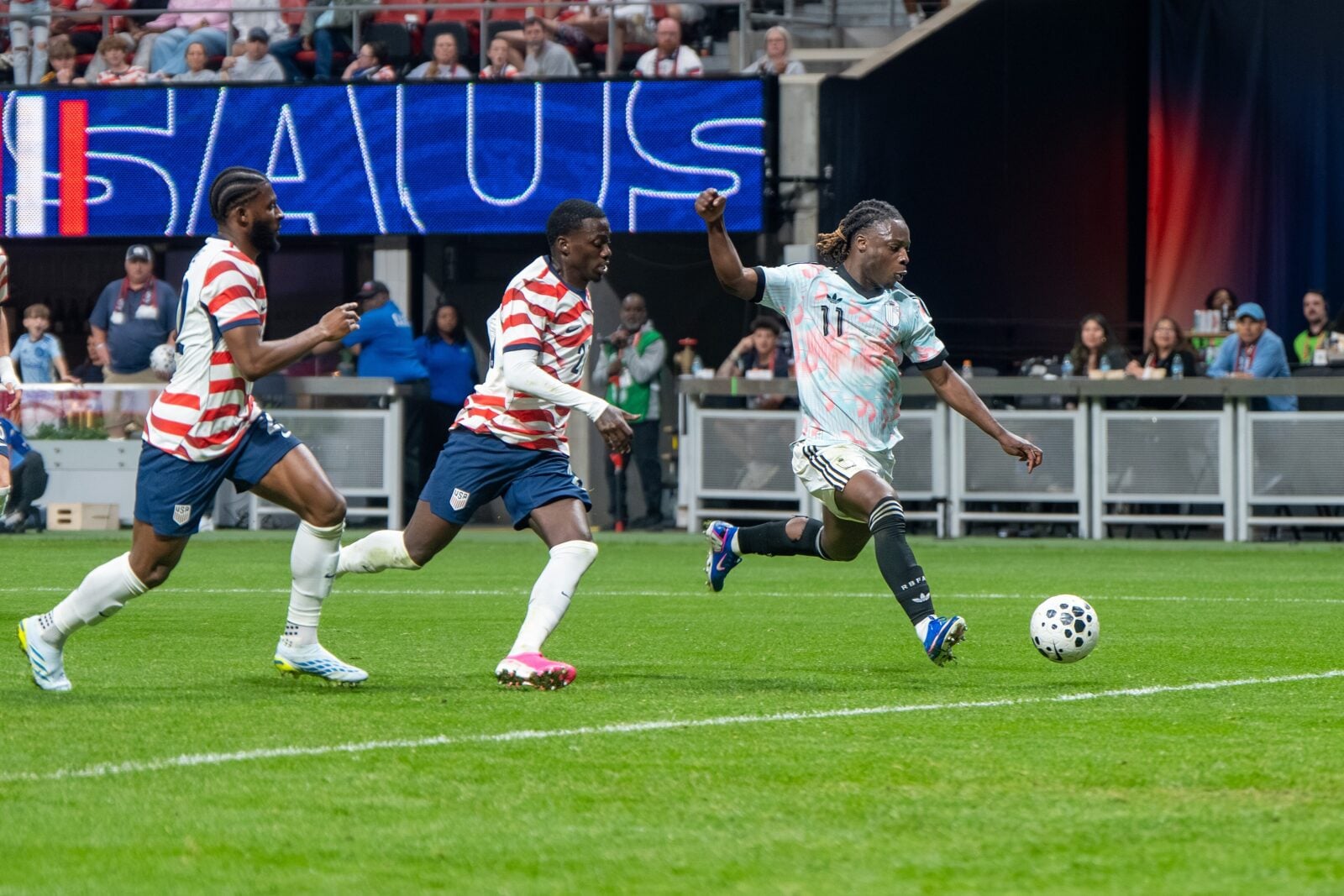
To be fair to the more complicated version of this conversation: not everyone who questioned Doku’s decision was being callous. There’s a real argument, if not a popular one, that elite professional athletes operate under specific obligations to teammates, coaches, sponsors, and fans who have spent years watching them build toward moments like a World Cup quarterfinal. That context doesn’t make Pierron’s specific framing defensible, but it explains why the question exists at all.
And there’s a version of this debate that isn’t really about fatherhood at all; it’s about professional obligation and team sport, much like when people ask whether an athlete should play through an injury or skip a game for personal reasons.
Still, the reason the conversation tilted so quickly toward the fatherhood angle and not the team-obligation angle is telling. Nobody suggested Doku’s choice was selfish because he was abandoning his teammates. They suggested it was questionable because he was choosing his child over his career. That framing reveals the actual cultural assumption.
Where This Leaves Us
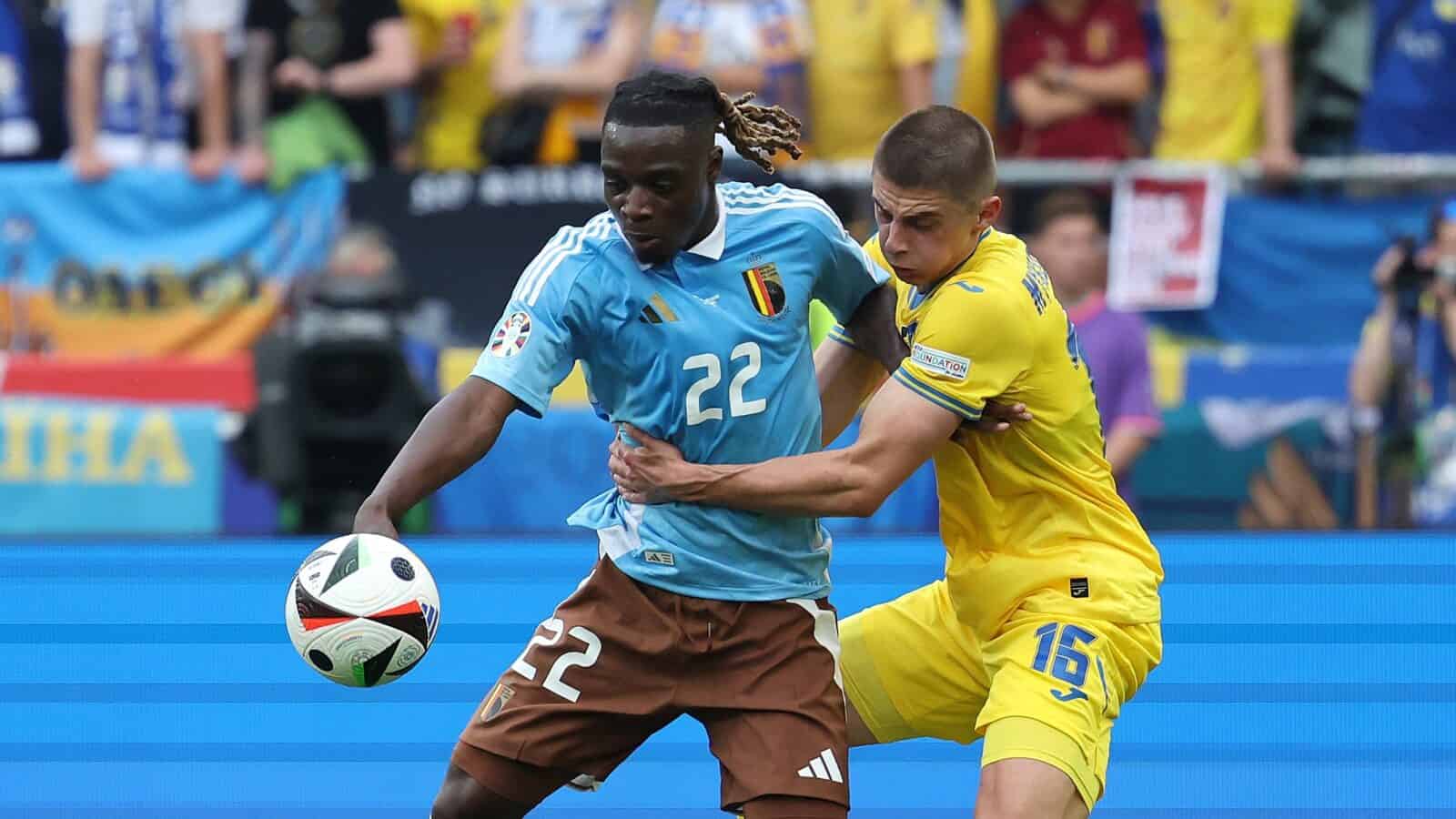
Jérémy Doku flew back from London and rejoined his squad within 48 hours. His son’s name is Praise. Belgium continued its World Cup campaign. The sportscaster apologized, and the news cycle moved on.
But the moment left something behind. A useful kind of discomfort. Because the controversy wasn’t really about one player’s decision. It was a mirror. It reflected a set of assumptions most of us carry around without examining too closely: that fathers are optional at birth, that professional sacrifice is the default measure of commitment, that a man choosing presence over performance is making an unusual choice rather than an ordinary one.
It’s the kind of assumption that shapes policy, culture, and families in ways both large and small. And every so often, it takes someone doing something entirely unremarkable, flying home to be there when his son came into the world, to make that assumption visible.
Doku named his boy Praise. He was back at training two days later.
Make of that what you will.
Disclaimer – This list is solely the author’s opinion based on research and publicly available information. It is not intended to be professional advice.
Like our content? Be sure to follow us