Men shared what gives them “the ick” about women, and the debate says a lot about modern dating
Dating used to fall apart after a big red flag. Now, sometimes, it dies over a dirty car, a cold text, a rude tone with a waiter, or the way someone asks for too many photos before dinner arrives.
That small, sharp turn from attraction to discomfort is exactly why a viral online debate about men naming what gives them “the ick” about women spread so quickly. The word sounds funny, almost harmless, but the feeling behind it can be brutal.
Pew Research Center found in 2023 that 30% of U.S. adults had used a dating site or app, including 53% of adults under 30. Nearly half of online dating users (48%) said they had experienced at least one unwanted behavior on those platforms.
So this debate did not land in a calm dating world. It landed in one already full of hope, side-eye, burnout, gender tension, and people looking for the exit before the second date even begins.
What Happened

In the viral online debate, men were asked to name the things women do that make attraction vanish. The answers were not limited to looks.
Many men pointed to poor hygiene, bad breath, dirty homes or cars, rude behavior toward service workers, constant negativity, emotional games, double standards, and a lack of effort. Some said they lose interest when a woman never asks questions, treats a boyfriend like a photo assistant, criticizes other women, or expects care without giving it back.
That range is part of why the conversation grew. Some responses sounded fair. Most people do not want a partner who is cruel, careless, or cold. But some replies struck women as old judgment in new slang.
Complaints about fake nails, makeup, social lives, money habits, or taking photos sounded to many readers like a familiar trap: women are expected to look good but not too polished; be confident but not too visible; have standards but not too many.
Why the Word “Ick” Hits So Hard

The “ick” gives people a quick word for a sharp drop in attraction. Eliana Saunders, a researcher tied to recent work on the topic, told IFLScience, “In layman’s terms, the ick is a feeling of disgust that’s triggered by something that isn’t an obvious dealbreaker.”
That is what makes it so slippery. A red flag points to harm, danger, or poor character. An ick can be much smaller. It can be a voice, a habit, a style choice, or a moment of secondhand embarrassment.
A 2025 paper in Personality and Individual Differences connected frequent “ick” reactions with disgust sensitivity, narcissism, and perfectionism. 64% of people in the study had felt the ick, 26% ended a relationship right away after it, and 42% ended one later.
Those numbers matter because they show the ick is not just a joke. It can decide who gets another chance and who gets quietly cut.
Men Are Not Always Talking About Shallow Things
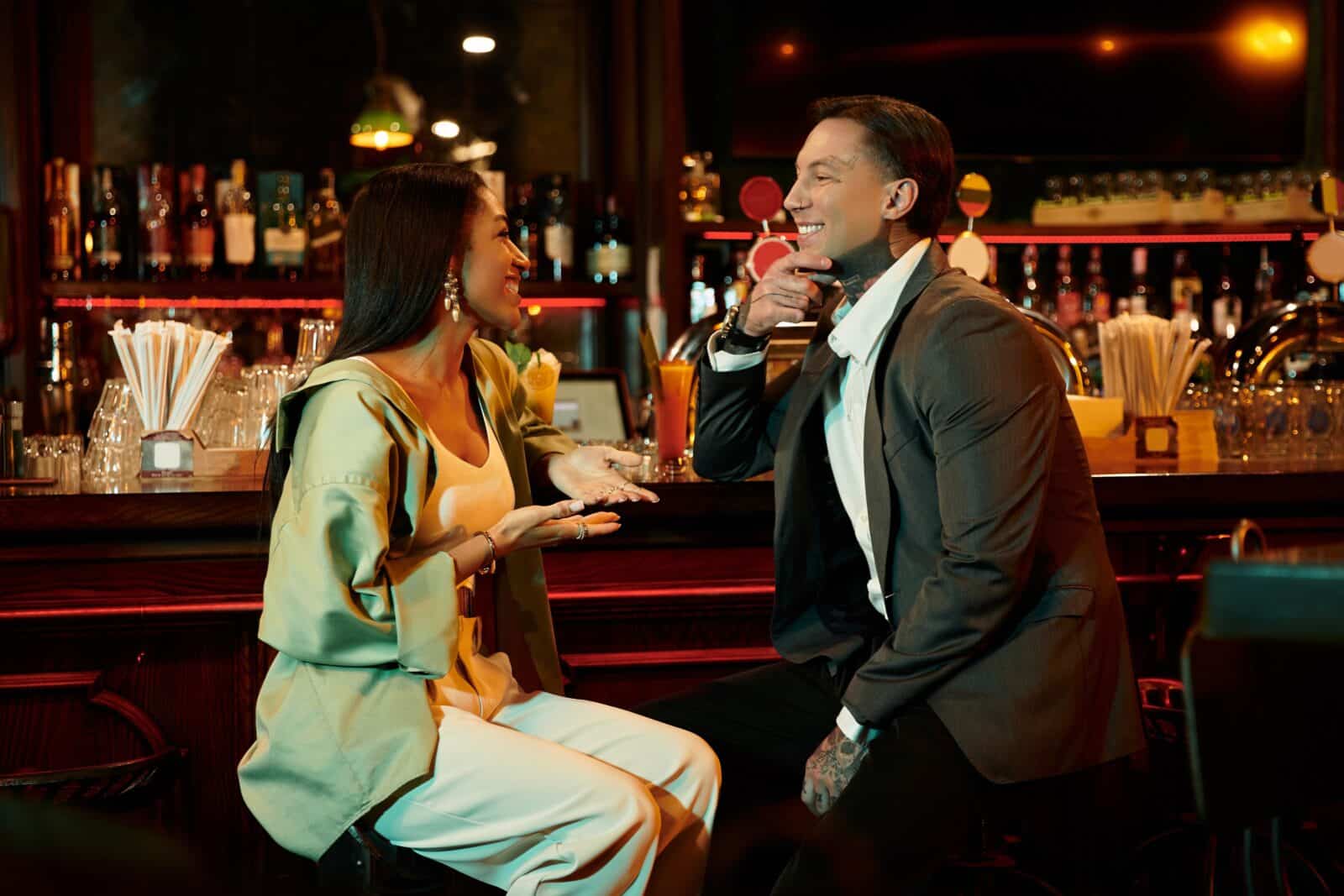
The fairest reading of many men’s answers is simple: they want effort, respect, and peace. A woman who is rude to a waiter may be showing how she handles power.
A woman who never asks about her date’s life may be showing a lack of curiosity. A woman who uses silence as punishment may be showing weak conflict skills. Those are not silly complaints. They are clues about daily life with someone.
That reading fits broader dating data. Match and the Kinsey Institute’s 2025 Singles in America study surveyed 5,001 U.S. singles and found that 70% said men and women increasingly misunderstand each other in dating.
Nearly half (47%) felt burned out by dating, and 54% said the modern dating landscape left them drained. Dr. Justin Garcia, executive director of the Kinsey Institute and chief scientific advisor to Match, said, “Meaningful connections come in many forms, and almost all take focused time to cultivate.”
That is the part the internet often skips. A funny “ick” post can name a real problem, but it rarely gives anyone the patience to solve it.
Women Hear the Double Standard

The backlash also makes sense. Women have long been judged for almost every visible choice they make: clothes, weight, tone, age, ambition, beauty routines, sexuality, spending, and social media presence. So when men list “icks,” many women hear more than preference. They hear control with a cleaner haircut.
Pew’s 2023 online dating report provides context for that reaction. Women under 50 who had used dating apps were more likely than men to report unwanted sexual messages, continued contact after saying no, offensive name-calling, or threats.
56% of women under 50 who had used dating platforms had been sent unwanted sexually explicit messages or images. In that climate, a man mocking a woman’s body, makeup, or photos may not feel harmless. It can feel like one more public note in a very long file.
Dating Has Become a Performance Review

The “ick” spreads because modern dating already trains people to sort fast. Profiles turn humans into cards. Messages become auditions. First dates become content for group chats. The language of romance now sounds like a checklist: red flags, green flags, dealbreakers, standards, soft launches, hard launches, and icks.
Some of that language helps. It gives people words for patterns they used to ignore. But it can also make people disposable. Cleveland Clinic psychologist Chivonna Childs, PhD, warned that “Keeping a list of icks sets you up for failure.”
Her point was not that people should accept bad behavior. It was that a shallow checklist can block a real connection before it has a fair chance. If a person is cruel, dishonest, or careless, leave. If a person chews loudly once because they are nervous, maybe they’re just breathing.
The Older Dating Rules Are Still Lurking

The debate also reveals a gap between what singles say they want and how quickly they judge others. In 2021, Match’s Singles in America study found that emotional maturity had become the top trait singles wanted in a partner.
The survey of more than 5,000 singles found 84% valued good communication, 83% valued being open-minded, and 78% still valued physical attraction, down from 90% the year before.
Helen Fisher, then Match’s chief science advisor, told Time, “I do think this is a historic time in human courtship.” She also said, “The bad boy and bad girl are out.” That shift helps explain why men’s complaints about negativity, double standards, and emotional games got attention.
Many singles say they want steadier love now. The problem is that many are still using harsh tools to find it.
What Men May Be Missing

Some men’s “icks” may reveal real needs. Some may reveal fear. A man who hates being used as a photo prop may be saying he wants to feel like a partner, not an accessory.
A man who dislikes constant negativity may be saying he wants warmth. But a man who mocks every beauty choice a woman makes may be wrestling with his own discomfort around female visibility.
That is where the double standard lives. If a woman looks polished, she may be called fake. If she looks plain, she may be called low effort. If she wants care, she may be called entitled. If she pays her own way and moves with confidence, she may be called intimidating.
Modern dating asks women to be desirable, easygoing, impressive, humble, low-maintenance, and emotionally available without asking for too much space in return. No wonder some women heard the debate and rolled their eyes.
What Women Can Fairly Hear Too

It would be too easy to dismiss every male “ick” as sexism. Some complaints are fair for any gender. Bad hygiene matters. Kindness matters. Reciprocity matters.
A person who never asks about your day is hard to build with. A person who belittles strangers is showing you something. A person who expects emotional labor but gives none back is not offering partnership.
The useful question is not, “Are men allowed to have icks?” Of course they are. Women have them too. The better question is this: Is the reaction pointing to a real mismatch, or is it just a dressed-up prejudice? That question can save people from both bad relationships and lazy judgment.
What Readers Can Take Away

The “ick” is not going away. It is too short, too funny, and too accurate for that strange little moment when attraction leaves the room before you do. But the viral online debate shows the risk of turning every private turnoff into a public verdict.
Dating needs standards. It also needs humility. A person can name poor behavior without turning the other gender into a punchline. A person can admit a preference without dressing it up as a moral truth.
The internet can make one awkward habit sound like a life sentence. Real connection asks for something harder: the wisdom to know the difference between a warning sign, a mismatch, and a moment that simply made you cringe.
Disclaimer – This list is solely the author’s opinion based on research and publicly available information. It is not intended to be professional advice.
Like our content? Be sure to follow us