A Viral Meme Has People Questioning What Schools Really Teach
A simple meme about using “big words” has reopened a much bigger conversation about education, intelligence, and whether the lessons people learn in school still connect with the world they live in.
The joke was familiar. Someone uses a more advanced word, and another person suggests they are only doing it to sound smarter. The humor comes from the contradiction: many of those same words are exactly what students are encouraged to learn through years of reading, writing, and classroom instruction.
But behind the joke is a question that has followed education for years: are schools teaching students skills that truly prepare them for life, or are they focusing on knowledge that feels disconnected from the real world?
The discussion is not only about vocabulary. It reflects a growing debate about what education should look like in a changing society.
The Bigger Question Behind the Education Debate
The viral joke gained attention because many people recognized the situation. Students are often taught to improve their vocabulary, communicate clearly, and develop stronger language skills. Yet outside the classroom, the use of formal or complex language can sometimes be criticized.
Some people believe communication should be simple and easy to understand. They argue that using complicated words unnecessarily can make conversations feel distant. Others see it differently.
They believe having a strong vocabulary shows learning, curiosity, and the ability to express complex ideas. The disagreement reveals a deeper issue: society has mixed expectations about what it means to sound educated.
In surveys of adults, Gallup looked back on their education, and those who say their courses felt relevant to both work and everyday life are significantly more satisfied. In contrast, many others report that school emphasized sounding “educated” more than applying skills in real situations.
Why People Are Rethinking What School Really Teaches
For many adults, education is something they appreciate while also questioning it, especially when they ask whether school prepared them for real life. Students spend years studying subjects, completing assignments, and preparing for exams. Later, many begin asking how those lessons connect to careers, relationships, finances, and everyday decisions.
This has created a wider conversation about whether schools are keeping up with modern life. As that question grows, more people are looking at the changing world students enter. The world students enter today is very different from previous generations.
Technology has changed how people work, communicate, and learn. Careers are evolving quickly, and many skills that were less important decades ago are now considered essential. Student surveys show that many young people already sense this disconnect. One national poll found that only 54% of middle schoolers and 46% of high schoolers believed what they were learning in class was relevant to the world outside school.
The Gap Between Classroom Learning and Real Life
One reason education remains a frequent topic of debate is the gap between what students learn and what they use after graduation. That gap is why the conversation keeps widening. Traditional subjects such as reading, writing, mathematics, and science provide important foundations.
They teach people how to analyze information, solve problems, and understand the world around them. However, critics argue that schools should place more emphasis on practical skills that people need as adults.
Many people believe students should leave school knowing more about managing money, communicating professionally, navigating technology, and making decisions. Recent research by Devry on the U.S. workforce highlights this tension, 69% of employers worry their employees lack the skills needed for future success, even as 85% of workers feel they don’t need additional qualifications to stay employable.
Why Communication Has Become More Important

The conversation around “big words” also highlights the importance of communication. In today’s world, people constantly share ideas through workplaces, social media, and online communities. Being able to explain thoughts clearly is valuable in almost every area of life.
Experts often point out that good communication is not about using the most complicated words. It is about choosing the right words for the situation. A person who can explain a difficult idea simply is often demonstrating a deeper understanding of the subject.
Employer surveys consistently show that communication is one of the top skills hiring managers look for, with reports from Creative Organization Design indicating that around 70% of employers rate good communication as the most important ability they want in recruits.
What Education Experts Say About Changing Skills

Education discussions have increasingly focused on skills beyond traditional academic knowledge. Organizations studying the future of work have highlighted critical thinking, creativity, collaboration, and adaptability as important skills for modern careers.
As technology continues to change workplaces, many educators believe students need both strong academic foundations and practical abilities. The shift in modern work isn’t about replacing traditional learning, but rather elevating the traits that make us uniquely human.
As artificial intelligence automates routine tasks, soft skills such as communication, adaptability, and critical thinking have become the foundation for long-term job security. Ultimately, while machines can process data at scale, it is human insight and flexibility that will define successful careers in an automated world.
The Debate Over Traditional Education
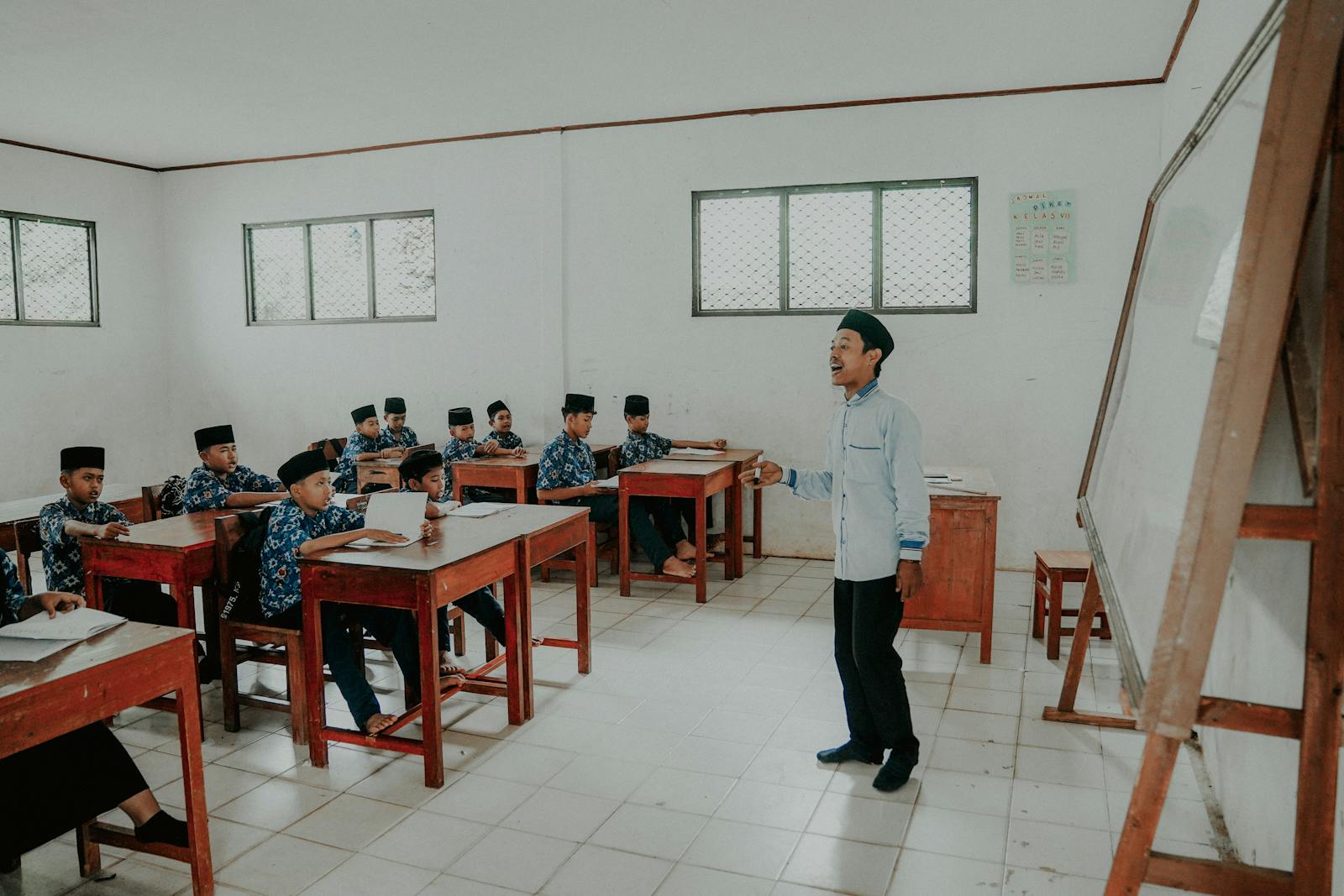
Supporters of traditional education argue that academic subjects remain essential. They believe learning history, literature, mathematics, and science gives people the foundation needed to understand complicated ideas and continue learning throughout life.
Without strong basics, they argue, students may struggle to build advanced skills later. Others believe schools need to expand their focus because knowledge alone may not be enough in a rapidly changing world.
They argue that education should prepare students not only to pass exams but also to handle real-life challenges. Education surveys suggest that when students can clearly see how classroom learning connects to their future work and everyday decisions, their engagement and sense of “life‑readiness” rise significantly.
Why Parents and Workers Are Asking New Questions

The debate is especially important for parents who want their children prepared for adulthood. Many families wonder whether schools are teaching the skills young people need to succeed in a world that looks different from the one their parents experienced. Young workers have also added to the conversation.
Many graduates enter the workforce with academic qualifications yet remain uncertain about professional communication, financial decisions, and career planning. This has increased pressure on education systems to consider what preparation really means.
While many employers claim to offer upskilling opportunities, a significant gap in expectations remains, as a third of workers feel their organizations are not doing enough to help them build resilient skills for the future.
The Changing Meaning of Being Educated

The idea of intelligence has also changed. For many years, being educated was often connected with academic achievement, vocabulary, and knowledge. Today, people increasingly recognize other forms of intelligence, including creativity, emotional awareness, problem-solving, and adaptability.
The discussion around language reflects this change. Using advanced words does not automatically make someone smarter, just as using simple language does not mean someone lacks knowledge. The most valuable skill may be understanding how to share knowledge effectively.
As hiring priorities shift, employers increasingly favor soft skills like communication and emotional intelligence over traditional technical expertise, redefining what it means to be truly qualified as the ability to adapt and collaborate effectively.
What Schools May Need To Focus On Next
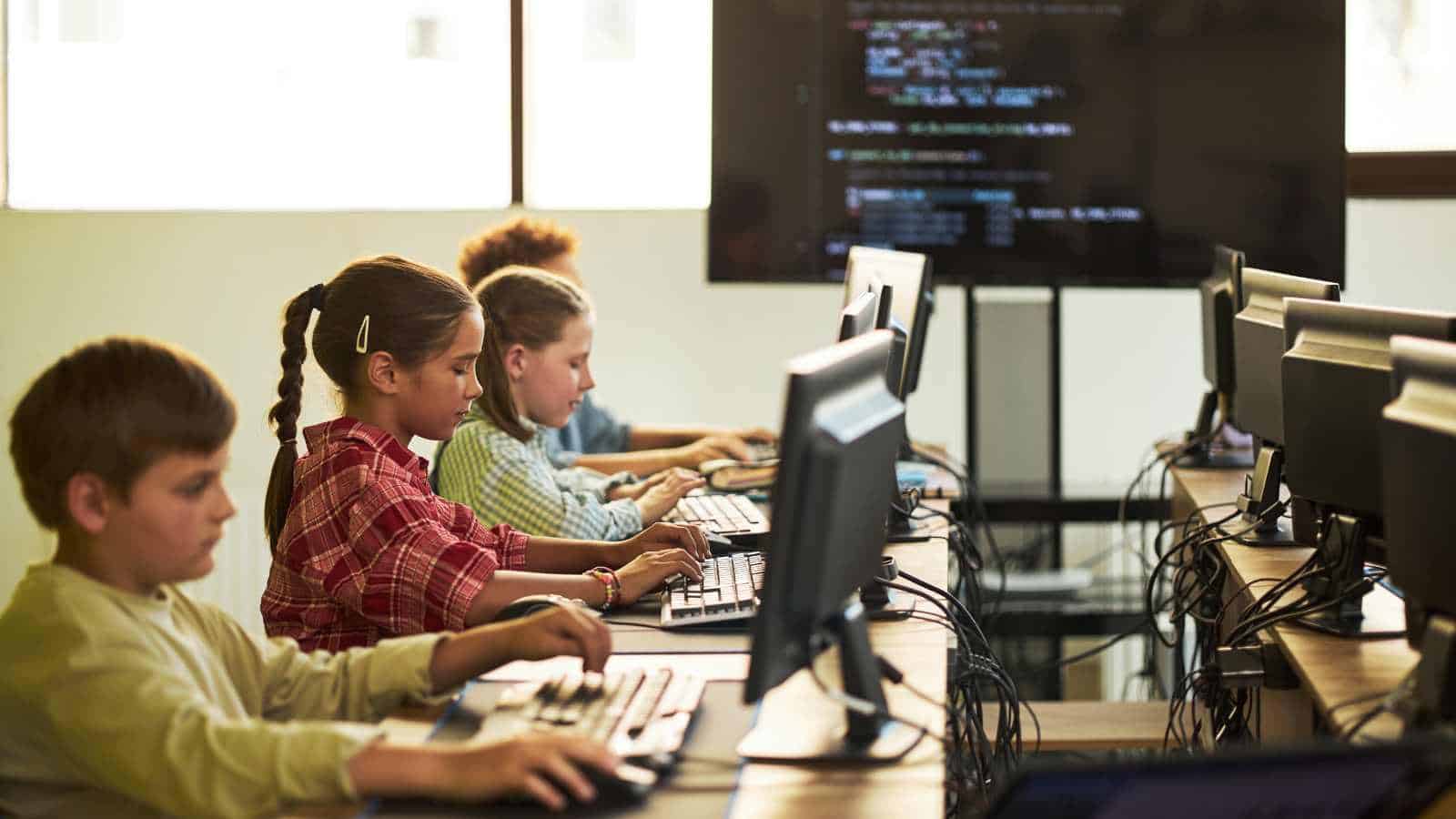
The future of education may not be about choosing between traditional learning and practical skills. Students need strong foundations, but they also need tools that help them navigate real life. This could mean combining academic subjects with lessons about technology, communication, financial decisions, and personal development.
Policymakers and educators who study school reform often argue that making learning feel more relevant to work, daily life, and civic participation is one of the most important steps in rebuilding trust in education.
Key Takeaway
The conversation, sparked by a simple meme about vocabulary, is really about a much bigger question: what should schools prepare people for? Education is meant to give people knowledge, but it is also meant to help them think, communicate, and adapt.
The debate does not mean everything taught in schools has lost value. Instead, it shows that people are asking whether education should better reflect the world students are entering. The words people learn, the skills they develop, and the lessons they carry forward all shape how they move through life.
The challenge is making sure those lessons still matter when the classroom doors open and the real world begins.
Like our content? Be sure to follow us.