Pope Leo just did something very unexpectedly American
A sudden linguistic shift from the Vatican has sent shockwaves through the global sporting community.
On the eve of the 2026 FIFA World Cup, Pope Leo XIV released a message on X that discarded centuries of European convention. By explicitly using the term “soccer” instead of “football,” the newly minted leader of 1.4 billion Catholics broke with deep-rooted Vatican traditions to embrace his native Chicago roots.
A dark horse cardinal breaks the traditional Vatican mold

The election of Cardinal Robert Francis Prevost on May 8, 2025, caught the religious world completely off guard. Leading betting sites placed his chances of ascending to the papacy at a meager 1.2% to 2%.
This unexpected victory made him the 267th Supreme Pontiff and the first-ever American to lead the Catholic Church.
His rapid election reflected a swift consensus among the voting members of the College of Cardinals. According to Roman art history expert Frank Dabell, the conclave operates under strict rules: only 134 of 251 living cardinals are eligible to vote because of the age limit of 80.
This compact voting block quickly chose continuity over a conservative shift.
The pastoral theology of passing the ball
Pope Leo XIV has systematically woven athletic metaphors into his broader spiritual teachings since taking office. During a June 2026 meeting with charity workers at the Church of Sant Agustí in Barcelona, he addressed the tournament’s opening.
The pontiff observed that soccer reminds humanity that life is not a race to be run in solitude, but a path of collective effort.
“Anyone who does not know how to pass the ball, even if they have talent, has not yet understood the game,” the Pope remarked directly to a six-year-old inquirer. This framing elevates teamwork as a fundamental moral virtue.
He argued that selfish stars who refuse to pass prevent others from playing and ultimately cause the entire team to lose.
This message finds real-world application in global grassroots peacebuilding initiatives. For example, Justice and Peace Coordinator Vimbainashe Chiweshe uses sports tournaments to combat crime and polarization in Zimbabwe.
Chiweshe echoed the Pope’s theology, noting that “sport is a tool that’s been tried and tested in peace building” for vulnerable youth.
Shattering diplomatic neutrality on the global stage

Popes traditionally maintain strict neutrality during major international sporting events to prevent alienating national groups. St. John Paul II and Pope Francis famously supported local clubs but avoided taking sides in global tournaments.
Pope Leo XIV took a different route by openly declaring his support for the United States men’s national team.
On the papal flight to Spain, he told reporters he would “certainly support” his country. This candid admission showcased an unpretentious, accessible personality that contrasts with historical papal protocol.
Although he admitted he might not watch many matches due to his schedule, the gesture was intensely American.
Managing intense rivalries from the pitch to the pew
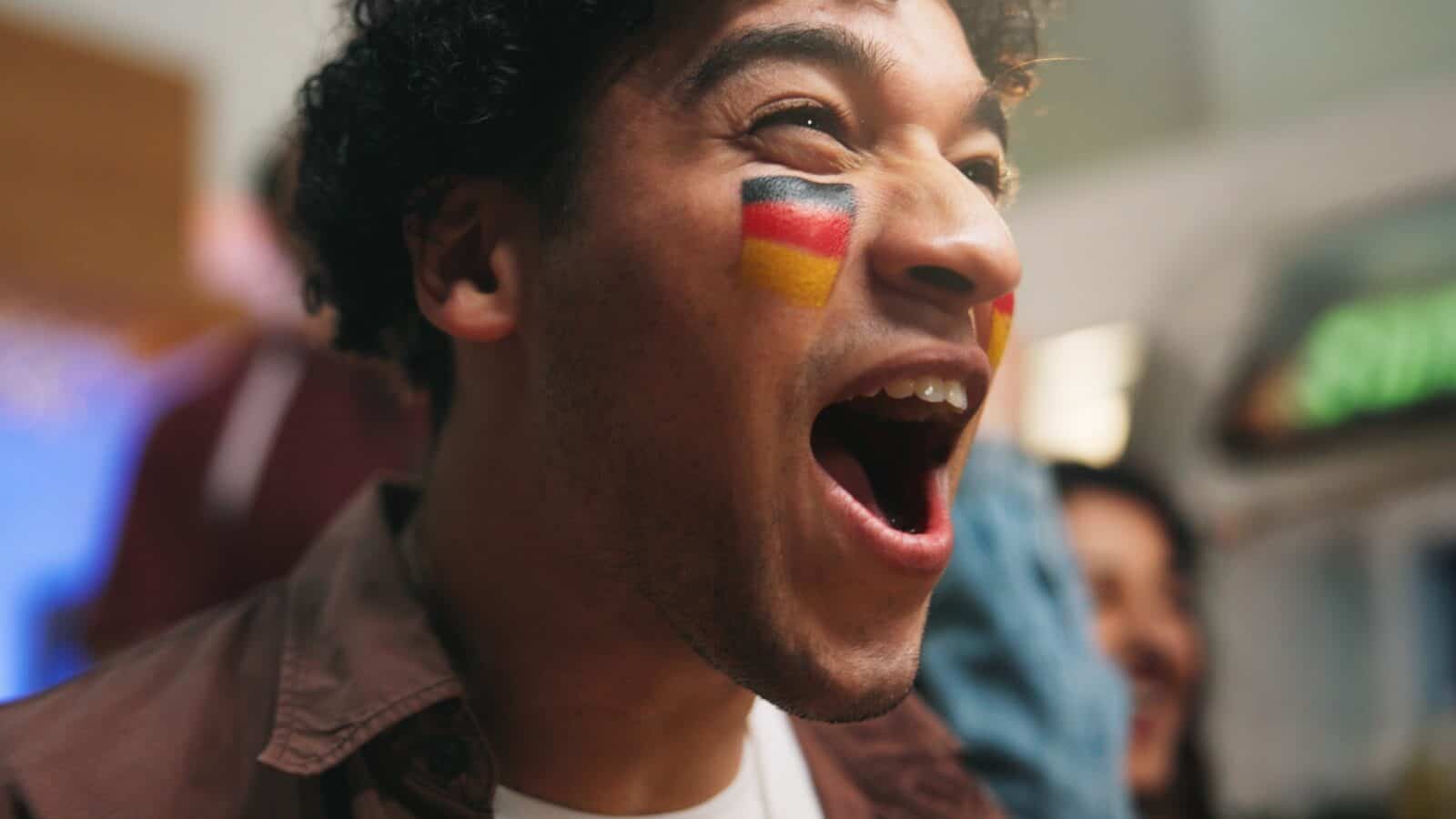
The Pope’s sports-heavy profile also dragged him directly into Spain’s fierce cultural debates. On his flight to Madrid, he playfully weighed in on the classic Real Madrid versus FC Barcelona rivalry.
“The pope is for all teams, but Prevost is for Real Madrid,” he quipped with a smile.
This comment immediately sparked strong reactions across the country. Real Madrid quickly shared the video online, with commentator Tomás Roncero claiming the Pope belonged to a “pure and clean club.“
Conversely, Barcelona office worker Eduard Modroño expressed disappointment, stating that a figure of his stature should not take sides. Despite the controversy, 80,000 Spanish Catholics packed the Bernabéu stadium to cheer the Pope. Dancers kicked soccer balls in the yellow and white colors of the Holy See while chanting “Papa Leon!“
Leveraging soccer to critique economic structures
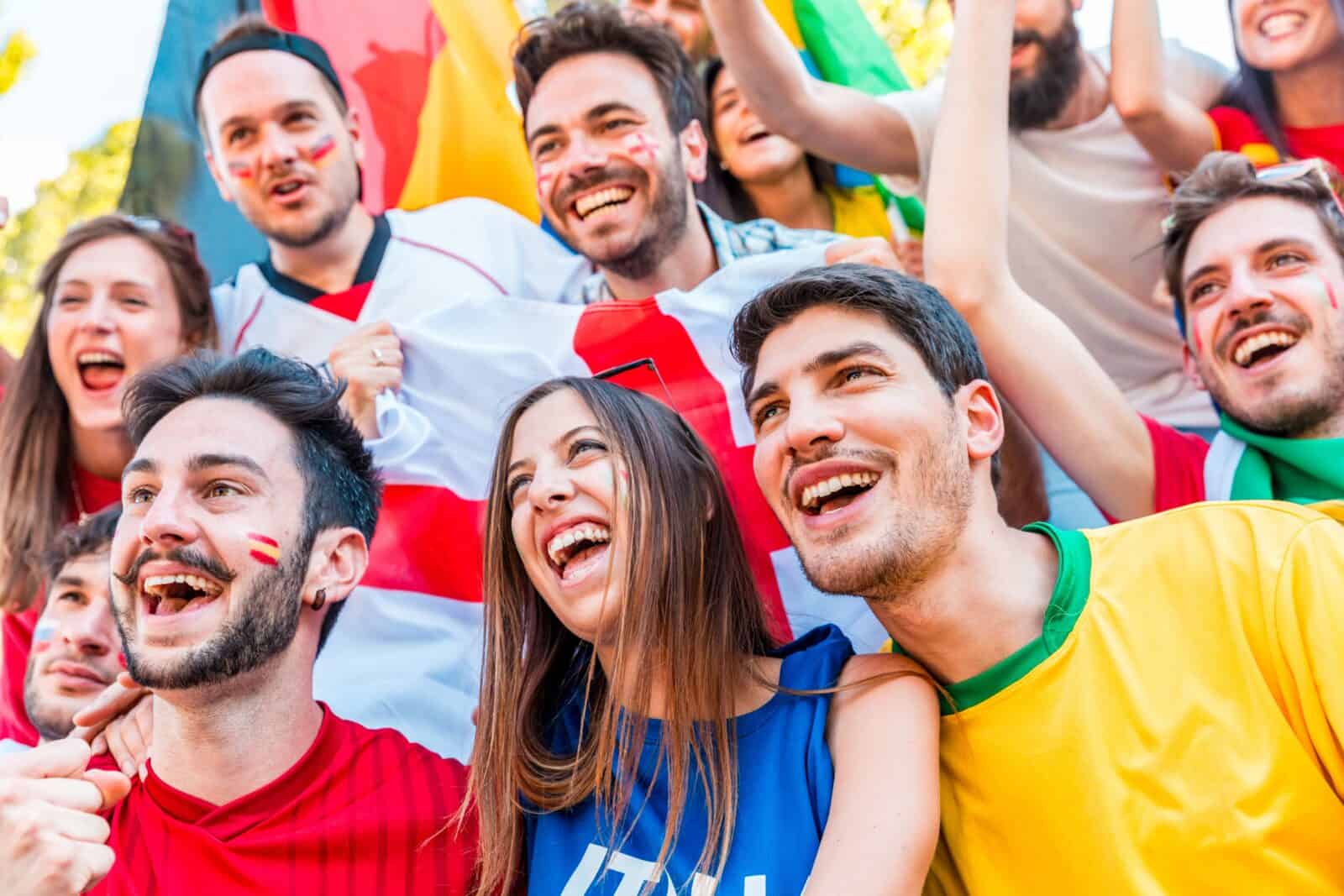
The Pope’s social media messages contained a deeper, more serious diplomatic critique. Immediately after his lighthearted post about soccer, he added a tweet urging Christians to seek the good of those who are suffering.
Observers viewed this as a subtle, targeted rebuke of FIFA’s long-standing issues with corruption and commercialism.
The exorbitant costs of World Cup tickets and transport have drawn sharp criticism from religious advocates. Experts warn that high prices exclude the very families and migrants that sports are meant to unite.
Sabio advisory firm managing partner Bryan Harris noted that engaging with the Pope makes sense, even if his voice alone cannot move massive investments.
Through his encyclical “Life in Abundance,” the Pope continues to champion sport as a tool for peace rather than empty profit. He has consistently used his platform to challenge exploitative industries, from African mineral extraction to commercialized athletics. This calculated strategy uses the immense spotlight of the World Cup to force ethical questions into the mainstream.
The tactical playbook of Pope Leo XIV
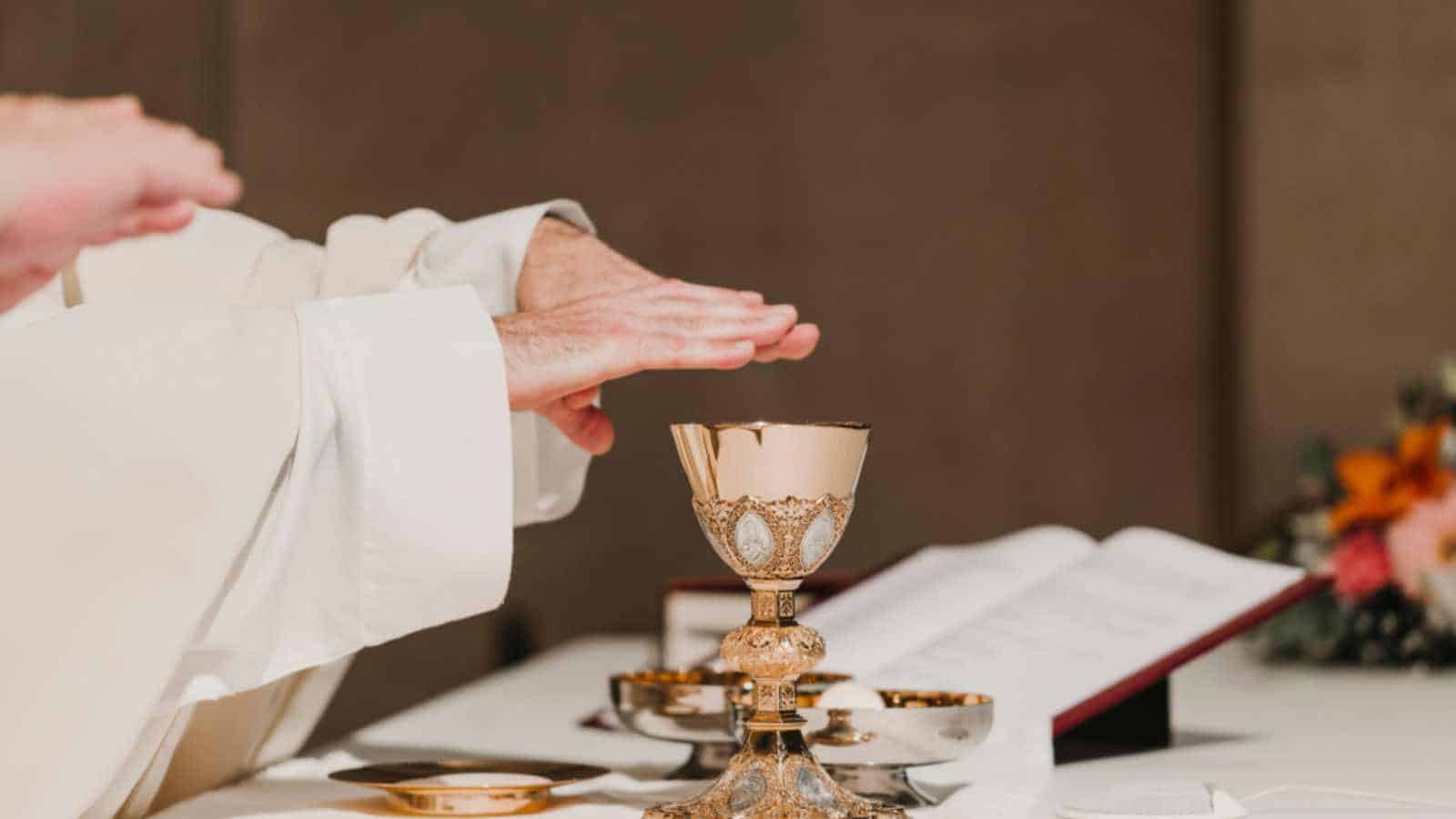
Pope Leo XIV is successfully redefining modern church communication by discarding stiff, formal conventions in favor of relatable cultural touchstones. By leaning into his Chicago heritage, choosing the word “soccer,” and endorsing the US national team, he has humanized the papacy.
Ultimately, his strategy uses the world’s largest sporting event to bypass traditional barriers, teaching that true victory in both life and sport requires running together as a team.
Disclaimer – This list is solely the author’s opinion based on research and publicly available information. It is not intended to be professional advice.
Like our content? Be sure to follow us