How young moms are turning parenting experiences into online influence
A decade ago, parenting advice mostly lived in books, family group chats, or late-night forums. Today, it lives in short-form videos, curated Instagram feeds, and TikTok “day in the life” clips that can reach millions within hours. According to PR Newswire, the global creator economy market is growing at a compound annual growth rate CAGR of 23.3%.
For many young moms, this isn’t just storytelling anymore; it is a source of income, identity, and influence, shaping modern motherhood.
The rise of “mom creators”
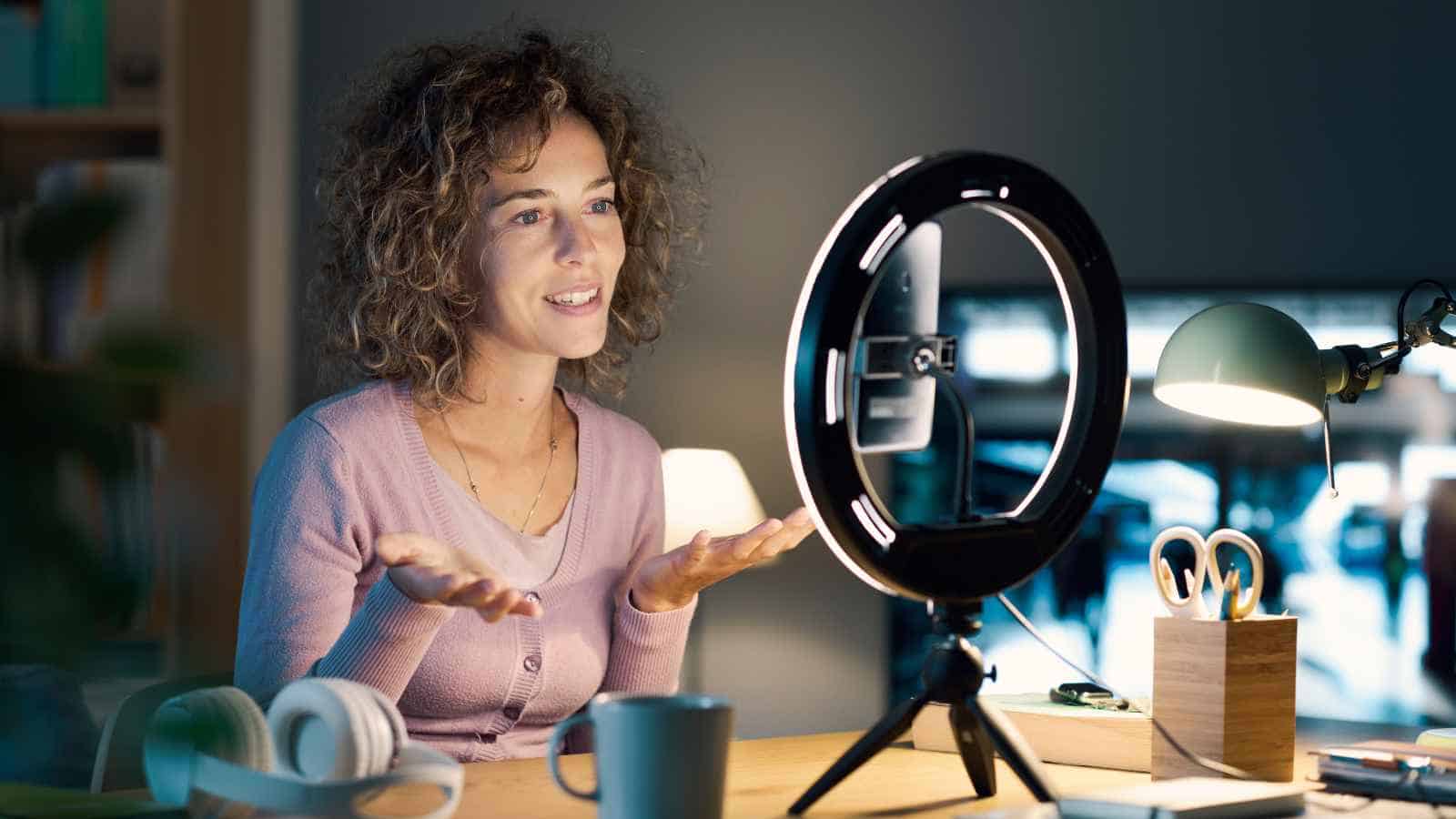
Mom creators are totally reshaping the digital landscape, turning everyday parenting into high-stakes entertainment. Across TikTok and Instagram, millions tune in daily to watch everything from messy pregnancy realities to chaotic toddler routines. It’s raw, it’s relatable, and it completely blows traditional media out of the water.
According to DataReportal’s Essential TikTok Stats, TikTok’s audience has surpassed 1 billion users. Within this ecosystem, “mom influencers” document everything from pregnancy journeys to toddler routines, often building audiences that rival traditional media. Because social media usage among U.S. adults is already vast, these creators tap directly into an ultra-connected audience eager for community.
Trust over polish

Perfection isolates; vulnerability connects. This truth anchors the modern creator economy. Young mothers wield massive digital influence because they swap flawless production for unfiltered reality. When tracking infant health routines or choosing childcare products, audiences bypass polished corporate commercials. Instead, families crave raw peer guidance.
This psychological shift converts simple video clips into ironclad bonds. Modern parents actively buy what they can relate to, viewing shared sleepless nights as proof of credibility. Viewers crave this genuine camaraderie, transforming routine daily vlogs into essential survival guides for navigating the beautiful chaos of raising children.
Parenting meets the creator economy

Viral clips capture diaper changes, but they actually signal a massive financial revolution. MDPI data reveals that the global influencer marketing industry was valued at approximately $21.1 billion in 2023. Remote work and flexible gigs empower mothers to fuse childcare with digital content creation. This integration transforms hectic daily routines into lucrative media empires.
Cluttered nurseries become production studios. Motherhood is no longer confined to living rooms; it dominates feeds, rewriting old rules of entrepreneurship. Audiences watch toddlers launch brands while algorithms fuel breadwinners.
Also on MSN: Parenting in the age of uncertainty: what raising kids looks like now
Why motherhood content goes viral
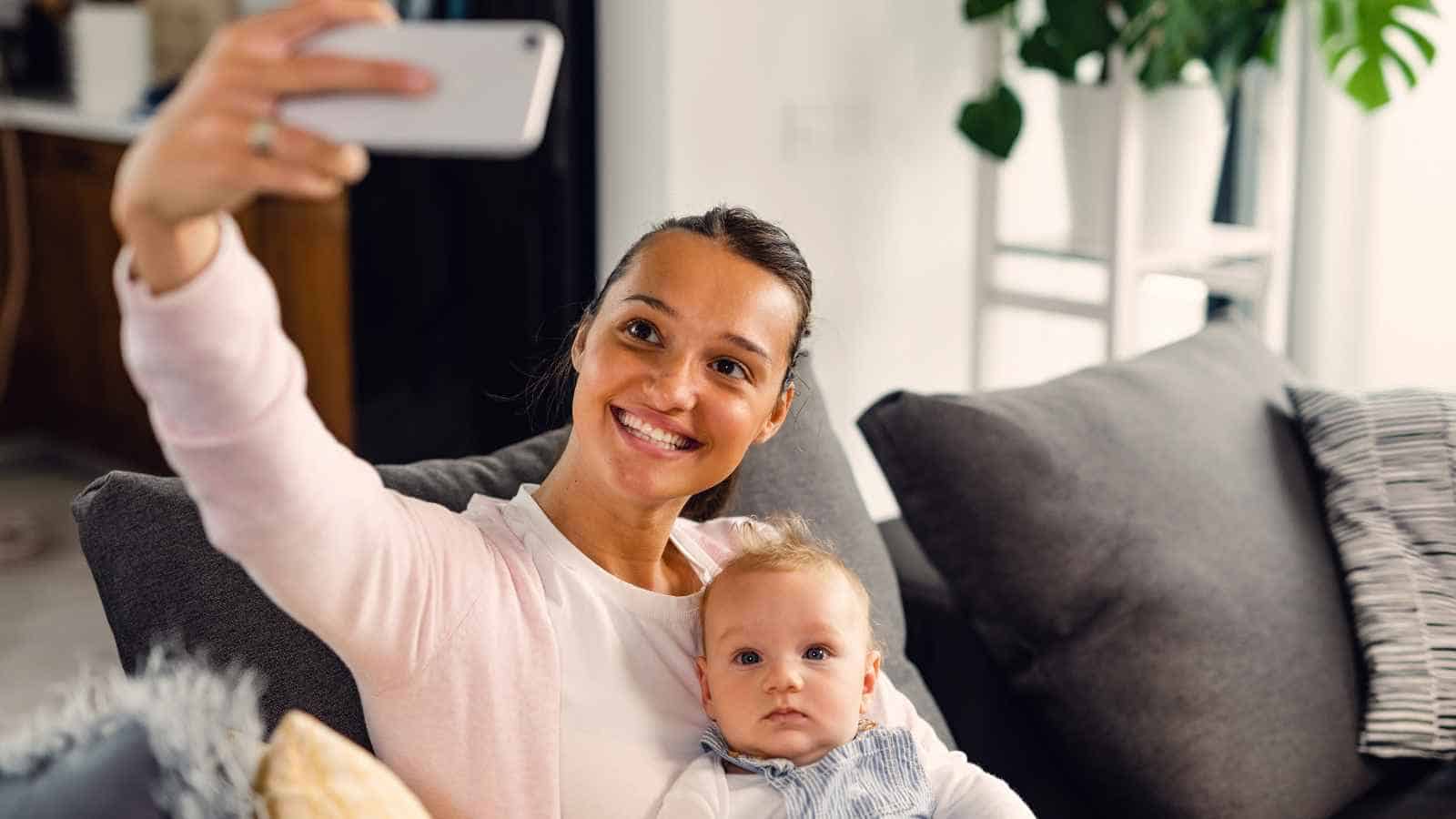
Screen fatigue dissolves the moment a mom locks eyes with a video capturing her exact morning chaos, spilled milk, toddler meltdowns, and a cold cup of coffee. This raw, unfiltered vulnerability transforms ordinary clips into digital wildfire. Instead of scrolling past pristine, polished lifestyles, audiences crave authentic survival humor and messy living rooms.
Social platforms reward these shared emotional releases, pushing highly digestible family stories directly to millions of global feeds. Viewers don’t just watch; they instantly tag friends, saving and repeating clips that mirror their daily lives.
From diaper changes to brand deals
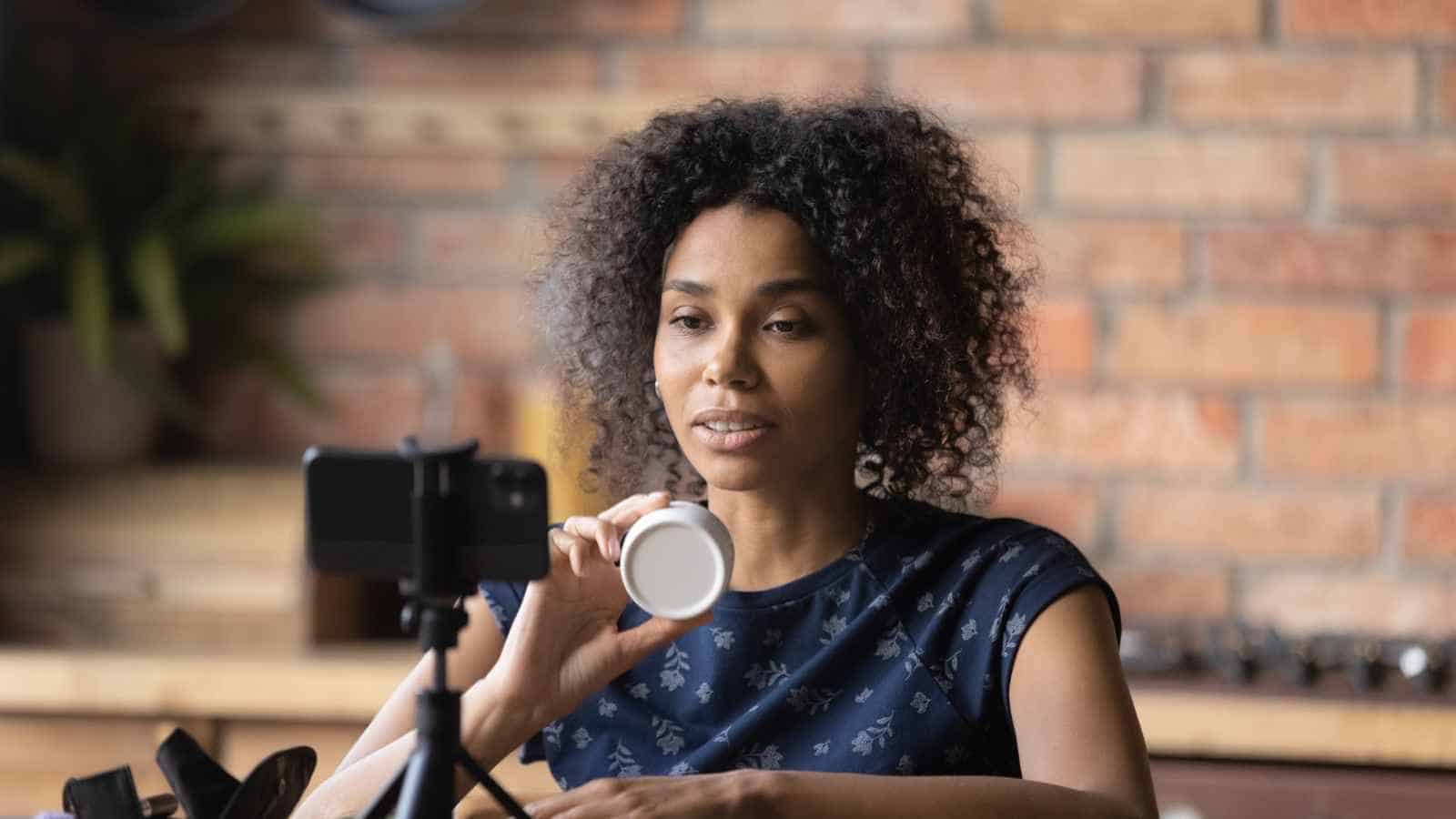
From messy diapers to lucrative brand partnerships, casual family clips can quickly become serious business. Parenting influencers command huge market authority because they drive everyday household spending.
Data from Child Care Aware of America reveal a striking benchmark: the national average cost of child care in the U.S. is about $13,128 annually for a single child. That massive financial footprint easily explains why major companies ditch boring traditional commercials. Instead, smart corporate brands pour cash directly into top mom creators who rule vital consumer sectors like nutrition, education, and infant gear.
Empowerment or pressure?

Behind the flawless aesthetics of mom influencers lies a fierce debate over ethics and boundaries. While sharing the highs and lows of parenthood creates community, it simultaneously commodifies the daily lives of children for digital profit.
Critics warn that constant filming turns private developmental milestones into a public performance. With COPPA regulations restricting the collection of under-13 data, the legal system is finally forcing a reckoning over digital exposure. As brands flock to family channels, the line between authentic storytelling and continuous exploitation vanishes entirely, leaving audiences to question the true cost of a curated childhood.
The social shift: Why this matters now

The growth of parenting influencers is happening alongside a broader cultural shift toward “everyday visibility.” Surveys from the Pew Research Center show Facebook continues to be one of the most widely used social platforms among Americans, with platform penetration holding steady at 71% of U.S. adults, where family updates and parenting stories still perform strongly despite newer platforms emerging.
This suggests that parenting content is not just a trend on TikTok; it is embedded across multiple generations and platforms. The result is a hybrid culture where personal milestones like feeding schedules or school runs become part of a global content stream.
Authentic life vs curated motherhood

Mom influencers face a fierce battle between real life and curated performance. Audiences crave messy, unfiltered parenting, yet social algorithms constantly reward flawless aesthetics and high engagement metrics. This creates a fascinating paradox. As a result, the more relatable a video feels, the more strategic its production becomes behind the camera.
Influencers weaponize vulnerability as a marketing tool. They meticulously plan chaotic mornings and schedule breakdowns to drive revenue. Your stats prove it: the tension between performance and authenticity remains the most debated aspect of digital motherhood.
Key takeaway
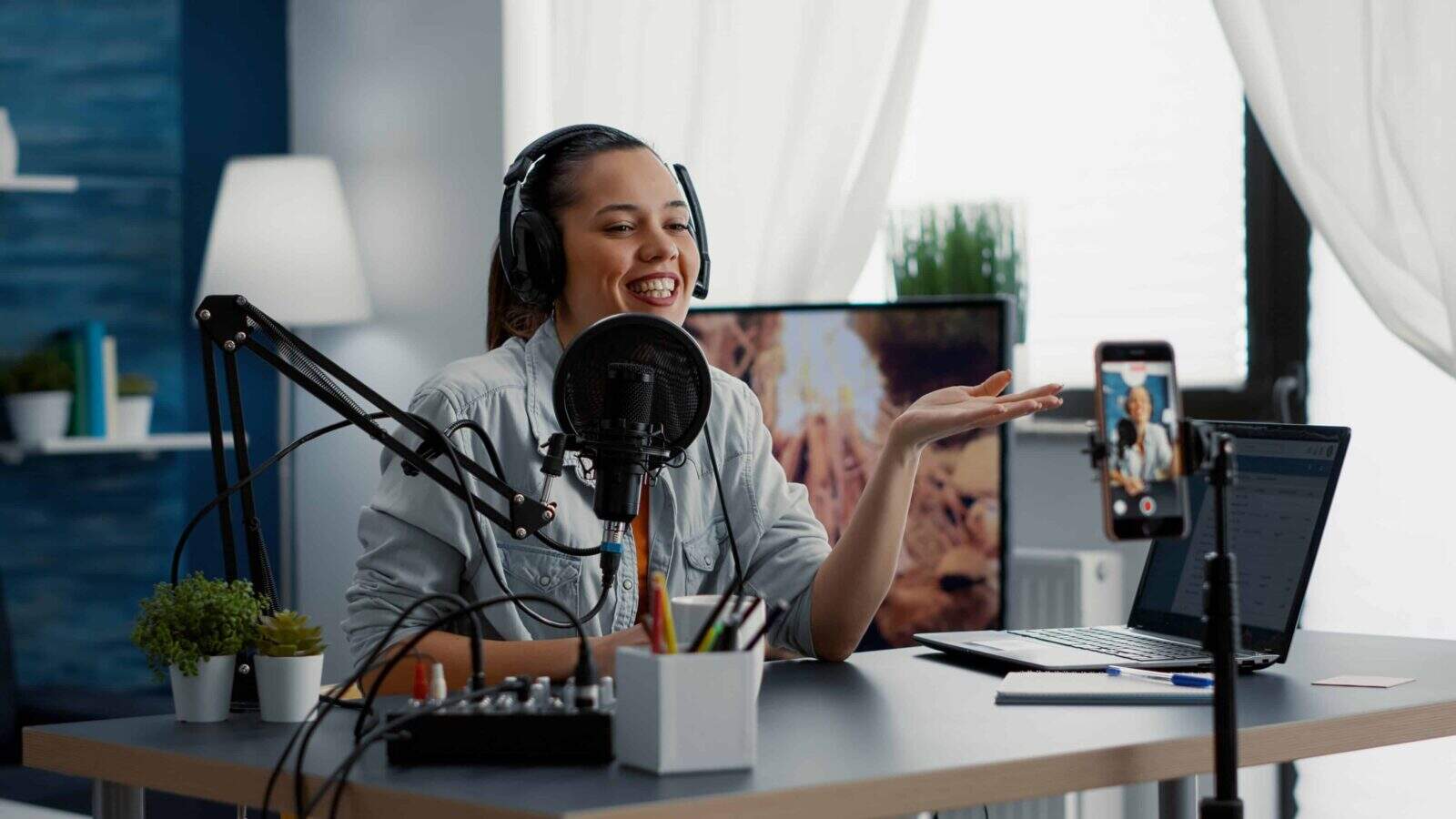
Forget traditional parenting books; a digital revolution swiftly flips how society maps matrescence. Young creators now transform daily chaotic routines into profitable businesses, successfully blending private family milestones with public entertainment.
These women forge rare identities while pocketing serious revenue, proving modern maternal bonds double as highly engaging media products. This shift drags upbringing from quiet domestic reality straight onto global stages where audiences actively co-author an experience.
Disclaimer – This list is solely the author’s opinion based on research and publicly available information. It is not intended to be professional advice.
Like our content? Be sure to follow us