10 tactical ways to teach your child self-control
The path to a child’s future wealth and health doesn’t start with high IQ scores, but with the simple ability to resist a marshmallow. Children with high childhood self-control are significantly less likely to face financial ruin, addiction, or criminal records.
Developing this mental muscle early is the most powerful intervention a family can make to guarantee a successful, thriving life. According to neuroscientist Dr. Adele Diamond, early executive functions actually predict academic success better than traditional IQ tests.
Self-discipline is a distinct trait, separate from shared family background or genetics. Fortunately, because these brain functions are highly malleable, consistent practice can completely reshape a child’s future.
Use visual timers to ground transitions

Abstract concepts like time often trigger immense frustration and anxiety in young minds. When a child cannot map out a daily plan, completing routine tasks can feel incredibly overwhelming. A study by Florida Atlantic University found that toddlers showed a massive increase in self-regulation when a visual timer was used.
Visual timers make abstract time concrete by using a disappearing colored disk. These timers significantly reduce transition anxiety and help kids focus on finishing their tasks. Combining a countdown timer with a structured “Get Ready, Do, Done” plan teaches children to manage their own schedules.
Play active movement games

Movement games are a fantastic, low-cost way to teach physical and behavioral self-regulation. In the classic Freeze Game, children dance to music and must stop instantly when the beat drops. This playful activity forces the brain to practice response inhibition in real-time.
Research demonstrates that preschoolers in an eight-week movement playgroup showed substantial gains in self-regulation. These children even achieved higher gains in early letter-word recognition than their peers. Adding variations, such as holding up a picture of a stick-figure pose for kids to mimic when they freeze, challenges working memory.
Limit daily screen media exposure

Excessive screen time poses a direct threat to a toddler’s developing attention span. The STRONG Kids 2 cohort study of 356 toddlers found that limiting screen time to under 60 minutes daily boosts inhibitory control. Toddlers exceeding this limit showed much poorer overall executive function and cognitive flexibility.
Currently, only about one-third of US children aged 2 to 5 meet the recommended guideline of less than an hour of daily screen time. For older kids, average screen time skyrockets to four to six hours per day. Restricting digital media is a highly controllable environmental factor that protects early brain development.
Play tabletop impulse-control games

Play is the perfect low-stakes canvas for practicing self-control. As Swiss psychologist Jean Piaget noted, play is the ultimate answer to how anything new comes about. Classic tabletop games like Jenga and Uno naturally train impulse control and working memory.
Jenga demands slow, controlled physical movements, directly building the cognitive brakes needed for emotional restraint. Meanwhile, card games like Hearts and Rummy require kids to adapt to changing rules and think flexibly. These play-based moments teach children to make short-term sacrifices in pursuit of long-term goals.
Model healthy coping and mistake-making

Children absorb their parents’ emotional tones long before they process spoken words. Dr. Lisa Brown warns that children who set impossibly high standards are prone to toxic negative self-talk. Adults can counter this vulnerability by openly modeling realistic, non-anxious coping strategies.
If an adult accidentally burns a meal, they should avoid screaming. Instead, saying “I messed up this dish, but it won’t stop me from cooking” models healthy resilience. Catching mistakes and verbally reframing them in front of kids is a massive teachable moment.
Encourage daily physical play

Regular physical activity is a highly effective way to naturally boost executive function. Toddlers who engage in daily physical exercise show significantly greater working memory. Dr. Adele Diamond highlights that sports, dance, and martial arts are essential for school success.
These structured activities require split-second responses, focused attention, and intense discipline. Additionally, positive movement experiences flood the prefrontal cortex with dopamine, which optimizes brain function. Prioritizing active play reduces loneliness and stress, which are the first things to disrupt self-control.
Use visual coping strategy cards
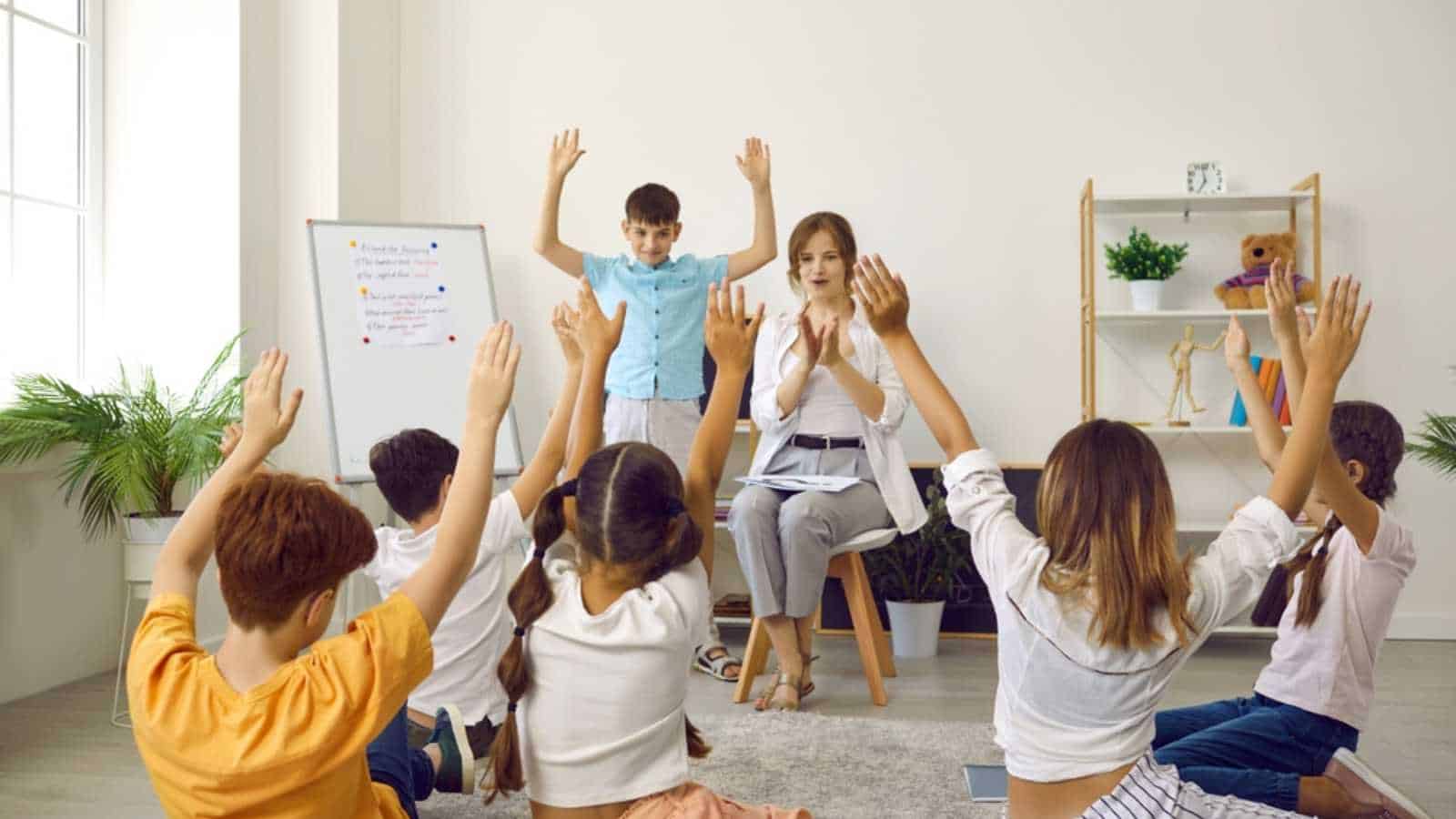
When big emotions strike, a child’s logical thinking immediately takes a back seat. Visual breathing strategy cards provide a concrete, portable tool to help kids calm down. Cards depicting “Rainbow Breathing” or “Hot Cocoa Breathing” guide children through physical relaxation.
These sensory breaks allow kids to regulate their own bodies independently. Somatic coping skill cards help children connect physical sensations to their emotions without judgment. Giving kids a physical deck of coping cards empowers them to manage transitions and stress on their own.
Play cognitive shifting card games

Cognitive flexibility is the vital skill of adapting to unexpected changes. Games like Uno, Hearts, and Memory Chess are fantastic for practicing this mental agility. Players must keep the rules in mind as they update their strategies in real time.
This constant mental shifting strengthens the prefrontal cortex, which isn’t fully mature until the mid-20s. Dr. Adele Diamond’s research shows that practicing these rules helps prevent kids from going on autopilot. Building this cognitive flexibility makes children much more adaptable in school and social settings.
Practice structured role-playing
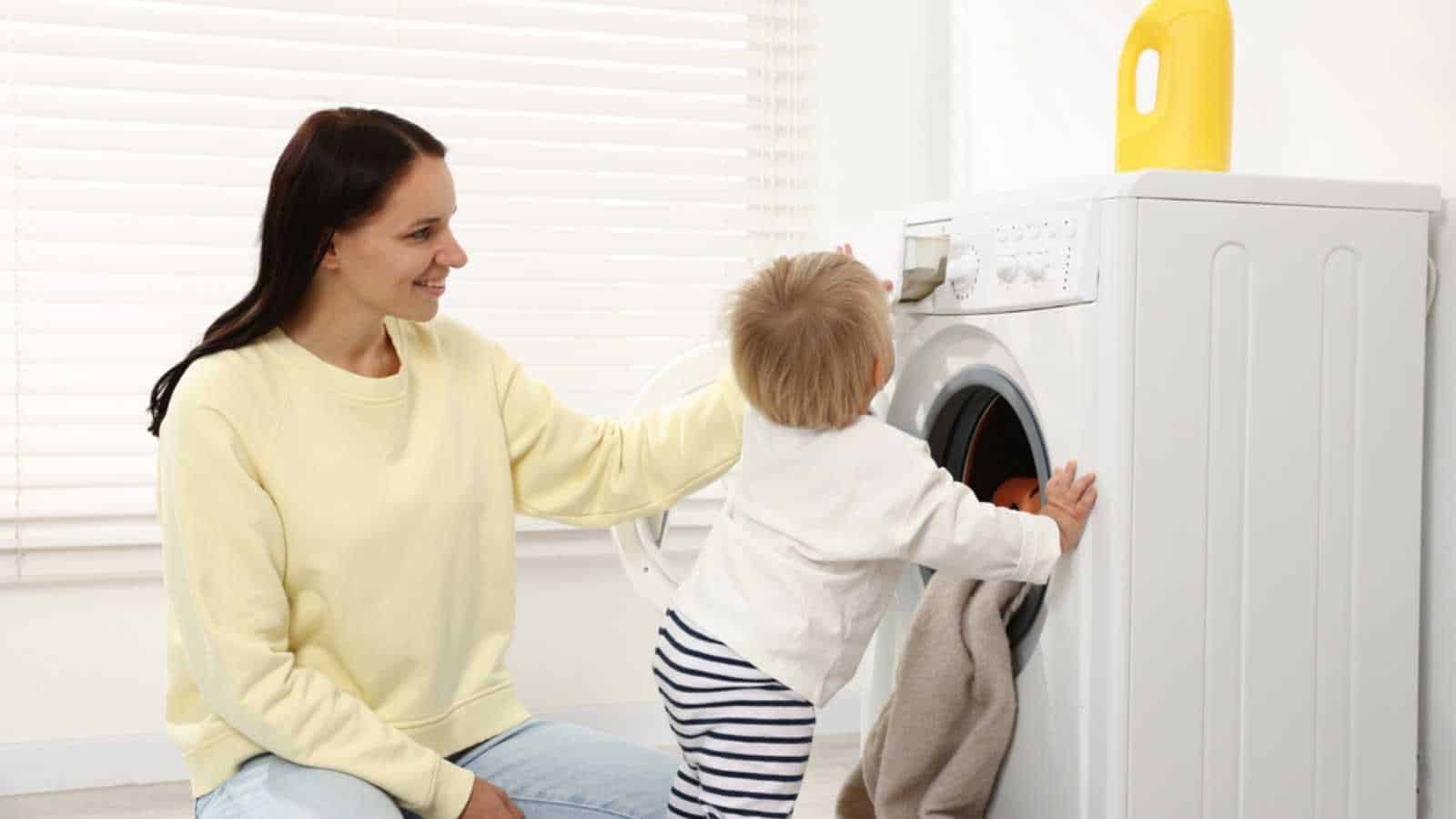
Emotional intelligence and impulse control always go hand in hand. Role-playing everyday scenarios lets children safely practice their reactions. For instance, acting out an argument with a friend teaches children how to pause and think before reacting.
Taking turns playing different roles builds empathy and perspective-taking. It serves as a “dress rehearsal” for handling stressful situations in the real world. This low-pressure practice helps kids become comfortable with the big feelings that trigger impulsive outbursts.
Lead children out of chaos with adult calm

A dysregulated child cannot think logically or learn new behaviors. The parenting expert @dr.siggie notes that a child cannot lead an adult into chaos; the adult must lead them out. A parent’s primary job is not to control a child’s emotions, but to control their own.
Instead of yelling during a meltdown, staying firm and calm demonstrates that the situation is safe. The therapist Eli Harwood reminds us that calmness is a skill developed by feeling emotions rather than ignoring them. Sharing adult calm serves as a safe anchor, teaching children how to regulate their own internal storms.
Key takeaway
Self-control is a mental muscle that grows stronger with consistent, playful practice. By implementing visual timers, restricting screen time, playing active games, and modeling calm as adults, families can set children up for long-term success. This intentional, positive scaffolding is the ultimate investment in a child’s future health, wealth, and happiness.
Disclaimer – This list is solely the author’s opinion based on research and publicly available information. It is not intended to be professional advice.
Like our content? Be sure to follow us