Two MorningStar Farms’ frozen meat alternatives sold nationwide recalled due to plastic contamination
A routine frozen dinner can change its meaning instantly when trust in what’s inside the package is quietly broken.
Millions of Americans checking their freezers for a quick and healthy weeknight dinner might want to pause and carefully review their recent grocery hauls before firing up the oven or the air fryer.
MorningStar Farms recently issued a nationwide voluntary recall for two of its highly popular frozen meat alternatives due to potential plastic contamination discovered by sharp-eyed shoppers.
Finding foreign materials lurking in your food is always a jarring experience, and this unsettling incident highlights the incredible challenges and potential pitfalls of modern commercial food manufacturing.
Identifying The Specific Meat Alternative Products Affected
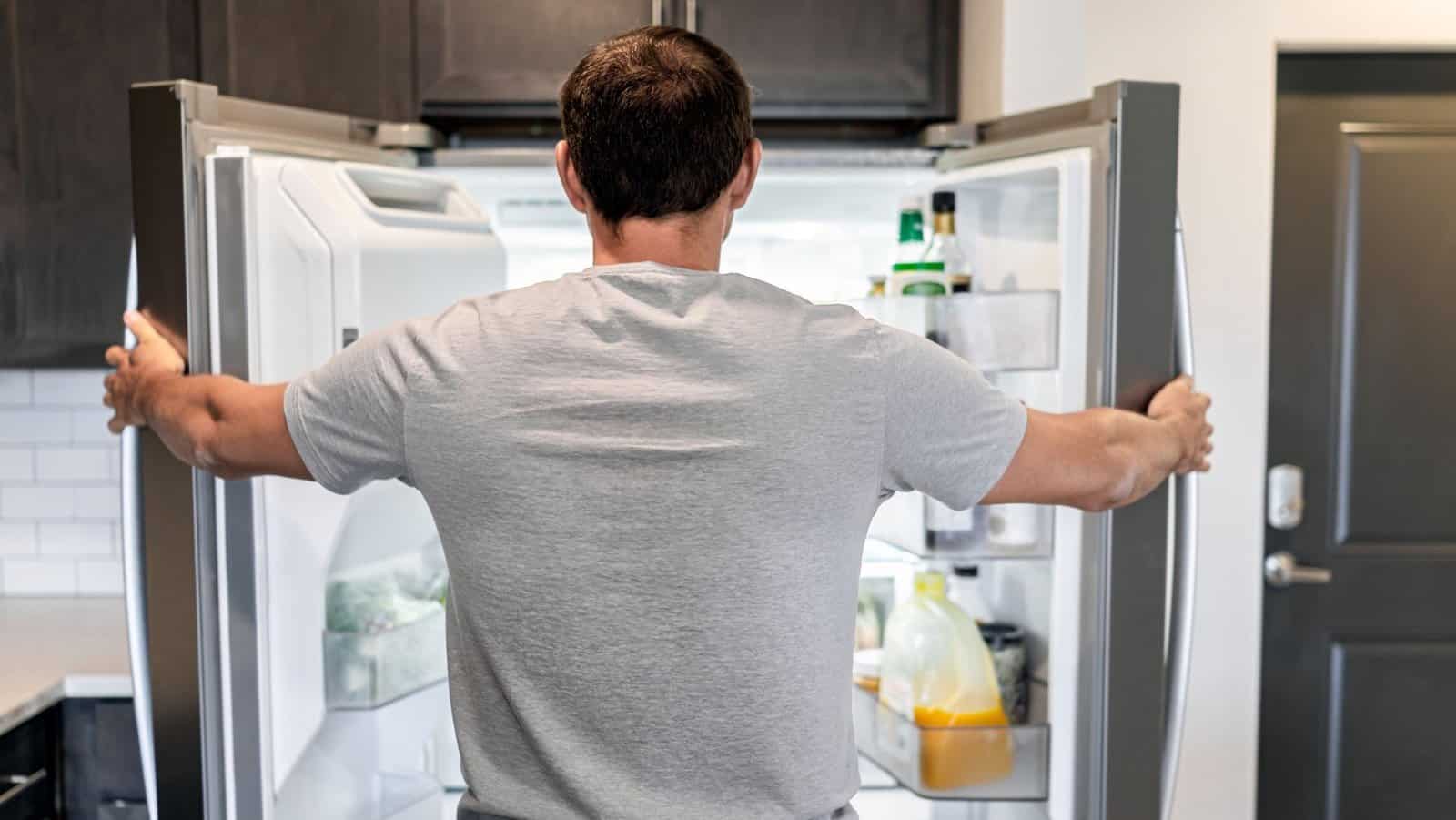
The recent safety alert specifically targets two widely purchased frozen plant-based products from the beloved MorningStar Farms brand that might currently be sitting in grocery store freezers nationwide.
Consumers need to immediately look out for the Buffalo Chik’n Nuggets sold in ten-and-a-half-ounce bags and the Hot and Spicy Sausage Patties sold in eight-ounce packages.
These specific vegetarian items bearing best-by dates in early July 2027 are the only foods included in the recall, meaning all other breakfast offerings and veggie burgers from the company remain perfectly safe to consume with your family.
This targeted withdrawal was officially announced on June 18, 2026, and subsequently published by the United States Food and Drug Administration to maximize public awareness and prevent any potential dinner table disasters.
The global plant-based meat market was valued at an impressive $8.5 billion in 2024 and is projected to reach an astounding $51.3 billion by 2034, which completely explains why a recall of this massive magnitude captures so much national media attention.
Because millions of busy households rely on these quick and easy protein sources for their daily meals, grocery chains across the entire country have rapidly pulled the contaminated batches from their brightly lit display cases.
Examining The Root Cause Of Plastic Contamination Incidents
Food processing facilities utilize massive industrial machinery filled with countless moving parts, and occasionally, a small piece of equipment can break off and accidentally enter the production line completely undetected by quality control sensors.
Plastic pollution Coalition reports show that plastic is a major cause of all foreign matter food recalls, making it the absolute most common contaminant found in commercial food production facilities today.
Although the parent company has not disclosed the exact mechanical failure that caused this unfortunate issue, loyal customers began reporting small pieces of hard plastic inside their frozen vegetarian meals.
Eating any random foreign object poses significant health risks for everyday consumers, especially young children and elderly individuals who might struggle with swallowing or face the terrifying prospect of internal injuries.
Nobody has reported any actual injuries or stomach illnesses from the affected MorningStar Farms batches just yet, but the company chose to bite the bullet and act swiftly out of an abundance of caution.
Manufacturers take these consumer complaints extremely seriously because a single sharp plastic fragment can cause severe choking hazards or incredibly painful lacerations in the sensitive human digestive tract.
Assessing The Financial Footprint Of The Plant-Based Industry
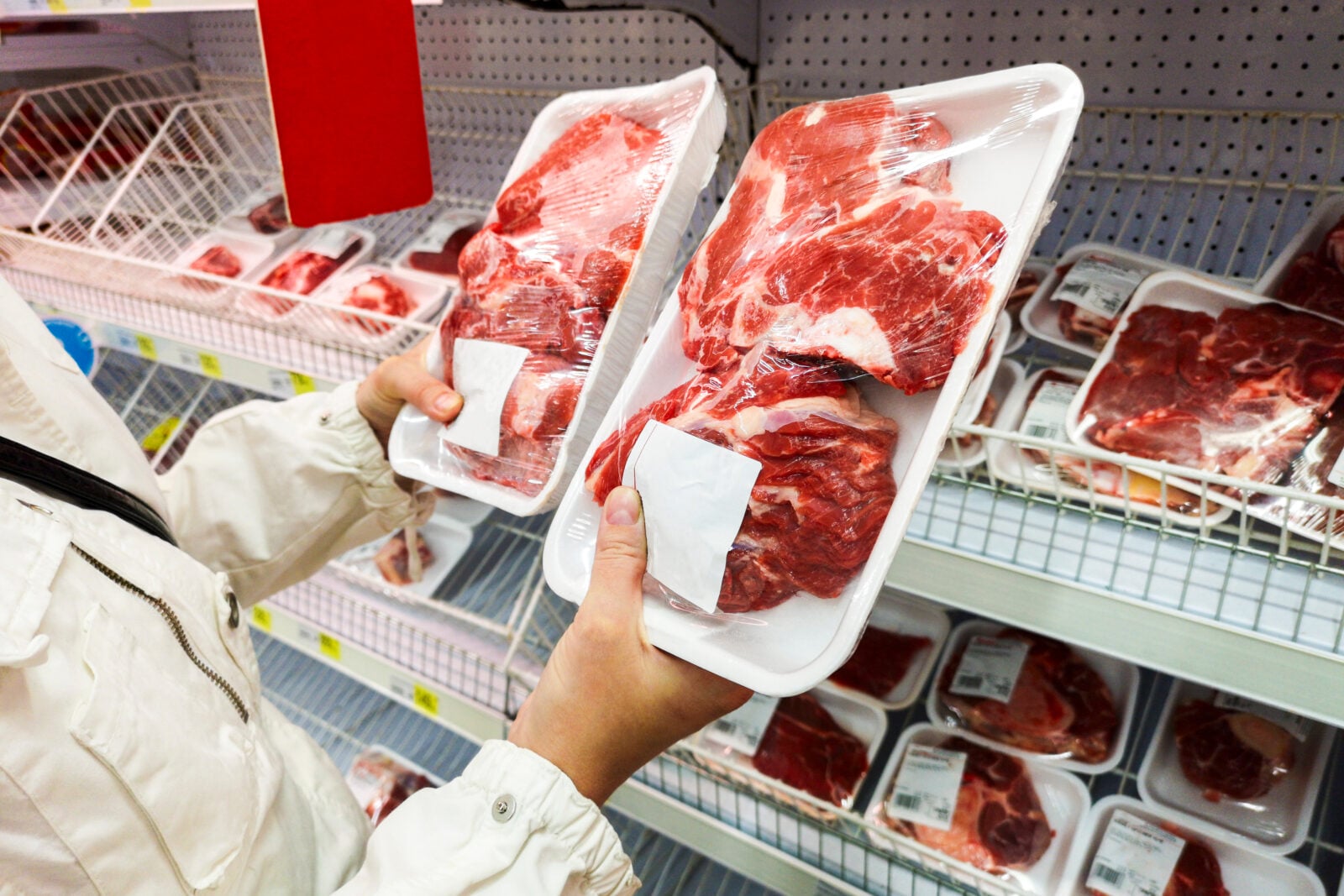
This particular recall occurs against the fascinating backdrop of a booming alternative protein sector where major corporations compete fiercely tooth and nail for limited grocery store shelf space and consumer loyalty.
In 2025, 60% of United States households bought plant-based foods, showcasing just how incredibly mainstream these alternative meat options have become in standard American diets over a relatively short period of time.
Companies invest heavily in building deep trust with their vegetarian customer base, and processing errors that result in widespread product retrievals can cost millions of dollars in lost revenue and logistical shipping expenses.
Despite these occasional frustrating manufacturing hiccups, the demand for sustainable and cruelty-free dining choices continues to climb steadily across almost every single demographic and age group in the country.
According to the Good Food Institute, the United States retail market value of plant-based foods recently hit approximately $7.9 billion, reflecting massive sustained growth and undeniable consumer enthusiasm for Meatless Mondays.
Shoppers are clearly willing to look past temporary supply chain issues as long as their favorite brands remain completely transparent and highly proactive about correcting any dangerous safety defects.
Tracking The Rising Popularity Of Meat Substitutes Nationally
Vegetarian and vegan diets are no longer considered a fringe lifestyle choice, as an increasing number of traditional meat eaters enthusiastically incorporate vegetable proteins into their weekly culinary routines to stay healthy.
Everyday people are actively choosing these convenient frozen options for the perceived health benefits, environmental sustainability, and surprisingly accurate flavor profiles that closely mimic actual animal products without the associated guilt.
This growing mainstream acceptance means that a sudden product recall at a major manufacturer directly impacts a massive and highly diverse cross-section of the American grocery shopping public.
Plant-based meat currently holds a United States home penetration rate of 17.5%, alongside a rock-solid repeat purchase rate of over 62%, proving that hungry families keep coming back for more meatless magic.
Major retail giants like Walmart and Target stock these items prominently because their loyal shoppers completely expect to find easy, delicious, and safe vegetarian substitutes during their regular weekly shopping trips.
Taking Immediate Action For Consumer Safety And Refunds

Shoppers who, unfortunately, discover the recalled Buffalo Chik’n Nuggets or the Hot and Spicy Sausage Patties lurking in the back of their freezers must absolutely refrain from cooking or eating them under any circumstances.
You should throw the contaminated products into the garbage immediately or return them directly to the original place of purchase for a complete and incredibly hassle-free monetary refund from the store manager.
Even if the frozen food looks perfectly normal to the naked eye, the microscopic hidden risks of accidentally ingesting plastic fragments are simply too high to justify taking a wild chance on your dinner.
For additional guidance or highly specific questions regarding the official refund process, MorningStar Farms has generously set up a dedicated customer service hotline available Monday through Friday during regular business hours.
Consumers can conveniently call or send a quick text message directly to the company’s consumer affairs department to speak with a friendly representative who can process their financial reimbursement without a hitch.
The brand sincerely promises to compensate everyone impacted by this unfortunate manufacturing oversight while actively upgrading its internal quality control procedures to absolutely prevent similar mechanical accidents from ever happening in the future.
Like our content? Be sure to follow us