New SNAP rules could alter what shoppers buy and big food brands are watching closely
Federal food aid is entering a new era as states redraw the rules on what millions of Americans can put in their grocery carts.
The 2026 SNAP changes represent one of the biggest shifts in grocery shopping in recent memory. Federal legislation signed in 2025 shifted the landscape, and now a slew of state-level waivers are actively reshaping what Americans can purchase.
This isn’t just about politics; it’s a massive logistical challenge that directly affects how millions of families eat and how major food companies do business. Brands, retailers, and consumers are bracing for impact.
The Death of the Soda Subsidy
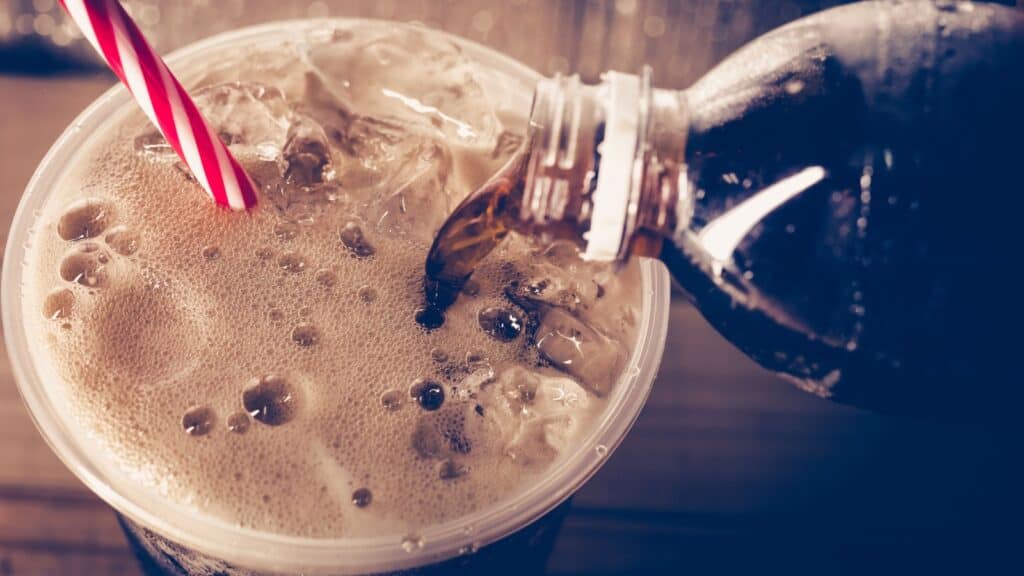
Twenty-three states had the USDA approval to ban the purchase of soda and soft drinks using SNAP benefits. This shift, set to begin rolling out broadly in 2026, marks a significant departure from long-standing policy. States like Colorado, Florida, and Idaho are leading the charge, effectively cutting off taxpayer funding for sugary beverages.
This is a massive headache for beverage giants. A federal district court recently blocked bans in five states, highlighting the legal battles to come, but the momentum is clear. Manufacturers are now scrambling to adjust to a fractured market where a Coke is SNAP-eligible in one state but banned just across the border.
Candy Aisles Face the Crunch
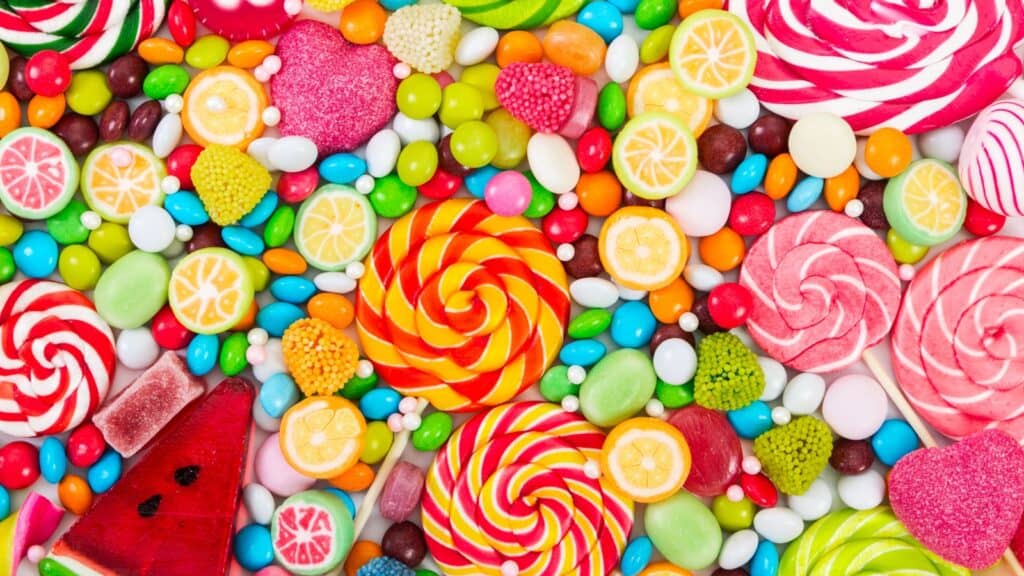
Candy is also on the chopping block in many states, alongside soda. SNAP recipients in states like Texas are no longer able to use their EBT cards to buy candy. This restriction fundamentally alters impulse buying at checkout counters.
Candy companies are watching closely. The definition of “candy” varies wildly—for instance, baking chocolate might be allowed while a Hershey bar is not. This inconsistency creates a compliance nightmare for grocers trying to program their point-of-sale systems.
The Prepared Dessert Debate

Several states, including Florida and Missouri, are taking the restrictions a step further by banning “prepared desserts.” This targets pre-packaged sweets that are ready to eat, moving beyond just the candy aisle. This means that a frozen pie or a box of pre-made cookies might soon be off-limits.
The problem lies in drawing the line. Where does a snack end and a prepared dessert begin? Food brands are pushing back, arguing that the rules are too vague and will lead to widespread confusion for both shoppers and store clerks.
Energy Drinks Lose Their Spark
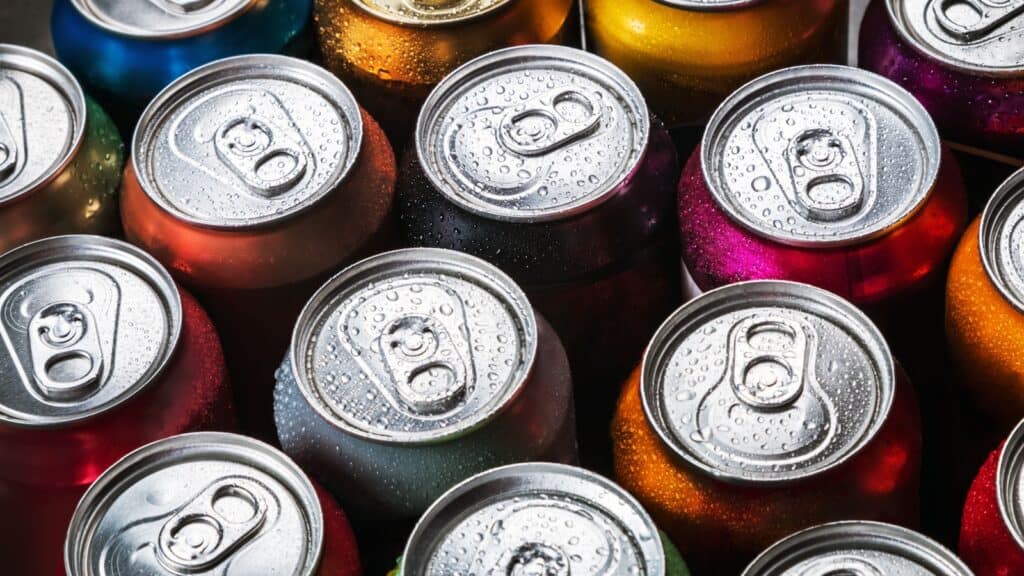
Energy drinks are consistently targeted in the new state waivers. North Dakota 403, for example, is banning energy drinks containing stimulants. This strikes a blow to a rapidly growing beverage category that relies heavily on convenience store sales.
The ban is straightforward in theory but complex in practice. The distinction between an “energy drink” and a heavily caffeinated coffee or tea beverage can be blurry. Brands are likely to challenge these definitions as the rules take effect.
The State-by-State Patchwork

The most challenging aspect of these changes is the lack of uniformity. Instead of a federal mandate, we have 22 different sets of rules rolling out on different timelines. A product accepted in one store might be declined just a few miles away, depending on state rules and where the scanner is located.
This patchwork system is a nightmare for supply chains. Food manufacturers must now navigate a maze of state-specific regulations, making it difficult to plan inventory or launch national marketing campaigns that rely on SNAP eligibility.
Retailers Bear the Burden
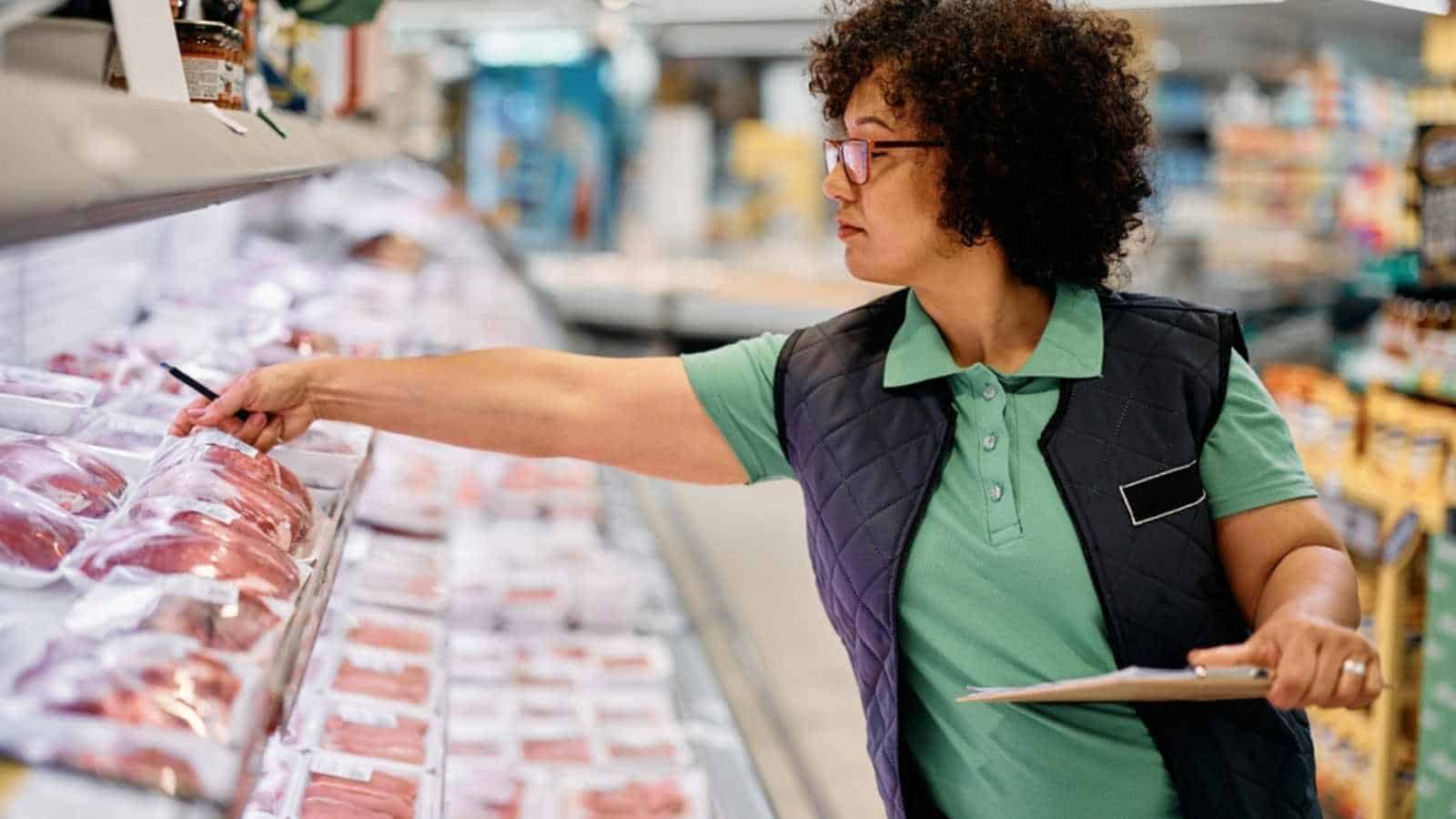
Grocery stores and independent markets are the ones forced to implement these changes on the ground. They must update point-of-sale software, retrain cashiers, and revise inventory plans. Retailers are particularly vocal about the operational hurdles and the potential for increased conflict at the checkout line.
If a scanner fails to recognize an item as prohibited, the retailer faces the consequences. This shifts the administrative burden heavily onto the stores, particularly smaller independent grocers who rely heavily on SNAP dollars in low-income communities.
The Push for Real Food
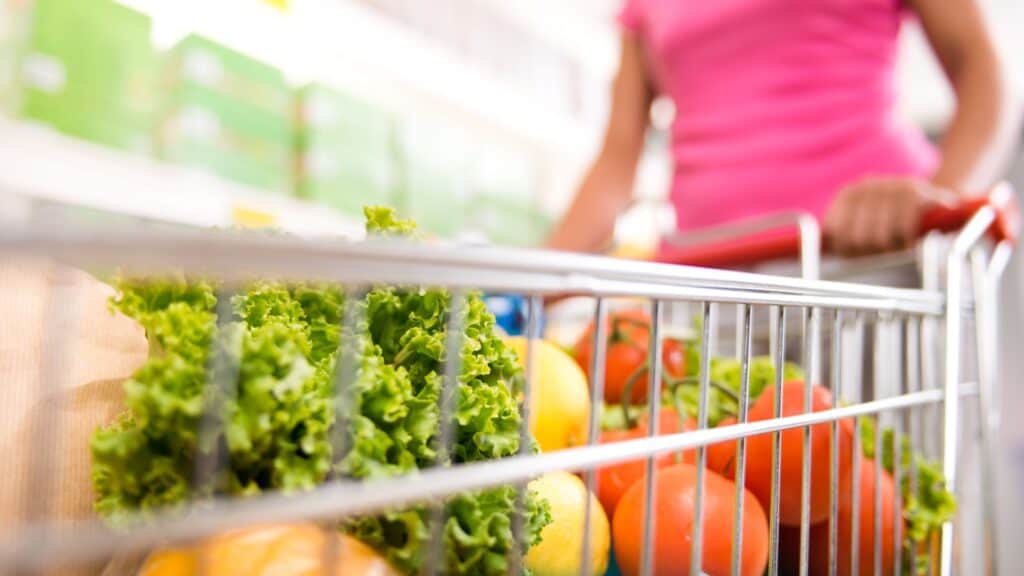
In contrast to the state bans, the USDA is simultaneously rolling out new, stricter stocking standards for retailers that accept SNAP. These changes go into effect in Fall 2026. Stores must now carry double the amount of staple foods across categories like protein, grains, dairy, and produce.
This rule aims to increase access to nutritious options, effectively pushing out smaller retailers that only stock snacks and convenience items. It’s a clear signal that the federal government wants SNAP to focus on foundational groceries rather than quick bites.
Healthy Eating Incentives Gain Traction

While bans get the headlines, incentive programs are quietly growing. SNAP healthy incentive programs offer discounts or extra funds when participants buy eligible foods like fruits and vegetables. NIH research shows these programs are an effective way to promote healthy eating, with one evaluation showing a 26% increase in fruit and vegetable consumption.
These incentives are a carrot to the stick of the junk food bans. They empower shoppers to make healthier choices without feeling restricted. Food brands that produce fresh or frozen produce are uniquely positioned to benefit from this shift in buying power.
The Return of Work Requirements

The “Big Beautiful Bill” of 2025 expanded work requirements for SNAP recipients. Able-bodied adults are now required to complete 80 hours of work or training per month to remain eligible. Advocates for the grocery industry fear these changes could shrink the pool of SNAP shoppers over time.
This isn’t just about what people buy; it’s about who gets to buy it. If the overall number of SNAP participants drops, total grocery sales will inevitably take a hit. This broader policy shift could have a more significant long-term impact than the specific food bans.
The MAHA Movement’s Influence

The “Make America Healthy Again” (MAHA) movement is a driving force behind these changes. Figures like Health and Human Services Secretary Robert F. Kennedy Jr. are aggressively pushing to eliminate taxpayer funding for highly processed foods. The USDA has explicitly stated it will not back down from the fight to align SNAP with MAHA goals.
This signals a long-term ideological shift in how nutrition assistance is administered. The focus is moving away from simple caloric provision toward dictating nutritional quality. This approach will continue to shape food policy—and food manufacturer strategies—for years to come.
Like our content? Be sure to follow us