12 practical ways to eat well without spending much
Grocery shopping should not feel like a financial obstacle course. Yet for many American women who plan meals, pack lunches, and feed families, the weekly cart now requires more strategy than ever.
The USDA Economic Research Service reported that U.S. food prices in April 2026 were 3.2% higher than in April 2025, which explains why even basic meals can feel more expensive than they used to. Still, eating well does not mean filling your cart with pricey health foods or trendy ingredients.
Smart choices can turn simple staples into meals that taste good, stretch far, and support better health. A few habits, like planning, buying frozen vegetables, using leftovers, and choosing filling basics, can make a real difference. These 12 practical tips show how to eat well without letting your grocery bill steal the spotlight.
Buy seasonal produce
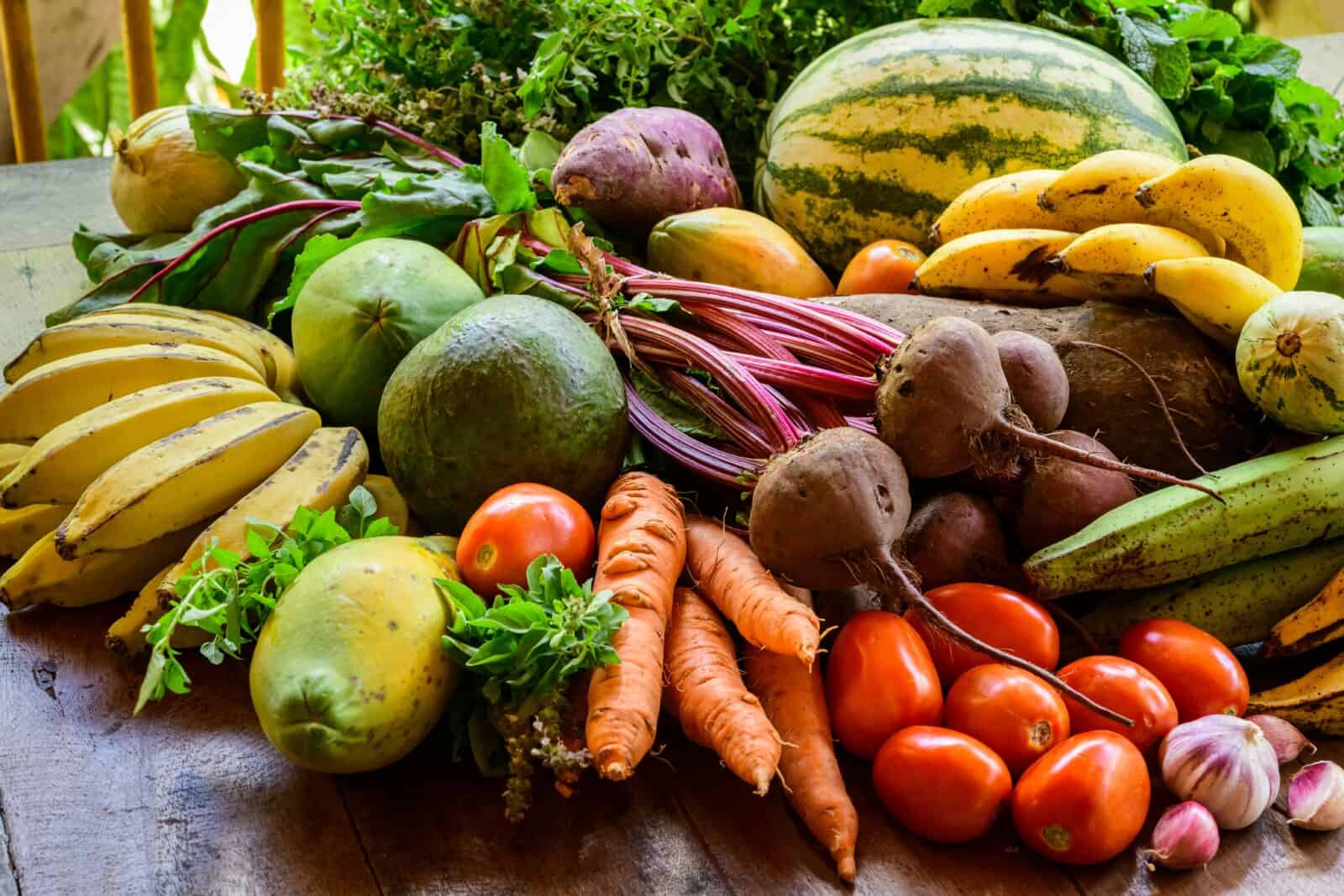
Seasonal produce gives your meals color, freshness, and a better shot at staying affordable. USDA SNAP-Ed keeps a seasonal produce guide because fruits and vegetables change by region, growing conditions, and time of year. That makes seasonal shopping a simple habit, not a luxury trick.
Build your list around what looks abundant that week, then match it with rice, pasta, beans, eggs, or chicken. In summer, tomatoes and zucchini can carry pasta night with very little fuss. In fall, squash, apples, and greens can stretch into soups, bowls, and cozy side dishes that feel rich without a lot of fuss.
Cook in bulk
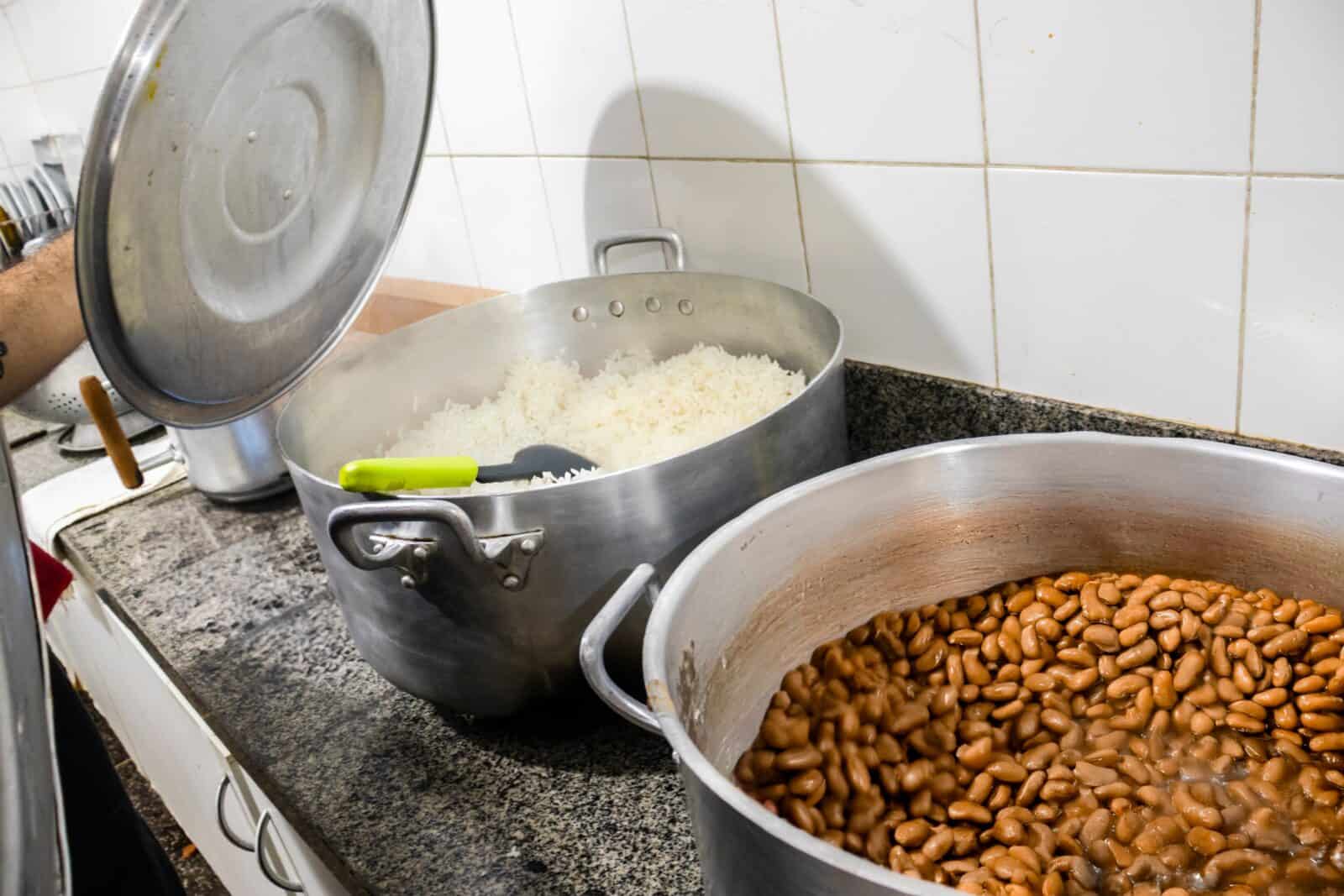
Bulk cooking saves money because it helps you beat the takeout trap before hunger decides for you. The Bureau of Labor Statistics reported that households spent an average of $3,945 on food away from home in 2024, so skipping even a few delivery nights can make a difference.
Choose one or two big recipes each week, such as chili, stew, baked pasta, lentil soup, or shredded chicken. Portion leftovers into lunch containers before anyone starts picking at the pot. Freeze extra servings for the nights when work, kids, errands, or plain exhaustion win. Your future self will feel very loved when dinner only needs reheating.
Embrace legumes
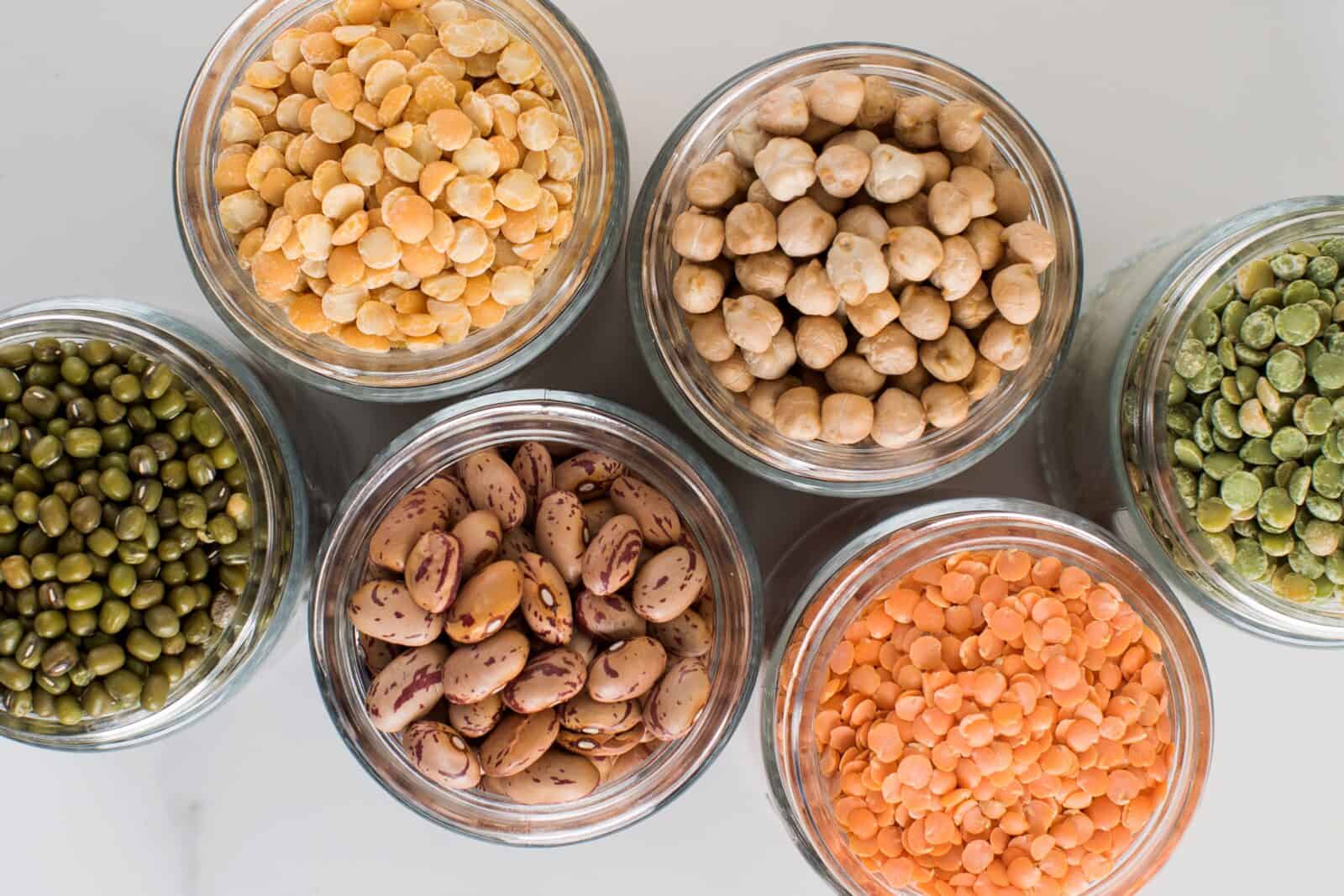
Beans, lentils, chickpeas, and peas deserve a front-row spot in a budget kitchen. University of Florida IFAS Extension notes that the Dietary Guidelines for Americans, 2020 to 2025, recommend 1.5 cups of beans, peas, and lentils each week. That small target can do a lot for meals because legumes bring protein, fiber, minerals, and staying power.
Add lentils to taco meat, toss chickpeas into salad, or simmer black beans with onions, garlic, and rice. Canned beans work well on busy nights, especially if you rinse them first. Dried beans usually cost less, so cook a big batch and freeze portions for quick dinners.
Use whole grains
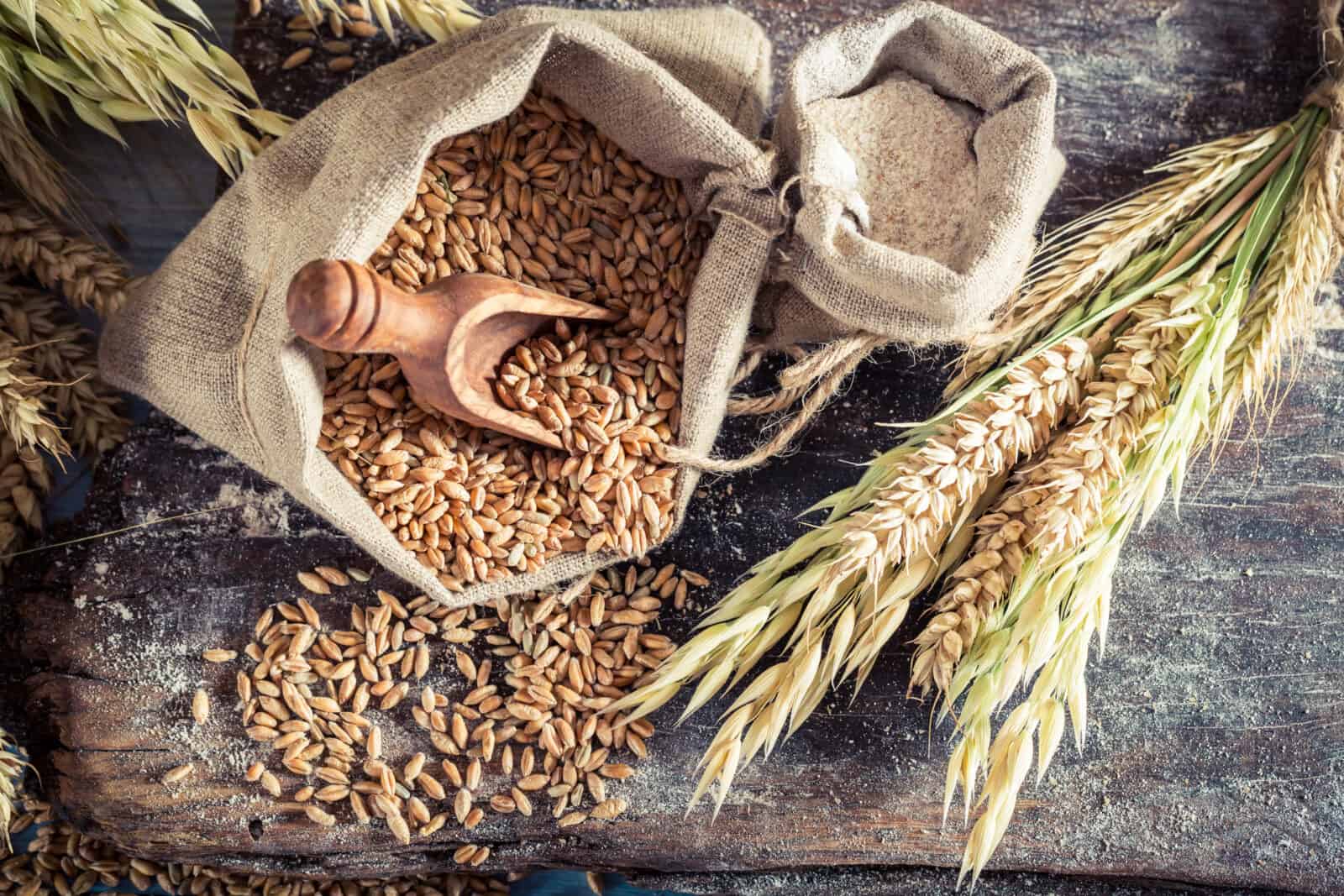
Whole grains make simple meals feel fuller and more satisfying. The Whole Grains Council notes that the 2025 to 2030 Dietary Guidelines for Americans recommend 2 to 4 servings of whole grains daily for adults on a typical 2,000-calorie diet. That does not mean you need expensive ancient grains with names that sound like spa treatments.
Oats, brown rice, popcorn, whole-wheat pasta, and whole-grain bread can all work beautifully. Use oats for breakfast, rice for bowls, and whole-grain pasta for fast dinners with frozen vegetables. These staples help you stay full longer, which can reduce snack runs and random checkout grabs.
Limit processed foods
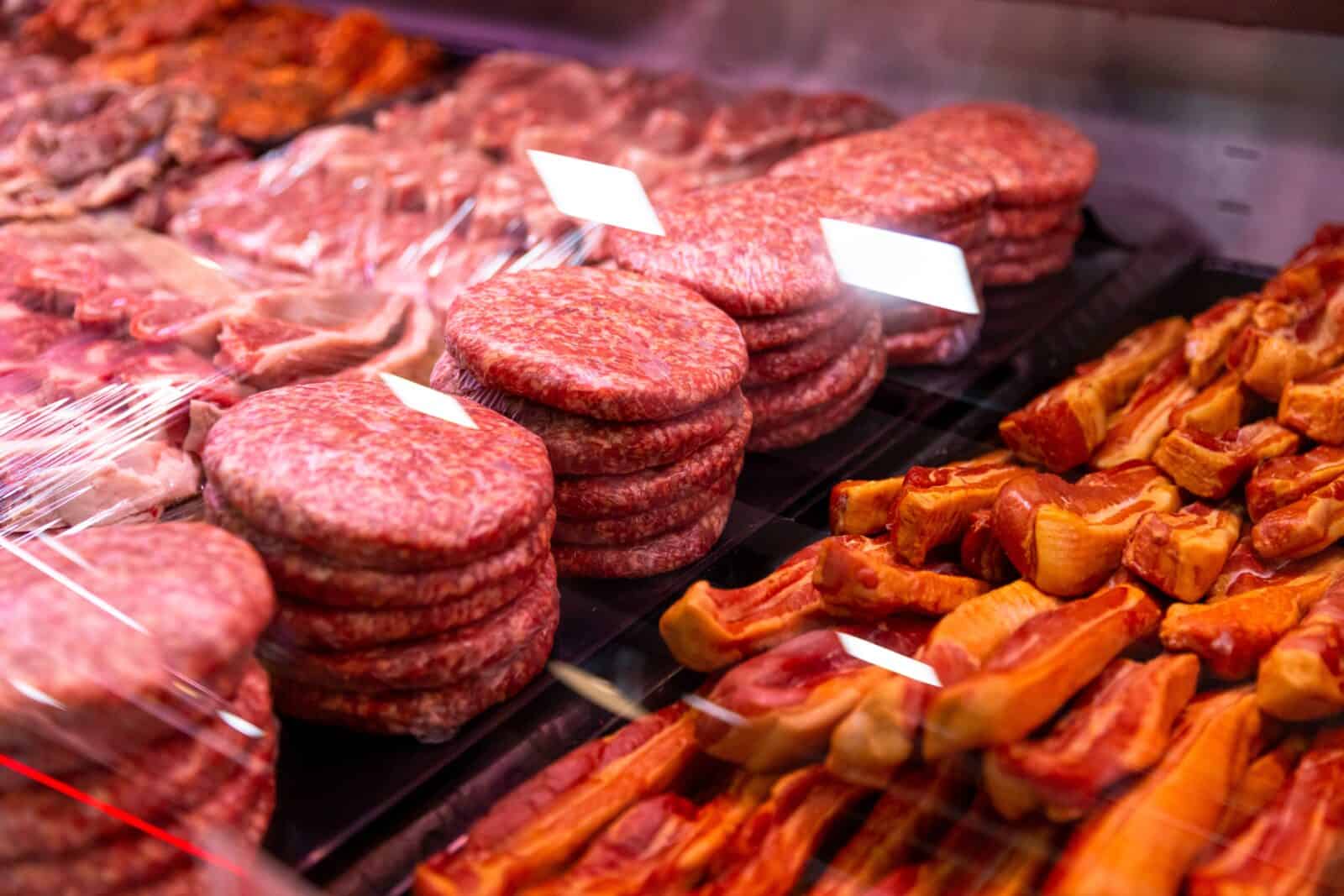
Processed snacks and ready-made meals can quietly drain a food budget. CDC’s National Center for Health Statistics reported in 2025 that U.S. adults got 53% of their calories from ultra-processed foods from August 2021 to August 2023. That number matters because many of those items cost more per useful serving than basic ingredients.
Swap flavored chips for popcorn kernels, sweetened yogurt cups for plain yogurt with fruit, and frozen fries for whole potatoes. You do not need to ban every snack from the house. Just make the everyday basket lean toward ingredients that become meals, not packages that disappear before dinner.
Plan weekly menus
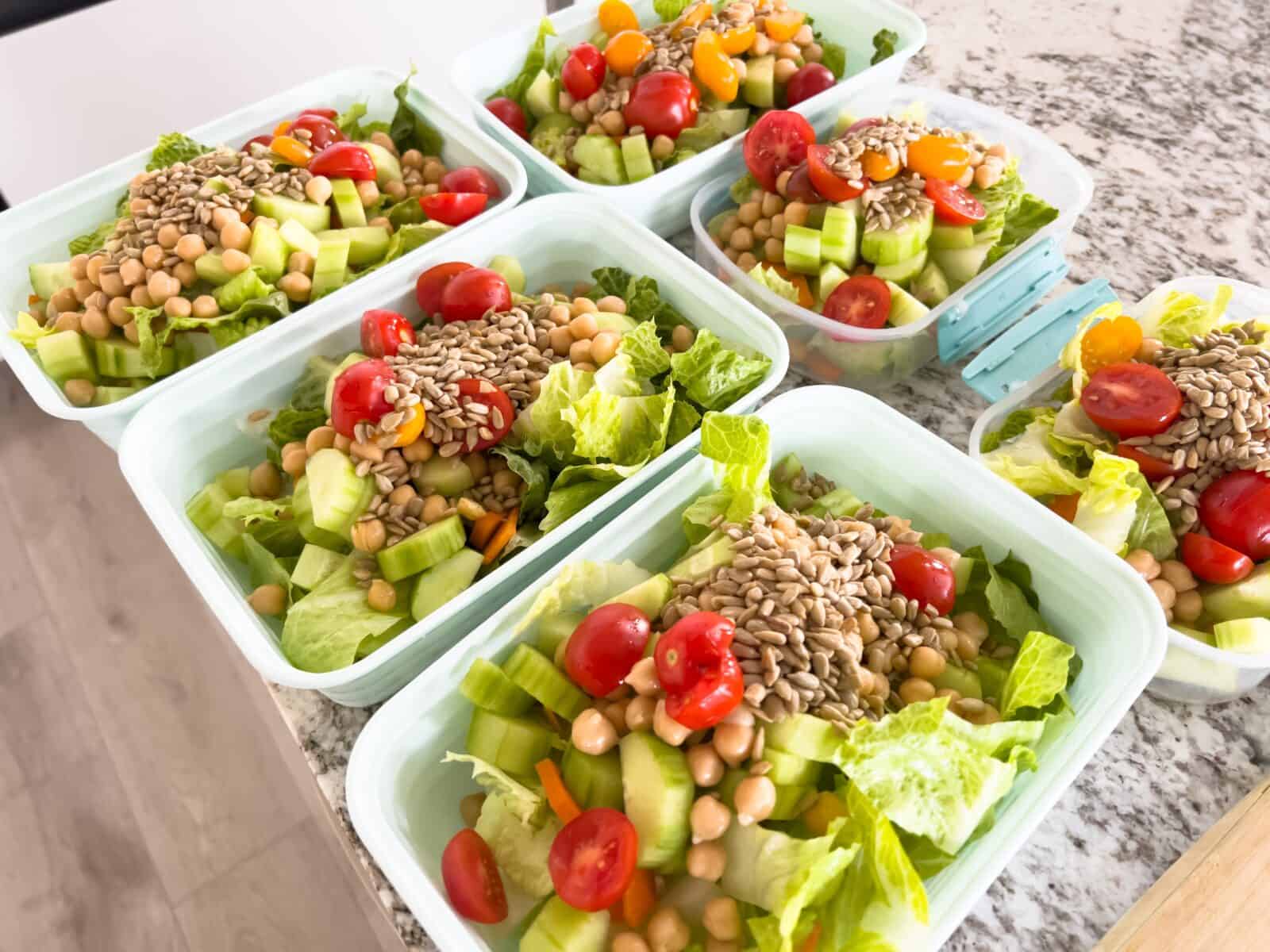
Meal planning sounds boring until it saves your Tuesday night. The American Heart Association advises shoppers to plan meals and make a grocery list before going to the store, as this habit supports healthier choices and helps control spending. Start with three dinners, two easy breakfasts, and one flexible lunch idea.
Check your fridge and pantry before you write the list, since forgotten rice, pasta, canned tomatoes, or frozen peas can make a half-meal. Keep the plan loose enough for real life. A good menu does not boss you around; it gives you options before hunger starts negotiating with your wallet.
Buy frozen vegetables
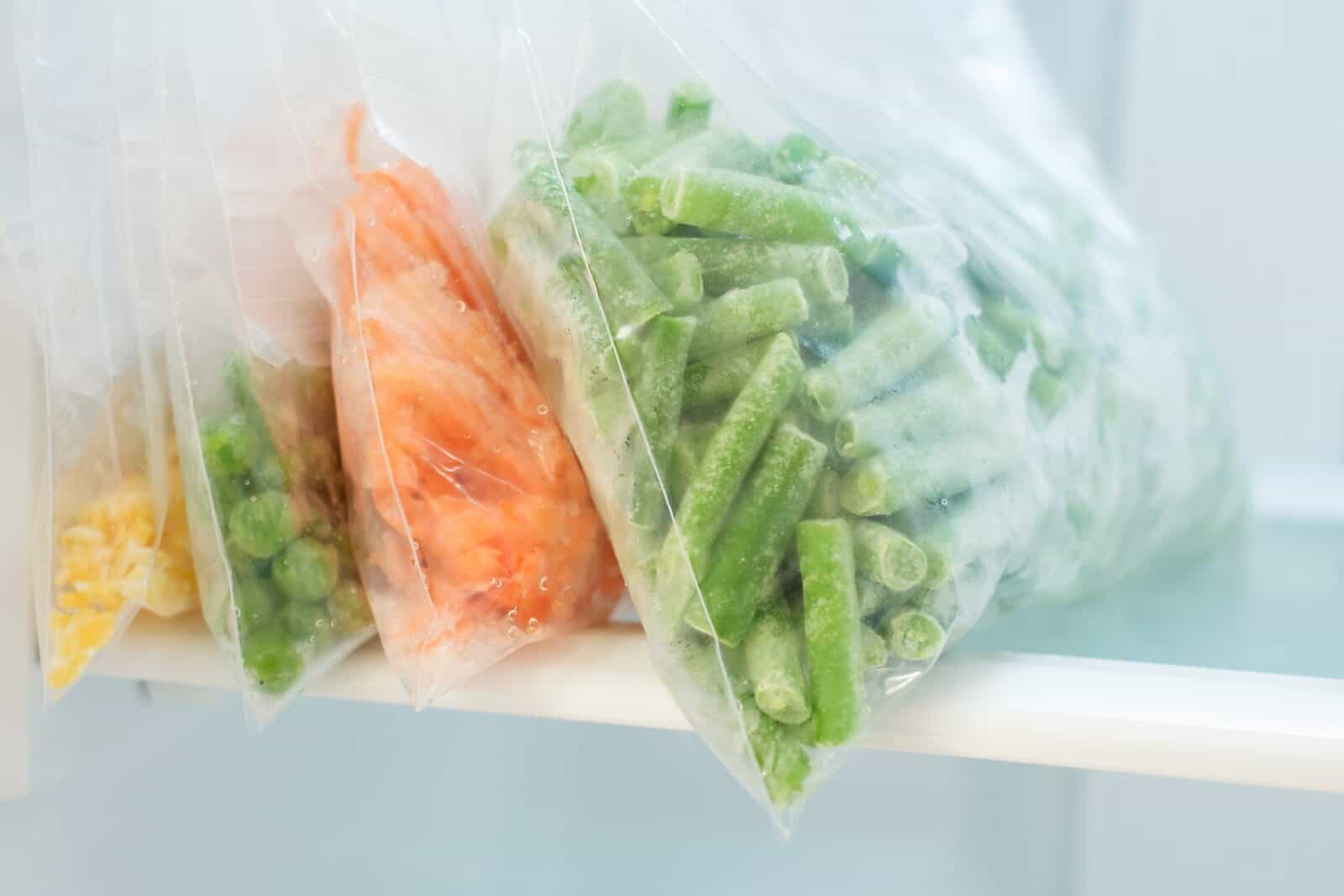
Frozen vegetables are the unsung queens of budget cooking. The British Dietetic Association says frozen fruits and vegetables can offer good value and strong nutrition, as freezing helps preserve nutrients. That makes a bag of peas, spinach, broccoli, or mixed vegetables a smart backup plan.
You can use only what you need, then return the rest to the freezer. This cuts the sad fridge problem, where fresh produce wilts before anyone remembers it exists. Add frozen vegetables to eggs, soup, noodles, rice, casseroles, and pasta sauce. Dinner suddenly looks brighter, and your trash bin gets less of your grocery money.
Cook simple recipes
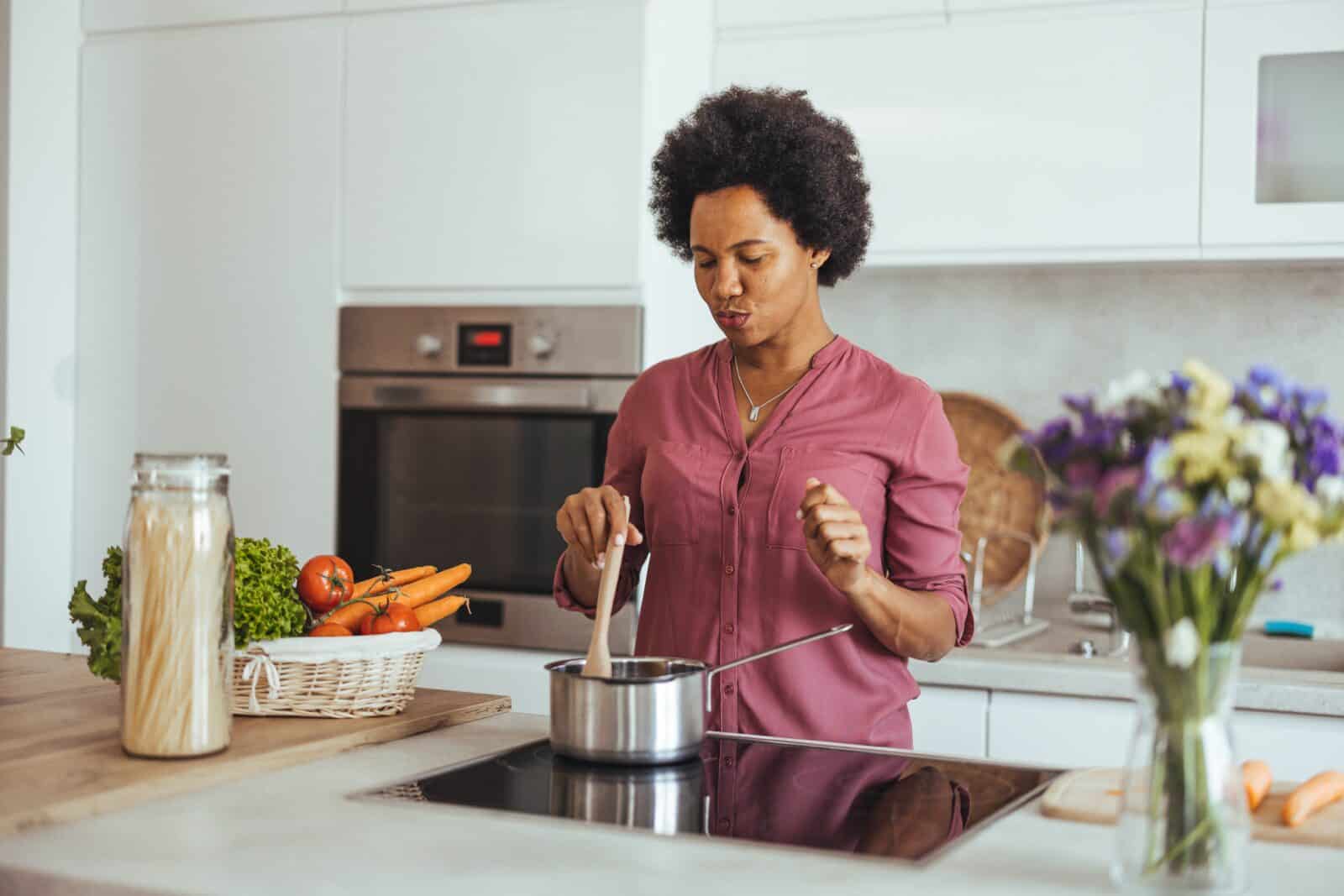
Simple recipes keep healthy eating realistic, especially for women juggling work, family, errands, and everyone’s snack opinions. Nutrition.gov points shoppers to meal-planning and grocery resources that help people stick to a budget and eat healthy at home. That is the sweet spot: easy food that still feels good. Think sheet-pan chicken with potatoes, veggie omelets, tuna rice bowls, bean tacos, pasta with spinach, or soup built from leftovers.
Fewer ingredients usually mean fewer impulse buys. Simple meals also reduce the pressure to cook like a restaurant chef every night. Good food can be calm, cheap, and deeply satisfying.
Repurpose leftovers
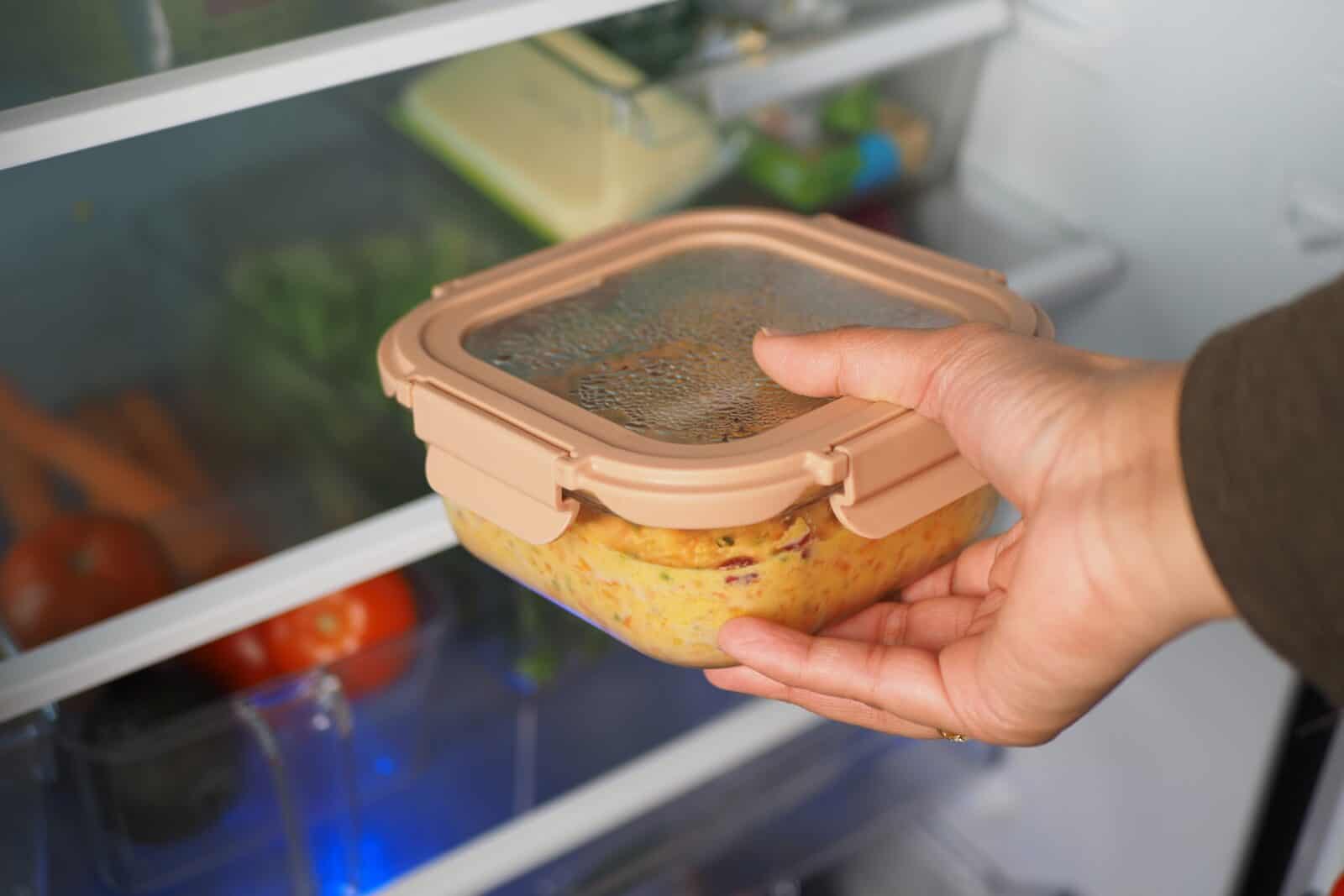
Leftovers can feel boring, but they become gold when you treat them like ingredients. The FDA says the U.S. wastes an estimated 30% to 40% of its food supply, and that wasted food also represents wasted money. Give leftovers a second life before they turn into guilt in a container.
Turn roasted vegetables into an omelet, rice into fried rice, chicken into wraps, beans into soup, and pasta into a next-day bake. Label containers with dates so nothing hides in the back of the fridge. This habit keeps meals moving and makes your grocery spending work twice as hard.
Grow herbs at home
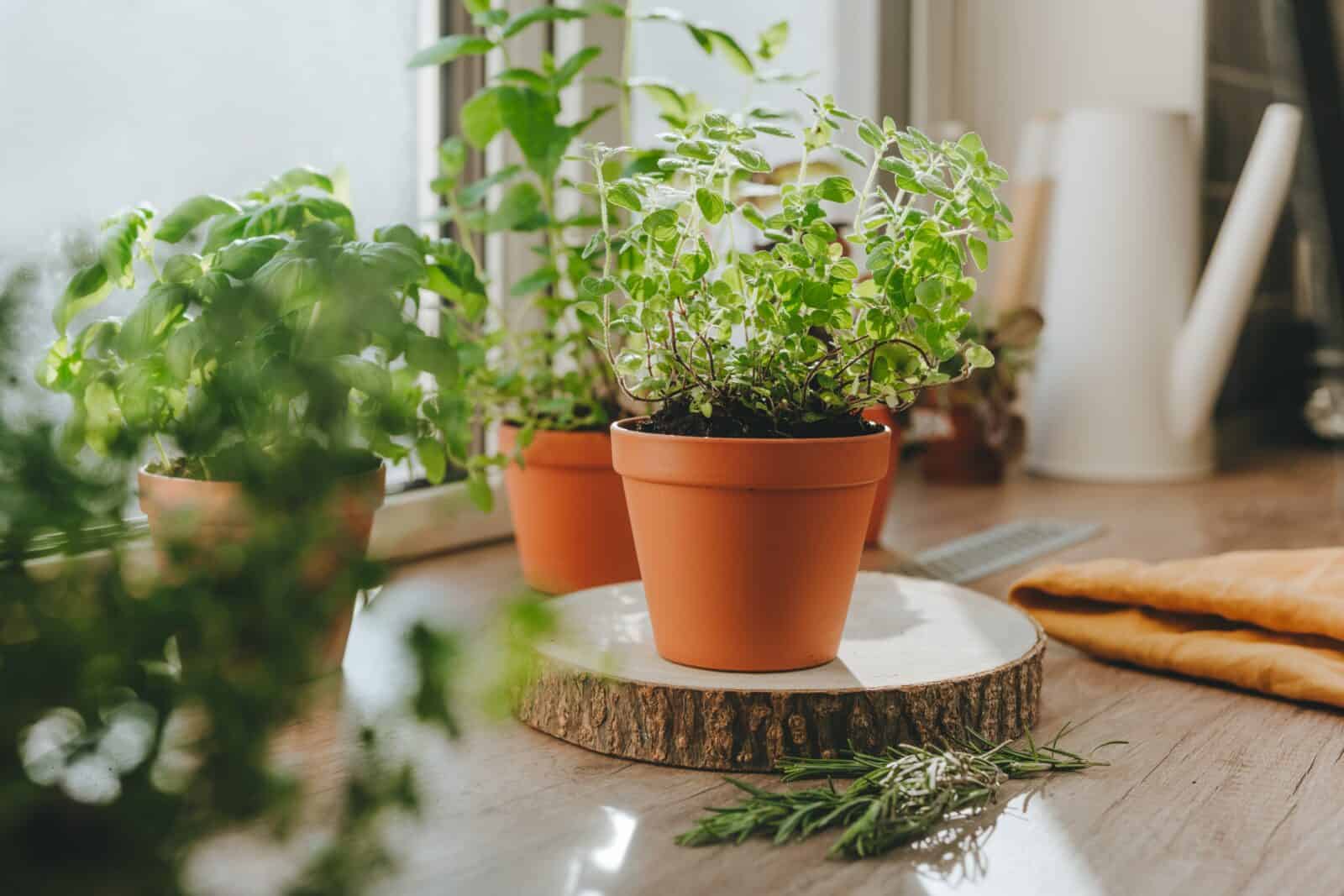
Fresh herbs can make cheap meals taste expensive. University of Minnesota Extension says most herbs need at least six hours of direct sunlight to grow well, which makes a sunny windowsill or balcony a useful little flavor station. Start with basil, mint, parsley, chives, or cilantro if you cook with them often.
A small pot can save the trouble of making repeated trips to the supermarket for those tiny herb packs that wilt too quickly. Herbs brighten eggs, beans, soups, rice, pasta, and salads in seconds. They also help you use less bottled sauce, seasoning mixes, and pricey add-ons. A few green leaves can rescue a very basic dinner.
Buy in bulk
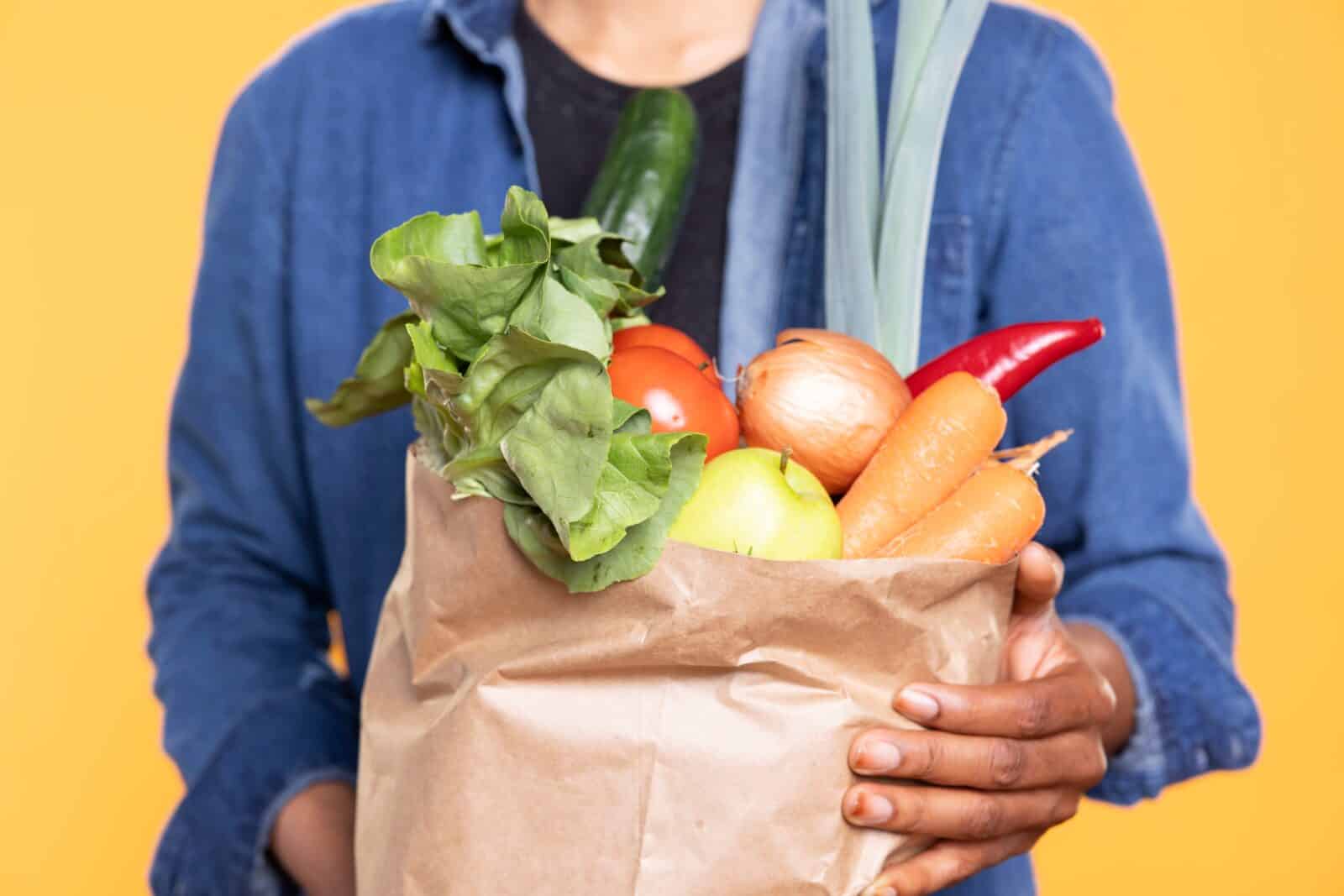
Bulk buying works best for foods you already use often. Harvard’s Nutrition Source notes that family-size packages of staples such as whole grains, lentils, and dried beans usually cost less per unit, even though they cost more upfront.
That makes bulk shopping helpful, not automatic.
Buy oats, rice, pasta, beans, canned tomatoes, flour, nuts, or frozen vegetables only if they fit your real cooking habits. Store them in clear containers so you can see what you own. Avoid giant snack packages if they go bad too quickly. Bulk should help your budget breathe, not turn your pantry into a mini warehouse of regrets.
Drink more water

Water may be the easiest grocery-savings trick because it replaces drinks that cost money and quickly add sugar. Keep a reusable bottle within reach at your desk, in your car, by your bed, or in your stroller bag. Add lemon, cucumber, mint, or frozen berries to plain water if it feels dull.
Cut back slowly if soda or sweet tea has become a daily habit. Over time, that swap frees cash for better groceries.
Key takeaway

Eating well on a budget does not demand perfection. It asks for repeatable habits that make your grocery cart work harder. Seasonal produce, frozen vegetables, beans, whole grains, leftovers, bulk staples, and water can create meals that feel nourishing without acting expensive.
Planning helps you shop with purpose, while simple recipes help you cook with less stress. The real win comes from stacking small choices until they become normal. Start with two habits this week, then build from there. Your wallet, your fridge, and your weeknight mood may all feel the difference.
Disclaimer – This list is solely the author’s opinion based on research and publicly available information. It is not intended to be professional advice.
Like our content? Be sure to follow us.