Working parents are always on the clock as work and family life collide
The end of the workday once meant a clean break, time to step back into family routines and personal space. Today, that line has all but vanished.
A new Pew Research Center study released shows that the boundary between work and family life is now so blurred that many parents are effectively doing both simultaneously. Parenting during work hours, work tasks during family time, and a constant sense of being “always on” are no longer exceptions. They are becoming the norm.
What makes this moment stand out is not just the intensity of the pressure, but how widespread it has become. The modern working parent is not only managing competing demands. They are often managing them simultaneously.
A Daily Life Where Work and Home Overlap

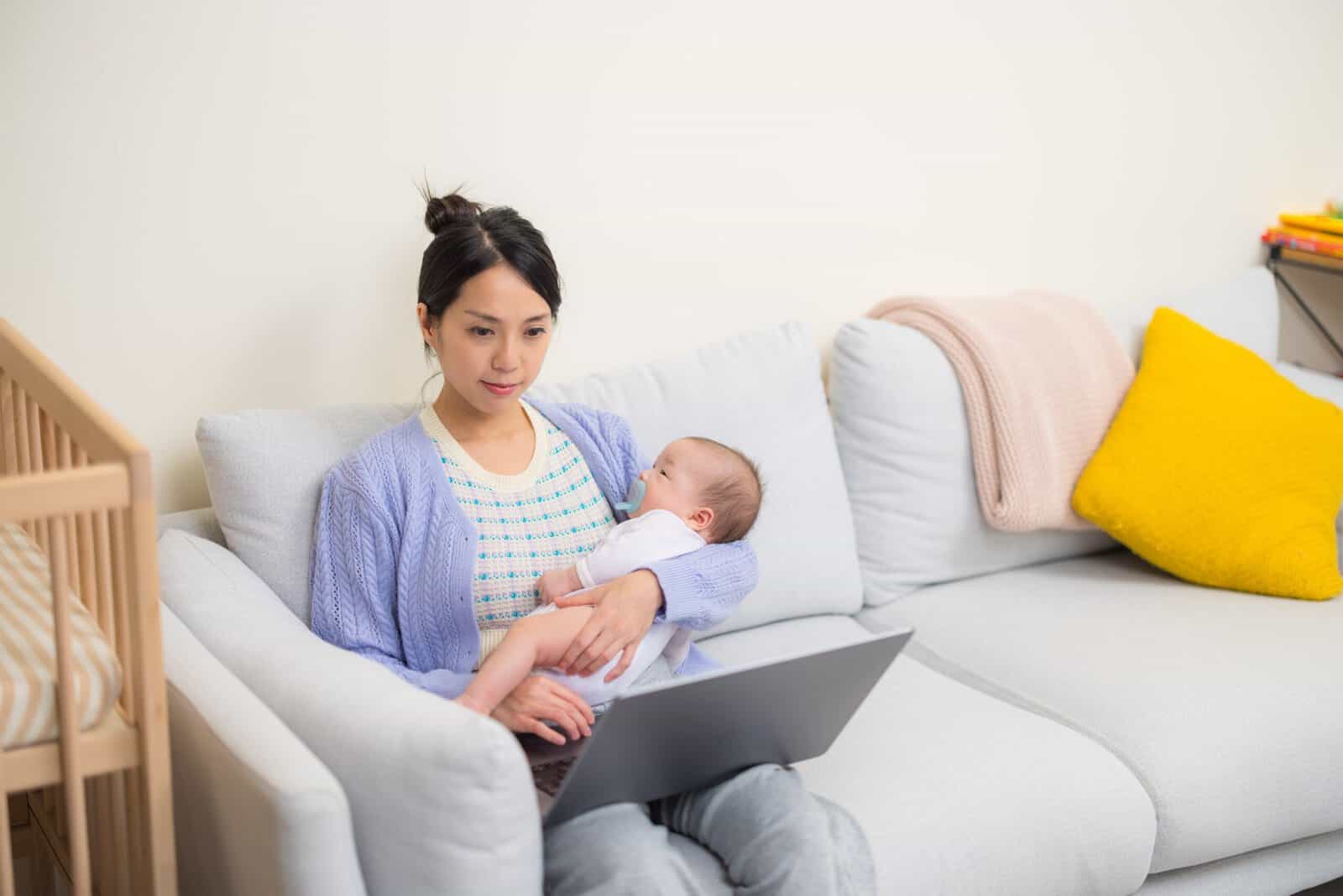
The Pew findings point to a major shift in how family life is structured. Among full-time working parents, 70% say they handle parenting tasks while on the clock, and 59% say they handle work tasks while with their children, according to a report by Entrepreneur.
That overlap changes the shape of both roles. Work is no longer confined to offices or shifts, and parenting is no longer contained to evenings or weekends. Instead, both bleed into each other throughout the day.
As one parent in the study put it, the expectation feels contradictory: “I’m supposed to work like I don’t have kids and supposed to parent like I don’t have a job”.
That tension captures the core issue. It is not just about time scarcity. It is about divided attention in moments that once belonged fully to either work or family.
This is a growing reality where the line between work and home is no longer clearly defined for most working parents. And that lack of separation is shaping how families function day to day.
Why the Pressure Is Rising Now

The timing of this shift is not accidental. One of the key forces behind it is the structure of modern households themselves.
More families now rely on two full-time working parents than in previous generations. As noted by Pew Research, about 52% of couples with children under 18 are both full-time, up from 31% in 1975. That long-term change means fewer households have a parent consistently available at home during standard hours.
At the same time, work itself has become more fluid. Remote and hybrid arrangements have expanded flexibility, but they have also expanded expectations. Many parents now find that being “reachable” has replaced being physically present at work.
The result is not just a shift in where work happens, but when it happens. Messages, tasks, and decisions now spill into evenings, weekends, and family routines.
Pew’s broader analysis shows that more than half of working parents say balancing work and family is difficult, reinforcing how widespread this strain has become.
Mothers Are Carrying a Heavier Share of the Load

While the blurred boundary affects most working parents, the burden is not evenly distributed.
According to ABC News, full-time working mothers say it is more difficult to balance work and family responsibilities than fathers.
The difference becomes clearer when looking at daily responsibilities inside the home. In couples where both parents work full time, 52% say the mother takes on more parenting tasks, while only 10% say the father does more, Pew Research Center notes.
This imbalance contributes to what many researchers describe as the “mental load” of parenting. It is not only about doing tasks, but also remembering, planning, and anticipating what needs to be done next.
The burden is practical, emotional, and often hard to see from the outside. It shows up in missed routines, constant mental planning, fatigue, and the uneasy feeling that neither work nor family ever fully lets go.
When Flexibility Doesn’t Solve the Problem

At first glance, flexible work arrangements might seem like the solution.
And in some ways, they help. Parents can adjust schedules, work remotely, or handle childcare interruptions more easily than in traditional office structures.
When work becomes accessible at any hour, it becomes harder to step away from it. Parents may gain freedom in where they work, but lose clarity on when they stop working.
That shift is important because boundaries are not just logistical. They are psychological. Without clear stopping points, work and home responsibilities begin to merge into a single continuous flow.
According to the Frontiers report, work-family dynamics show that when job demands extend into evenings and weekends, stress levels rise and mental well-being declines, particularly among parents juggling multiple responsibilities.
This creates a paradox. The tools designed to improve balance can sometimes deepen the feeling of being constantly available.
The Childcare Strain Beneath the Surface
One of the less visible pressures shaping working parents’ experiences is access to childcare. Many parents struggle not only with time but also with finding care that fits their budget, schedule, and availability.
These constraints matter because childcare is often the structure that determines if work and family can be separated at all. When care falls through or becomes unpredictable, parents are forced to bridge the gap themselves, often during work hours.
That is where the overlap becomes most intense. A missed childcare slot can turn a work meeting into a parenting moment within minutes.
For many families, especially those with younger children, this unpredictability becomes a recurring challenge rather than an occasional disruption.
The Emotional Cost of Constant Overlap

Beyond schedules and logistics, the most consistent thread in the data is emotional strain.
Parents increasingly report feeling unable to fully meet expectations in either role. Work demands spill into family time, and family responsibilities spill into work time, leaving little space for mental recovery.
This constant switching between roles creates a sense of fragmentation. Even when tasks are completed, the feeling of being fully present in either role often is not.
The emotional toll is especially strong when parents miss important family moments because of work. According to an AP News report, parents are upset when work interferes with milestones in their children’s lives, underscoring how deeply this conflict runs.
That emotional weight is not always visible in productivity metrics or workplace performance, but it shapes how parents experience both work and home life.
What This Shift Reveals About Modern Work

The bigger story behind these findings is not just about parenting. It is about how work itself has evolved.
The traditional separation between professional and personal life was built on predictable hours, physical workplaces, and limited after-hours communication. That structure no longer reflects how many jobs operate today.
What has replaced it is a system in which availability is continuous, and boundaries are negotiated in real time. For parents, that system has added a second layer of complexity because caregiving does not pause when work expands.
At the same time, the data shows that families are adapting. Parents are developing new routines, sharing responsibilities in different ways, and finding small pockets of flexibility where they can.
But adaptation does not always equal resolution.
A System Still Catching Up to Family Reality

The Pew findings point to a gap between how work is organized and how family life actually functions. Families are operating in blended time, while many workplaces still assume separation.
That mismatch is where much of the tension lives. It shows up in missed events, interrupted meetings, late-night emails, and the constant mental calculation of what to do next.
Working parents are not just balancing two roles. They are performing both roles within the same hours.
And as the boundary between work and home continues to thin, the central question becomes less about how parents manage their time and more about how systems around them support, or strain, that reality.
The story is not only that parents are busy. It is that the structure of modern work is now deeply embedded in family life, shaping not just schedules, but attention, relationships, and rest.
Disclaimer – This list is solely the author’s opinion based on research and publicly available information. It is not intended to be professional advice.
Like our content? Be sure to follow us