Grandparents are outnumbering grandchildren and here’s why it matters
Family is changing, and not in ways we always notice right away. In many countries, there are now more grandparents than grandchildren; a shift driven by low birth rates, longer life expectancy, and economic pressures. These trends are quietly reshaping what family looks like in the 21st century.
The United Nations projects that by 2050, people aged 65 and over will account for about 16% of the global population, while the share of young children will decline in relative terms.
Grandparents are living longer and taking on larger roles, children are arriving later and in smaller numbers, and households are stretching across generations in ways unimaginable in previous decades.
The World Is Rapidly Growing Older
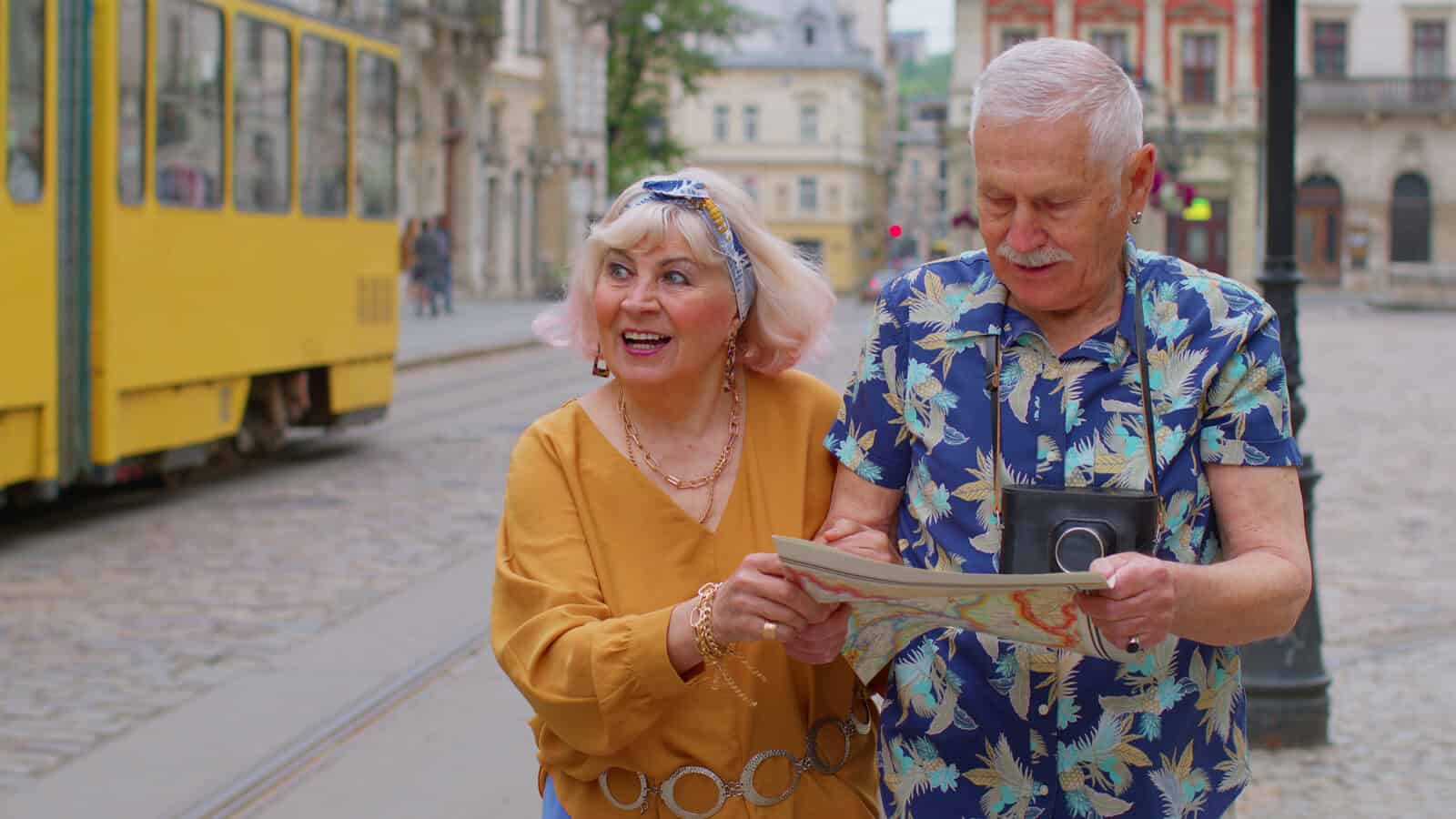
People are living longer, and populations are aging faster than ever. Globally, the number of people aged 60 and older is expected to double to 2.1 billion by 2050, according to the World Health Organization.
Meanwhile, UN projections show that people aged 65 and above will rise from 10 percent of the population in 2022 to 16 percent by mid-century, meaning roughly one in six people will be older adults.
In developed regions, this is already visible: in the EU, 22 percent of the population is over 65, while fewer children are being born. Experts call population aging a “megatrend” reshaping societies alongside climate change and digitalization, and it’s creating family trees where grandparents outnumber grandchildren for the first time in history.
Falling Birth Rates Are Changing Family Trees

Low fertility is a central reason grandparents are becoming more numerous. In high-income countries, the total fertility rate has fallen to around 1.42 children per woman in 2024, well below the replacement level of 2.1. Back in 1963, women globally had an average of 5.3 children, but by 2023 that number had dropped to just over 2, and countries like Japan and South Korea now average just 1.2 or fewer.
Researchers point to a mix of rising education levels, delayed partnerships, high housing costs, and precarious employment as key factors behind this trend. Fewer children per generation means the older generations form a larger slice of the population, making grandparents numerically heavier in the family tree and giving many families a “beanpole” structure.
People Are Living Longer and Staying Grandparents Longer

Aging populations are about more than just fewer babies; they are about grandparents living longer. Improved healthcare and life expectancy mean grandparents can now witness grandchildren reach adulthood and even meet great-grandchildren. In the past, a grandparent might only have a decade to spend with their grandchildren, but today, many enjoy multiple decades of grandparenting.
By 2050, UN data predict that there will be more than twice as many people aged 65 and over as children under five globally. This longer grandparent phase is transforming families, giving older adults an expanded role in children’s lives and shifting the balance between generations.
Older Adults Already Outnumber Children in Some Regions

Not all regions experience this equally. In Europe, older adults now outnumber children under 15 in many countries, a reversal of traditional population pyramids. Statista data shows that this trend is particularly pronounced in nations like Italy, Germany, and Japan, where low fertility and high life expectancy converge. In contrast, Sub-Saharan Africa still has youthful populations, with more than 40 percent under age 15 and only about 3 percent over 65.
This divergence highlights how aging and family structures are reshaping societies differently across the globe, with some families already navigating grandparent-heavy households while others still experience multi-generational childhood-rich dynamics.
Grandparents Are More Numerous Than Ever

In Canada, there were 7.5 million grandparents aged 45 and older in 2017, up from 5.4 million in 1995, making this the highest recorded number in national data. The fastest growth has been among the oldest grandparents; those 85 and older nearly tripled from 3 percent to 8 percent of the grandparent population during that period.
In the U.S., around 6.7 million adults aged 30 and over lived with grandchildren in 2021, meaning grandparents are now a significant presence in households and daily childcare. Across high-income countries, there have never been this many grandparents simultaneously active, making them a cornerstone of family life and intergenerational support.
Fewer Children Mean Taller, Skinnier Family Trees

With fertility below replacement, families are forming “beanpole” structures. One child might have four grandparents, several great-grandparents, but few siblings or cousins. UN research notes that this vertical, slim structure is replacing the traditional wide family, where each generation had multiple children and siblings.
For grandparents, this can mean concentrated emotional and cultural responsibility, as a single grandchild may carry the legacy of an entire extended family. The result is smaller networks of grandchildren relative to older adults, amplifying the role each grandparent plays in a child’s life.
Economic Pressures Are Suppressing Birth Rates

Many couples want more children but are constrained by housing costs, student debt, unstable jobs, and expensive childcare. Research from Milbank Quarterly highlights that economic barriers in high-income countries significantly reduce the number of children people actually have, even when they desire more.
These pressures compress family size and contribute directly to the rise in the number of grandparents relative to grandchildren. In many households, grandparents now form the largest adult cohort, supporting both children and adult offspring in ways that previous generations rarely did.
Delayed Marriage and Childbearing Reduce the Next Generation

Couples are starting families later, often in their 30s or 40s. Biological fertility declines with age, meaning fewer children overall. When grandchildren arrive later, grandparents are older, and the total number of grandchildren per household shrinks.
This delay creates a unique family dynamic: grandparents may be in their 60s or 70s, fully engaged in caregiving, while the next generation remains small, reinforcing the “grandparent-heavy” structure.
Grandparents Are Stepping Up as Caregivers

Beyond numbers, grandparents are increasingly taking on active caregiving roles. In the U.S., about 8 percent of children under 18 live with their grandparents, and roughly a third of those grandparents are primarily responsible for care.
Rising grandparent households face challenges like financial strain, legal complexities, and high rates of stress and depression. The “grandparent boom” is not just a demographic fact; it is changing daily life for millions of families who rely on older adults as primary caregivers.
Poverty and Public Assistance Affect Grandparent Households

Grandparent-led households often intersect with poverty and social assistance. About 16 percent of grandchildren living with grandparents are in poverty, with 76 percent of these households receiving some form of public aid, such as school lunch programs.
This convergence of older adults and dependent children under one roof highlights how demographic trends influence social policy, and how grandparents increasingly provide not only care but economic support in a shrinking family network.
Aging Societies Shift Dependency Ratios
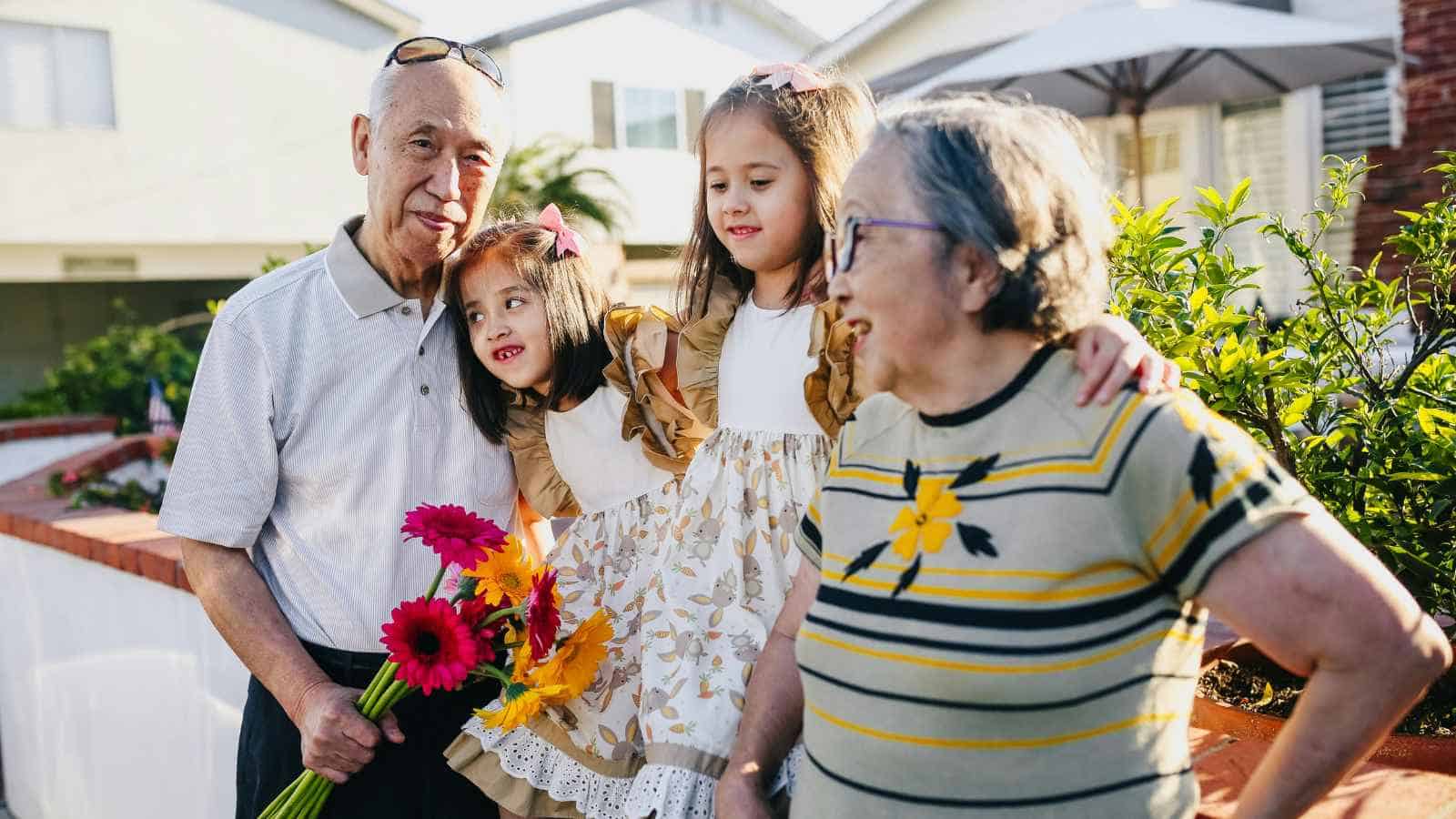
As children become fewer and older adults more numerous, old-age dependency rises while child dependency falls. UNCTAD data show that by mid-century, there could be more than twice as many people over 65 as children under 5 globally.
This shift places unique pressures on healthcare, pensions, and family caregiving. Families will rely heavily on older adults to support younger generations, reshaping the traditional notion of dependency and intergenerational responsibility.
Money, Work, and Inheritance Are Changing

More grandparents relative to grandchildren affects household finances. Older adults may support grandchildren and adult children for longer while managing their own retirement and healthcare costs. Wealth is increasingly concentrated in older age groups, affecting inheritances and intergenerational transfers.
Economists warn that low fertility and population aging can strain pension systems and slow workforce growth, creating new challenges for both families and governments in sustaining economic stability.
Disclaimer – This list is solely the author’s opinion based on research and publicly available information. It is not intended to be professional advice.
Like our content? Be sure to follow us