Did the Bible borrow its best stories from older myths?
It’s a question that’s kept history buffs up at night: Did biblical writers copy-paste their most famous tales from older pagan cultures?
Recent Gallup polls show a shift in how Americans view scripture, with only 20% now believing the Bible is the literal word of God. That’s down from a 40% high in the 1980s. Meanwhile, 29% view it as a collection of fables and human history.
This decline in belief mirrors a broader drop in trust across American institutions. According to Lifeway Research, trust in religion is low, at 1.8 out of 5, with only 27% trusting pastors. Yet, Baptist Press reports that 58% of Americans still say the Bible’s message transformed their lives.
While ancient parallels definitely exist, the biblical writers actually adapted these myths to deliver a completely different message. This report explores five famous biblical accounts and their older mythological counterparts.
Cosmic origins and the Babylonian Enuma Elish

The Babylonian epic Enuma Elish dates to at least 1700 B.C.E., making it much older than Genesis. It describes creation from a chaotic mix of fresh and salt water. The saltwater goddess Tiamat is linguistically linked to tehom, the Hebrew word for the “deep” in Genesis 1:2.
But despite these echoes, the two stories couldn’t be more different in their worldviews. The Enuma Elish is a bloody battle where gods fight for supremacy. Genesis, however, presents a peaceful monotheistic account in which one Creator brings order simply by speaking.
The purpose of humanity is also completely flipped. Babylonian gods create humans from a rebel god’s blood to do slave labor. By contrast, Genesis portrays humans as free caretakers made in God’s image.
The great deluge and the Epic of Gilgamesh
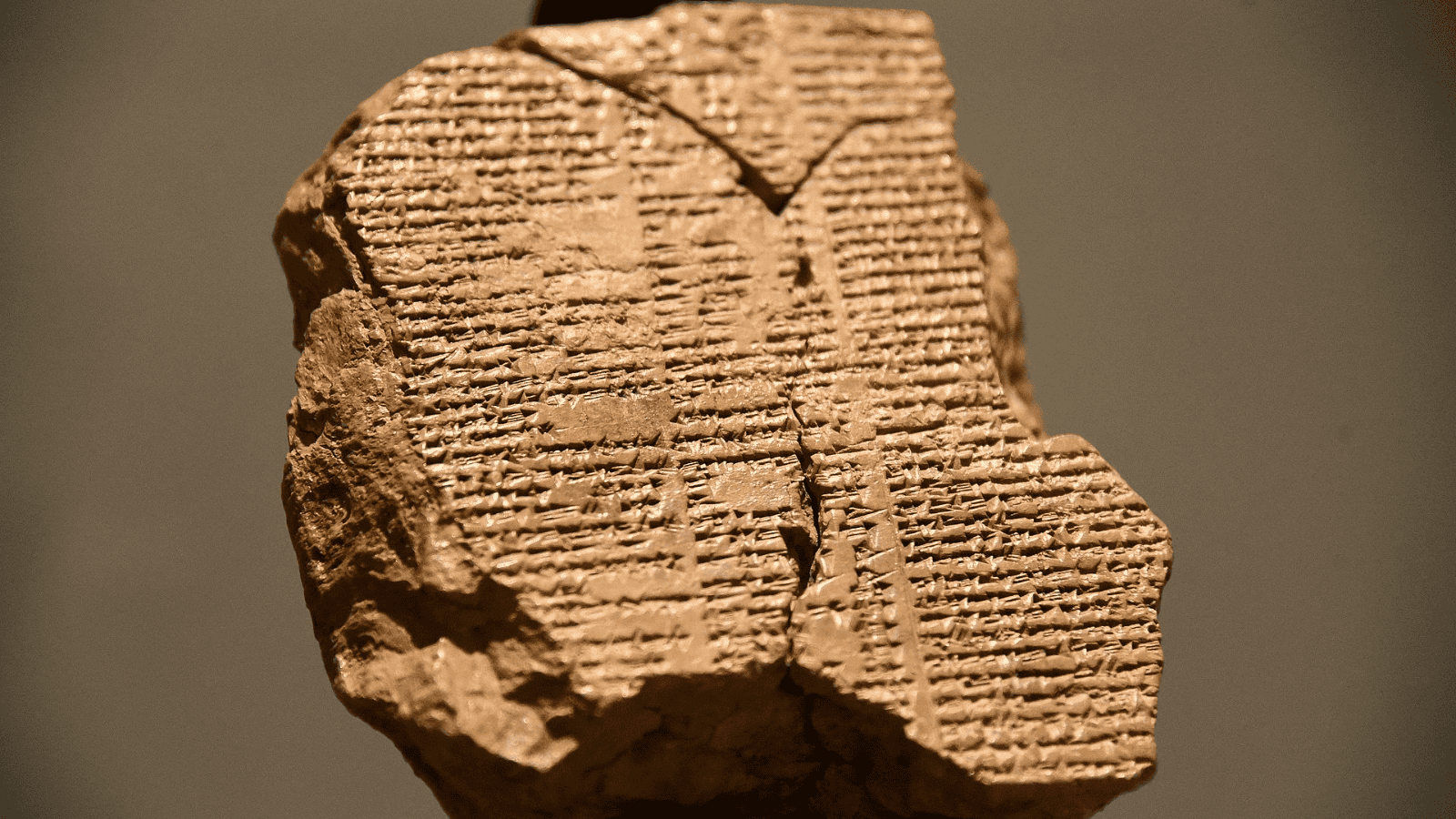
The flood story in Genesis 6–9 is almost identical to the Epic of Gilgamesh. Both feature a divine warning, a massive ark, and pairs of animals saved from destruction. Both survivors release a raven and a dove to find dry land.
Yet, the motivations behind the floods reveal a massive theological divide. In Gilgamesh, capricious gods send the flood because humans keep them awake with noise. In Genesis, God sends the flood as a moral judgment against human wickedness.
Archaeologist K.A. Kitchen notes that similarities suggest a relationship, but details diverge. Noah is blessed to repopulate the earth under a moral covenant. The biblical version takes a messy pagan legend and infuses it with ethical meaning.
Infant abandonment and the Sargon birth legend
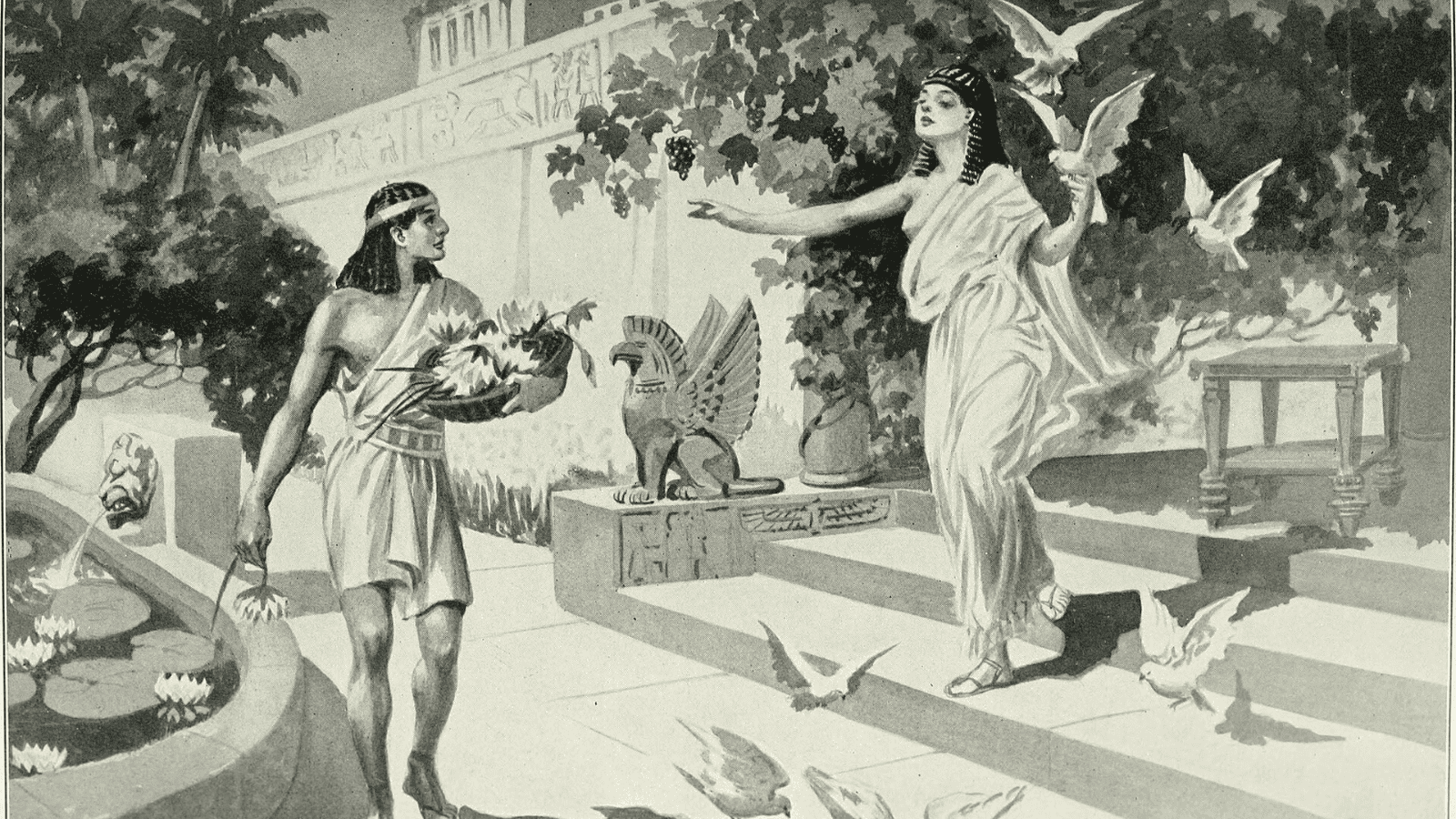
The story of baby Moses floating down the Nile is a real classic. Sargon of Akkad, founder of the Mesopotamian empire, had an almost identical origin story circa 2300 B.C.E. Sargon’s priestess mother gave birth in secret and set him adrift in a reed basket sealed with bitumen.
This “abandoned infant” theme was a wildly popular ancient folk motif. It showed a hero was chosen by divine favor rather than royal birth. Scribes likely synthesized these legends to show Moses as a legitimate leader.
The biblical writers localized the story with an Egyptian flavor. Moses is placed in a papyrus thicket, mirroring Isis hiding her baby Horus. The Bible uses this pattern to launch Israel’s national rescue rather than glorify a king.
Legal systems and the Code of Hammurabi
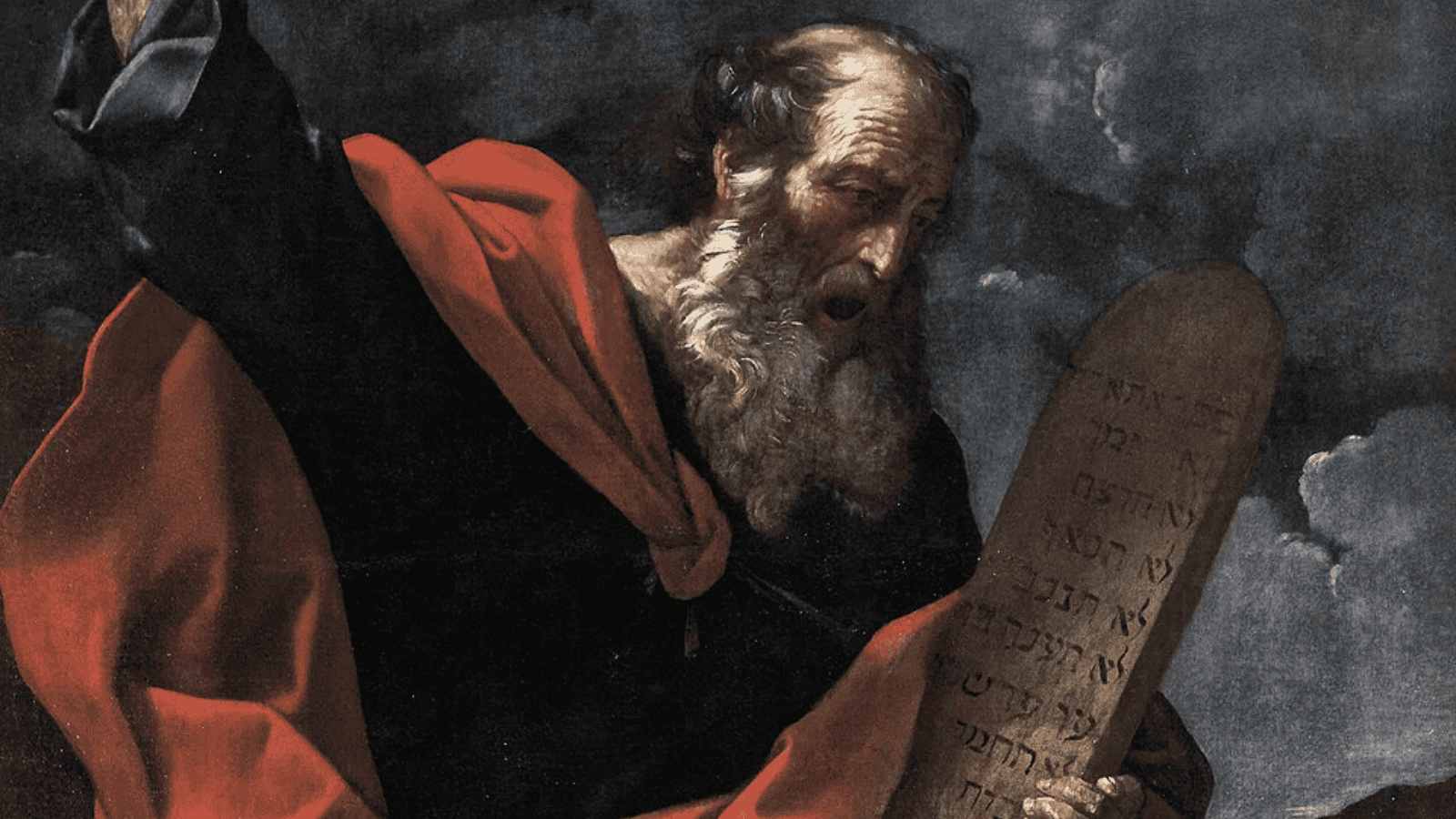
The Code of Hammurabi, carved around 1755 B.C.E., is one of history’s oldest legal codes. Scholars were shocked by how much it resembled the Mosaic laws in Exodus. Both codes contain specific rules for property theft, runaway slaves, and “eye for an eye” retaliation.
Scholar David Wright argues that the Mosaic laws were directly dependent on Hammurabi’s code. Hammurabi’s Law 117 frees a debt slave after three years, while Exodus 21:2 frees a servant after six. Even a goring ox is addressed with near-identical scenarios in both systems.
However, the fundamental difference lies in their social worldviews. Hammurabi’s laws protect wealthy elites and keep slaves subservient. Exodus limits class distinctions because everyone answers to God.
Divine storm imagery and the Canaanite Baal cycle
Canaanites praised their storm god, Baal, as the “Rider on the Clouds.” Intriguingly, Hebrew poets and prophets borrowed this exact imagery to praise Yahweh. Psalm 68 urges readers to “exalt him who rides on the clouds,” directly co-opting Baal’s primary title.
Similarly, Daniel 7 echoes the Baal Cycle scene in which the aged god El bestows kingship on the cloud-riding Baal. This was a calculated marketing move by biblical writers to prove that their God, not Baal, controlled the weather. By using their neighbors’ language, the Hebrew prophets effectively taunted Baal’s weakness.
They claimed that all of Baal’s storm powers actually belonged to Yahweh. This clever adaptation turned a pagan myth into a powerful monotheistic statement.
Key takeaway
So, did the Bible plagiarize its best stories? Not quite. While biblical writers clearly swam in the same cultural pool as their neighbors, they didn’t just copy and paste.
Instead, they took popular legends and gave them a radical ethical makeover. By stripping away chaotic pagan gods, they created a unique message of hope, human dignity, and moral accountability that still resonates today.
Disclaimer – This list is solely the author’s opinion based on research and publicly available information. It is not intended to be professional advice.
Like our content? Be sure to follow us