Should glucosamine users be concerned? Here’s what a new study found
Millions of Americans take glucosamine hoping to keep stiff, aching joints moving comfortably as they get older. For years, it’s been one of the most popular supplements for supporting joint health. But new research suggests there may be more to the story.
Scientists at the University of Florida recently uncovered an unexpected link between glucosamine use and cognitive decline in certain groups, raising new questions about a supplement many people have taken for decades. While the findings don’t prove that glucosamine causes memory problems, they do suggest the relationship may be more complex than researchers once believed.
So what exactly did the study find, who may be most affected, and should people who take glucosamine be concerned? Here’s what the latest research says—and what it doesn’t.
A Surprising Link To Brain Health
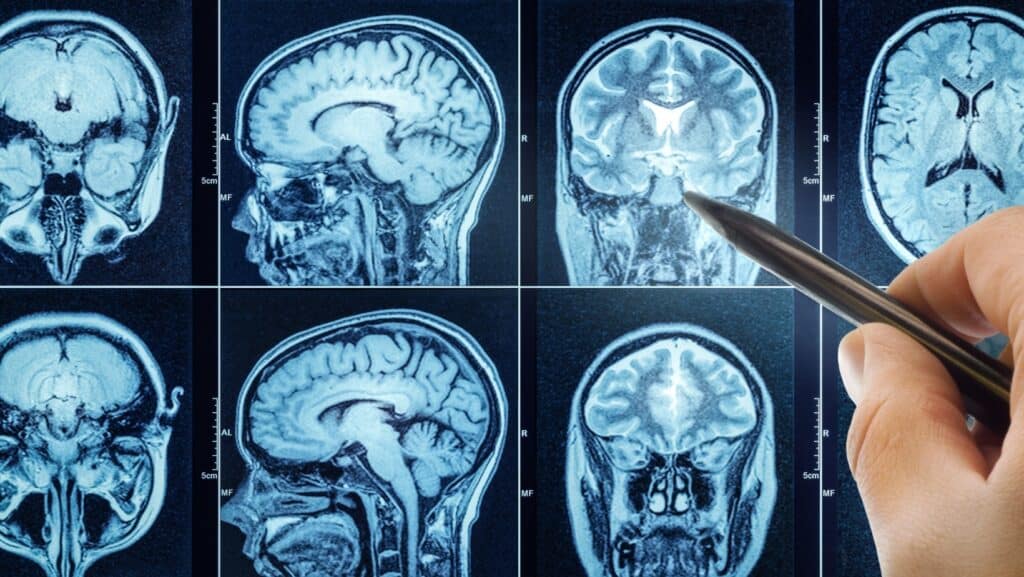
Scientists just dropped a bombshell report in the journal Nature Metabolism that demands our attention. Researchers discovered that glucosamine use is tied to a faster progression from mild cognitive impairment to full dementia. This discovery completely flips the script on how we view everyday dietary aids.
The team evaluated massive amounts of health data from thousands of older adults. They reviewed electronic charts from over 41,000 patients experiencing early memory issues between 2012 and 2024. Seeing such a huge sample size makes these red flags impossible to ignore.
The Increased Risk Of Death

You might think taking a joint helper is a safe bet for a longer life. Unfortunately, the study found a 25 percent increase in mortality risk for patients already diagnosed with Alzheimer’s disease who took the supplement. Hearing a number like that should make anyone pause before opening another bottle.
Medical experts are deeply troubled by how this sugar molecule interacts with a failing brain. The mortality jump appeared over a ten-year survival analysis for people with established neurodegeneration. It seems that a compromised mind simply cannot handle this specific chemical compound.
Accelerating The Dementia Timeline

Memory loss is a heartbreaking journey that nobody wants to speed up. The data showed a 25 percent higher likelihood of progression from mild cognitive impairment to full dementia. Families usually fight tooth and nail to buy more time with their loved ones.
Watching a parent slip away faster because of a joint pill is a tragic thought. Doctors urgently advise evaluating all daily habits if someone shows signs of early cognitive trouble. We must treat every over-the-counter bottle with the same caution as prescription drugs.
A Staggering Number Of Users

Walk down any vitamin aisle, and you will see shelves packed with glucosamine products. Roughly 40 million Americans rely on these specific supplements every single year to fight off arthritis pain. It is practically a staple in the morning routines of our senior citizens.
The University of Florida team noticed how prevalent this habit truly is among the vulnerable. About 8 percent of the dementia and memory impairment patients in their database were actively taking the pills. That percentage translates to hundreds of thousands of people potentially making their brain disease worse.
How The Damage Actually Happens

The science behind this problem involves a complex process called glycosylation. Glucosamine easily crosses the blood-brain barrier and feeds into pathways that build complex sugar structures on proteins. Think of it like pouring sticky syrup into a delicate computer motherboard.
A brain suffering from Alzheimer’s is already struggling to function correctly. This sugar tagging system becomes wildly overactive and starts piling onto proteins where it does not belong. The proteins eventually fail under the weight of these extra sugars and trigger cell death.
The Massive Patient Database

Studies with small groups often fail to show the true scope of a health crisis. To get accurate results, the researchers analyzed the health records of over 24,000 patients formally diagnosed with Alzheimer’s and related dementias. Having access to that much clinical history provides a rock-solid foundation for their warnings.
They used advanced artificial intelligence to carefully comb through twelve years of deidentified medical charts. The computer models controlled for age, gender, and demographics to rule out other potential causes for the decline. The connection remained loud and clear despite throwing multiple variables into the statistical mix.
Mouse Models Confirm The Fear

Scientists needed to prove that the pills were the actual culprit behind the cognitive crash. They ran specific experiments using genetically modified mice that displayed Alzheimer’s symptoms to test the theory. The furry test subjects gave researchers a front row seat to the biological destruction.
The results in the laboratory perfectly mirrored what doctors saw in human medical records. Feeding the diseased mice glucosamine significantly worsened their memory deficits and social recognition skills. Alternatively, blocking the sugar attachment process in the brain actually helped the mice recover some memory.
Healthy Brains Might Be Safe

There is a strange silver lining for people who possess completely healthy minds. The study indicates that the harmful effects appear specific to a brain already experiencing active neurodegeneration. If your memory is as sharp as a tack, your joint routine might not be an immediate threat.
Earlier research even suggested that glucosamine might lower dementia risks for cognitively healthy adults. The University of Florida scientists noted that their healthy mouse data remained consistent with the previous positive reports. The supplement essentially acts like a friend before the disease hits and turns into an enemy afterward.
Rethinking Your Daily Regimen

Knowing what we know now changes the game for senior healthcare management. Families must schedule immediate conversations with their primary care physicians about discontinuing these specific arthritis remedies. Waiting around for more bad news is simply a gamble you cannot afford to take.
Finding alternative ways to manage physical pain is suddenly a top priority for older adults. Physical therapy and low-impact exercise often provide joint relief without threatening your precious mental faculties. You have to weigh the value of walking comfortably against the ability to remember your grandchildren.
The Call For Better Clinical Trials

The medical community cannot ignore a danger signal that affects millions of vulnerable citizens. Experts are pushing for new studies to follow Alzheimer’s patients who agree to stop taking the supplement. Seeing if their cognitive decline slows down would provide the ultimate proof of harm.
Giving the supplement to memory-impaired patients for a study is totally unethical at this point. Researchers must rely on observing volunteers who voluntarily quit the pills to map out the exact recovery timeline. Until we get those final answers, playing it safe is absolutely the smartest move.
More articles you might like:
- 13 Everyday Struggles People With Narcissistic Personality Disorder Often Face
- What To Do When Your Aging Parent Says No To Mental Health Help
- The Best Probiotic Strains For Anxiety, Depression, And Stress