12 mindset shifts every woman needs before she starts working out at the gym
Walking into a busy gym can feel overwhelming, especially when you’re just starting out. The bright lights, mirrors on every wall, and constant sound of weights dropping can make it feel like everyone is watching you. For many women, that anxiety is very real. A FitRated survey found that almost 65% of women have avoided going to the gym because they were afraid of being judged, compared to 36% of men.
But creating a healthier relationship with fitness doesn’t start with the perfect workout split or expensive gym clothes. It starts with changing the way you think about movement, your body, and the space you deserve to take up in the gym. Here are 12 mindset shifts every woman needs before starting her fitfam journey.
From Punishment to Self-Care

Real self-care is about improving your quality of life, not punishing yourself for being human. Exercise supports both physical and mental health in ways that go far beyond weight loss. Regular movement can improve sleep, reduce stress, strengthen bones and muscles, improve mood, support brain health, and lower the risk of chronic illness.
The important shift is learning to see exercise as an act of care instead of correction. A 30-minute walk after work is no longer something you “have” to do because you ate badly; it becomes something you choose because it helps you feel calmer, healthier, and more energized. That mental shift matters because people are far more likely to stick with routines that feel supportive rather than shame-driven.
From “I Have To” to “I Get To”

One of the best ways to make exercise more sustainable is by making it enjoyable. Some people enjoy working out with friends because the social interaction distracts them from the effort. Others find that music, podcasts, or watching shows while doing cardio makes workouts feel shorter and easier.
Fitness also doesn’t need to look the same for everyone. Some people love lifting weights, while others prefer dancing, swimming, hiking, yoga, walking, or recreational sports. Movement becomes much easier to maintain when it feels like something you’re choosing instead of something you’re forcing yourself through.
The goal is not to suffer through workouts. The goal is to build a routine you can realistically enjoy enough to keep doing long-term.
From Perfection to Consistency

Perfectionism ruins more fitness journeys than laziness ever does. Many beginners believe workouts only count if they are intense, long, perfectly structured, and completed without interruption. The moment life gets busy or motivation drops, they feel like they’ve failed.
But real progress doesn’t come from perfect workouts. It comes from consistent effort over time. Life will always include stressful weeks, low-energy days, poor sleep, and unexpected interruptions.
Missing a workout does not erase your progress. One unhealthy meal does not destroy your health. What matters most is returning to your routine instead of quitting altogether.
Consistency might look like doing a shorter workout when you’re tired instead of skipping completely. It might mean going for a walk when you don’t have the energy for a full gym session. Small actions repeated regularly matter far more than occasional bursts of extreme motivation.
The people who maintain healthy lifestyles long term are rarely the people who are perfect. They are usually the people who learned how to keep going imperfectly.
From Quick Fixes to Long-Term Habits
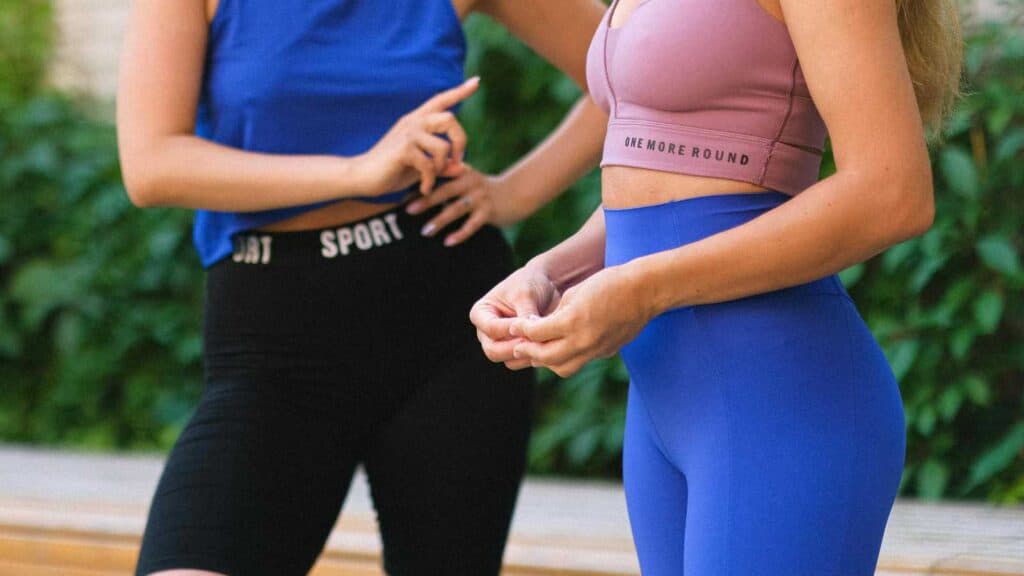
Many people approach fitness with an “all in” mindset. They rely on motivation, strict plans, or extreme discipline, expecting immediate results. The problem is that motivation fades quickly, especially when routines feel overwhelming. Habits are what create lasting change.
Research on habit formation suggests that behaviors become easier and more automatic through repetition, not intensity. That’s why small, repeatable actions tend to work better than dramatic lifestyle overhauls.
One helpful strategy is linking exercise to something already built into your routine. For example, going to the gym immediately after work instead of stopping at home first. Preparing your gym clothes the night before can also reduce the mental effort required to get started.
From Appearance Goals to Strength Goals

For many people, the original motivation to start exercising is appearance-based. They want to lose weight, tone up, or change the way they look. There’s nothing wrong with caring about appearance, but relying only on aesthetic goals can become emotionally exhausting.
Physical appearance is subjective and constantly changing. Lighting, water retention, hormones, stress, and mood can all affect how you perceive yourself on any given day.
Strength and performance goals provide something more stable and measurable. Instead of focusing only on what your body looks like, you begin focusing on what it can do. That could mean improving your squat form, lifting heavier weights, running longer distances, holding a plank for longer, or simply feeling stronger during daily activities.
Performance-based goals create confidence because progress becomes objective. You can clearly see improvement over time, and that progress tends to feel more empowering than chasing a constantly shifting physical ideal. Over time, many people discover that feeling capable and strong is far more fulfilling than obsessing over small physical imperfections.
From Comparison to Self-Focus

Comparing yourself to other people in the gym is one of the fastest ways to become discouraged. It’s easy to look around and assume everyone else is more confident, stronger, fitter, or more experienced.
What we often forget is that everyone is working from completely different starting points. Some people have been training for years. Others may be returning after a break. Some people naturally build muscle more quickly, while others progress more slowly due to genetics, recovery, sleep, nutrition, or stress.
Even outside the gym, lifestyle habits make a huge difference. Sleep quality, protein intake, stress levels, and consistency all affect results. That’s why comparison is rarely useful. You are comparing your behind-the-scenes struggles to someone else’s highlight reel.
The healthier approach is to learn to focus on your own progress. Are you stronger than last month? More confident than before? Recovering better? Feeling more energetic?
Your fitness journey becomes much more peaceful when you stop measuring your worth against strangers and start paying attention to your own growth instead.
From Motivation to Discipline

One of the biggest misconceptions about fitness is the belief that successful people are always motivated. In reality, motivation is unreliable. It changes constantly depending on stress, mood, energy levels, hormones, weather, and daily responsibilities.
Discipline is what keeps routines going after the excitement fades. That doesn’t mean forcing yourself into punishing workouts every day. It means creating systems that make consistency easier, even when you don’t feel particularly inspired.
Simple things help more than people realize: scheduling workouts in advance, packing your gym bag the night before, following a structured plan, or removing small barriers that make skipping easier.
Discipline also means accepting that not every workout will feel amazing. Some sessions will feel difficult or inconvenient. But continuing to show up, even imperfectly, builds trust in yourself over time.
The goal is not to feel motivated every day. The goal is to become someone who keeps promises to themselves even when motivation disappears.
From Fear of Judgment to Ownership

Gym anxiety is incredibly common, especially for women. Many people feel watched, judged, or out of place when they first enter fitness spaces, particularly in crowded weight areas.
That discomfort is not imaginary. Many women genuinely experience unwanted attention, unsolicited comments, or pressure to prove they belong in certain spaces.
One way to reduce anxiety is through preparation. Learning where equipment is located, having a written workout plan, or booking an induction session can help the environment feel more familiar and less overwhelming.
Walking into the gym with a clear plan also reduces the tendency to overthink what everyone else might be thinking. Over time, confidence grows through repetition. The more often you show up, the more normal the environment begins to feel.
Most importantly, it’s essential to remember that you do not need to “earn” your right to be there. You deserve access to fitness spaces regardless of your experience level, body type, or strength level.
From All-or-Nothing Thinking to “Something Is Better Than Nothing”

All-or-nothing thinking convinces people that if they cannot do everything perfectly, there’s no point doing anything at all.
This mindset is incredibly damaging because it turns small setbacks into complete failures. Missing one workout suddenly becomes “I’ve ruined the entire week.” Eating one unhealthy meal becomes “I might as well give up.”
But healthy routines are built in the middle ground, not in extremes. A shorter workout still matters. A quick walk still counts. Stretching for ten minutes still supports your body. Small efforts may not feel impressive in the moment, but they help maintain momentum and reinforce consistency.
One useful strategy is the five-minute rule: commit to just five minutes of movement. Often, getting started is the hardest part. Once you begin, continuing feels easier. And even if you stop after five minutes, you still keep the habit alive, and that matters more than most people realize.
From Shame to Curiosity

A lot of people use shame as their primary form of motivation. They criticize themselves harshly, hoping guilt will force them to change. Sometimes shame creates short bursts of motivation, but it rarely creates healthy long-term behavior. More often, it leads to burnout, avoidance, emotional eating, or completely giving up after small setbacks.
Curiosity is much more productive than self-judgment. Instead of attacking yourself for skipping workouts or struggling with consistency, ask yourself honest questions. Were you exhausted? Overwhelmed? Trying to do too much too quickly? Is your routine unrealistic for your current lifestyle?
Approaching setbacks with curiosity reduces unnecessary guilt and helps you solve the actual problem rather than simply blaming yourself. Sustainable fitness grows much faster in environments of self-respect than in environments of constant self-criticism.
From Obsessing Over the Scale to Recognizing Real Progress
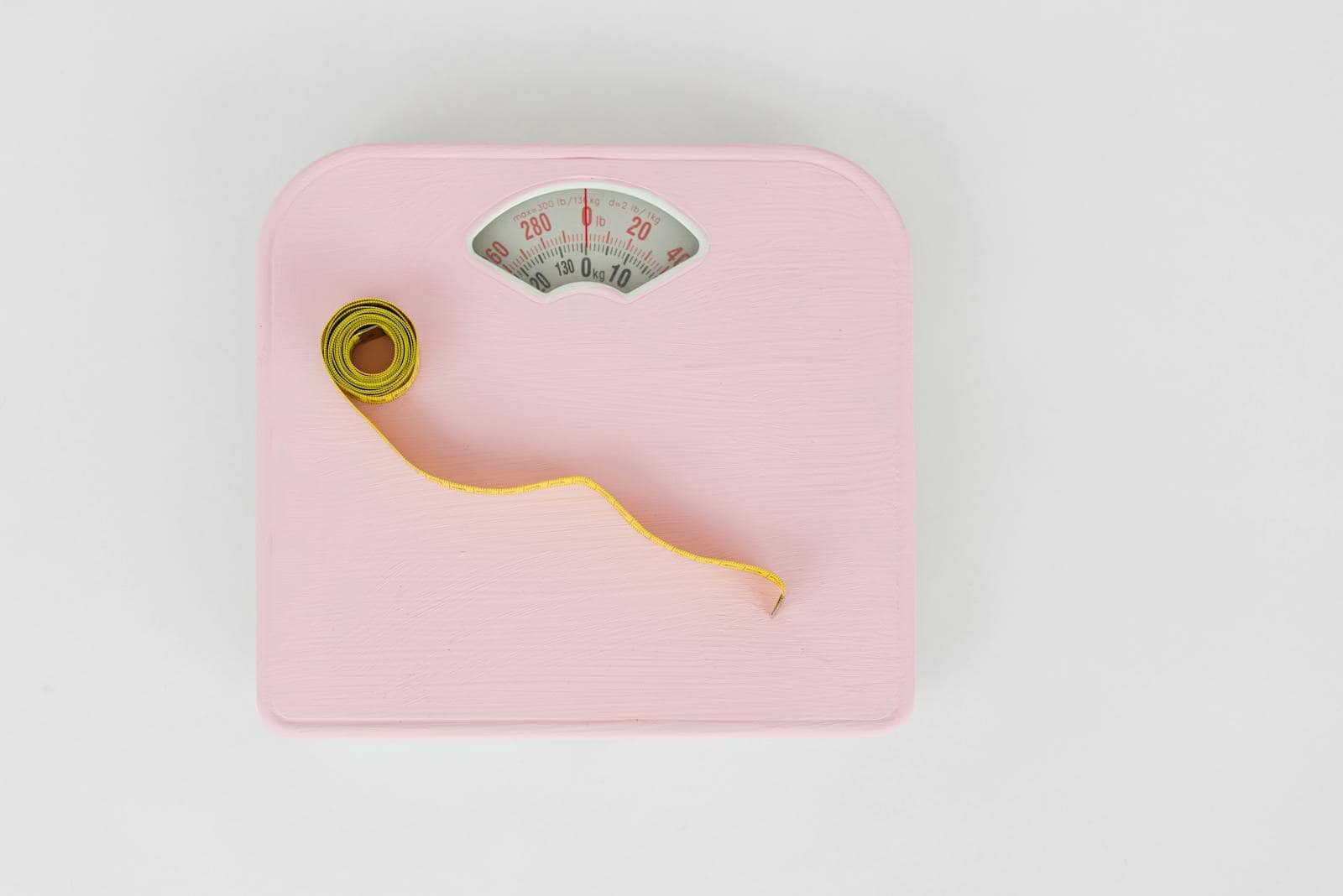
The scale only measures total body weight. It cannot distinguish between fat, muscle, water retention, food volume, hormones, or inflammation. That’s why relying on it as your main source of validation can become emotionally exhausting.
When people begin strength training, the body often temporarily holds extra water while muscles recover and adapt. Increased food intake, improved hydration, hormonal changes, and stress can all affect scale weight, too.
As a result, someone can become healthier, stronger, and fitter while the number on the scale barely changes, or even increases slightly.
That’s why non-scale victories matter so much. Better sleep, improved mood, increased strength, higher energy levels, better posture, improved endurance, and feeling more confident in your body are all meaningful forms of progress. Health is much bigger than a number on a bathroom scale.
From Self-Hate to Self-Respect

It is incredibly difficult to maintain healthy habits when your inner voice is constantly cruel to you. Chronic self-criticism often leads to self-sabotage because deep down, it becomes hard to believe you are even worth the effort. Self-respect creates a healthier foundation for change.
That doesn’t mean loving every part of yourself every single day. It means treating yourself with enough kindness and patience to continue showing up even when progress feels slow.
Sometimes self-respect looks very simple: eating properly, resting when needed, going to the gym even when you feel insecure, or speaking to yourself with less hostility.
A powerful exercise is identifying the hidden “rules” behind your self-criticism. Where did those expectations come from? Social media? Family pressure? Past relationships? Unrealistic beauty standards?
The more you challenge those borrowed expectations, the easier it becomes to build a relationship with fitness based on care instead of punishment.
Before your next workout, try replacing criticism with something simpler:
“I’m showing up to take care of myself today, and that is enough.”
Key Takeaways

- Exercise should support your health and well-being, not punish you.
- Consistency matters far more than perfection.
- Small habits repeated regularly create long-term change.
- Strength, energy, confidence, and better sleep are all forms of progress.
- Feeling nervous in the gym is common, but confidence grows through repetition and preparation.
- You do not need to earn your place in the gym; you already belong there.
Disclaimer – This list is solely the author’s opinion based on research and publicly available information. It is not intended to be professional advice.
Like our content? Be sure to follow us.