11 things to know about strength, strain, and physical resilience
Data from athletic metabolic profiles indicate that a highly active body can reach a total daily energy expenditure exceeding 4,900 calories. Your typical busy day uses only a small fraction of that raw biological energy. The sluggishness you feel is not a sign of physical failure or broken tissue.
Instead, it is just a highly conservative dashboard warning light designed to keep you safe. Your body can handle vastly more strain, weight, and movement than your internal dialogue lets you believe. Once you understand the cold, hard science of human resilience, you can stop fearing physical effort. You can finally start building a genuinely strong and durable physical foundation.
Physical limits are often mental, not physical

Your brain operates as a highly cautious protective system. Sports scientists call this model the Central Governor. This internal system forces you to feel completely fatigued long before your muscle fibers face any real risk of failure. When your internal voice screams that you cannot handle another step, it is usually triggered by emotion rather than a true physical warning.
You can actively rewrite this chemical messaging system through pure mental focus. When you intentionally pivot your attention to what your limbs can do instead of what they cannot do, your brain chemistry shifts. This simple shift activates a positive neurochemical feedback loop. Your system releases confidence-boosting chemicals that instantly alter how your body perceives physical strain.
Strength training benefits all ages
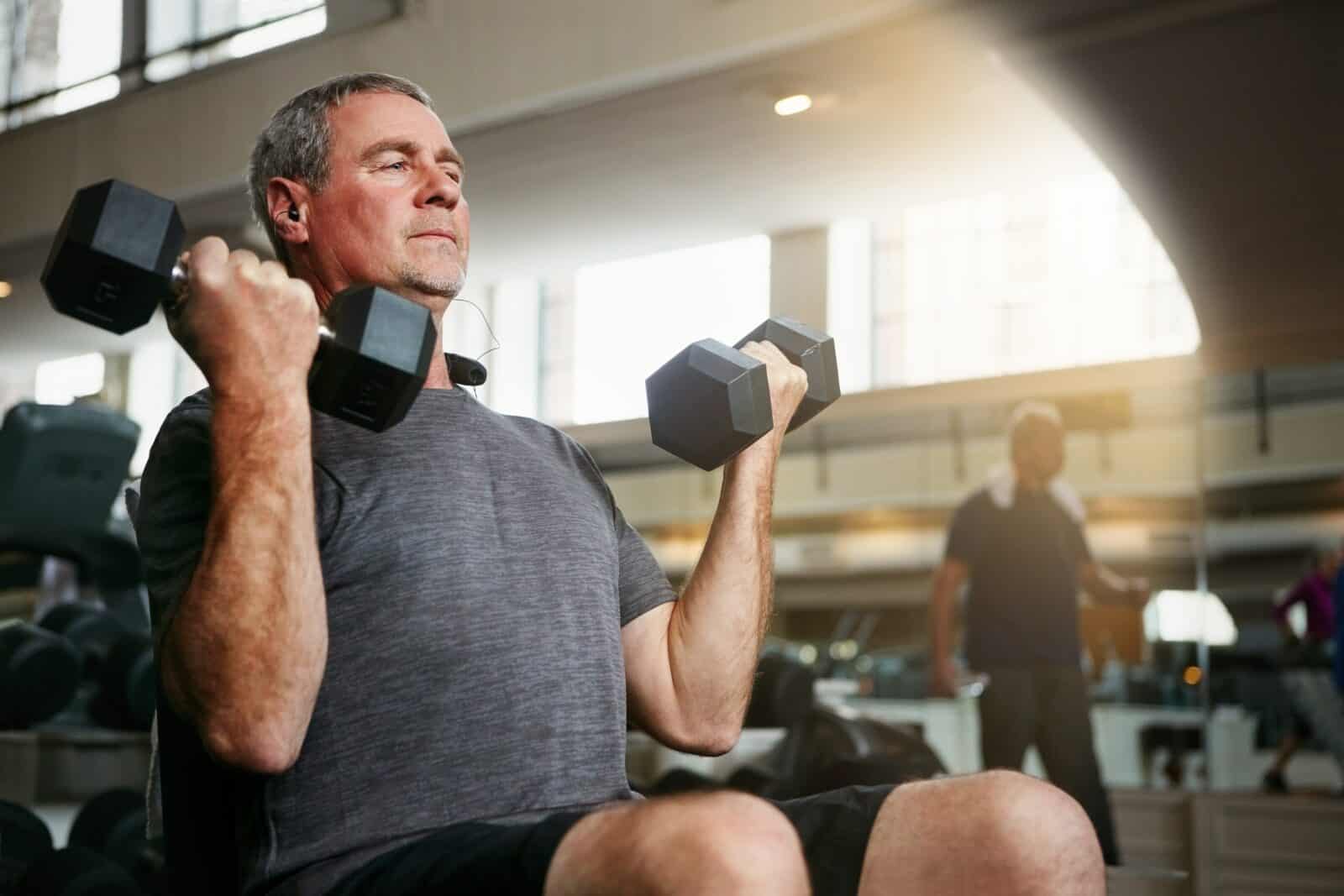
Lifting weights is not a niche hobby reserved exclusively for young bodybuilders or elite athletes. Resistance exercises scale flawlessly across every single stage of your life. For children and adolescents, supervised training with a strict focus on technique builds critical developmental foundations. It enhances coordination, boosts basic motor skills, and fosters personal discipline.
For adults aged 18 to 64, lifting weights remains essential for maintaining peak physical condition. Experts recommend targeting your major muscle groups at least 2 to 3 times per week.
Doing this regularly provides massive protection against chronic lifestyle diseases like diabetes and heart problems. It also manages body composition, improves posture, and boosts daily energy levels.
Heavy lifting doesn’t bulk women automatically

Many women avoid lifting heavy weights out of a deep fear that they will wake up looking like an oversized bodybuilder. This outcome is a biological impossibility. Women simply do not produce enough testosterone to trigger rapid, extreme muscle mass growth. Testosterone is the primary hormonal driver of muscle hypertrophy, and your natural levels will not support accidental bulk.
Building massive muscle volume requires an incredible amount of dedicated time and food. You cannot construct new tissue out of thin air. Real muscle growth demands a deliberate, massive caloric surplus paired with a hyper-targeted high-protein diet. Since most fitness-conscious women eat at a baseline maintenance level or a slight calorie deficit, large-scale mass gain cannot happen.
Muscle doesn’t turn into fat
Muscle tissue and fat tissue are entirely different biological structures. Muscle consists of protein, amino acids, and water. Fat consists of adipose tissue. It is a strict biochemical impossibility for one to magically transform into the other. They are as different as apples and stones, and your body lacks any mechanism to swap their cellular identities.
The myth of muscle turning to fat persists due to a common body-composition illusion. When a highly active person suddenly stops training, they often lose muscle mass and gain fat mass at the exact same time.
An InBody 570 test example tracked a person weighing 261.9 pounds who experienced this exact shift. They lost 7 pounds of muscle and gained 7 pounds of fat simultaneously. Their overall scale weight stayed exactly 261.9 pounds, but their body fat percentage jumped from 13.0% to 15.7%. The muscle did not change into fat.
Strength training is safe for joints

Lifting heavy weights does not grind down your joints. In fact, a lack of regular movement is what makes your joints stiff, painful, and highly vulnerable to acute injury. When you lift weights, you strengthen the muscles, tendons, and ligaments that surround your joints. These tissues act like a highly supportive custom brace, absorbing impact and shielding the joint capsule from harm.
Clinical data show that high-intensity workouts significantly lower disease activity and relieve daily pain. People with serious joint conditions, such as rheumatoid arthritis or axial spondyloarthritis, experience significant functional improvements from resistance training. Modern research confirms that safe, controlled mechanical impact actively rewards your joints by keeping them lubricated and functional.
Injury risk is low with supervision

Lifting weights is incredibly safe when you remove ego and guesswork from the equation. Most injuries happen when people copy improper form from their friends or rush into heavy loads too fast. Working alongside a certified personal trainer provides a major guardrail against these common mistakes. A professional supervisor spots subtle flaws in your movement and corrects your alignment immediately.
Bad technique places massive, unnecessary stress on your joints and tendons. Over time, this poor movement mapping results in chronic back problems and knee injuries. A qualified coach ensures your mechanics remain flawless throughout every single repetition. They keep your movements slow, focused, and perfectly controlled so that the stress lands entirely on your target muscles.
You don’t need a gym

You do not need to spend hundreds of dollars on a commercial gym membership or fancy home equipment to stay fit. The best fitness tools are completely free, and you carry them with you everywhere. Your own bodyweight and a basic willingness to move are all it takes to build exceptional physical readiness.
You can get top-tier cardiovascular health completely outside of a traditional gym environment. Free, accessible activities like running, jogging, jumping rope, or walking around your neighborhood get your blood pumping beautifully. Even simple mobility stretches performed on your bedroom floor right after you wake up will radically improve your flexibility and daily energy levels.
Short workouts work

You do not need to spend hours sweating in a weight room to see real physical changes. A highly effective workout can fit into a tiny window of time. A 30-minute session accounts for a mere 2% of your entire day. Even short 10-minute blocks of movement provide incredible documented health benefits because training duration does not determine success.
The secret relies on a concept known as the minimum effective dose. This is the absolute smallest amount of training required to spark a positive physical adaptation in your body. The famous Tabata protocol beautifully demonstrates this concept. Just 4 minutes of high-effort intervals split into 20 seconds of hard work and 10 seconds of rest can create a powerful fitness stimulus.
Spot reduction is a myth

You cannot pick and choose where your body burns away stored fat. Doing hundreds of crunches will not magically melt fat away from your stomach. When you exercise, your muscles cannot grab energy from the fat deposits sitting right next to them. The body must use a complex systemic process called lipolysis to convert stored triglycerides into free fatty acids.
These components enter your bloodstream and travel across your entire body. Your working muscles draw energy from this global circulating pool rather than a localized spot. A 12-week clinical trial explicitly demonstrated this by tracking participants in an abdominal exercise program. The group doing targeted stomach exercises experienced no greater reduction in belly fat than the group using diet alone.
Strength training protects bone density

Bone loss is a major hidden threat as we get older. In the United States alone, an estimated 8 million women and 2 million men suffer from osteoporosis. This silent weakening of the skeletal system causes more than 2 million fractures every single year. Hip fractures are especially dangerous, and 6 out of 10 people who break a hip never fully regain their former independence.
After age 40, inactivity and poor nutrition cause you to lose bone mass at a steady rate of 1% per year. At that rate, your bones can eventually fracture from simple daily movements like bending down to tie your shoes. Strength training provides a powerful shield against this decline. Resistance exercises put a safe, mechanical load on your skeleton.
Strain is necessary for adaptation

Your body will never upgrade its internal architecture if you only expose it to comfortable, low-level movements. In biomechanics, strain measures how much a tissue stretches under a physical load. Gerard McMahon published a critical 2022 review in The Journal of Strength and Conditioning Research showing that human tendon adaptation is completely nongraded.
This means your body operates on a strict threshold system. If a physical movement does not cross a specific high-intensity strain threshold, your body registers a score of zero for adaptive response. You must introduce a disruptive stimulus to give your tissues a reason to adapt. When you cross that threshold, the physical transformations are incredibly swift.
Key Takeaways
- Your internal feelings of fatigue are mostly emotional warnings from a cautious Central Governor, not real physical limits.
- Muscle tissue can never transform into fat tissue because they are entirely separate biological structures.
- Resistance training protects your joints by strengthening the surrounding connective tissues, which shield them from daily wear and tear.
- Your tendons and bones operate on a strict threshold system that requires high force to trigger any upgrade.
- You do not need expensive commercial gym memberships or fancy setups to build a resilient, strong, and highly capable body.
Disclaimer – This list is solely the author’s opinion based on research and publicly available information. It is not intended to be professional advice.
Like our content? Be sure to follow us.