We owe Boomers an apology: 12 frugal “home economics” skills every American needs right now
Inflation is turning once-dismissed home economics skills into essential financial survival tools for millions of American households.
Remember when high schoolers had to bake a perfect loaf of bread or stitch an apron to pass class? For decades, younger generations laughed off those home economics courses as outdated relics of a bygone era. Now, skyrocketing prices have turned that old-school wisdom into ultimate survival tools for modern bank accounts.
Perhaps those elders were completely right about self-sufficiency all along. Inflation has forced a major reality check on how daily household expenses are handled. Turning back to basic domestic tricks is the smartest financial move available right now. It is time to swallow some pride and learn the forgotten arts of thrift.
Cooking From Scratch To Beat Restaurant Markups

Fast food used to be the cheap escape for busy nights. However, a 2026 report from the USDA Economic Research Service shows restaurant prices jumped 3.8 percent over the prior year. Baking bread and simmering a basic pot of soup can save hundreds of dollars each month.
Grandma did not rely on prepackaged meal kits or pricey takeout windows. She kept flour, lard, and beans in the pantry to whip up cheap dinners out of thin air. Learning to make a simple roux or roast a whole chicken creates delicious food for pennies.
Mending Clothing Instead Of Replacing Garments

Fast fashion makes it tempting to toss a shirt away when a button falls off. Throwing away a garment over a tiny tear is a massive financial waste. Learning the simple art of sewing a straight stitch keeps money in your wallet.
A cheap needle and thread kit can extend the life of a favorite pair of jeans by years. Baby Boomers grew up darning socks and patching elbows because textile goods required respect. Basic garment repair is an easy skill that halts the endless cycle of buying cheap replacements.
Eliminating Waste By Stitching Modern Textiles
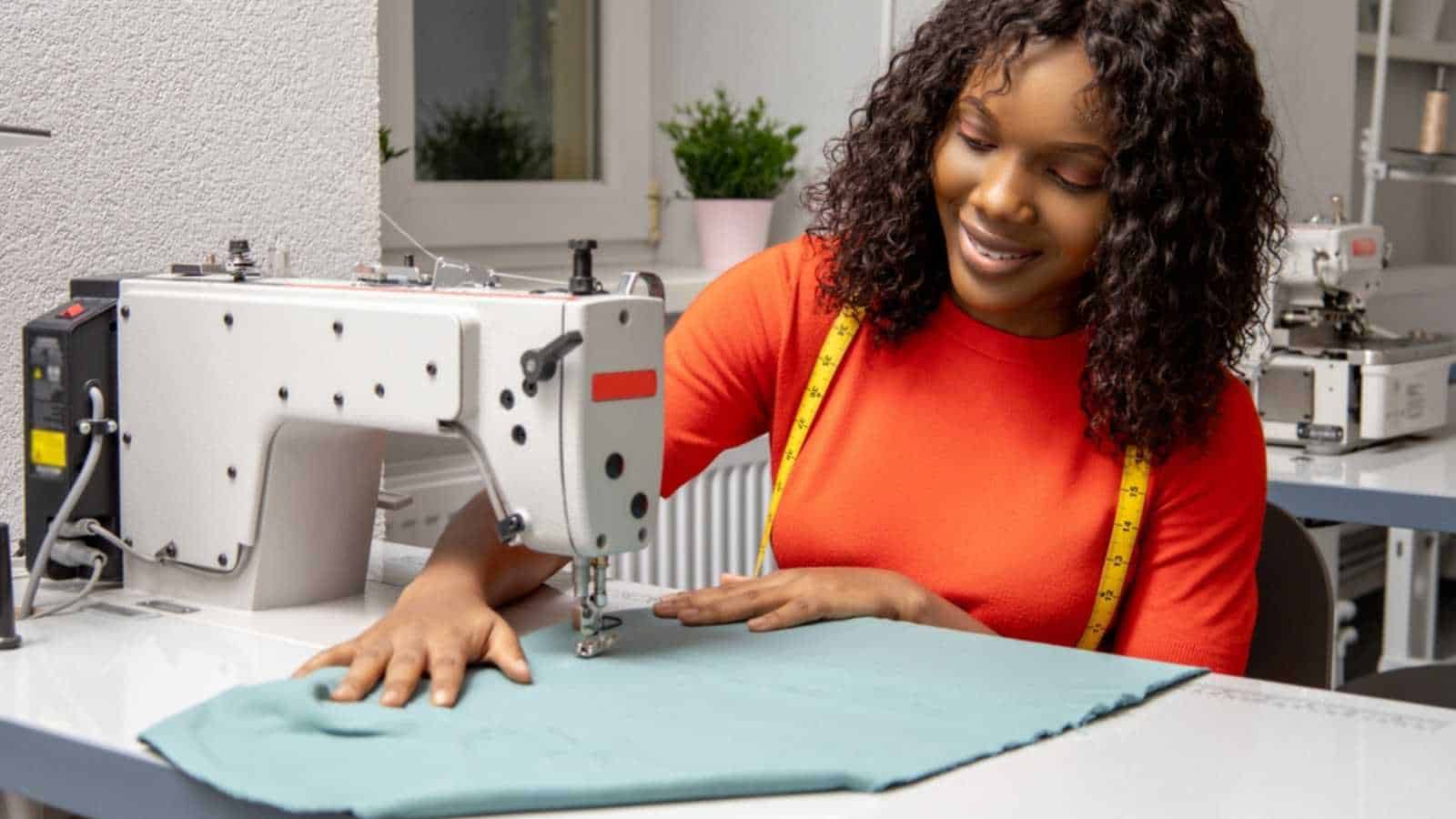
Discarded clothing has created a massive environmental and financial burden across the country. Recent Earth.Org data shows the average American throws away 81.5 pounds of clothes annually. Fixing a broken zipper or hem can prevent perfectly good items from heading straight to landfills.
Thrift stores are packed with durable vintage items that just need a minor fix. Spending ten minutes with a sewing kit can make an old jacket look completely fresh. Mastering a basic blind hem stitch saves a fortune on professional tailoring bills.
Managing Food Budgets With Meal Planning

Staring blankly into an open refrigerator often ends with a costly food delivery order. Boomers avoided this trap by scheduling meals around weekly supermarket sales. Writing down a menu before heading to the grocery store stops impulsive spending in its tracks.
Food waste is essentially throwing hard-earned cash directly into the trash can. Planning meals helps utilize every single ingredient before it spoils in the crisper drawer. A structured grocery plan turns chaotic kitchen management into an efficient money-saving machine.
Shopping Strategic Sales To Counter Food Inflation
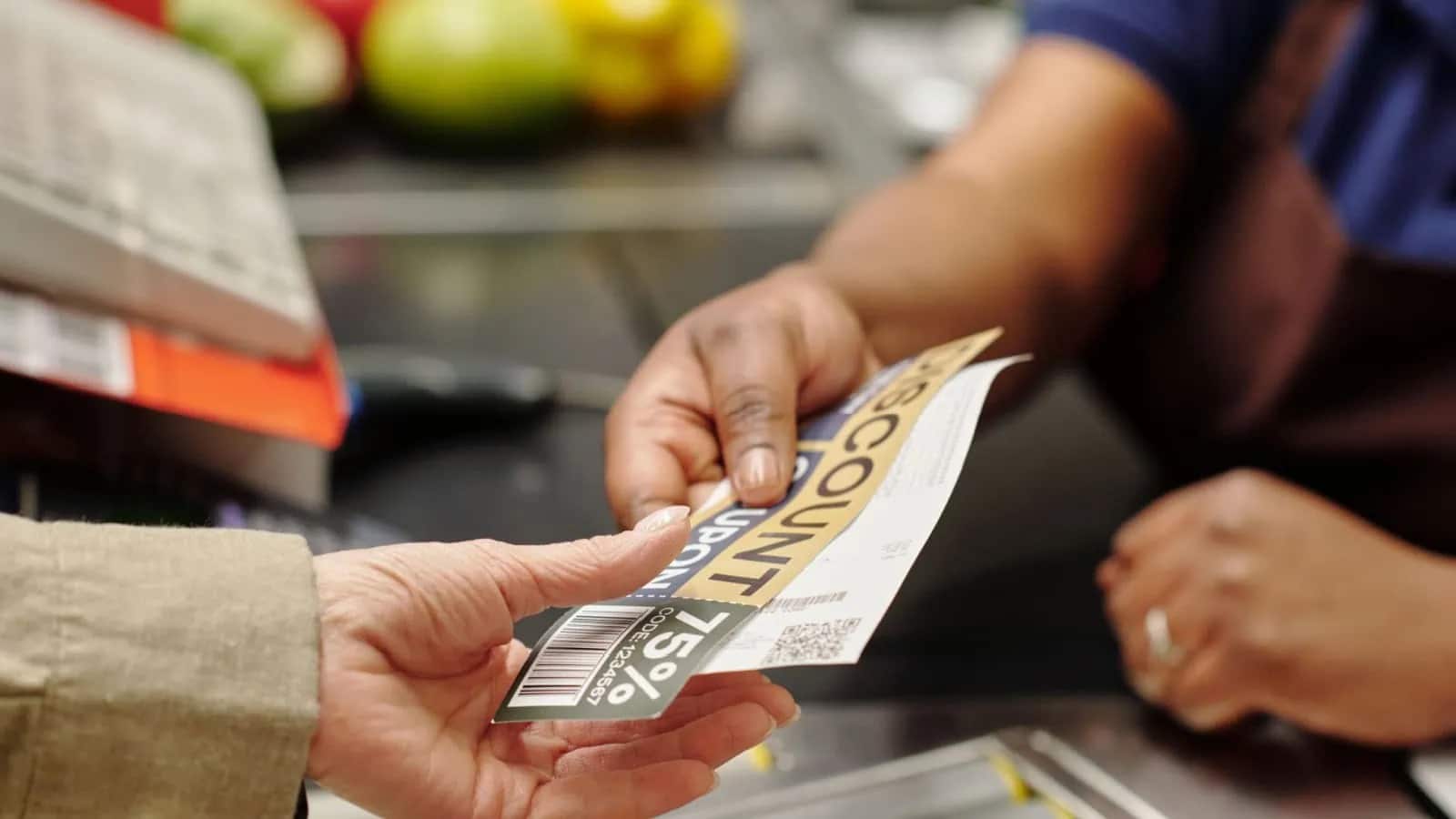
Grocery checkout lines have become places of intense sticker shock recently. A Yahoo Life report from 2025 reveals that the average single American spends 370 dollars per month on groceries. Buying pantry staples in bulk during deep discount periods slashes the baseline cost of living.
Clipping coupons and tracking store circulars might seem tedious to younger shoppers. Yet, stacking store discounts with manufacturer offers creates massive bottom-line savings. Adopting these classic shopping habits provides immediate relief at the register.
Preserving Seasonal Produce Through Canning
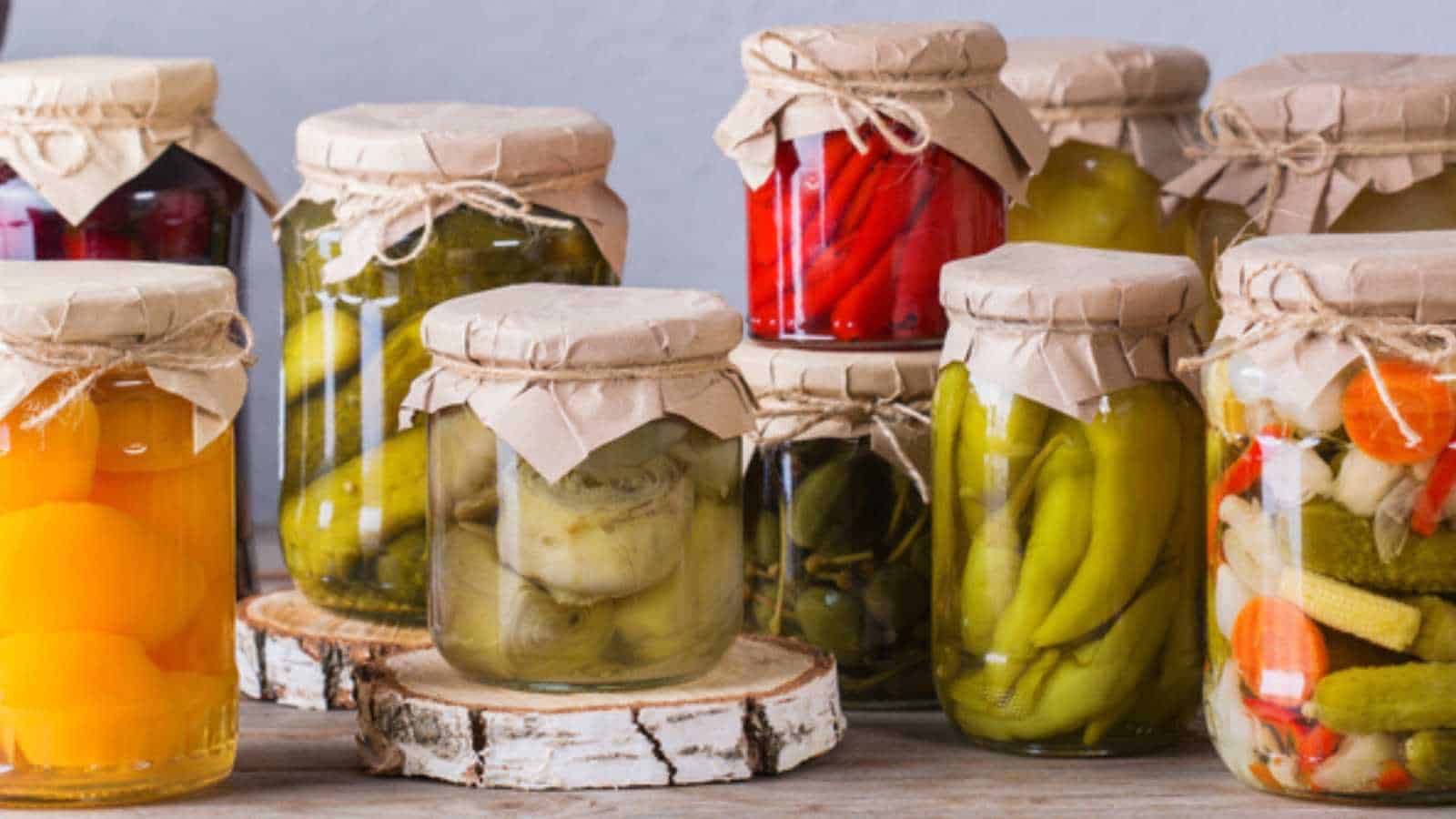
Summer gardens yield an abundance of cheap produce that often goes to waste by autumn. Learning how to water bath can tomatoes preserves summer flavors for the winter months. Stocking a root cellar with homemade preserves reduces reliance on high grocery store prices.
Pickling and drying fruits are excellent ways to lock in low seasonal costs. Our grandparents understood that food security meant preparing for leaner times ahead. A row of mason jars filled with homemade jam represents financial peace of mind.
Performing Basic Home Repairs Without A Contractor
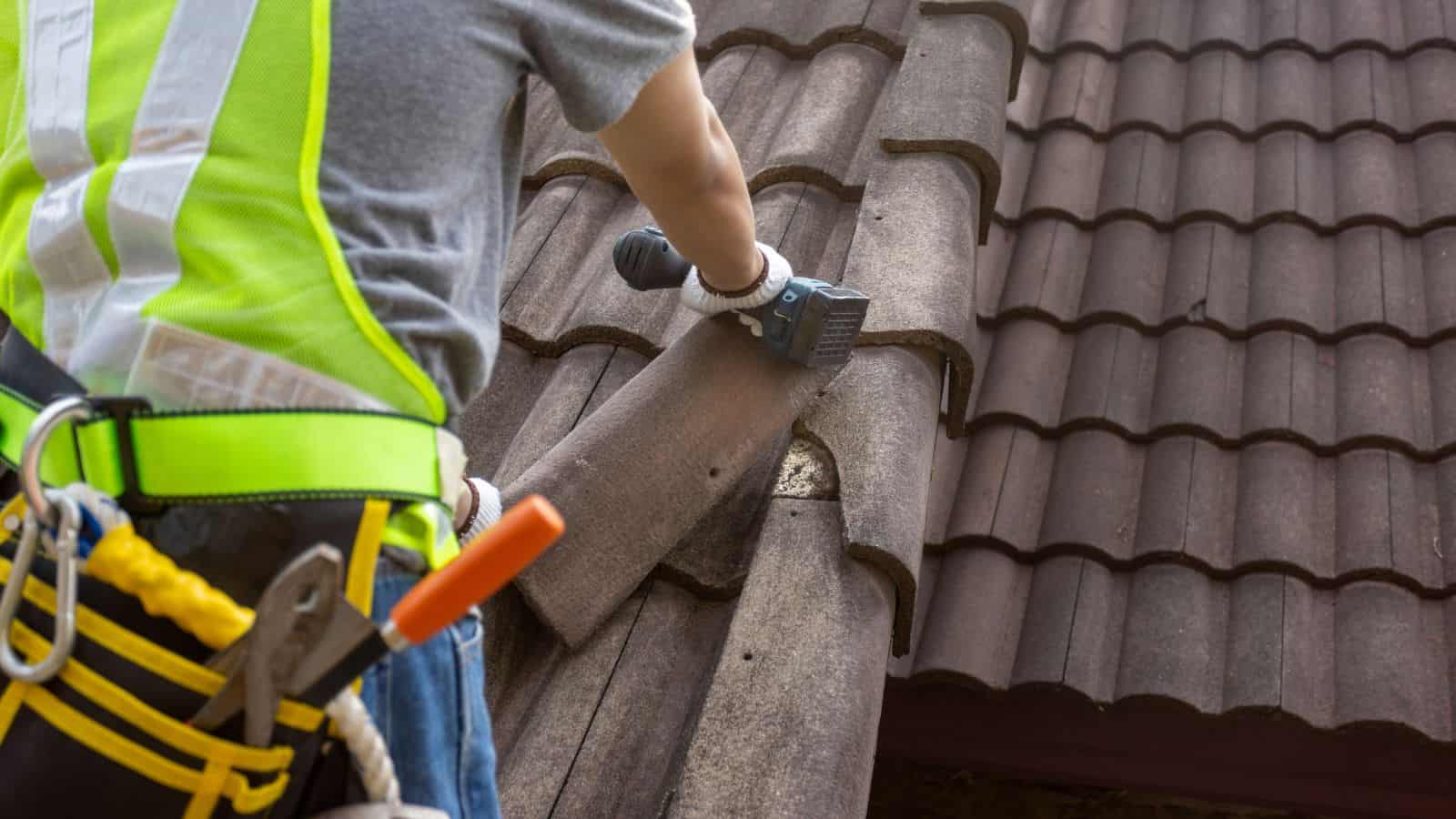
Calling a professional for every minor household issue drains bank accounts instantly. A 2025 Bankrate annual report notes that the average homeowner spends 8808 dollars annually on maintenance. Learning to fix a running toilet or a leaky faucet keeps cash in your pockets.
Basic plumbing and carpentry skills are easily learned through free online video tutorials. Simple tools like a wrench and a screwdriver can solve most minor household issues. Taking charge of minor home maintenance prevents small problems from becoming financial emergencies.
Practicing Line Drying To Lower Utility Bills

Electric clothes dryers are notorious energy hogs that quietly spike monthly power bills. Hanging clothes on a clothesline utilizes free sunshine and wind to dry fabrics naturally. Switching to air drying preserves fabric fibers while lowering household energy consumption.
There is an old-school joy in smelling sheets fresh off an outdoor clothesline. This simple habit requires zero electricity and extends the lifespan of expensive wardrobe items. Ditching the dryer machine saves significant money over the course of a single year.
Tracking Household Expenses With Strict Cash Budgets

Swiping plastic makes it incredibly easy to ignore exactly how much money is disappearing. According to a Q1 2026 Federal Reserve Bank of New York report, total credit card debt hit 1.25 trillion dollars. Using physical cash envelopes for flexible spending categories builds total financial discipline.
When the physical paper money runs out, the spending stops for that month. This traditional budgeting system forces a conscious choice with every single transaction. Reclaiming control over cash flow prevents accidental overspending on nonessential luxury items.
Mixing Homemade Cleaning Products From Scratch
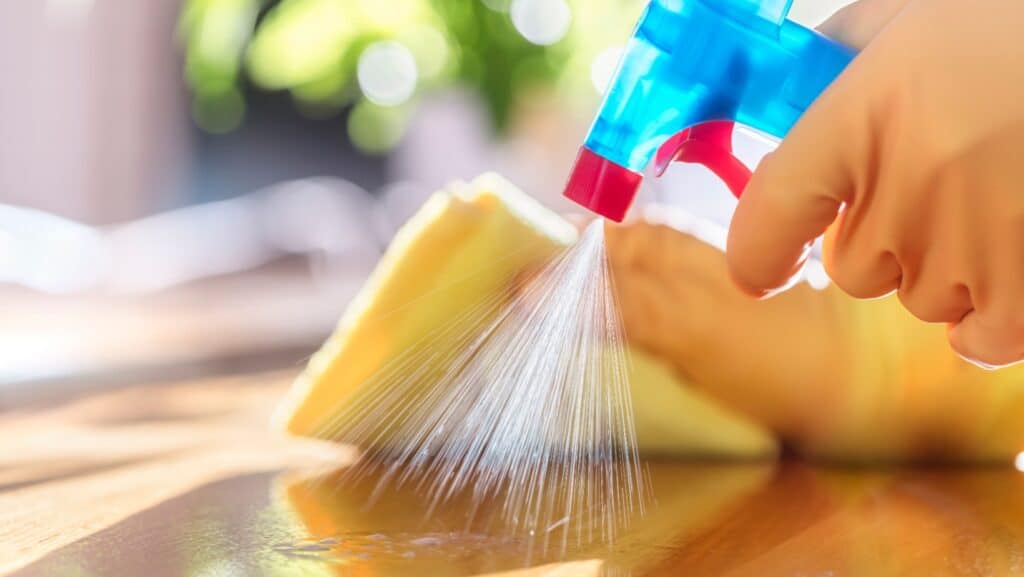
Commercial cleaning supplies are heavily marketed and come with expensive price tags. Most household messes can be cleaned effectively using basic pantry staples like vinegar and baking soda. Creating homemade all-purpose cleaners cuts chemical costs down to mere pennies per bottle.
A simple mixture of water and rubbing alcohol makes windows shine without expensive sprays. Skipping the commercial cleaning aisle prevents toxic chemicals from entering the home environment. Embracing basic chemical compounding keeps the cleaning budget under tight control.
Avoiding Credit Card Interest Fees Entirely

Carrying a monthly balance on plastic is an incredibly expensive financial habit. A 2026 Forbes report 403 states the average interest rate on interest accruing credit card accounts is 21.52 percent. Paying off balances in full every month eliminates unnecessary interest charges.
Boomers generally viewed credit as an emergency backup rather than a primary lifestyle funding mechanism. Saving up cash before making a major purchase prevents building a mountain of high-interest debt. Sticking to hard limits protects household wealth from predatory interest rates.
Repurposing Food Leftovers To Minimize Waste
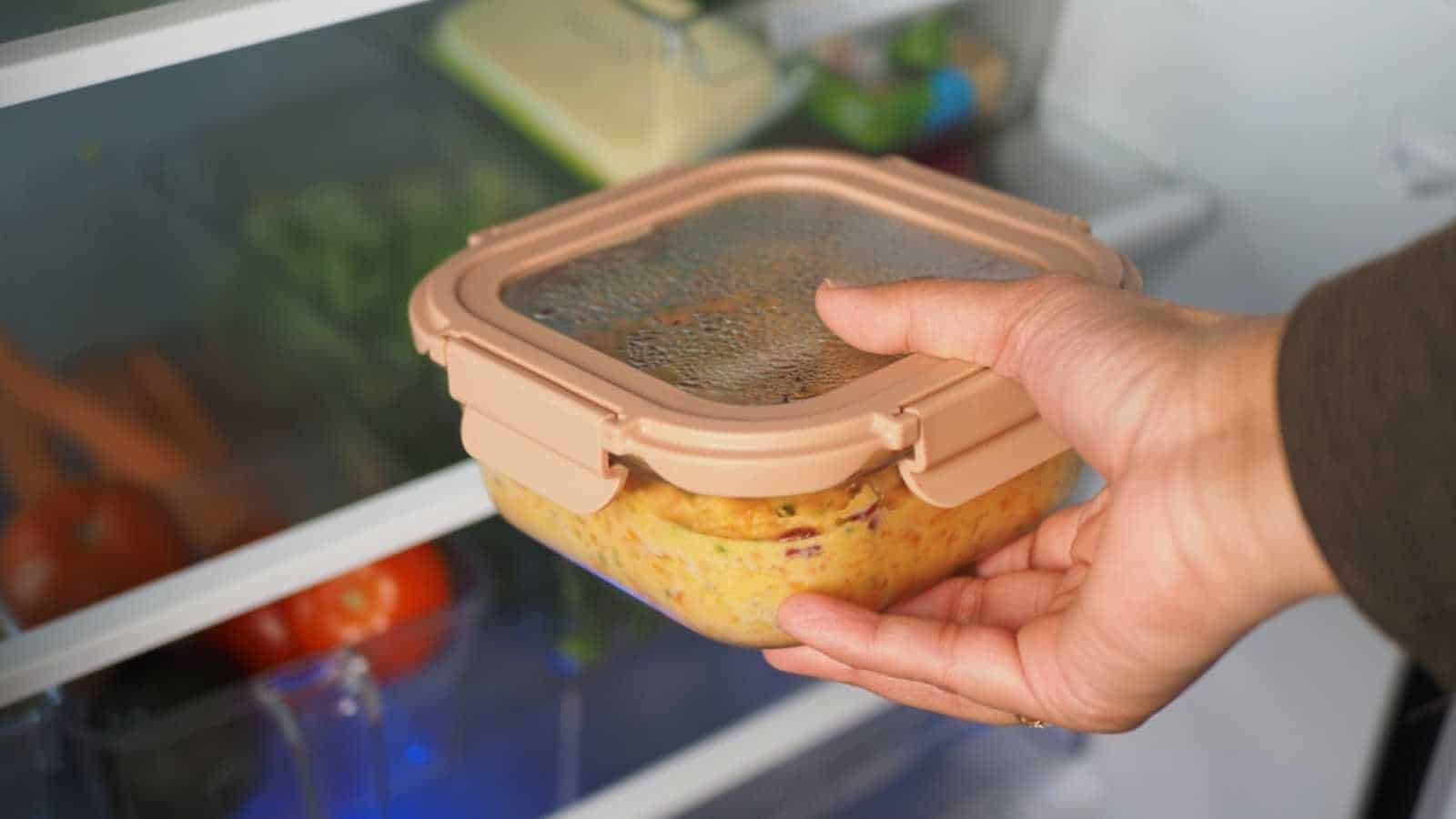
Throwing away half-eaten dinners is equivalent to tossing cash into the garbage disposal. Turning last night’s roasted vegetables into a morning frittata keeps the food budget lean. Creative reuse of leftover food is a classic domestic art that modern families need.
Stale bread can easily become crunchy croutons or a delicious bread pudding dessert. Transforming chicken bones into a rich soup stock stretches grocery dollars to their absolute limit. Treating every scrap of food as a valuable resource maximizes household savings.
Like our content? Be sure to follow us