11 Bible Ideas That Spark Deep Debate
Let’s be real, Bible study can feel like walking into a rabbit hole sometimes. You think you’re just reading some ancient text for inspiration, and then bam, you stumble into verses that make you question everything.
In fact, research by Faithward shows that people interpret Scripture in wildly different ways depending on their background, education, and personal beliefs, meaning one passage can spark a heated debate in one group while seeming perfectly clear in another.
Some ideas make perfect sense, others make you go, “Wait, what?” Honestly, some of these topics have sparked more coffee-fueled debates than politics ever could.
I’ve spent countless evenings chatting with friends, debating over dinner, and even arguing quietly with myself, and these 11 ideas always come up. Buckle up, because some of them will challenge what you thought you knew.
Creation vs. Evolution

Ever wonder how the world began? This debate is one of the most persistent in Christian thought. Some people read Genesis literally, Creation in six days, and that’s that, while others embrace the idea that Genesis might be symbolic, pointing to truths that are deeper than a literal timeline.
Here’s where it gets spicy: the academic theological world is still hashing this out. Some researchers suggest the Bible’s creation stories and evolutionary science need not be enemies; the narratives can be both poetic and true in different ways.
Others point out that insisting on a strictly literal reading clashes with geological evidence of deep time and natural selection, sparking questions about even the nature of divine action itself.
So yes, this argument isn’t just for Sunday school, it’s a real intellectual tug‑of‑war that continues to evolve as science and theology bump heads.
Free Will vs. Predestination

Okay, this one hits differently. Imagine living your whole life thinking every choice is yours, only to learn it might already be part of a cosmic script. Free will vs. predestination is like the theological version of “Who’s driving this car anyway?”
Philosophers and theologians have debated if human choices truly matter if God already knows everything that will happen.
Some argue that if God infallibly foreknows every decision, then free will in the strongest sense doesn’t really exist, which in turn raises the question of whether our responsibility for our choices is real.
Others find ways to balance both: the idea that God knows what we’ll choose without forcing those choices down our throats. It’s messy, deeply personal, and one reason this topic keeps coming up dinner after dinner.
So are we in control? IMO, that’s what keeps the debate alive: nobody’s entirely sure, and everyone’s got a verse to back their side.
Miracles
Walking on water. Turning water into wine. Parting seas. Boom miracles. But how should we understand these passages? Literal historical events? Or symbolic stories packed with deeper truths?
Some Christians swear miracles are factual historical happenings, direct interventions of divine power. Others see them as narrative devices that communicate hope, identity, and spiritual transformation.
Personally, I love the idea that even if miracles were symbolic, they still inspire faith and wonder. In case they happened exactly as written or are meant to teach us something larger, the debate prompts people to think about faith, evidence, and how we interpret sacred texts.
The Problem of Evil

Ever noticed how life sometimes feels like a poorly written reality show? Tragedy hits, bad luck piles up, and you ask, “Why would a loving God allow this?” The problem of evil is one of the most discussed and most painful questions in theology.
From natural disasters to personal suffering, people struggle to reconcile an all‑powerful, all‑loving God with the reality of violence, disease, and heartbreak.
Scholars break this down into theological terms: good vs. “natural evil” arising from biological processes, suffering unrelated to human choices, and the question of how divine love fits into it all.
I’ve personally faced moments where this one question made me pause mid‑prayer. Some argue that suffering builds character or is part of a larger divine purpose.
Others point out that suffering remains a serious challenge for anyone who takes both Scripture and personal experience seriously.
Prophecy and Interpretation

Prophecies in the Bible are like riddles wrapped in layers of history, culture, and symbolism. Are these messages literal predictions about future events, or are they symbolic narratives meant to reveal spiritual truths and ethical guidance?
Friends of mine have spent countless hours debating if specific prophecies have already been fulfilled, are unfolding now, or are still ahead.
Some argue that certain details clearly point to historical or contemporary events, while others insist that prophetic language is inherently poetic, conveying timeless themes of judgment, hope, and redemption rather than precise timelines.
This makes the Bible feel alive rather than static, constantly inviting readers to interpret, question, and reflect deeply on meaning.
Engaging with prophecy pushes believers to consider context, culture, and personal perspective, sparking rich discussions that illuminate both history and faith in new ways.
Hell

Talk about a topic that gets people squirming. When the Bible talks about Hell, many imagine burning flames, screaming souls, and eternal torment in classic Dante style.
But modern theology offers nuance. Some scholars suggest Hell might represent eternal separation from God rather than literal fire and brimstone.
Growing up, the fiery imagery scared me silly, lava, screams, the works. As an adult, I can see why people differ. Some insist on a literal Hell as foundational to justice; others argue it’s a metaphorical warning language meant to shape moral urgency.
The bottom line? Whether Hell is literal, metaphorical, or something in between, this debate ties into bigger questions about God’s justice, mercy, and ultimate intentions for humanity.
The End Times

Apocalypse discussions are like the ultimate group chat; everyone has an opinion. Revelation, with its cryptic symbols, beasts, and strange imagery, stirs debate like nothing else. Some read it as a literal prophecy unfolding step by step.
Others see it as symbolic language about the ultimate triumph of justice and God’s kingdom.
I personally find Revelation fascinating; it’s cinematic, bizarre, and oddly comforting once you catch the overarching message: God wins, evil loses, and justice gets served. The specifics? That’s where people disagree.
Some focus on geopolitical patterns, others on spiritual interpretation. All these variations keep Bible study groups lively and dinner conversations long.
Women in Leadership
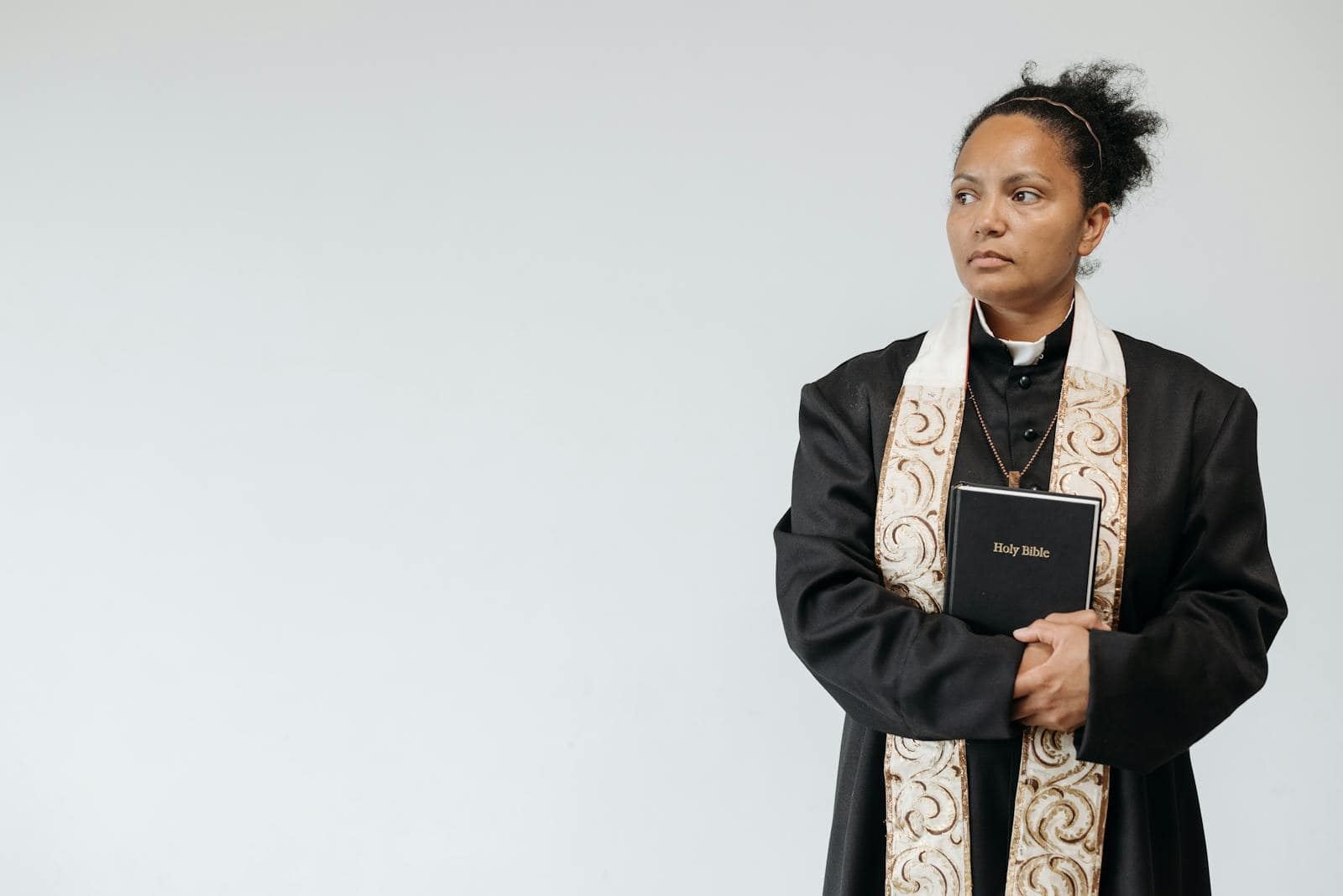
Here’s a spicy one that gets heated fast. Some Bible passages appear to restrict women from certain leadership roles, while other parts of Scripture show awe‑inspiring women in powerful positions, Deborah the judge, Priscilla the teacher, and Phoebe the deacon.
The tension? Are certain passages specific to cultural contexts of the time, or do they carry timeless mandates? People split into camps on this one, and honestly, it’s one of those topics where personal experience and conviction shape interpretation more than almost anything else.
Debates like this make you realize how context matters and how passionately people defend their views on roles, authority, and ministry.
The Trinity
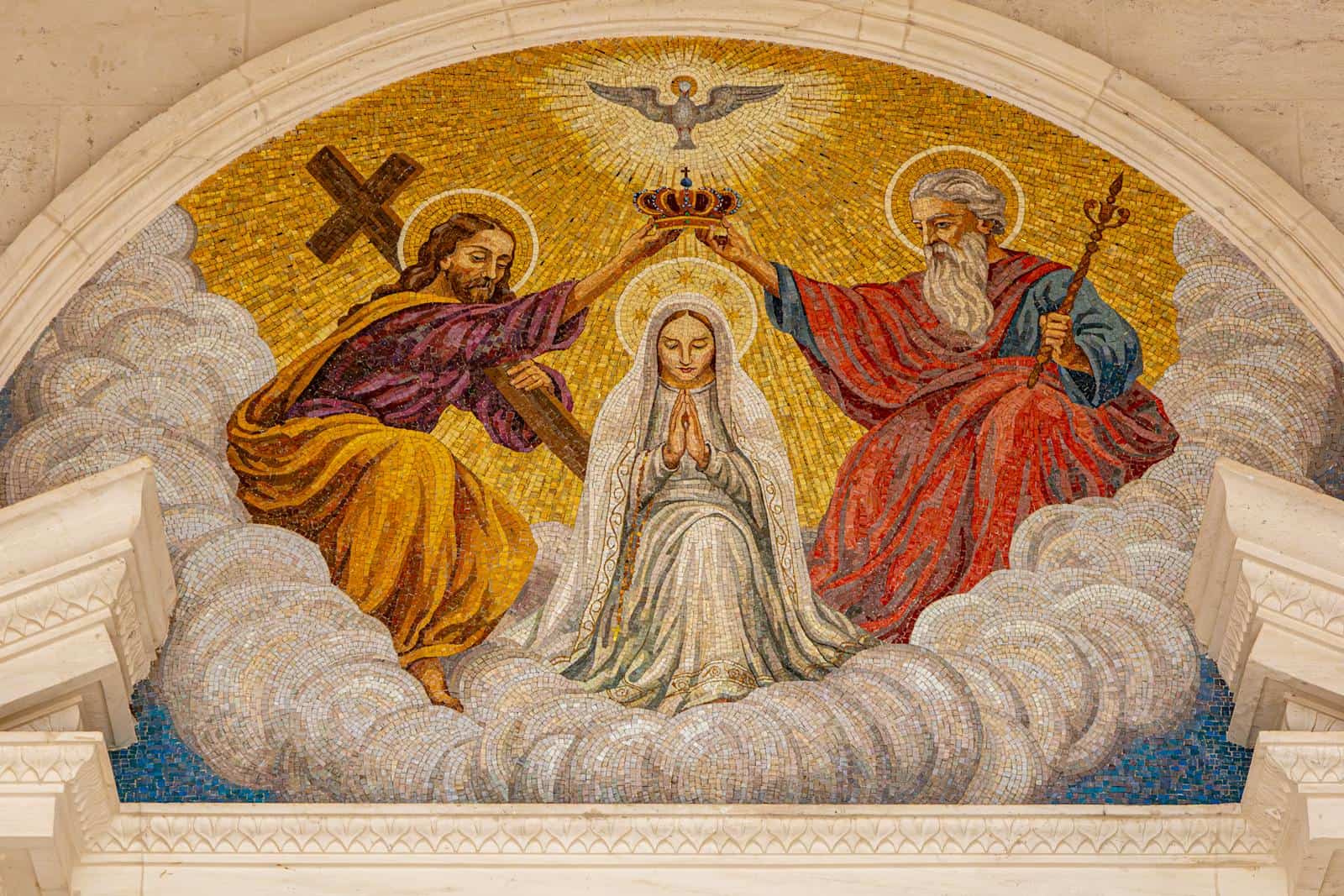
God the Father, Jesus the Son, Holy Spirit, three in one, one in three. It sounds like someone tried to explain a metaphysical math problem at a party. The Trinity has baffled believers and theologians for centuries.
Some take it as a core doctrine that explains the nature of God’s relationship with the world. Others wonder whether it’s a later theological development intended to reconcile scriptural claims with philosophical frameworks.
I’ll confess: there have been moments when I nodded along in church while thinking, “Are we just agreeing to disagree with cosmic math?” But part of the beauty of faith for many is that mystery doesn’t have to be a flaw.
Faith vs. Works

Here’s a classic question that has divided Christian denominations for centuries: are we saved by faith alone, or does salvation require a combination of faith and works?
Protestant traditions often emphasize that faith itself is the key to salvation, while other Christian groups argue that good deeds are essential evidence that one’s faith is genuine and alive.
Personally, I lean toward a balanced approach: faith is the spark that ignites spiritual transformation, but genuine transformation naturally produces actions that reflect that change.
This debate gets fiery because both sides can quote Scripture with confidence, and the tension isn’t just academic; it shapes how people live, lead communities, make ethical decisions, and understand personal spiritual growth in their daily lives.
It’s one of those conversations that can go on for hours without a definitive answer, yet it challenges each of us to examine our own faith in action.
Moral Codes vs. Cultural Context

Some Bible instructions feel timeless. Others sound like they were pulled right out of a very different century. Dietary rules, social norms, and cultural codes make people wonder: were these meant for all time, or just an ancient context?
It’s important to recognize that many biblical laws were given in specific societal situations. That doesn’t mean the moral principles behind them are irrelevant; it just means that understanding context enriches interpretation.
People get animated here because this debate often feels like a balancing act between respect for Scripture and modern ethical insights. You can see why it sparks intense chats about how ancient texts apply to today’s world.
Key takeaways
So there you have it, 11 Bible ideas guaranteed to spark passionate debates, late‑night chats, and maybe a few eye rolls. Whether it’s creation, free will, end times, or prophecy, these topics remind us that faith isn’t about having all the answers; it’s about engaging, questioning, and growing.
Personally, I love these debates because they keep me thinking, exploring, and reexamining what I believe and why. Next time you’re in a Bible study or casual conversation, try throwing one of these topics into the mix.
You’ll see sparks fly, questions rise, and maybe even a laugh or two. Who said spiritual discussions can’t be lively?
Disclaimer: This list is solely the author’s opinion based on research and publicly available information. It is not intended to be professional advice.
Like our content? Be sure to follow us