HIIT workouts helps people in their 70s lose body fat without losing muscle
There’s a version of aging most of us have quietly accepted: slow down, go easy, protect the joints. The gentler the exercise, the story goes, the safer the body. Walk instead of running. Stretch instead of sprint. Listen to your limits.
New research out of Australia is pushing back on that assumption, not with wishful thinking, but with six months of controlled, supervised data from more than 120 adults in their 70s. And the conclusion is counterintuitive enough to make many people rethink what “exercising smart” actually looks like at that stage of life.
What the Study Found

Researchers at the University of the Sunshine Coast, working alongside scientists from the University of Queensland, set out to answer a deceptively simple question: Does exercise intensity matter for older adults trying to improve their body composition?
For six months, 120-plus healthy older adults, with an average age of 72 and a body mass index within the normal range for their age group, completed three gym-based exercise sessions per week.
The participants were divided by intensity level: high, moderate, and low. All three groups exercised consistently. All three groups lost some body fat. But only one group held onto their muscle.
The high-intensity interval training group, HIIT, in the shorthand that’s become familiar even to casual fitness followers, reduced fat while keeping their lean muscle mass intact. The moderate-intensity group lost fat but also experienced a small but measurable decline in lean muscle mass. Low-intensity results, the researchers noted, require further analysis before conclusions can be drawn.
“We found that high, medium, and low intensity exercises all led to modest fat loss, but only HIIT retained lean muscle,” said lead author Dr. Grace Rose, an exercise physiologist at UniSC.
Why Losing Muscle Is the Part That Matters
For most people under 50, the phrase “losing muscle” reads as a fitness concern, something that slows metabolism and makes it harder to stay lean. For someone in their 70s, it’s a different kind of problem entirely.
Starting in our 30s, humans naturally begin losing muscle mass through a process called sarcopenia. After 60, the rate of loss accelerates. By the time most people reach their 70s, they’ve already lost a significant portion of the muscle they had in their prime.
Estimates from the National Institute on Aging suggest that adults can lose 3 to 5 percent of their muscle mass per decade, with losses steepening considerably in later life.
This isn’t just about strength or aesthetics. Muscle mass in older adults is closely tied to balance, fall prevention, metabolic function, and independence. It affects how well the body manages blood sugar. It predicts recovery time after illness or surgery.
And perhaps most critically, muscle loss is directly linked to the development and progression of chronic diseases, a connection that Dr. Rose flagged explicitly in discussing the study’s implications.
In other words, exercise that causes someone in their 70s to shed both fat and muscle simultaneously isn’t a neutral trade-off. It may be doing more harm than the visible results suggest.
Why HIIT Works Differently

The mechanism behind HIIT’s muscle-preserving edge lies in the physiological stress the training places on the body. In the UniSC study, high-intensity intervals involved repeated short bursts of very demanding exercise, the kind where breathing becomes heavy and holding a conversation is difficult, alternated with easier recovery periods.
Exercise intensity influences body composition; that intensity sends a different signal to the body than a moderate-paced workout does. As co-author and UniSC Associate Professor Mia Schaumberg explained, the greater physical demands give the body a stronger incentive to retain muscle tissue rather than sacrifice it.
When the training stimulus is high enough, the body prioritizes preserving the muscle it needs to meet that demand. Lower-intensity exercise doesn’t create the same pressure.
This is, counterintuitively, an argument for working harder, not longer, not more frequently, but more intensely, as a strategy for aging well. The traditional wisdom that older adults should default to gentler movement isn’t wrong in all contexts, but it may be leaving a critical benefit on the table.
The Bigger Conversation About Aging and Exercise
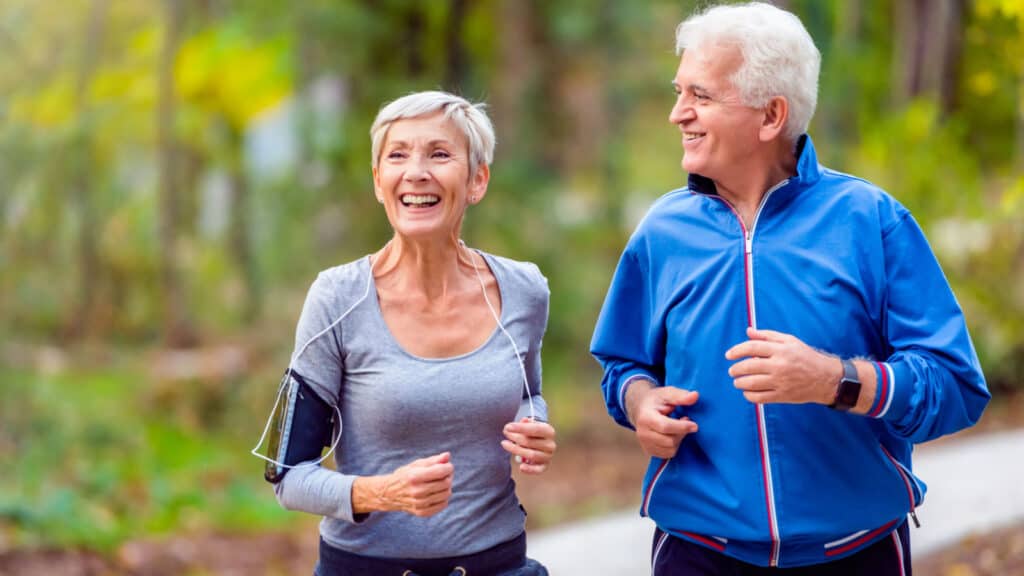
This study falls within a significant cultural and medical shift in how we think about fitness after 60. For decades, exercise recommendations for older adults leaned heavily on low-impact activity, walking, water aerobics, and gentle yoga.
These are genuinely beneficial, and they remain valuable for flexibility, cardiovascular health, and mental well-being. Nobody is arguing against them. But a growing body of research is complicating the picture.
Recent studies have shown that resistance training and higher-intensity exercise can produce meaningful improvements in cognitive function, bone density, balance, cardiovascular markers, and body composition in older adults. The limiting belief that intensity is inherently risky for older bodies is being tested by the actual data.
What’s driving this conversation right now, beyond the research itself, is demographic reality. The U.S. Census Bureau estimates that by 2030, all baby boomers will be over 65, making older adults the fastest-growing segment of the American population.
How those tens of millions of people exercise and what guidance they receive have enormous downstream consequences for healthcare costs, quality of life, and longevity.
The fitness industry has been slow to catch up. Senior fitness programs at gyms and community centers still trend heavily toward gentle movement, often as much due to liability concerns as to evidence. Finding a HIIT program designed specifically for adults in their 70s, led by someone trained in exercise physiology for older populations, is not yet easy in most American communities.
A Fair Caveat or Two
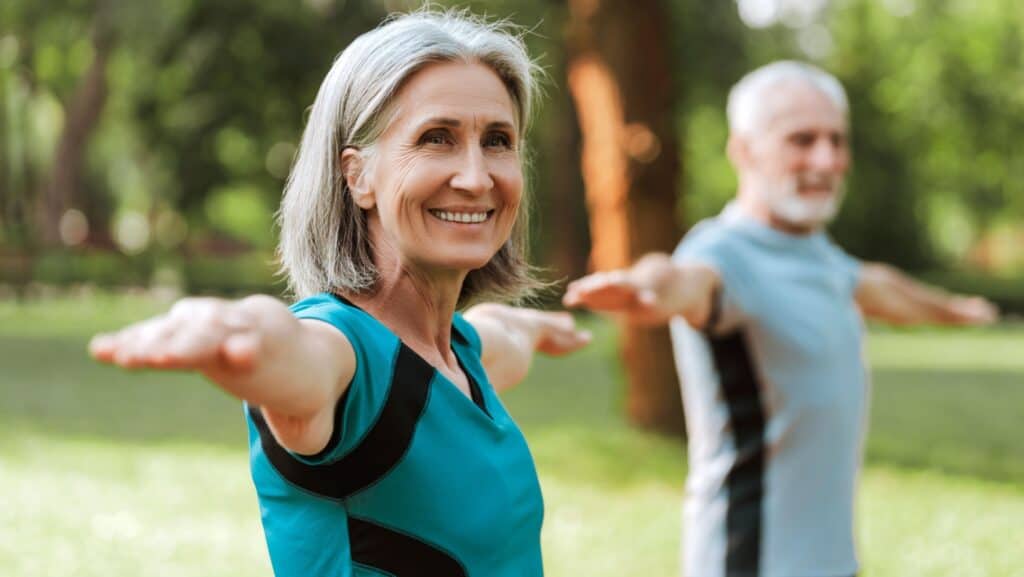
None of this means a 72-year-old should walk into a CrossFit class tomorrow and push to maximum capacity. The participants in this study were described as healthy older adults, and the sessions were supervised by researchers with expertise in physiology and aging. That context matters.
HIIT can be scaled dramatically. The “high intensity” that’s appropriate for a fit 70-year-old is not the same as what that phrase means in a competitive athlete’s training program.
Heart rate targets, work intervals, recovery periods, and exercise selection all need to be calibrated for the individual, their fitness baseline, any existing joint or cardiovascular conditions, and what they can realistically sustain without injury.
The study also focused specifically on body composition, not on every health marker that matters. Falls, joint health, cardiovascular endurance, and mental health benefits from exercise each deserve their own analysis. This finding doesn’t override those; it adds to the overall picture.
What It Actually Changes
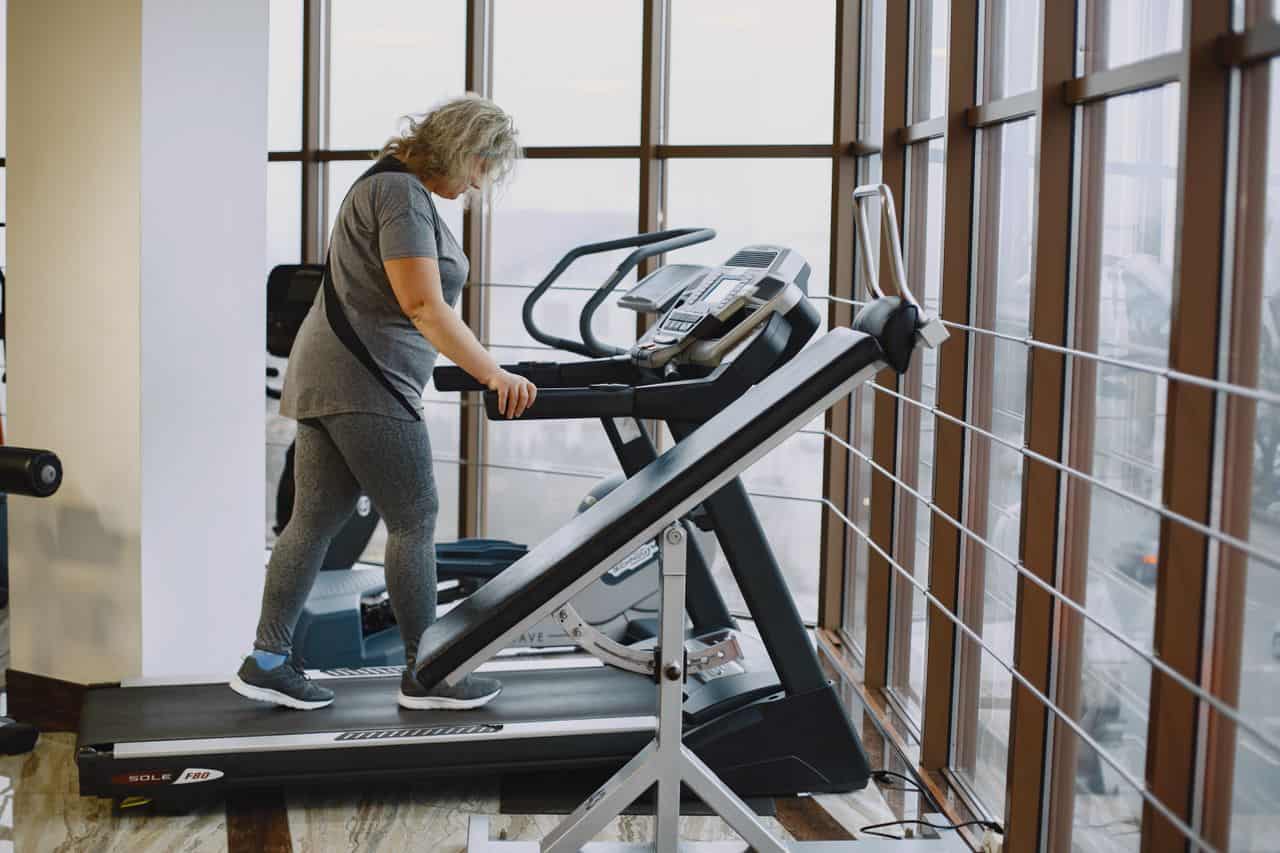
For ladies in their 70s who have been dutifully walking on treadmills or attending gentle fitness classes, this research raises a worthwhile question: Is the exercise you’re doing giving your body enough of a challenge to protect the muscle you still have?
That’s not a guilt trip; it’s a genuinely useful frame. For people who have already lost significant muscle or who have health conditions that limit intensity, the goal may be different. But for healthy older adults who have the capacity to push harder, the evidence now suggests that holding back may come with its own costs.
The idea of aging well has always been more complicated than simply moving more. This study adds a layer of nuance that’s worth sitting with: sometimes what the body needs isn’t gentleness. Sometimes it needs a reason to stay strong.
Disclaimer – This list is solely the author’s opinion based on research and publicly available information. It is not intended to be professional advice.
Like our content? Be sure to follow us