The chilling statistic that says more about society than we want to admit
There are numbers that do not shout. They sit quietly, and then they haunt you. Roughly 260 million young people worldwide are not in school, not working, and not in training, according to the International Labor Organization’s 2026 Employment and Social Trends report. That is about one in five young people.
It is not a line on a chart. It is a generation’s waiting room, crowded with people who should be gaining skills, earning wages, building confidence, meeting mentors, and learning how to stand on their own.
The number feels even sharper beside another one. The World Bank reported that around 3.5 billion people, 44% of the global population, lived on less than $6.85 per day in 2024. That does not mean every person in that group faces the same hardship, but it does show how thin the margin remains for nearly half the world.
In a century full of record wealth, artificial intelligence, satellite internet, luxury markets, and billion-dollar companies, millions of young people are still standing outside the basic gates of opportunity.
The Statistic That Stops the Room

The phrase sounds technical: NEET, short for “not in employment, education, or training.” But the lives behind it are not technical at all. They are teenagers who left school early, young adults who cannot find a first job, daughters carrying unpaid care duties, sons working informal shifts that do not show up in official pathways, and graduates who discover that a certificate is not the same thing as a future.
The ILO reports global youth unemployment at 12.4%, but the NEET figure reveals something deeper. Unemployment counts people looking for work. NEET status can include young people who have fallen outside both school and the job search. In low-income countries, the NEET rate reaches 27.9%. That means the crisis is more severe in places where second chances are often harder to find.
A young person can survive a slow start. Many do. But long gaps can steal more than income. They can take routine, confidence, social ties, work experience, and the belief that tomorrow is something they can shape.
Stable Job Numbers Can Hide a Shaky Reality

At first glance, the global labor market does not look broken. The ILO projects global unemployment at 4.9% in 2026, equal to about 186 million people out of work. That number may sound steady. The trouble is that steady does not always mean healthy.
ILO Director-General Gilbert F. Houngbo put it plainly: “Resilient growth and stable unemployment figures should not distract us from the deeper reality: hundreds of millions of workers remain trapped in poverty, informality, and exclusion.” That is the nerve of the story. A person can have work and still have no security. A young person can see jobs around them and still see no real ladder.
The ILO reports that around 284 million workers remain in extreme poverty, living on less than $3 a day, and 2.1 billion workers remain in informal employment. Informal work can mean no paid leave, no pension, no written contract, no safety net, and no protection if illness or crisis hits. Work exists. Decent work is the missing piece.
Poverty Is Still Too Close to the Center of Daily Life
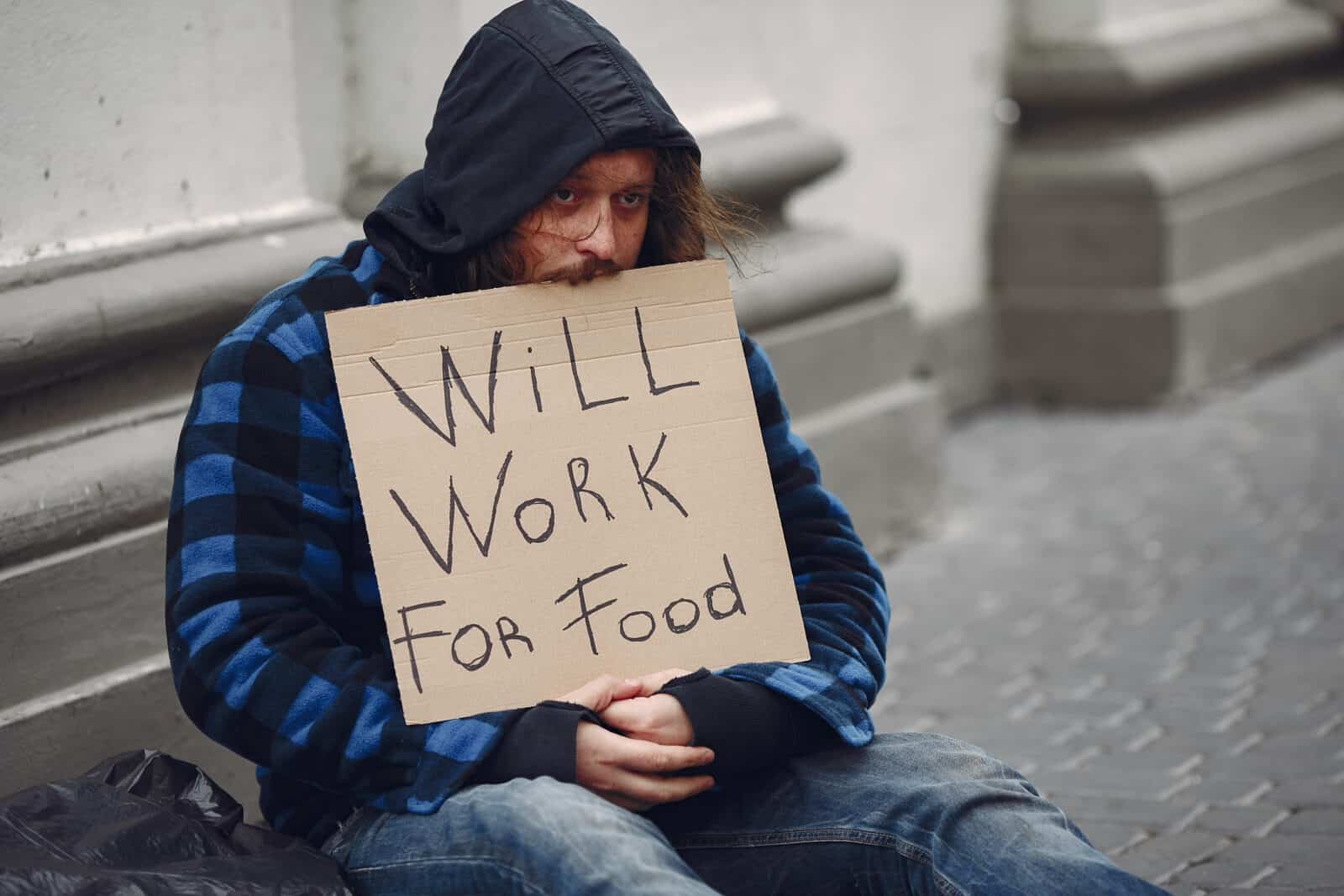
The World Bank’s 2024 poverty report found that almost 700 million people, which is 8.5% of the world’s population, lived in extreme poverty on less than $2.15 a day. The March 2026 global poverty update revised the 2024 extreme-poverty estimate to 847 million people, using updated data and methods. Either way, the message is grim: poverty reduction has slowed after decades of gains.
The broader $6.85-a-day line tells another story. The World Bank says 3.5 billion people lived below that line in 2024, and 3.4 billion may still be below it in 2030. That is not a small pocket of deprivation. It is a massive share of humanity living close to the edge, where one illness, one school fee, one failed harvest, one missed paycheck, or one price shock can pull a family under.
The World Bank Senior Managing Director Axel van Trotsenburg warned in 2024 that “after decades of progress, we are experiencing serious setbacks in the fight against global poverty.” That sentence is heavy because it turns the old development story on its head. Progress was supposed to keep moving. Now, for many families, it has slowed to a crawl.
Wealth Is Growing, but the Bridges Are Missing

The most painful part of the story is not scarcity. The world has wealth. The problem is access.
Oxfam reported in 2025 that the world’s richest 1% maximized their wealth by more than $33.9 trillion in real terms since 2015. The group also said the wealth of about 3,000 billionaires rose by $6.5 trillion over that period, equal to 14.6% of global GDP. Oxfam is an advocacy group, so its framing should be read as part of a wider debate over taxes, aid, and inequality. Still, the scale of the gap is hard to ignore.
Put those numbers beside 260 million young people outside school, work, and training. The contrast is the wound. It is not that society has failed to produce wealth. It has failed to turn enough of that wealth into classrooms, apprenticeships, safe transport, fair wages, stable jobs, health systems, and real bridges into adulthood.
Social Progress Is Also Losing Ground

Money is not the only measure of a decent life. The 2026 Global Social Progress Index estimates 57 social and environmental indicators across 171 countries, covering more than 99% of the world’s population. Its findings are bleak: the world is at a turning point, and the steady gains in quality of life of recent decades may be reversing.
The index reports that rights are down nearly 6 points since 2011, with health, safety, and environmental quality also down from 2021 to 2025. It found that 50 countries declined in social progress, 85 showed no significant change, and only 36 improved. The United States ranked 32nd and slipped 14 places since 2011, with declines across all 12 components of the index.
CEO of the Social Progress Imperative, Michael Green, said, “Economic growth is not sufficient on its own. A formula for sustainable social progress with economic growth is needed.”
That point matters because youth exclusion is rarely just about jobs. It is also about schools that fail, neighborhoods with few safe options, weak public systems, and societies that ask young people to believe in a future they cannot touch.
Why This Should Worry U.S. Readers Too
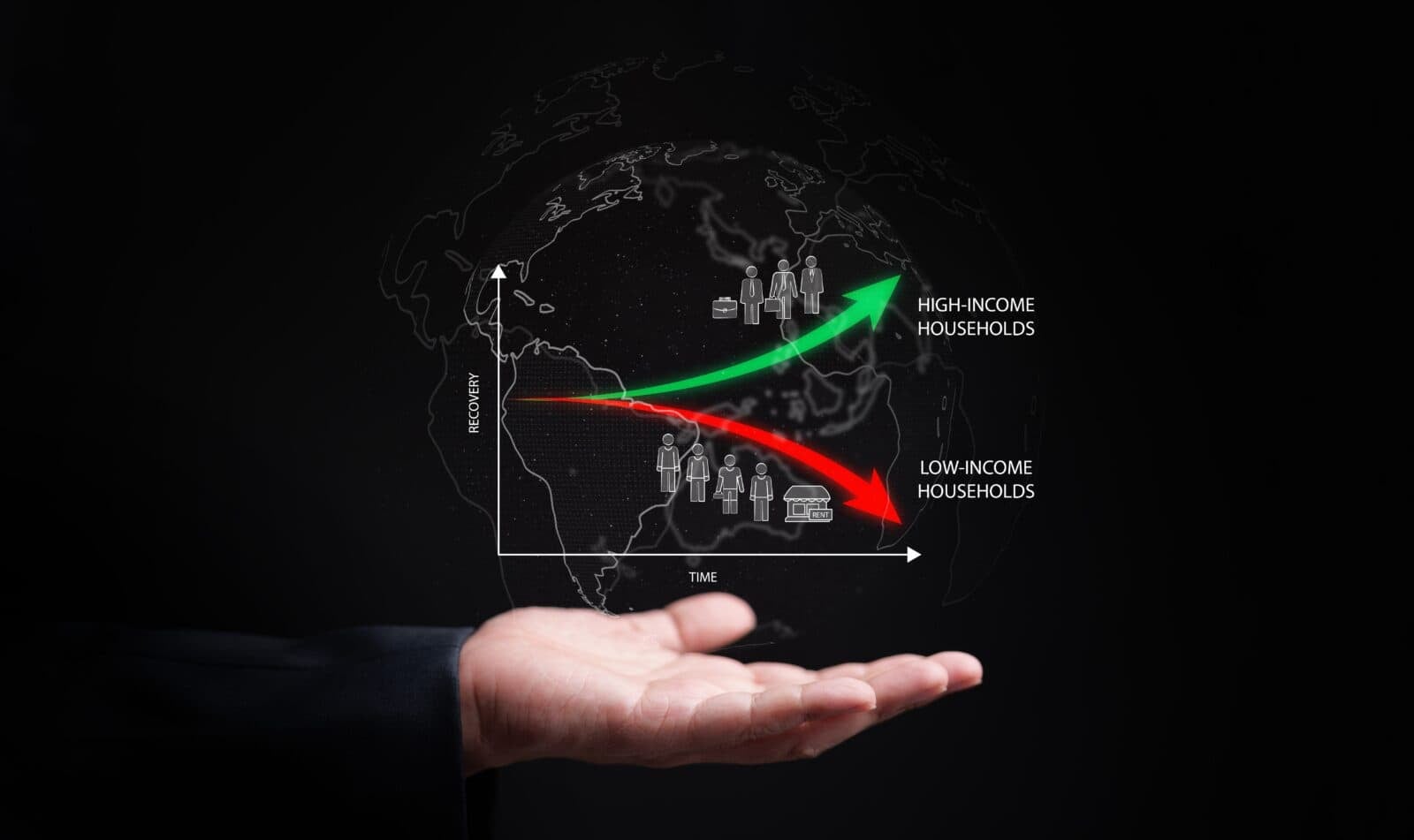
A global youth-exclusion crisis may sound distant from an American kitchen table, but it is not separate from the world U.S. readers live in. Global inequality shapes migration, trade, political unrest, supply chains, public health, and the future labor force.
It also mirrors anxieties already visible in the United States: young people worried about affordability, entry-level work, debt, housing, and the cost of getting started.
Derek Thompson wrote in The Atlantic in 2025 that “Americans are now spending more time alone than ever.” That is a different kind of warning, but it belongs in the same conversation. When people feel economically shut out, they can also drift socially. Exclusion not only empties wallets. It can empty calendars, weaken trust, and make institutions feel like rooms built for someone else.
The ILO’s NEET statistic shows the economic side of that fracture. The World Bank’s poverty data shows the material side. The Social Progress Index shows the civic and human side. Together, they tell a story about systems that are moving too slowly for the people who need them most.
What Readers Can Take Away

The chilling statistic is not just 260 million young people outside school and work. It is what that number reveals about the world’s priorities.
A healthy society does not simply create wealth at the top and hope opportunity trickles down to the young. It builds pathways. It gives teenagers a reason to stay in school, young workers a real first job, families enough security to survive shocks, and communities enough trust to keep believing the door can open.
The next 6 months to 1 year will bring more debate about artificial intelligence, aid cuts, trade disruptions, debt, migration, and youth skills. Those debates can sound abstract. They are not. They decide who gets a first chance and who waits outside.
The question is not only how many young people are stuck outside the door. It is why the door is still locked.
Disclaimer – This list is solely the author’s opinion based on research and publicly available information. It is not intended to be professional advice.
Like our content? Be sure to follow us