11 outdated etiquette rules Americans are finally dropping in daily life
The social norms Americans once followed without question are quietly vanishing, reshaping how they connect and communicate.
Times are changing fast, and the unwritten social rules people grew up following are officially getting a major overhaul. American society is finally letting go of stuffy traditions that no longer fit our fast-paced daily lives. It is honestly a breath of fresh air to see people prioritizing genuine connection over rigid formalities.
Etiquette used to be about keeping up appearances, but now it is mostly about respecting boundaries and time. Get ready to discover which outdated habits you can gladly leave behind without feeling a single ounce of guilt.
Apologizing For A Messy House

Inviting friends over used to require a frantic cleaning session to make your home look like a pristine museum. Americans are finally letting go of the unrealistic expectation that our living spaces must be absolutely spotless at all times. Seeing a few dishes in the sink or toys on the floor simply proves that actual human beings live there.
Your real friends care about spending quality time with you rather than judging the dust on your baseboards. Embracing a slightly messy house creates a welcoming environment where guests can actually relax and feel comfortable. Life is way too short to stress over folding every single blanket perfectly before the company arrives.
Unannounced Phone Calls

Hearing your phone ring unexpectedly used to be a fun surprise, but now it feels like a minor emergency. Most people assume something terrible has happened if you call them out of the blue without sending a text first. Americans simply do not have the bandwidth to drop everything and chat at a moment’s notice anymore.
Texting gives everyone the freedom to respond when they actually have the mental energy to hold a conversation. Research from BankMyCell shows that 75 percent of millennials avoid phone calls because they consider them far too time-consuming. Sending a quick message to ask if someone is free to talk is the new gold standard for good manners.
Covering Tattoos And Piercings At Work

Corporate policies historically forced employees to hide their body art under long sleeves and heavy makeup to appear professional. Companies are waking up to the fact that a visible tattoo has zero impact on a person’s actual job performance. Hiring managers care way more about your skills and experience than a small nose ring or a colorful forearm sleeve.
Allowing people to express their personal style boosts morale and helps businesses attract top-tier talent. Americans are moving past the outdated idea that professionalism requires everyone to look the same. Embracing individuality makes the workplace significantly more vibrant and welcoming for everyone involved.
Strict Office Dress Codes

The days of squeezing into uncomfortable suits and stiff collars for a basic desk job are thankfully disappearing. Corporate America finally realized that happy employees do better work when they are not distracted by itchy fabrics. You can absolutely look professional and put together while wearing breathable materials and comfortable shoes.
A 2023 Gallup survey revealed that a mere 3% of United States workers report wearing business professional attire on the job. The same study found that 72 percent of employees comfortably dress down in business casual or everyday street clothes. Americans are happily trading their neckties and high heels for clean sneakers and neat sweaters.
The Man Always Pays on a First Date

Expecting one person to automatically foot the entire bill just because of their gender feels incredibly dated right now. Modern relationships thrive on equality, and that mutual respect needs to start the second you sit down for appetizers. It is perfectly acceptable and often preferred to split the check or take turns paying for different activities.
A recent survey by Intuit found that 54 percent of Americans have adjusted their dating habits to be more cost-effective. Having an honest conversation about budgets before planning a lavish night out relieves so much unnecessary pressure. Splitting the cost of a date allows both people to feel equally invested without any weird financial power dynamics.
Sticking To Rigid Email Greetings

Starting every single digital message with a highly formal salutation feels incredibly stiff and robotic these days. While respect is always necessary, Americans no longer need to write casual office emails as if they are addressing the royal family. Dropping the overly stuffy language helps build better relationships and speeds up daily communication.
A quick and friendly hello is more than enough to kick off a productive conversation with a colleague. Getting straight to the point shows that you actually value the other person’s time and busy schedule. They are permanently retiring those painfully long sign-offs in favor of clear and concise dialogue.
Mailing Formal Paper RSVPs
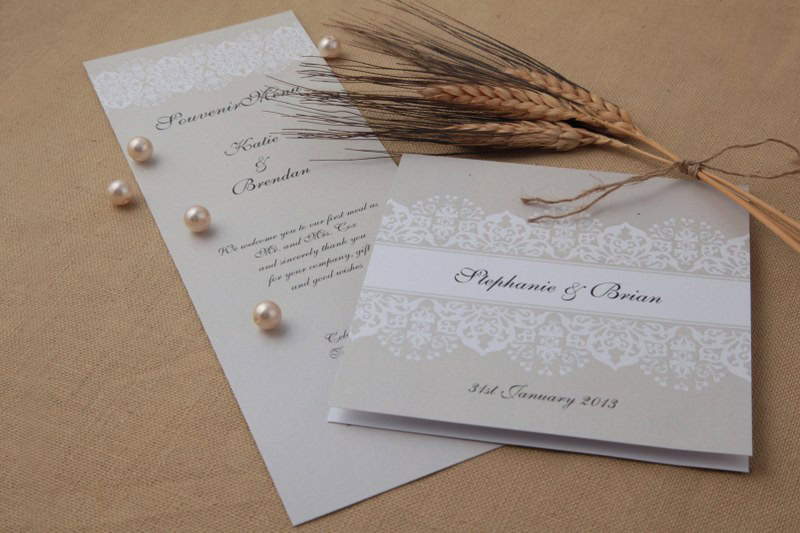
Tracking down stamps and walking to the post office just to tell someone you are attending their wedding is exhausting. Hosts are realizing that they get much faster and more accurate responses when they offer a digital reply option. Nobody wants to deal with lost mail or deciphering messy handwriting when planning a massive catering menu.
Joy says the Knot reported in their Real Weddings Study that 18 percent of couples now let guests choose between print and digital RSVPs. Clicking a link on a wedding website takes five seconds and updates the master guest list instantly. Americans are fully embracing the convenience of online forms to save time, money, and plenty of trees.
Sending Physical Thank You Notes

Writing a heartfelt message on heavy cardstock used to be the only polite way to show gratitude after an interview or party. While the sentiment remains incredibly important, the delivery method has completely evolved for the digital age. A prompt and genuine email carries just as much weight as a handwritten letter arriving a week later.
Recent data cited by DAVRON shows that 80 percent of hiring managers say thank-you messages influence their final hiring decision. However, the study notes that only 24 percent of candidates actually bother to send any form of follow-up. Shooting over a thoughtful digital message immediately after your meeting is the smartest way to leave a lasting impression.
Pretending You Do Not Use Dating Apps

Meeting a romantic partner online used to carry a weird stigma that made people invent fake stories about how they met. Americans have collectively accepted that swiping on a smartphone is simply the most logical way to meet new people. There is absolutely no shame in using technology to expand your dating pool beyond your immediate friend group.
Almost everyone you know has probably created a profile on a matchmaking platform at some point in their lives. Owning your digital dating journey makes for much better conversations than keeping up a completely unnecessary lie. Love is hard enough to find without feeling embarrassed about the tools you used to get there.
Waiting To Discuss Finances In Relationships

Money used to be the ultimate taboo topic that couples avoided talking about until they were practically engaged. People are finally realizing that financial compatibility is a crucial foundation for any serious long-term partnership. Being transparent about debt and saving habits early on prevents massive arguments and broken hearts down the road.
A 2026 LendingTree study 403 discovered that 49 percent of all Americans say the current economic climate makes their partner’s finances significantly more important. It is entirely reasonable to ask about financial goals before merging your lives and bank accounts. Having open conversations about cash flow is no longer seen as tacky, but rather a sign of genuine maturity.
Hiding Your Salary From Coworkers

Keeping your income a heavily guarded secret only benefits the massive corporations trying to suppress fair wages. Employees are talking openly about their paychecks to guarantee that everyone is getting compensated fairly for their hard work. The old rule of staying quiet about money was designed to prevent workers from realizing they were being underpaid.
Younger professionals are boldly breaking this taboo by sharing their compensation details right at the water cooler. Pay transparency eliminates frustrating pay gaps and empowers individuals to negotiate much stronger contracts. Americans are completely done pretending that discussing their livelihoods is somehow rude or inappropriate.
Like our content? Be sure to follow us