12 lessons that shaped poor kids lives in ways rich kids often miss
Step inside a world where the air is a little thinner, and the stakes are infinitely higher. While some children are born into a landscape of safety nets and “somedays,” others are drafted into a masterclass of survival before they can even tie their own laces.
We often talk about poverty as a series of subtractions: less food, less opportunity, less stability. But look closer, and you’ll see an extraordinary process of addition taking place.
In the quiet corners of struggling households, a “hidden curriculum” is being taught. It’s a world where roughly 412 million children, about 1 in 5 globally, live in extreme monetary poverty, surviving on less than 3$ a day according to UNICEF.
For these kids, life isn’t a playground; it’s a forge. While their wealthier peers are taught to navigate the world, poor kids are busy learning how to reinvent it. From the brutal art of cold patience to the intuitive magic of reading a room, they are developing a high-octane toolkit that most people don’t acquire until middle age, if ever.
Delayed gratification as survival, not theory

In poor homes, children often confront a reality where waiting for basic necessities, food, tuition, or stability defines their constant existence! Scarcity transforms delayed gratification from a basic lesson into a brutal, required survival skill. While many wealthy peers often possess immediate access to everything they desire, these young minds master the true, lasting skill of endurance.
They build a bedrock of grit and long-term focus that most people acquire only much later in life. Understanding this dynamic changes how you view resilience. Poverty forces a truly sharp, cold patience upon its youth, crafting a basic core strength that endures.
Turning scarcity into resourcefulness
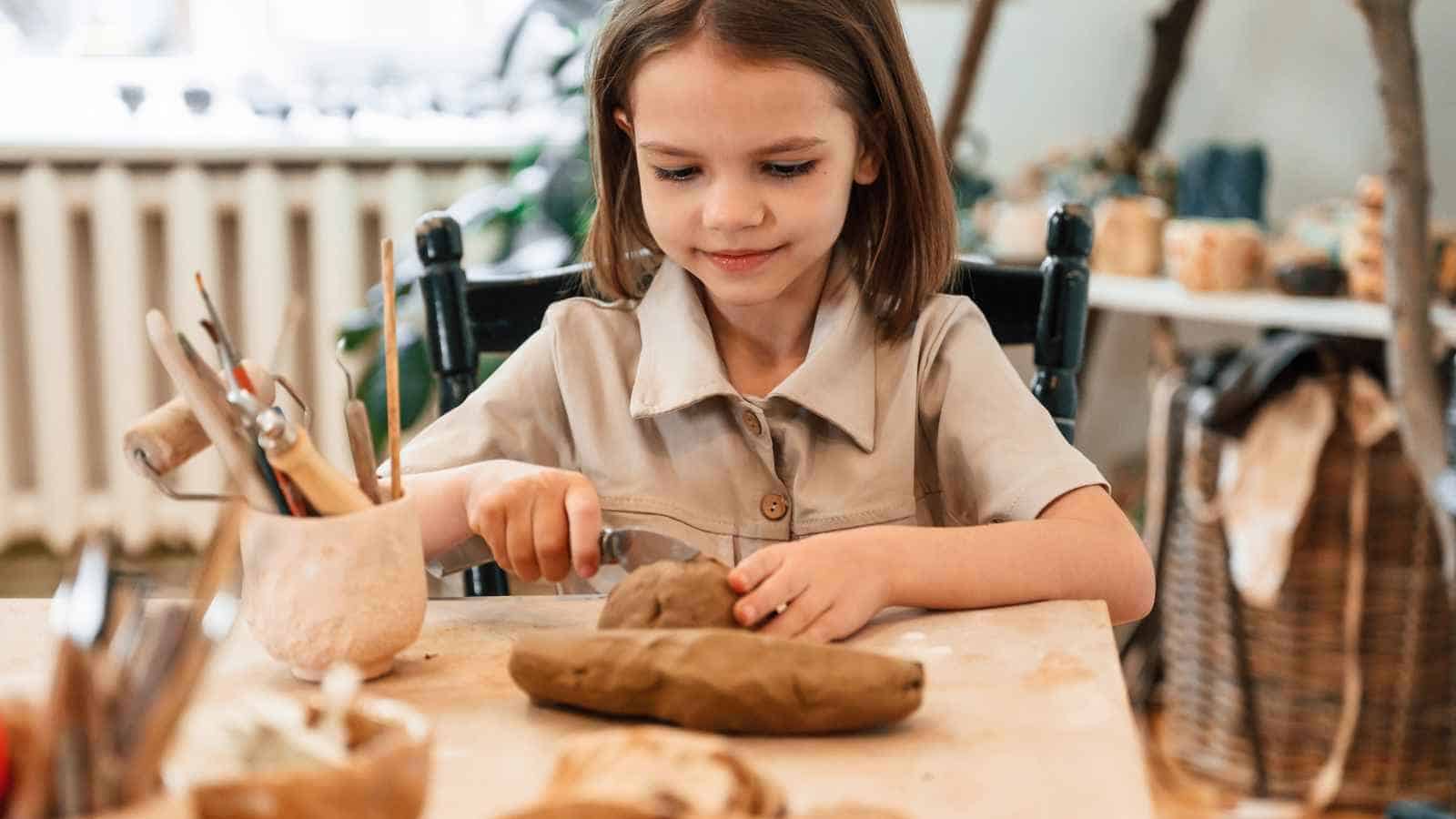
Facing limited funds forces children to develop a sharp, creative edge that often bypasses their wealthier peers. While families with abundant resources frequently purchase solutions, children raised with less learn to improvise, stretch every dollar, and repurpose items with uncanny precision.
Studies on ResearchGate support the idea that limited financial resources can foster creativity in children by forcing them to make the most of available materials. This distinct necessity transforms constraints into a lifelong mental framework for success. By mastering the art of maximizing limited materials, these youth build a grit that drives them ahead.
Reading people and situations quickly

Growing up in high-stress environments forces children to master reading people and situations instantly. This survival instinct sharpens emotional intelligence, as they become experts at decoding social cues, reading shifts in mood, and anticipating conflict before it starts. Navigating crowded homes or unpredictable neighborhoods demands this constant awareness, turning a childhood necessity into a powerful professional asset.
This precise ability to read the room allows them to master complex social dynamics, resolve tensions, and command respect in any environment. These individuals transform past instability into an intuitive talent for connection, giving them a distinct advantage in navigating the modern world.
Hard work is non-negotiable
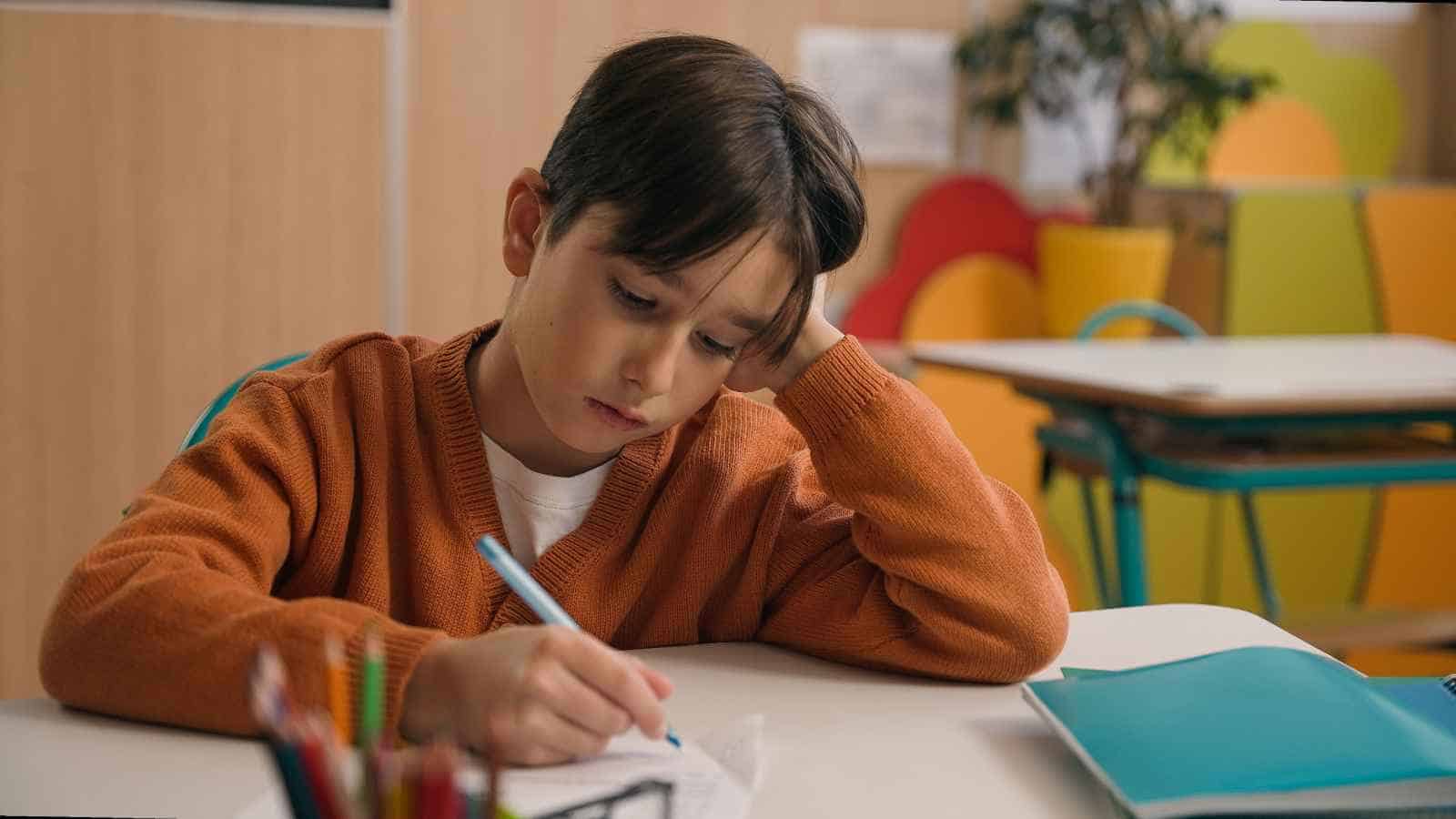
Hard work is non-negotiable. For kids in poverty, watching parents grind through multiple jobs makes labor a survival instinct. The Children’s Society shows that children in poverty often feel they have to work twice as hard to overcome obstacles created by modern life.
This reality instills a profound lesson: relentless drive dictates future outcomes. Success is never accidental; it is built on sweat and sacrifice. They learn that comfort is a luxury, and persistence remains the only path forward. While others seek shortcuts, these kids understand that raw, hardened endurance defines the great journey to stability and achievement.
Financial literacy by necessity
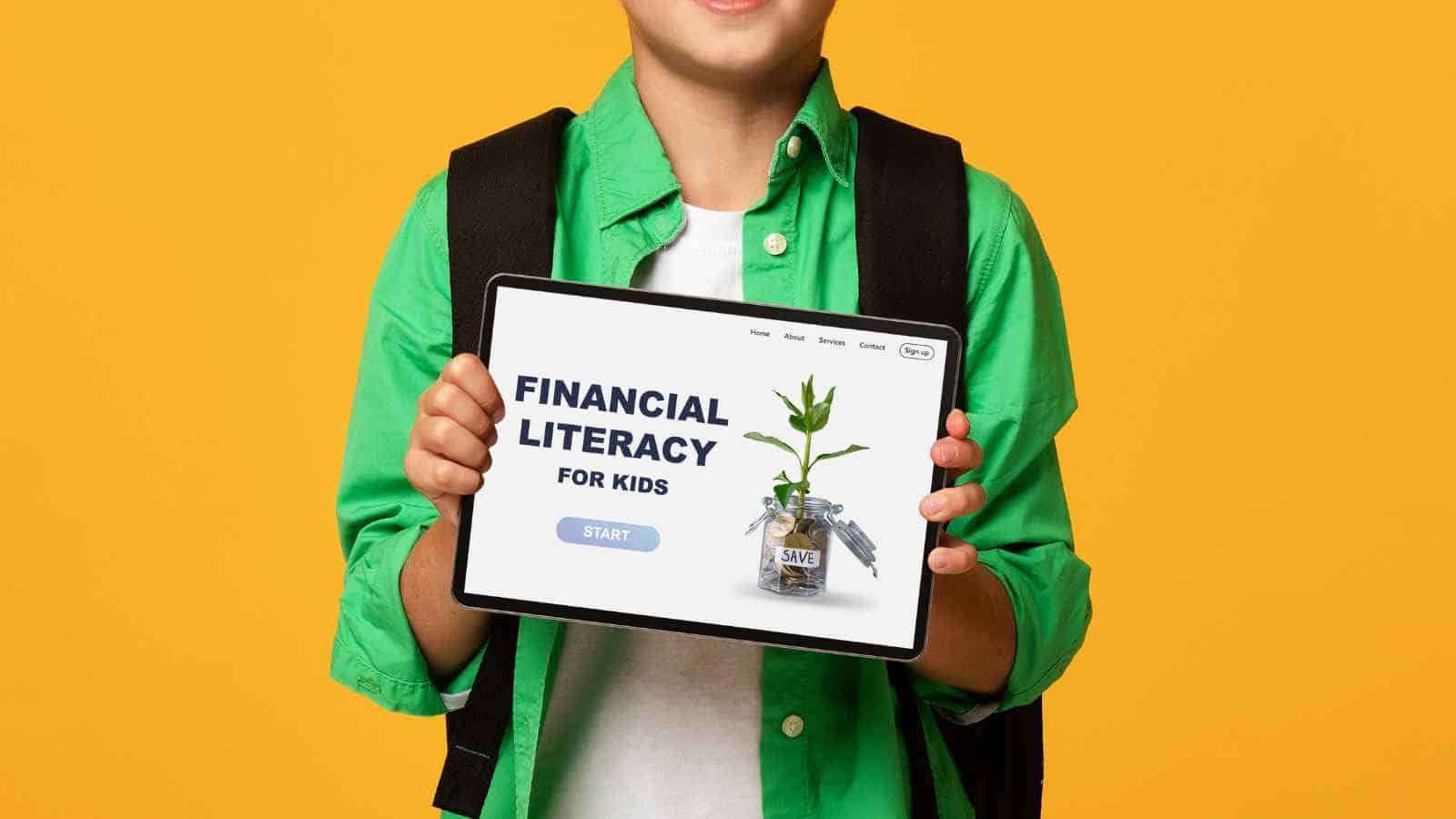
Financial literacy for children from low-income backgrounds stems from survival, not surplus. While wealthier peers manage allowances, these kids navigate harsh economic realities, balancing food against transport or school fees.
Every deal teaches a brutal lesson in scarcity. They master the concept of opportunity cost long before formal schooling explains it. This forced education creates a grounded, practical financial awareness that many affluent peers never truly experience. Understanding the power of every cent prepares them for adulthood. This harsh reality shapes their perspective, proving grit beats gold.
Gratitude for small wins

In neighborhoods where luxury remains a distant concept, children discover the power of small victories. HuffPost Life shows that growing up with less can foster deep gratitude. In low-income settings, milestones like a birthday celebration or completing school feel monumental. When simple achievements arrive, families celebrate these moments with intense joy.
This practice builds real resilience. Celebrating these minor milestones reinforces the truth that even the smallest progress deserves recognition. My observations confirm this mindset fuels optimism, proving happiness stems from perspective, not mere material wealth. The lessons mold the character for those who rise above difficult circumstances.
Networking and negotiation without a safety net
Kids born without safety nets master survival skills early. They forge connections and negotiate needs because they lack automatic access to elite circles. While wealthy peers often rely on built-in pipelines, these children build networks from scratch, turning every interaction into a potential opportunity. They advocate for themselves daily, whether securing school resources or navigating complex social environments.
Necessity forces these individuals to become master negotiators, a survival trait that often outpaces the advantages of passive privilege. This grit defines their future success, creating future leaders.
Empathy through exposure to struggle

Hardship acts as a forge for empathy. Verywell Mind states that empathy is the ability to understand another person’s perspective, experiences, and feelings, both emotionally and intellectually. Poor children are frequently exposed to harsh realities.
Witnessing illness, job loss, or eviction strips away superficial barriers, forcing children to recognize humanity in every struggle. This early exposure to life’s edges cultivates a visceral sense of solidarity that wealth rarely teaches. By navigating scarcity, these kids develop an intuition for suffering, turning challenges into a catalyst for kindness.
Learning by doing, not by being taught
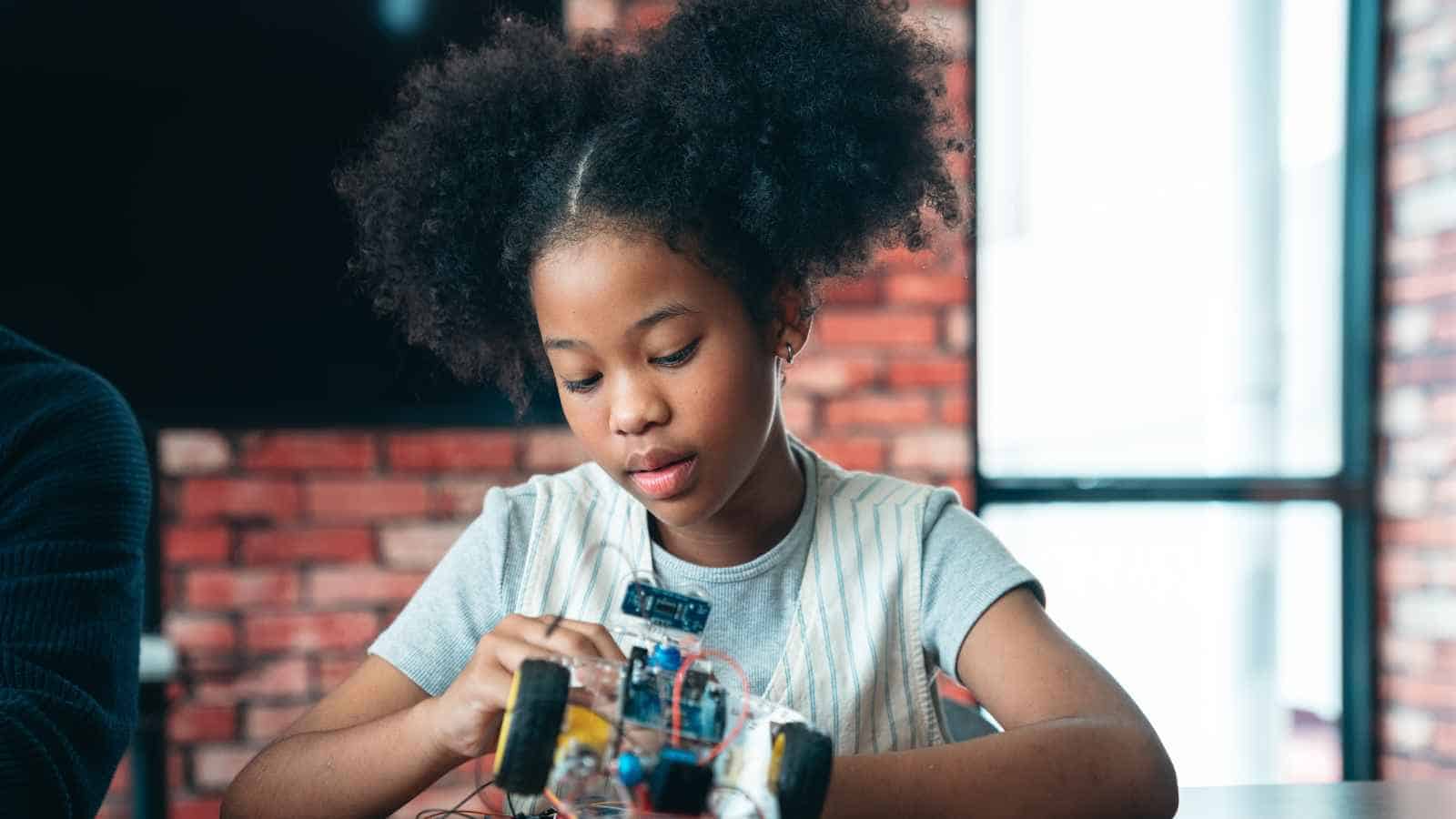
Without tutors or structured programs, children in poverty master skills through grit, not guidance. They bypass classrooms and rely on raw experience. Trial and error becomes their curriculum. This method builds a rugged independence that leaves many peers behind in high-pressure environments. When life offers no safety net, resourcefulness becomes your default.
This distinct brand of self-reliance turns ordinary challenges into opportunities for growth, creating a practical intelligence that schools simply cannot teach.
Knowing the system can be stacked against you

In poor households, children quickly grasp that talent does not always guarantee opportunities. The game feels rigged from the very start. Brookings Institution research confirms that 42% of children raised in the bottom income quintile remain there as adults, often described as being “stuck” at the bottom due to limited upward mobility.
Unlike their wealthy peers, these children navigate structural barriers daily, which forces them to learn survival skills early. This harsh reality shapes their worldview, creating a sharp divide in how they approach ambition. Understanding that the system stands stacked against you transforms how you define and pursue success.
Living with risk and uncertainty

Growing up without a safety net transforms how children view the future. While peers expect stability, these kids anticipate disruption. A missed paycheck can change dinner or threaten housing. This reality builds sharp survival instincts. They constantly calculate risks, navigating environments where one wrong move carries heavy consequences.
This pervasive uncertainty forces a maturity that most adults never need to cultivate. Every day acts as a high-stakes lesson in resourcefulness. Yet, this vigilance leaves them exhausted, searching for peace that remains elusive. The personal cost remains hidden beneath a stoic exterior.
Success is shared, not just individual

Even for kids raised in scarcity, individual success often feels like a myth. Instead, they view achievement as a family endeavor. Research published in Taylor & Francis Online indicates that children from low-income families who excel academically often act as “connected agents,” leveraging their success to improve their families’ circumstances. They do not climb the ladder alone; they pull their entire family unit with them.
Success is shared, not just individual. This deep-rooted loyalty reshapes their entire world, proving that true growth creates powerful, lasting ripples of stability that extend far beyond a single person’s paycheck, building a legacy that strengthens future generations.
Key Takeaway
Growing up with scarcity, children often build a unique, essential toolkit for survival. While affluence provides comfort, it often obscures the grit required to navigate genuine hardship. These twelve lessons transform early deprivation into core character assets, fostering agility, empathy, and fierce independence.
Children facing poverty sharpen their instincts, turning obstacles into stepping stones for success. True resilience emerges not from abundance, but from the necessity of constant adaptation in an unforgiving world. These experiences forge adults who possess raw power that wealth cannot buy.
Disclaimer – This list is solely the author’s opinion based on research and publicly available information. It is not intended to be professional advice.
Like our content? Be sure to follow us.