12 truths about raising Black daughters today
Raising a Black daughter can feel like raising sunshine with one eye on the storm. Black girls show up with style, wit, talent, tenderness, and a kind of sparkle that fills a room fast. Parents see that beauty every day, yet they also see the world push back in ways many people miss.
The Legal Defense Fund also reports that 66 percent of Black girls in majority-white schools say they have faced hair discrimination, and that starts the pressure early.
Moms raise Black daughters with joy, pride, strategy, and a whole lot of prayer because love alone does not cancel bias. That truth does not dim Black girl magic; it explains why so many parents stay alert and intentional from the first day of school to the first paycheck.
Representation still feels too thin

Black girls deserve mirrors that show more than struggle, sass, or sidekick energy. They deserve stories that let them be soft, adventurous, brilliant, goofy, romantic, inventive, and fully centered. That hunger for fuller visibility shows up clearly in the data.
If a daughter keeps seeing narrow beauty ideals and limited storylines, she may start trimming her own imagination to fit a smaller box. That reality pushes many mothers to curate books, films, dolls, playlists, and online spaces with real care, because representation still shapes self-worth long before adulthood arrives.
Hair still starts battles
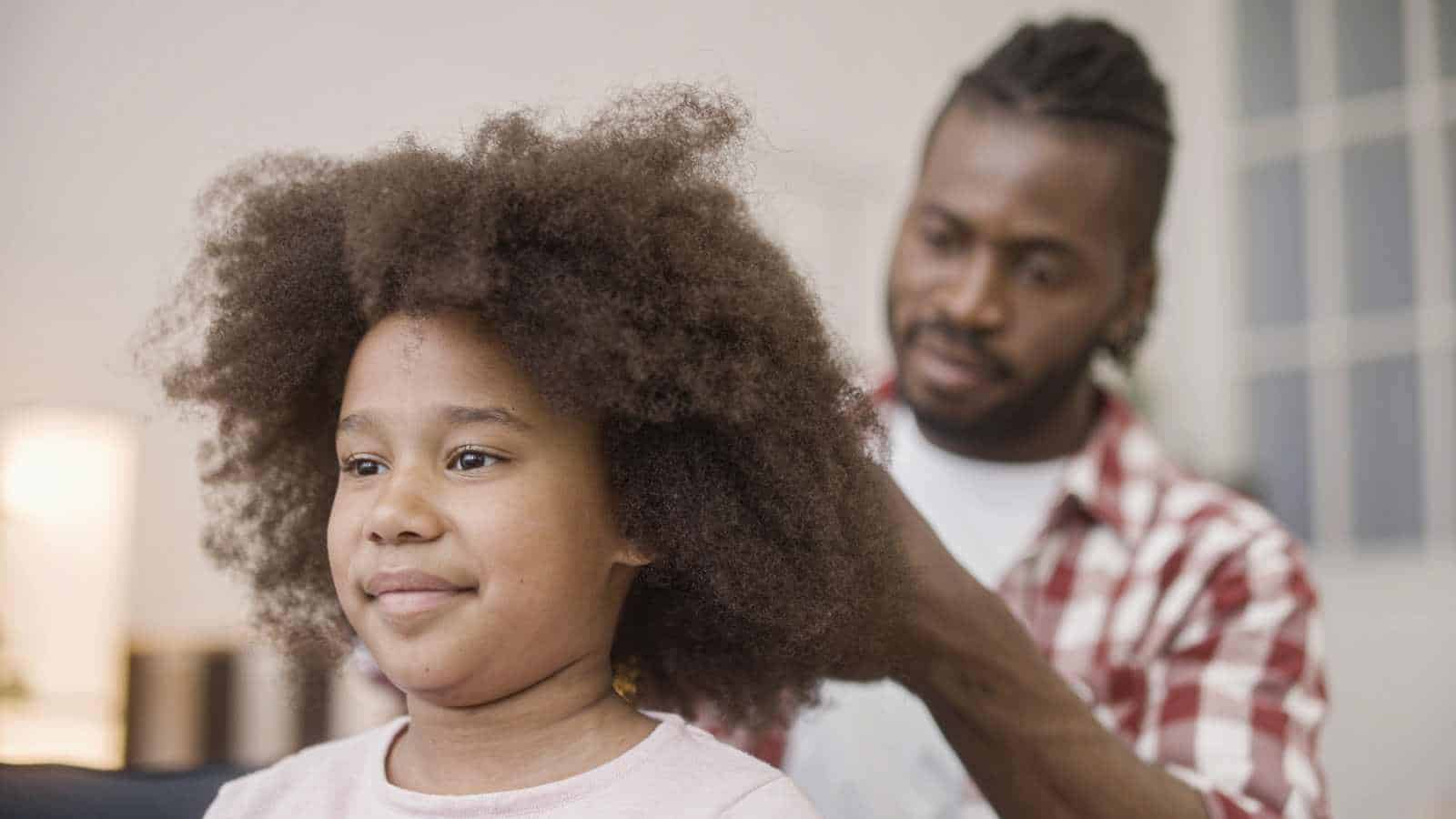
Hair should feel like self-expression, heritage, and simple everyday beauty. Too often, schools turn it into a test of compliance. A girl should not have to wonder if a teacher will call her style distracting, unkempt, or inappropriate.
Yet many parents still teach hair pride alongside hair defense, because they know one hairstyle can trigger comments that chip away at comfort and confidence. That burden gets exhausting fast. It also teaches Black daughters that the world may greet their natural features with scrutiny before it offers them respect, and that lesson lands hard at a very young age.
Discipline still lands harder

Many mothers do not just send their daughters to school ready to learn; they send them ready to be misunderstood. The Government Accountability Office reported in 2024 that Black girls made up 15 percent of girls in public schools in the 2017 to 2018 school year, yet they received almost half of the suspensions and expulsions.
That gap does not happen by accident. Adults often read the same behavior through a harsher lens when the child in front of them is Black and female. A firm answer becomes disrespectful. A tired mood becomes an attitude.
A normal mistake becomes a character flaw. Parents end up doing double duty, teaching their daughters how to stay true to themselves and how to survive spaces that punish them faster than others.
Colorism still slips indoors
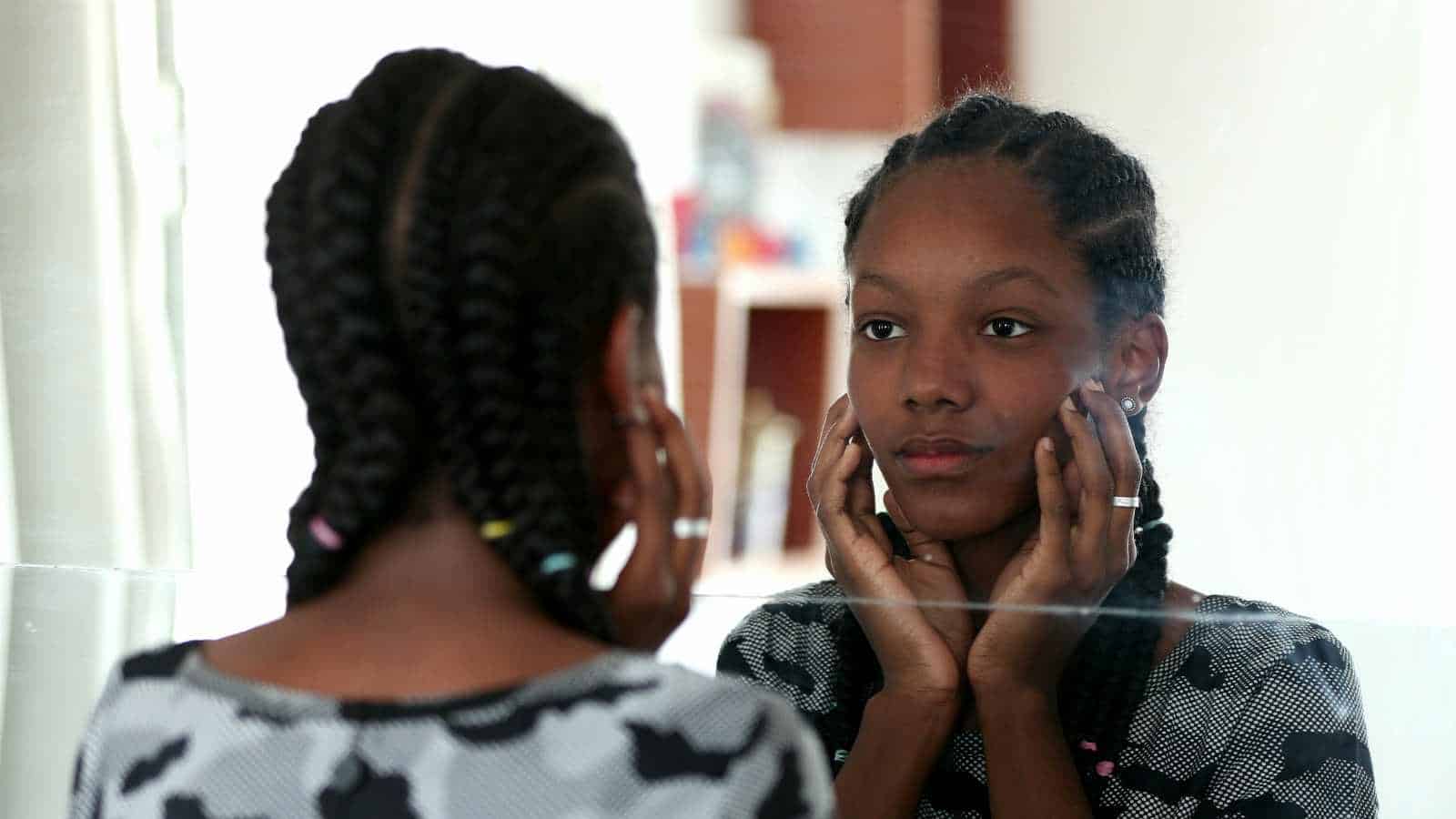
Some of the toughest wounds do not come from strangers; they come from messages that slip through family jokes, friend groups, beauty trends, and social media chatter. Girls notice who gets called pretty, soft, classy, desirable, or wife material.
They notice which shades get praised, which features get framed as easier, and which girls get asked to toughen up. Parents cannot afford to stay vague here. They have to name colorism clearly, challenge it quickly, and pour affirmation into every shade and feature before harmful messages settle in and start sounding like truth.
Confidence still gets punished
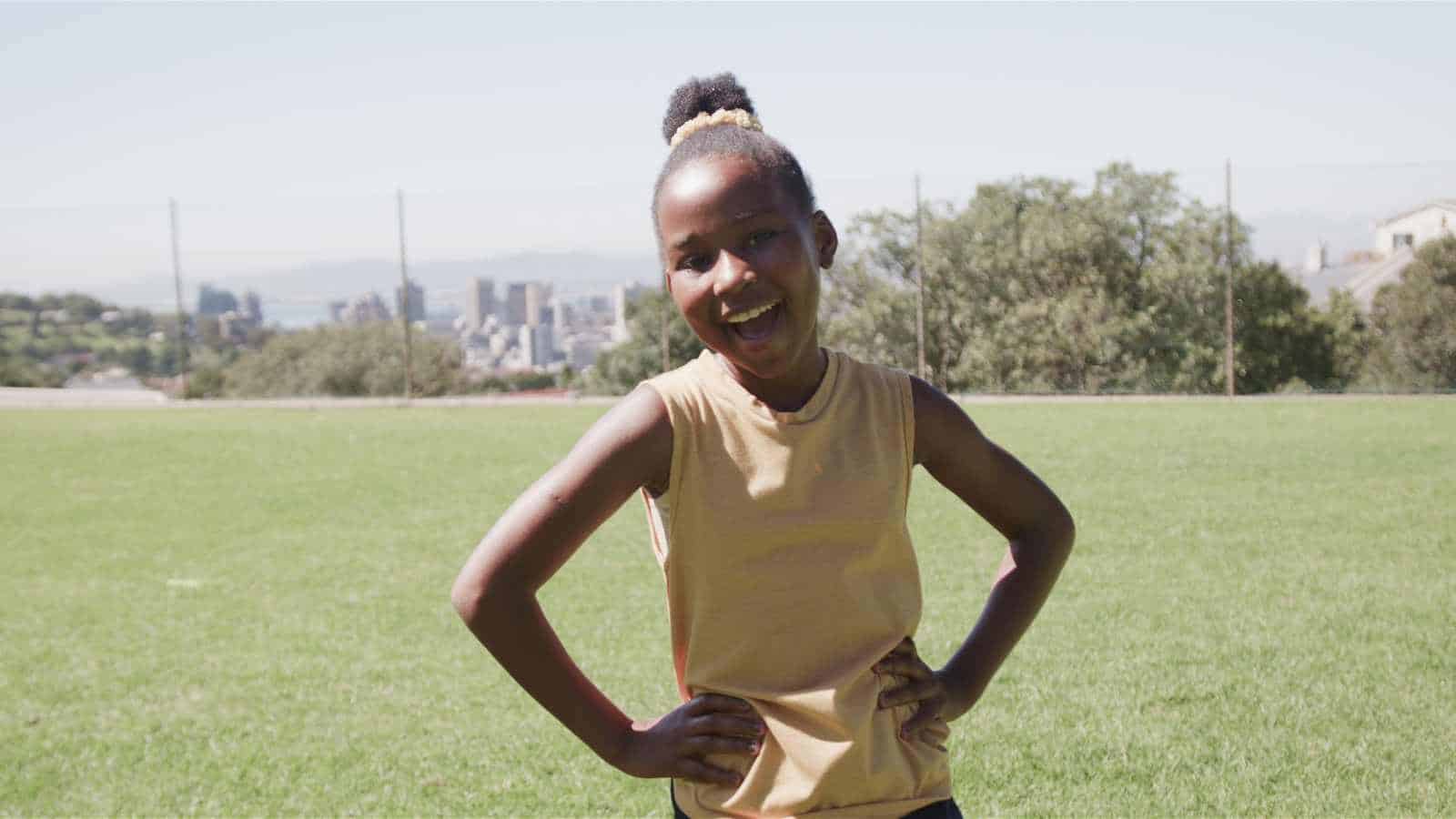
Black daughters need confidence, but the world does not always reward it fairly. Georgetown’s work on adultification bias found that adults begin to see Black girls as less innocent and more adult-like as early as age 5. That bias changes how people hear a Black girl’s voice and how they judge her body language, emotions, and boundaries.
A girl who speaks clearly may get labeled as difficult. A girl who protects her space may get called rude. A girl who questions unfair treatment may get treated like a problem to solve instead of a child to support.
Parents know this, so they often teach tone, timing, and self-advocacy with extra care. That is a heavy lesson, because no child should have to master emotional chess to receive the grace other children get for free.
Safety talks start too early
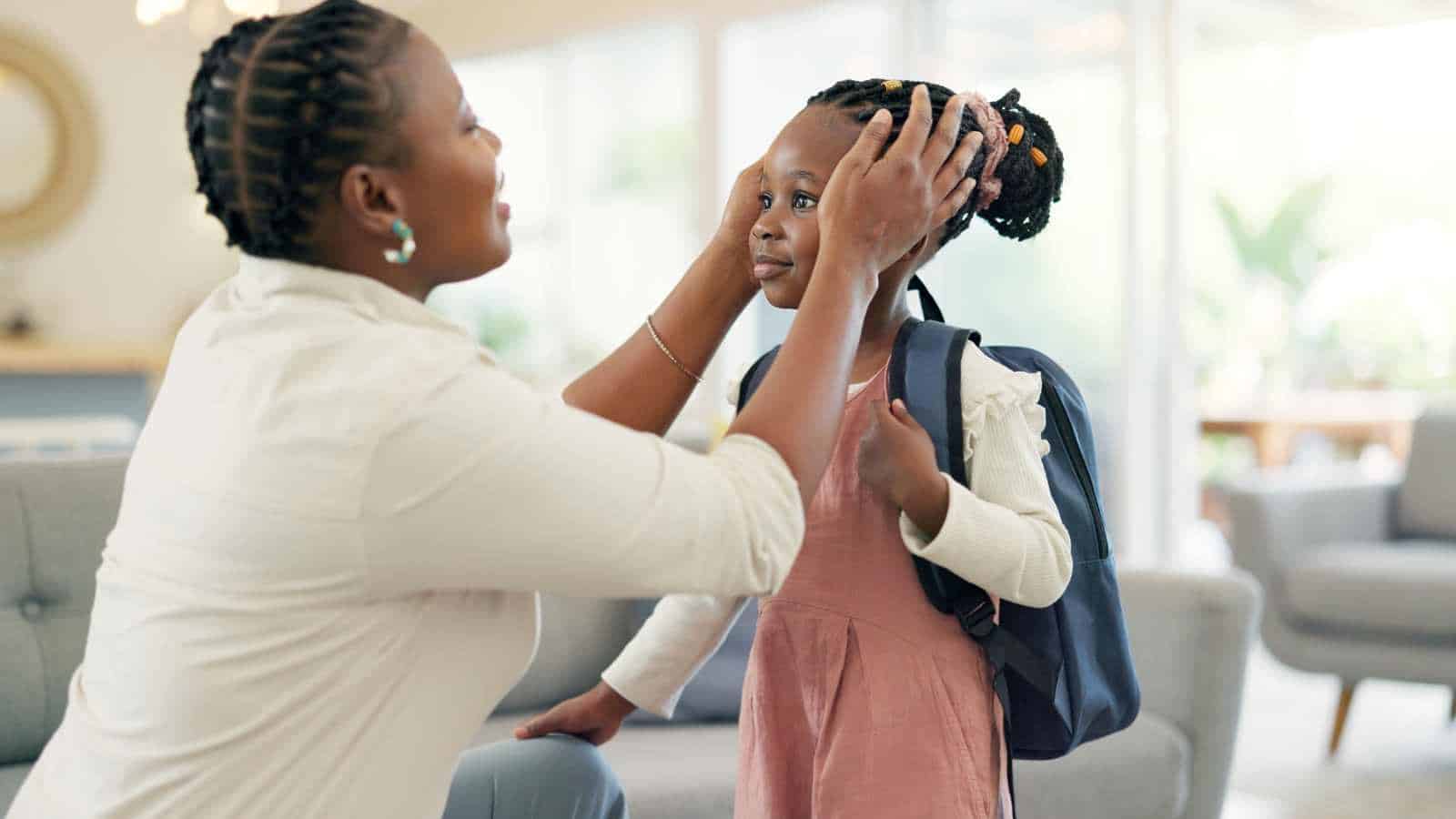
Parents of Black daughters often have serious conversations sooner than they want. They talk about body autonomy, unsafe adults, online attention, secrecy, and what to do when something feels off. They do that because the risks are real, not because they want to steal innocence.
A 2025 fact sheet from the Maryland Coalition Against Sexual Assault states that 1 in 4 Black girls will be sexually abused before age 18.
That number sits heavily in any mother’s chest. It also explains why many parents teach direct language, trusted adult lists, location sharing, and sharp instincts earlier than outsiders expect. Love shows up as warmth, but also as preparation, because Black girls deserve protection long before harm enters the room.
Teachers still miss brilliance

A Black girl can do excellent work and still walk through school unseen. Research highlighted by Education Next found that white teachers were 9 percentage points less likely than Black teachers to expect the same Black student to finish college. That gap may sound abstract, yet its effects feel very concrete in real life.
Lower expectations shape recommendations, encouragement, class placement, and who gets seen as gifted or leadership material. Parents often pick up on it before report cards reveal it.
They hear the coded language, spot missed opportunities, and notice when a daughter is praised for behavior more than for intellect. Raising a Black daughter today often means teaching her to believe in her own brilliance before every room reflects it to her.
Opportunity gaps hide in plain sight

Bias does not always shout. Sometimes it hides in the classes a girl never gets offered, the program she never hears about, or the gifted referral that never comes. A 2025 EdTrust West brief on California schools found that Black girls were underrepresented in gifted and talented education in more than 80 percent of schools offering it. That kind of gap affects more than a line on a school file.
It shapes confidence, challenge level, college access, and a girl’s sense of what spaces were built with her in mind. Many mothers know they cannot just trust the system to notice potential on its own. They ask about honors tracks, push for evaluations, check rosters, and advocate early because missed opportunities often look ordinary until years pass and the pattern becomes plain.
Mentors still feel too far away

Black girls need examples they can touch, not just famous names they can quote. They need teachers, bosses, doctors, lawyers, engineers, founders, and creatives who look like them and live close enough to make success feel real. That visibility still falls short.
When daughters do not see many Black women in leadership around them, ambition can start to feel lonely. Parents often respond by building community on purpose, introducing mentors, sharing biographies, attending local events, and making sure their girls meet Black women whose lives say, “You belong in big rooms too.
Healing still meets resistance
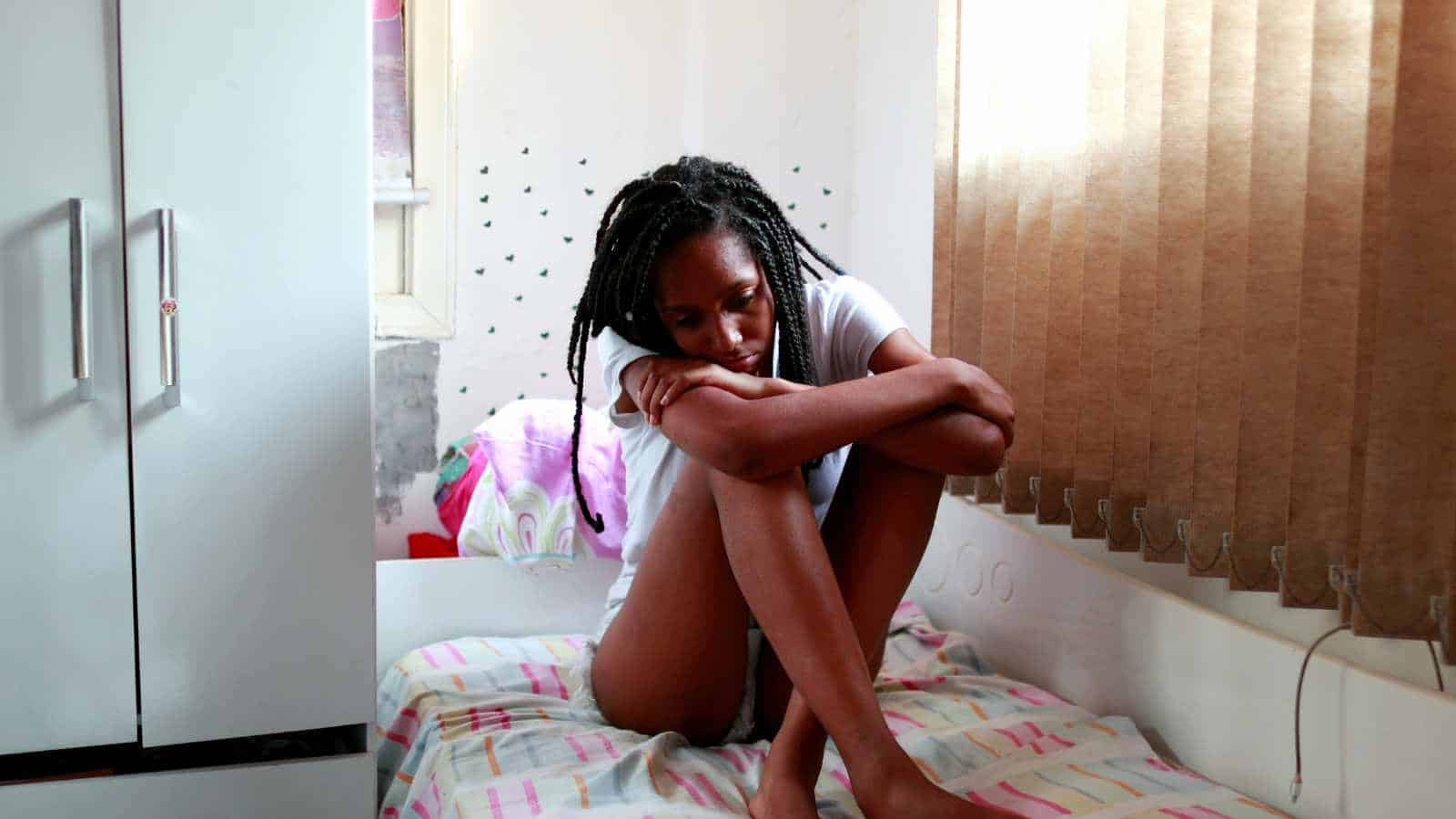
Black girls carry stress from school, social media, family pressure, racism, sexism, and plain old growing up. They need space to cry, process, rest, and ask for help without shame. Access still falls short. The U.S. Department of Health and Human Services reports that in 2024, Black adults were 36 percent less likely than U.S. adults overall to receive mental health treatment in the past year.
Girls absorb those patterns from the world around them. They hear silence, stigma, and distrust long before they can name it. Parents who raise Black daughters today often have to break old family rules and say something different out loud: that prayer matters, community matters, and therapy can matter too. That shift can change a daughter’s whole relationship with pain and help.
Money lessons start young

Parents do not talk to Black daughters about money to make them responsible. They talk about money because the system still pays Black women less and asks them to stretch more. A girl who watches her mother make something out of very little learns resilience, but she may also learn that overwork is normal.
Parents push back by teaching budgeting, negotiation, investing, entrepreneurship, and wage awareness from an early age. Those lessons do more than build skill; they teach Black daughters that they deserve security, rest, and fair pay, not endless sacrifice dressed up as strength.
Belonging can demand code-switching

A lot of Black girls figure out early that some spaces reward them more when they soften, shrink, or translate themselves. That pressure may show up in speech, style, humor, body language, music tastes, or how much of their culture they reveal at once. A 2024 Indeed-commissioned survey found that 34 percent of Black employees had code-switched at work, well above the overall average.
That matters for daughters because the lesson starts long before the workplace. Girls notice who gets called polished, whose slang gets mocked, whose name gets mispronounced, and whose natural self gets treated like too much. Parents often try to prepare their daughters without teaching them to disappear.
That balance feels tough, because every mother wants her child to move with wisdom, but no mother wants belonging to come at the cost of authenticity.
Key takeaway

Raising Black daughters today calls for tenderness, honesty, and a whole lot of strategy. Parents are not imagining the pressure points; the data shows real gaps in representation, discipline, safety, access to mental health care, opportunity, leadership, and pay. Still, this story does not end in fear.
Black girls keep creating, leading, laughing, and dreaming, and strong parenting helps turn that brilliance into grounded confidence instead of survival mode. The work asks mothers to affirm beauty in every shade, defend joy, demand fairness, teach money sense, normalize healing, and build circles of protection around girls who deserve to feel safe in their full selves.
The hard truths matter because they help families prepare with their eyes open. The deeper truth matters more, Black daughters deserve a world that meets their brilliance with care, and until that world catches up, loving them well remains both a calling and a form of power.
Disclaimer – This list is solely the author’s opinion based on research and publicly available information. It is not intended to be professional advice.
Like our content? Be sure to follow us.