12 places that aren’t ideal for finding a long-term partner
Finding lasting love in the wrong setting can feel like trying to hear a whisper amid a marching band. Plenty of people still want real commitment, and the data backs it up. The Pew Research Center reports that 42% of U.S. adults were unpartnered in 2023, meaning millions still hope to build something steady.
In 2025, SSRS found that 39% of U.S. adults had used a dating site or app, and 58% of those users said they used it mainly to find an exclusive romantic partner. That tells us desire is not the problem. The bigger issue is that some settings push people toward speed, fantasy, performance, or distraction.
Those conditions can create instant chemistry, but they often block the calm, honest conversations that help a woman spot consistency, emotional maturity, and shared values before she hands over her heart.
Nightclubs blur the signal

Nightclubs can make an attraction feel electric, but they rarely make intention feel clear. The music hits hard, the lights flatter everybody, and the room rewards quick looks more than deep character. That mix can spark a fun moment, yet it leaves little room for patience, honesty, or emotional steadiness.
A 2025 study in the Journal of Interpersonal Violence found that just 2% of participants reported no negative consequences after verbal sexual harassment in nightlife settings, which says a lot about how stressful and messy those spaces can feel, especially for women. A room that asks you to stay alert, dodge weird energy, and shout over a bass line does not set the stage for trust.
You may leave with a number, but you may also leave with more confusion than clarity. That is a shaky foundation for anything you want to keep six months from now.
Bars keep things shallow

Bars make first contact easy, but they do not always make a real connection easy. People can smile, flirt, and trade quick stories fast, yet alcohol and noise often push the conversation toward surface-level charm. It is hard to read someone clearly when the whole setup invites a polished version of the truth.
Tawkify’s 2025 Dating Trends Report, shared through PR Newswire, said matchmakers saw a 5% drop in match success at bars, which tracks with what many women already sense after enough disappointing nights out.
The setting can blur judgment, reward witty banter over substance, and make a stranger seem more emotionally available than he really is. That does not mean every bar romance fails. It means the environment often works against the kind of steady, grounded start that long-term love needs.
Swipe-first apps burn people out
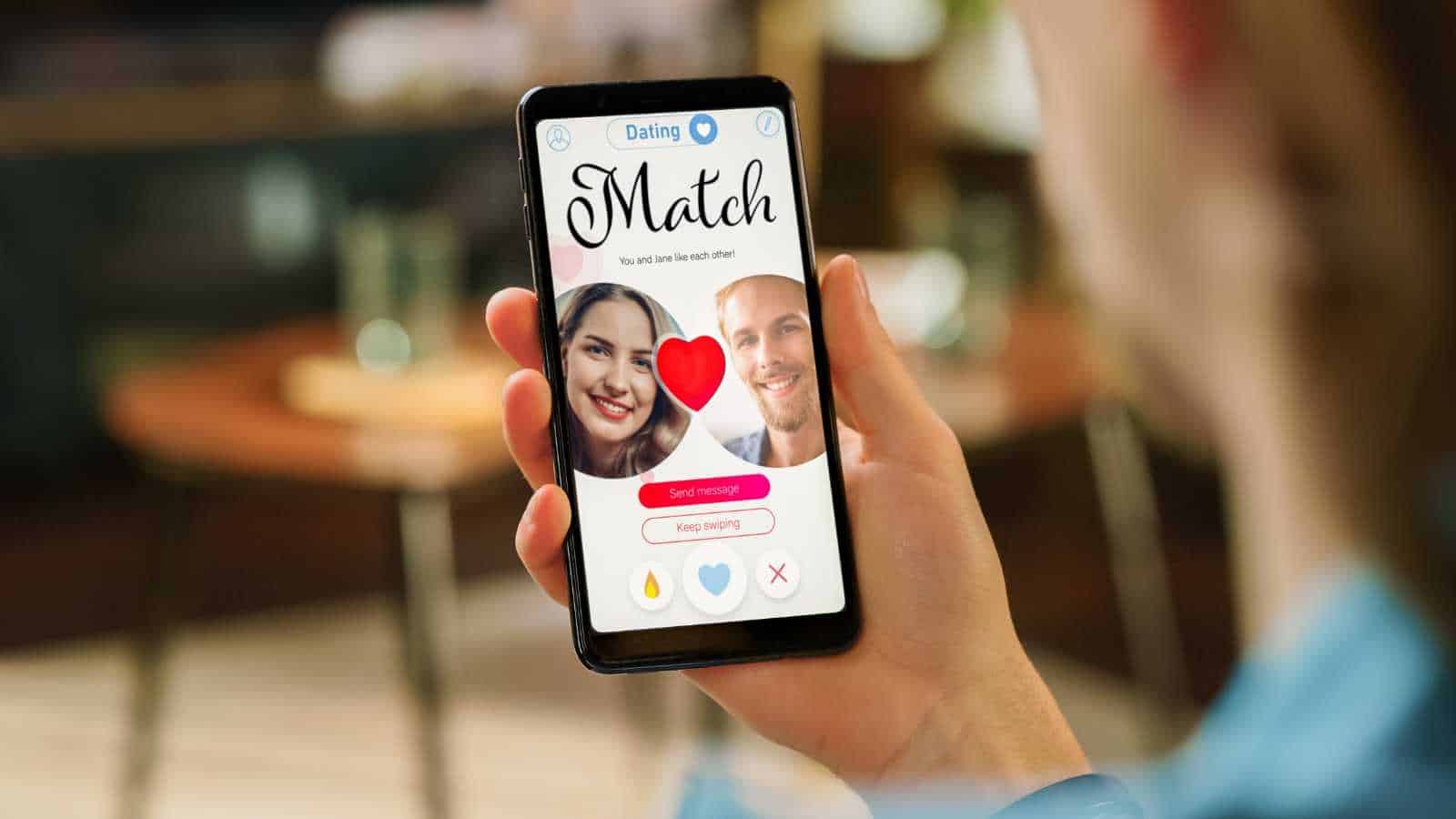
Dating apps can help people meet, but they can also feel like a part-time job with no dental plan. A profile can look polished, promising, and perfectly aligned until real life shows up and ruins the sales pitch. Endless choice also tempts people to keep browsing even after they meet someone decent, and that mindset can starve a promising bond before it gets traction.
Forbes Health reported in 2025 that 78% of dating app users said they felt burnout, and it based that finding on a OnePoll survey of 1,000 U.S. adults who had used a dating app in the last year. Burnout changes how people show up.
It makes them more impatient, more guarded, and more likely to treat each date as a quick audition rather than a real human exchange. If your goal is a lasting partner, a format built on fast judgment and endless comparison can wear down your hope before it builds your future.
Work happy hours raise the stakes

Office happy hours may seem convenient, but convenience and wisdom do not always go hand in hand. Shared deadlines, inside jokes, and post-work drinks can create a shortcut to closeness, yet that shortcut often carries career risk. If things turn awkward, the fallout can spill into meetings, performance reviews, and team dynamics faster than anyone expects.
SHRM reported in 2024 that 22% of people who had been in a workplace relationship said someone at work outed them. That number matters because it shows how little privacy many office romances actually get.
A woman may want romance, but she usually does not want gossip in the break room, tension on Monday morning, or a manager suddenly looking at her through a different lens. When a connection can dent both your peace and your paycheck, that is a loud sign to move slowly and choose carefully.
Gyms reward focus, not flirting

The gym looks like a dream setup on paper. People care about health, show discipline, and reveal how they handle effort, which sounds promising. In real life, though, most people walk in with one clear mission, and it’s not romance. They want to finish the workout, protect their focus, and leave without a stranger turning leg day into a social experiment.
A 2025 PLOS One study highlighted how women in gyms face barriers tied to body image, the physical environment, and interactions with others, including harassment and unsolicited comments. That kind of atmosphere makes many women feel watched instead of seen. A long-term partner should make your nervous system settle, not make you switch treadmills to avoid eye contact.
The best love stories usually do not start in a place where half the room guards its personal space with headphones and a very sharp stare.
Vacation resorts sell a fantasy

Vacation resorts hand people the prettiest version of themselves. Skin glows, schedules disappear, sunset does half the flirting, and daily stress stays back home with the unread emails. That setup can feel romantic in a big, cinematic way, yet it often runs on escape more than reality.
In a 2025 representative survey for MEININGER Hotels, Appinio found that only 16.4% of vacation romances turned into long-term relationships. That stat does not kill the fantasy, but it does pull back the curtain. People behave differently when they know the pool closes, the flight leaves, and real life waits on the other side of baggage claim.
A resort fling can give you butterflies, but butterflies do not tell you how someone handles conflict, routine, bills, family, or an ordinary Tuesday. For the foreseeable future, regular life still beats vacation magic.
Airports rush every second

Airports feel cinematic, but they also feel frantic. A cute glance in a security line can seem like fate for about seven minutes, then somebody hears a boarding call, and the whole mood starts sprinting. Even the best airport conversations happen under pressure, with luggage rolling, clocks ticking, and people thinking three steps ahead.
Airport Dimensions reported in its 2025 research that 66% of travelers said airports feel more crowded now. Crowding changes behavior fast. People get task-focused, impatient, and less open to the kind of ease that helps a real connection breathe.
Add distance, time zones, and travel stress, and you have a setup that makes follow-through harder than the meet-cute suggests. Airports serve movement, not stability, and long-term partnerships usually need more grounding than Gate B14 can provide.
Music festivals run on intensity

Music festivals can make a stranger feel like a soulmate before the headliner even takes the stage. Shared excitement, glitter, late nights, and the big emotional lift of live music can compress intimacy into a few hours. That can feel magical, but intensity is not the same thing as compatibility.
A 2025 study on festival attendees reported that alcohol use reached 92.8% among the surveyed group, which tells you how heavily many of these spaces lean on heightened states. Heightened states can make people more impulsive, more affectionate, and less clear-eyed about what they actually want.
Once the tents come down and the playlists fade, many festival connections lose the fuel that made them feel special in the first place. A setting built for sensory overload can spark a fling beautifully, but it rarely offers a clean test of long-term fit.
Concerts drown out real conversation

Concerts give people a shared thrill, and that thrill can feel like chemistry in heels. You sing the same lyrics, cheer at the same beat drop, and ride the same emotional wave, creating an instant sense of closeness. The catch is simple.
The event offers a shared experience, but it leaves little room to learn who someone is offstage. According to Live Nation’s 2025 “Living for Live” report, based on a survey of 40,000 people across 15 countries, 70% of fans would rather see their favorite artist live than have sex. That stat says the show usually takes center stage, and the person beside you often comes in second.
A concert crush can feel hot, vivid, and unforgettable, yet it usually grows out of spectacle. A long-term partnership requires quiet listening, genuine curiosity, and enough conversational space to notice what happens after the encore.
College parties favor chaos

College parties can look like a giant buffet of options, but abundance does not create maturity on command. At those gatherings, people often chase release, status, attention, or pure fun long before they chase emotional readiness. That does not make young adults bad at love. It just means the setting pushes them toward noise and impulse instead of clarity and intention.
The National Institute on Alcohol Abuse and Alcoholism reported in 2026 that 25.0% of full-time college students ages 18 to 25 reported binge drinking in the past month. A room shaped by that pattern does not make thoughtful partner selection easier. People misread signals, skip hard questions, and mistake temporary chemistry for actual alignment. Some couples do beat the odds, but a chaotic party still makes a weak audition room for a steady life partner.
Casinos feed the thrill

Casinos know how to light up the senses. The sound, the movement, the rush, and the near-win feeling can make everything around you feel more alive, including attraction. That emotional spike can create a fast bond, but it also makes it easier to confuse stimulation with substance.
Casino settings reward risk, big feelings, and spur-of-the-moment choices. Those qualities can feel exciting for an evening, but they do not automatically translate into patience, reliability, or healthy conflict skills. A woman looking for steadiness should treat the roulette-wheel mood with caution and keep her standards sober.
Sports games steal the spotlight

Sports events create energy, but they also create divided attention. People yell, celebrate, complain, scan stats, watch replays, and emotionally attach themselves to a scoreboard for hours. That can make the event fun, but it can also turn an early connection into background noise.
If you meet someone there, you may catch his vibe, but not his depth. A long-term partnership requires more than shared team colors and a mutual dislike of the referee. It needs quiet follow-up, emotional presence, and enough room for two people to notice each other, not just the jumbo screen.
Key takeaway
A flashy setting can spark interest, but a spark alone cannot carry a relationship into real life. Nightclubs, bars, festivals, concerts, casinos, and college parties lean hard on noise, speed, alcohol, fantasy, or group energy, and those forces can hide the traits that matter most in a long-term partner. Apps add reach, yet they can also add burnout and endless comparison.
Work events raise the price of a bad choice, gyms protect focus over openness, and travel spaces rarely give new connections enough time to settle into reality. None of these places makes love impossible. They make discernment harder. If you want something lasting, choose environments that reward conversation, consistency, and calm instead of rush, performance, and temporary thrills.
Disclaimer – This list is solely the author’s opinion based on research and publicly available information. It is not intended to be professional advice.
Like our content? Be sure to follow us.