14 everyday frustrations boomers refuse to put up with anymore
Data from Digital Information World shows that 91% of Gen Xers and baby boomers feel overwhelmed by modern technology, and that is just one of many everyday hassles they are increasingly unwilling to tolerate.
Growing up in a slower-paced, less complicated world, Boomers have witnessed how society has evolved, especially through technological advances and changing work environments. As they grow older, many Boomers no longer tolerate the daily frustrations that younger generations might easily overlook.
With decades of experience and a clearer understanding of the value of their time, they’ve decided to draw a line in the sand and prioritize what truly matters to them. Gone are the days of silently enduring inefficiency, impersonal customer service, and unnecessary complexity.
Boomers, with their deep life experiences, now approach daily irritations with a no-nonsense attitude. They have seen the world change, and along with it, their expectations for how things should work.
From complicated technology to long phone hold times, these frustrations no longer have a place in their lives. Instead, they embrace efficiency, respect for their time, and an increasing demand for simplicity. Here are 14 everyday frustrations that Boomers simply refuse to put up with anymore.
Complicated Technology

Boomers were raised in a time when technology was simple and easy to understand. The introduction of smartphones, tablets, and computers brought a new set of challenges, especially with gadgets that require constant updates and complex features.
The frustration of using devices that seem more complicated than helpful is something Boomers are no longer willing to tolerate. They feel overwhelmed by the constant barrage of new apps, systems that require endless troubleshooting, and technology that complicates everyday tasks rather than simplifying them.
Instead of the devices that have become essential for daily life, Boomers now demand technology that is easy to use and intuitive. They value user-friendly interfaces that don’t require hours of study or technical support to operate.
After spending years adapting to an ever-changing digital world, they’ve grown frustrated with gadgets that don’t respect their time or intelligence. For many, the constant effort to keep up with modern tech feels more like a burden than a convenience, leading to a shift in their expectations of what technology should do for them.
Long Customer Service Wait Times

There was a time when customer service involved talking to a real person who could resolve your issue quickly. Now, Boomers face long hold times, endless automated voice prompts, and long delays before speaking with a live person. The irritation of wasting time waiting for assistance has grown unbearable for many.
They feel that as customers who’ve supported businesses for decades, their time should be valued rather than treated as expendable. And with so many services offered online, Boomers have begun rejecting companies that don’t prioritize customer service.
The frustrations of waiting in endless queues or being passed around from department to department are no longer acceptable. They’ve seen the quality of service drop over the years and are now demanding quicker, more efficient service that actually addresses their concerns.
Boomers now make it a point to seek out businesses that prioritize customer satisfaction and streamline their service processes, ensuring they no longer have to waste their valuable time on frustrating wait times.
Poor Work-Life Balance
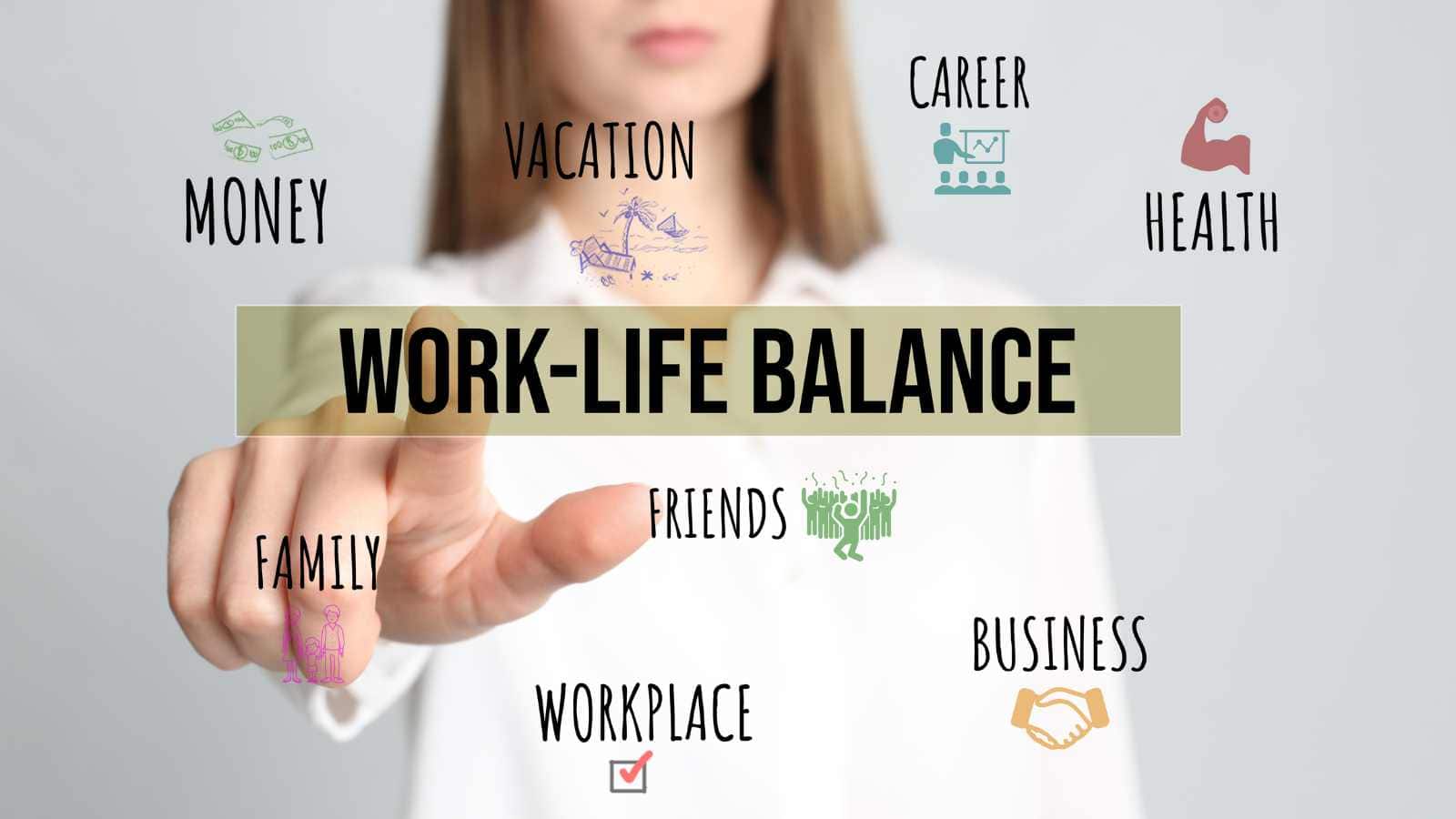
Boomers worked hard to build careers, support families, and contribute to society. But now, as they near or enter retirement, many are placing a higher value on their personal time. The demanding hours and lack of work-life balance that once seemed inevitable are now seen as avoidable.
Many Boomers, especially those who’ve spent decades in the workforce, no longer accept the constant pressure to sacrifice their personal time for work. They’re prioritizing health, family, and hobbies over career advancement or the need to be constantly available.
This shift comes from a desire to live life on their own terms. They recognize that time spent with loved ones and personal well-being are just as important as career success.
Boomers refuse to be overworked or stressed by a job that doesn’t respect their time and energy. Instead, they’ve become advocates for healthier work habits, setting boundaries with their employers and choosing to focus on what truly fulfills them in their later years.
Unnecessary Meetings

For many Boomers, the workplace has become flooded with meetings that often feel redundant and unproductive. They’re tired of sitting through endless discussions that could have easily been addressed through a simple email or a short conversation.
Boomers, having seen the evolution of corporate life, now reject the idea of wasting valuable time in meetings that don’t serve a clear purpose. These long, unproductive meetings have become one of their biggest pet peeves, especially when decisions could be made more efficiently.
They’ve learned that their time is too valuable to be spent in endless discussions without clear action points. Boomers value efficiency, and they’re no longer willing to sit idly through lengthy meetings just to check a box.
They’ve become more assertive in pushing for meetings that are focused, concise, and goal-oriented. As their professional lives wind down, they now focus on maximizing productivity and minimizing unnecessary distractions.
Social Media Drama

Boomers grew up in a world where face-to-face interactions and direct communication were key to building relationships. The world, dominated by social media, often feels overwhelming, especially with the drama, negativity, and superficial interactions that fill many platforms.
The constant barrage of online arguments, political debates, and personal conflicts has led many Boomers to disengage entirely from social media. They prefer meaningful in-person conversations to navigating the often toxic atmosphere of social networks.
The frustration of dealing with online drama has prompted many Boomers to reduce their time spent on social media platforms or opt out altogether. They no longer feel the need to engage in virtual conversations that contribute to stress and negativity.
Boomers, who value authentic relationships, have shifted their focus away from the superficiality of online interactions and instead emphasize real-world connections that bring them joy and fulfillment.
Lack of Courtesy in Public Spaces

For many Boomers, common courtesy is an essential part of interacting with others. From holding the door open to saying “thank you” or “excuse me,” these small acts of kindness are essential to creating a respectful society.
Today, however, Boomers feel that courtesy has all but disappeared, replaced by rudeness and indifference in many public spaces. They’re frustrated by the lack of basic manners in interactions, such as people cutting in line or invading others’ personal space.
Having grown up with a strong sense of respect for others, Boomers now speak up when they encounter disrespectful behavior in public. They are vocal about the need for politeness and the importance of treating others with consideration. This frustration has driven many Boomers to advocate for a return to the simple acts of kindness that once made public spaces more pleasant for everyone.
Overpriced Everyday Items

The rising cost of everyday goods, groceries, gas, and utilities has become a major frustration for many Boomers. As they’ve watched prices steadily climb over the years, they feel frustrated by the lack of transparency and justification behind these increases.
For a generation that has worked hard to provide for their families, the constant rise in costs feels like an unfair burden. They are no longer willing to accept price hikes without questioning the reasons behind them.
Boomers have learned to budget carefully, but they’re increasingly vocal about the growing disparity between the cost of living and their retirement income. The frustration with inflated prices has driven many to become more proactive in seeking better deals or avoiding overpriced items altogether. They’ve made it clear that, after a lifetime of working hard, they’re no longer willing to pay inflated prices without seeing real value in return.
Fast Food and Low-Quality Dining Options

Boomers grew up with a deep appreciation for home-cooked meals and quality dining experiences. However, the rise of fast food and low-quality restaurant options has led to a noticeable shift in their eating habits.
They are no longer willing to settle for quick, unhealthy meals that offer little nutritional value. As they become more mindful of their health, Boomers now prioritize fresh, home-cooked meals or dining experiences that focus on quality ingredients and authentic flavors.
The appeal of fast food has waned, and Boomers are choosing healthier, more satisfying options instead. They are increasingly willing to invest in better food experiences that nourish both the body and the soul. This shift reflects a broader trend among Boomers to live more healthfully and avoid the detrimental effects of overly processed, low-quality foods.
Endless Paperwork

The frustration of dealing with endless forms and paperwork is something many Boomers simply will no longer tolerate. In a world where so much is done digitally, they’re tired of the constant need to fill out forms, sign documents, and sift through piles of paperwork for basic tasks. The bureaucratic process feels outdated and inefficient, especially when many tasks could be completed with a single click.
Boomers are now more vocal about their desire for streamlined systems that eliminate unnecessary paperwork. They’re advocating for more efficient ways to handle everything from banking to healthcare processes that don’t require spending hours filling out forms or waiting for approvals. This shift reflects their desire for a more efficient, modern approach to managing everyday tasks.
Aggressive Marketing Tactics

Boomers are frustrated by the ubiquitous, invasive marketing tactics in the consumer landscape. From incessant pop-up ads to targeted ads that follow them across websites, the constant bombardment of marketing messages has reached a breaking point. Many Boomers feel that companies cross the line by making them feel like their time and personal space are being invaded.
Boomers value transparency and honesty in advertising and are no longer willing to tolerate tactics that feel manipulative or disrespectful. They are increasingly selective about the brands they engage with, choosing to support companies that respect their privacy and time. In an era of oversaturation, Boomers are pushing back against invasive marketing strategies.
Invasive Surveys and Spam

The overwhelming flood of spam emails, phone calls, and unsolicited surveys is a major frustration for many Boomers. These constant interruptions waste their time and often feel like an invasion of their privacy.
It’s a survey that doesn’t apply to them or spam phone calls promising to lower their credit card rates. Boomers have had enough.
Boomers have learned to be proactive about protecting their personal information and are more selective about where they share their data. They’re less willing to tolerate intrusive marketing tactics and have become adept at blocking or ignoring unnecessary surveys and spam. Their frustration has led many to seek greater control over their digital and phone privacy.
Unnecessary Travel Delays

The joy of travel has been marred for many Boomers by the inefficiency and inconvenience of modern air travel. From long security lines to delays and cramped seating, the travel experience has become a source of stress rather than excitement. After years of navigating airports and airlines, Boomers are now fed up with the constant disruptions that make travel feel like an ordeal.
Boomers now demand better service and a more efficient, comfortable travel experience. They are no longer willing to accept the disruptions that have become all too common in the airline industry. For many, travel has lost its appeal unless it’s an experience that respects their time, comfort, and well-being.
Excessive Noise in Public Places

Boomers remember a time when public spaces were quieter and more peaceful, with fewer distractions. Today, the constant noise in restaurants, stores, and public areas has become overwhelming. The constant barrage of music, chatter, and traffic has become too much for many, leading Boomers to seek quiet spaces where they can relax without the stress of overwhelming noise.
Boomers are increasingly choosing quieter places to spend their time. They’re opting for a calm café or taking walks in nature; they’ve had enough of the noise that fills public spaces. Their need for peace and quiet has become a key factor in how they choose to spend their time, valuing serenity over chaos.
Over-Scheduling and Lack of Free Time

Boomers have lived through decades of juggling work, family, and social obligations. Now that many are retired or transitioning into different phases of life, they refuse to let their time be dictated by busy schedules. The constant pressure to fill every moment with activity or obligation has lost its appeal.
They now recognize the importance of downtime and personal space, choosing to spend their time doing things that bring them joy and relaxation. It’s enjoying a hobby, spending time with loved ones, or simply doing nothing. Boomers are reclaiming their time and refusing to let it be consumed by unnecessary commitments.
Key Takeaway

Boomers have earned the right to set boundaries and refuse to tolerate everyday frustrations that once seemed unavoidable. With years of experience and a clear understanding of what truly matters, they are embracing a life that prioritizes simplicity, quality, and respect. From avoiding complex technology to demanding better customer service, they’ve reached a point where certain annoyances are no longer worth enduring. For Boomers, life is about living on their own terms, enjoying the freedom to focus on what truly enhances their well-being.
Disclaimer: This list is solely the author’s opinion based on research and publicly available information. It is not intended to be professional advice.
Like our content? Be sure to follow us