13 reasons why leaving your washer door open (or closed) changes everything
Your washer has two personalities: a fresh-laundry hero or a damp little stink box. Funny enough, one tiny habit decides which one shows up. ENERGY STAR reports that the average American family runs about 300 loads of laundry every year, so this is not some random chore detail you can ignore and hope for the best.
A 2026 American Cleaning Institute laundry survey also found that nearly half of Americans do one to three loads per week, and 37% do four to six loads per week, which means your washer gets plenty of chances to trap moisture, detergent, and mystery smells.
I learned this the annoying way after wondering why “clean” towels smelled like they had spent a long weekend in a locker room. The culprit? I kept shutting the washer door right after every load.
Samsung’s 2026 cleaning guide tells owners, “After every wash: Leave the door and detergent drawer open to dry,” and that tiny advice explains why leaving your washer door open, or closing it at the wrong time, changes everything.
It helps the drum dry faster
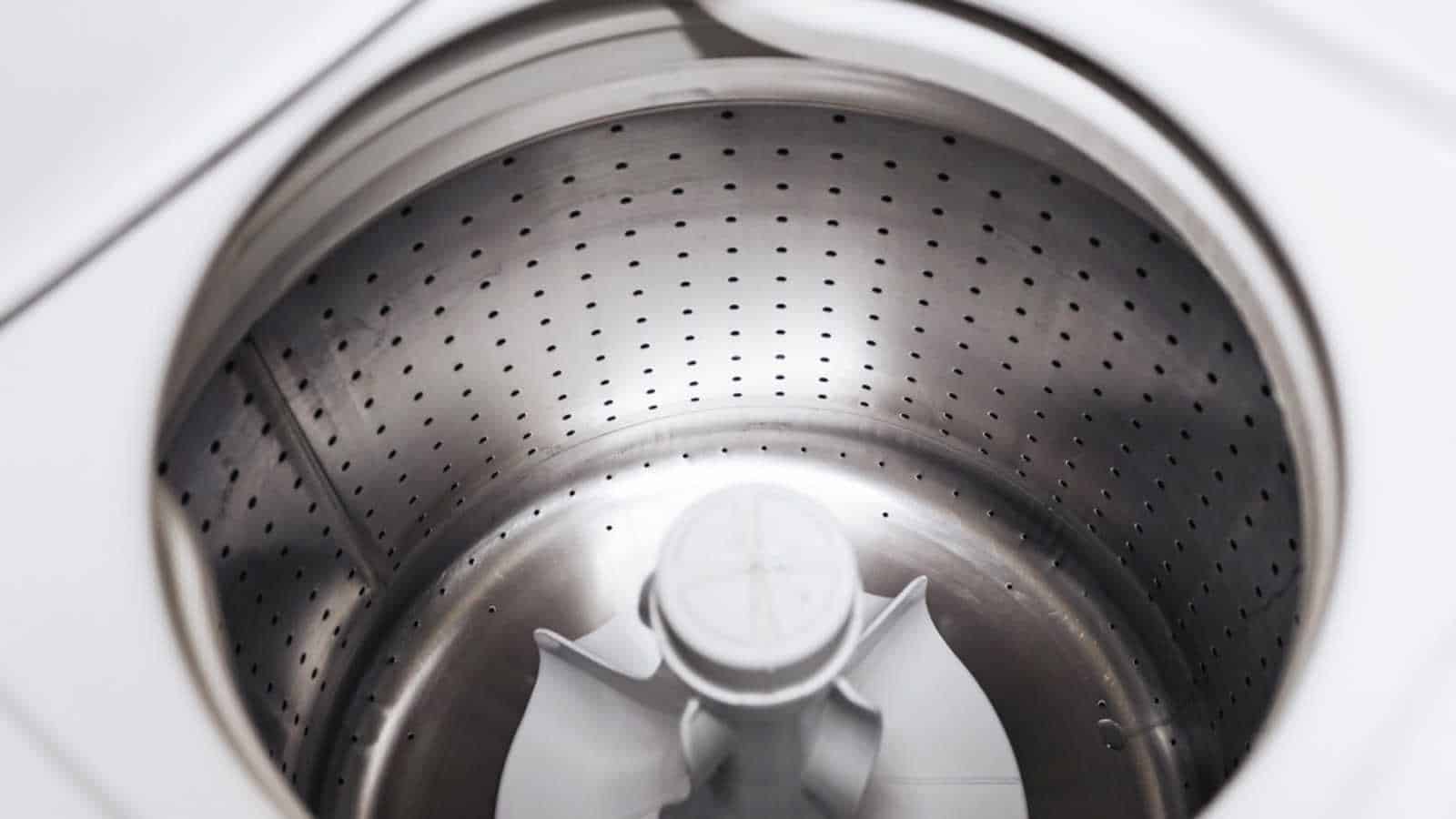
A washer looks clean after a cycle, but the drum still holds moisture in little corners, seams, and grooves. When you leave the washer door open, air moves through the drum, helping the leftover water evaporate rather than turning the machine into a damp cave with buttons. Whirlpool gives the same simple advice, telling owners to leave the washer door open so air can continue drying the interior after use.
That matters even more in American homes that use high-efficiency machines, because these washers use less water and often seal tightly. ENERGY STAR says certified clothes washers use about 20% less energy and 30% less water than regular washers, which sounds great for bills, but less water can also mean less natural rinsing of residue if you overdo detergent.
Ever opened the door later and caught that “wet sock in a basement” smell? Yeah, the drum did not magically invent that perfume.
It slows down musty odors

Musty washer smells usually come from moisture, residue, and poor airflow teaming up like a tiny villain squad. When you close the washer door immediately after a load, you trap humid air inside the drum, gasket, and dispenser area. Good Housekeeping’s 2026 washer cleaning guide says leaving the door ajar after each use allows air to circulate and dry out moisture that can cause musty smells.
I know, leaving a door cracked open does not feel like a glamorous home care hack. It feels like something your auntie would tell you while side-eyeing your laundry room, and annoyingly, she would be right. If your clean clothes smell stale before they even reach the dryer, the washer door may deserve more blame than your detergent.
It gives the door gasket a fighting chance
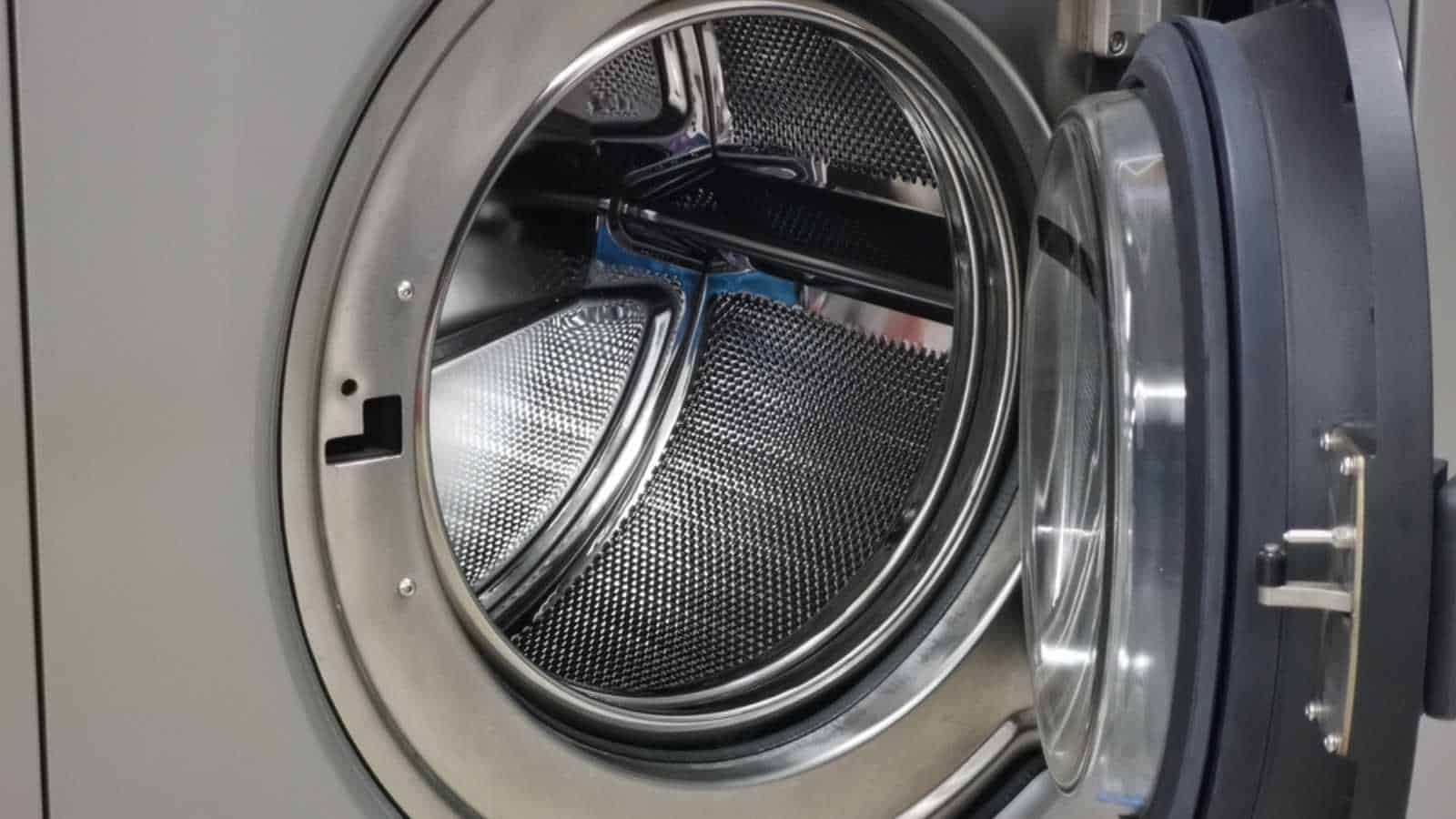
Front-load washers work beautifully, but that rubber gasket around the door loves to collect water, lint, pet hair, detergent residue, and the occasional lost baby sock. Samsung notes that the rubber gasket can trap moisture, lint, and detergent residue, and advises users to dry the gasket completely before closing the door. That little fold may look harmless, but it can hide enough grime to humble anyone who thought laundry was self-cleaning.
Amanda Abraham, an integrated brand manager at Maytag Laundry, told Real Simple that owners should clean a front-load washer gasket about once a month to prevent odor and residue buildup. She also warned that a dirty gasket can compromise the seal and lead to leaks, turning a smell problem into a money problem. So yes, leaving your washer door open helps, but the gasket still wants a quick wipe like it pays rent.
It keeps detergent residue from turning into sludge
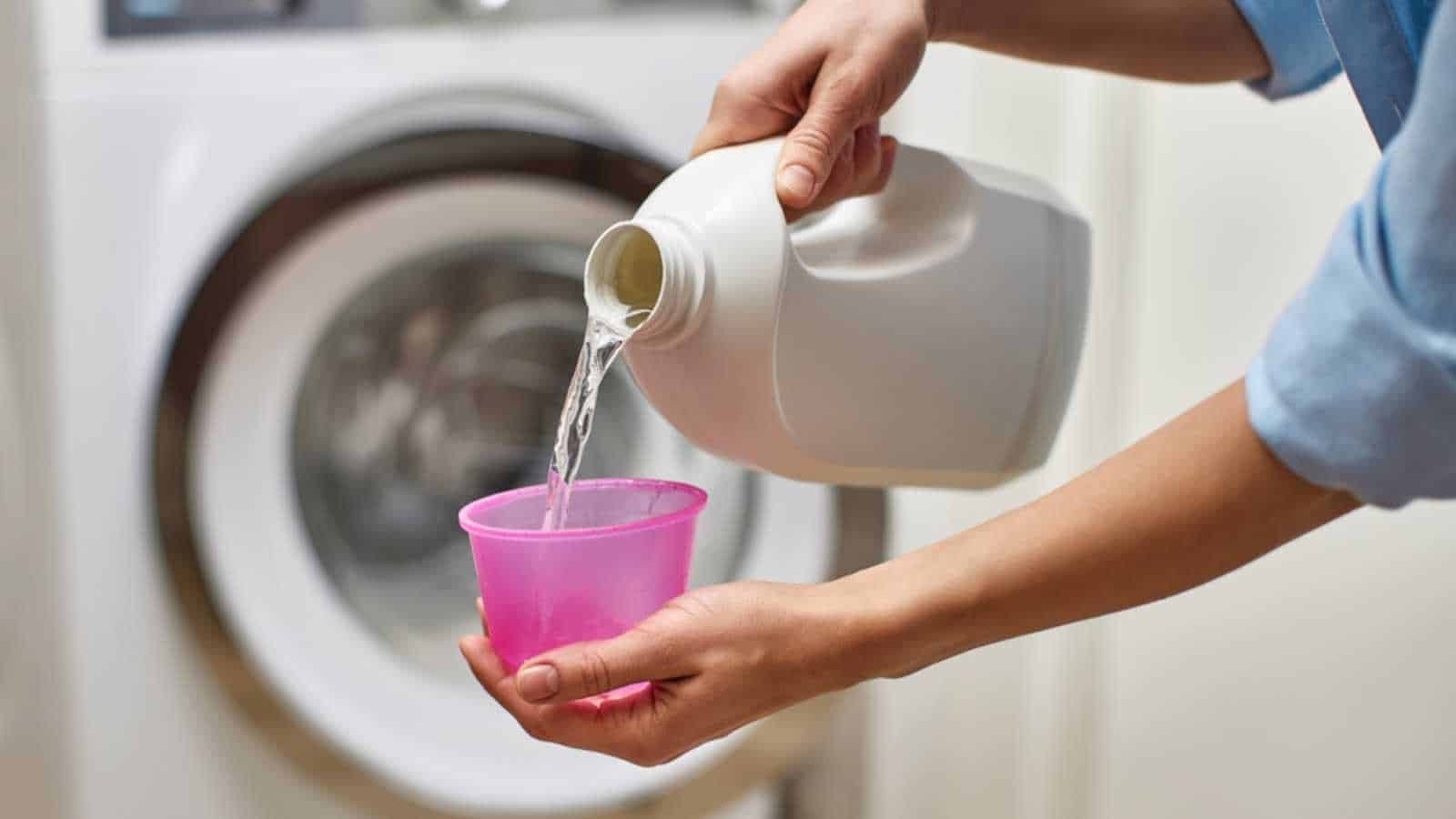
Too much detergent feels productive, right? More soap, more clean, happy ending. Except that washers do not work that way, and Whirlpool warns that using the wrong detergent or too much detergent can create excess suds and residue buildup on the gasket, which can cause unpleasant odors over time.
Leaving the washer door open helps dry the residue before it turns sticky, sour, and dramatic. Still, airflow cannot rescue a machine that gets buried under detergent every week, so measure the dose and use HE detergent if your washer requires it. Want the real adult laundry flex? Use less detergent, dry the gasket, and stop treating fabric softener like salad dressing.
It protects freshly washed clothes from funk

You can buy the fanciest detergent in the aisle, but a damp washer can still send your clothes out smelling like regret. If odor-causing residue sits in the drum or gasket, your towels, gym clothes, and bedding can pick up that smell during the next wash. Samsung’s maintenance schedule links regular cleaning, opening doors, wiping gaskets, and monthly tub cleaning to fresher performance.
This hits harder if your household runs multiple loads back-to-back, which many U.S. families do every week. The ACI laundry data shows that a large share of homes run several loads weekly, so your washer may never get a true break unless you give it air between cycles.
Ever washed towels twice because they still smelled weird? Congratulations, your washer just charged you extra time for ignoring ventilation.
It supports better indoor air habits

A washer does not control your whole home’s air quality, obviously, but dampness still matters. The EPA advises people to keep indoor humidity below 60%, ideally between 30% and 50%, because moisture encourages mold problems. The CDC provides similar guidance, advising households to keep humidity at no higher than 50% and to keep air flowing freely.
That does not mean one closed washer door will turn your laundry room into a science experiment overnight. It does mean moisture control works best when you treat the washer, dryer vent, laundry room fan, and humidity level as one team. If your laundry area feels damp after every load, cracking the washer door open gives airflow a small but useful win.
It may help your washer last longer
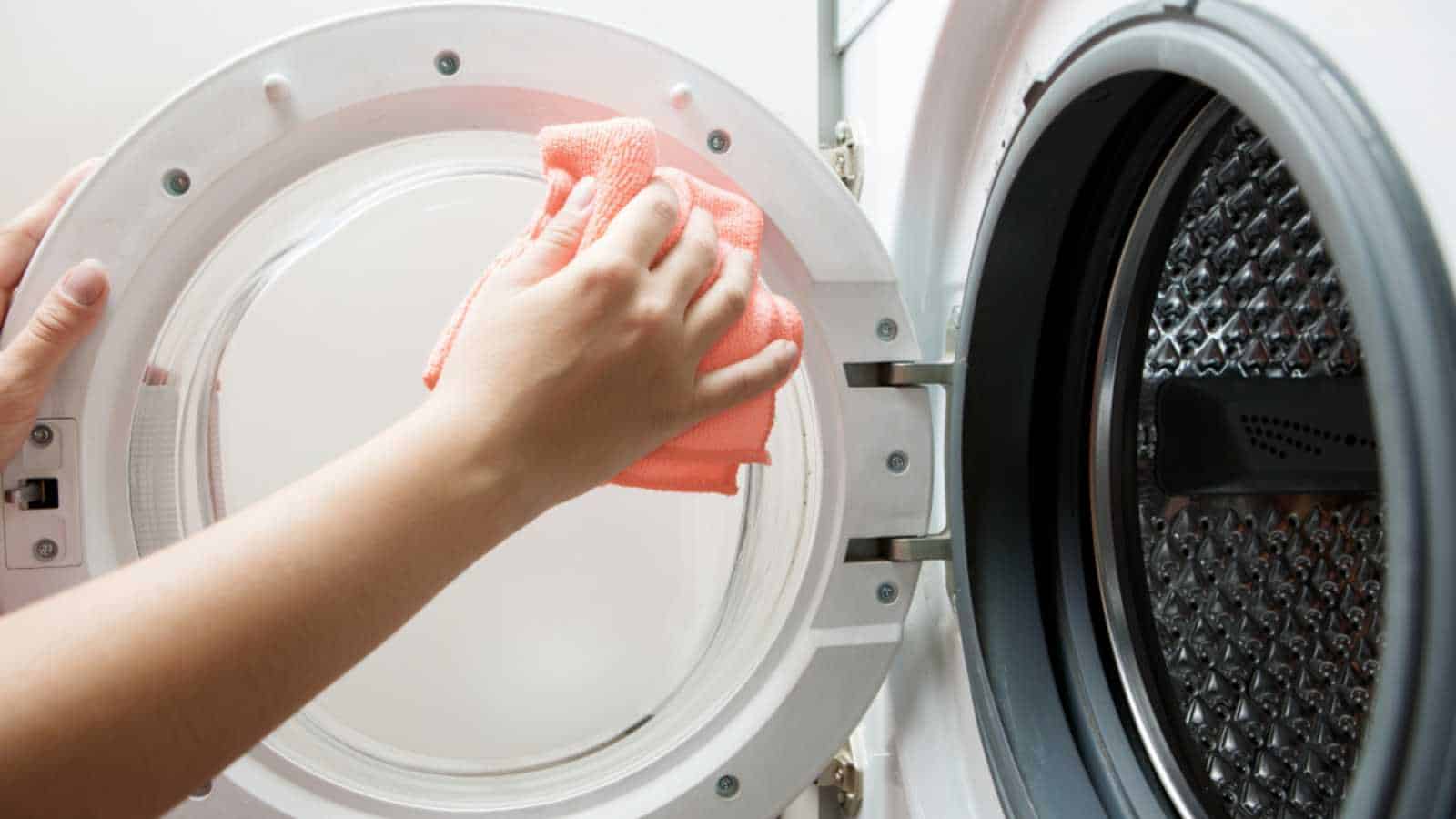
Moisture annoys more than your nose. Over time, dampness can promote residue buildup, gasket wear, corrosion, and leaks, especially around seals and parts that need to stay clean and flexible. LG tells owners to wipe the rubber gasket and door glass, then leave the washing machine door open to dry interior moisture.
That small habit may feel boring, but boring maintenance often saves money. ENERGY STAR says certified washer models can save about $530 in energy costs over their lifetime, yet poor care can nibble away at the value you expected from an efficient machine. Why buy a better washer and then treat it like a sealed aquarium after every load?
It makes monthly cleaning easier
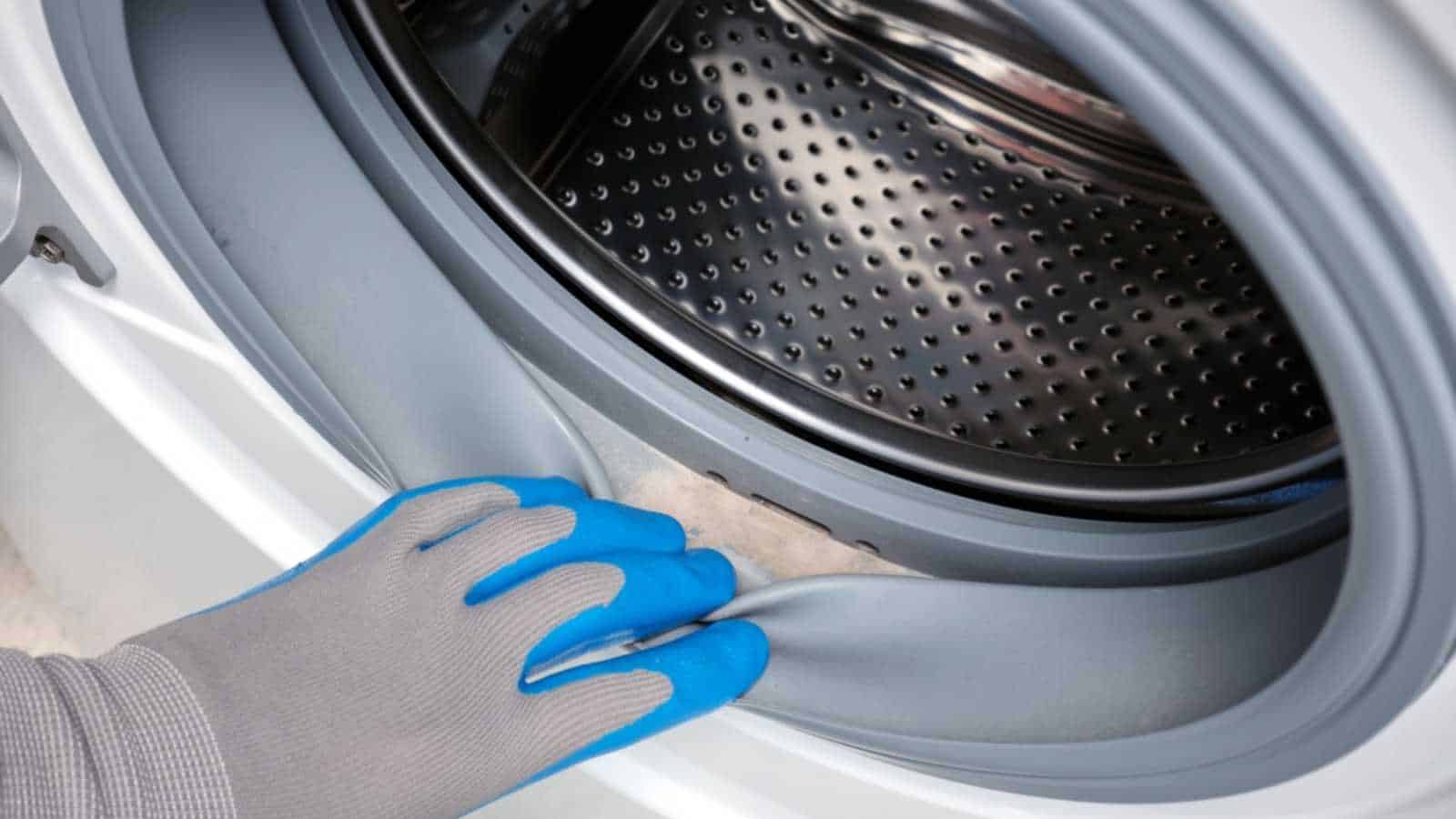
Leaving the washer door open does not replace cleaning the machine. It simply makes cleaning less gross, which I consider a major win for civilization. Samsung recommends a monthly tub cleaning cycle, weekly wiping of the door and gasket area, and cleaning the detergent drawer and filter every one to three months for front-load models.
Good Housekeeping also recommends monthly washer cleaning and reminds owners to wipe and dry the rubber seal and drum. If you air the washer out between loads, you usually face less slimy buildup when cleaning day arrives. Think of it as the difference between wiping a countertop and excavating a swamp.
It matters more in humid laundry rooms
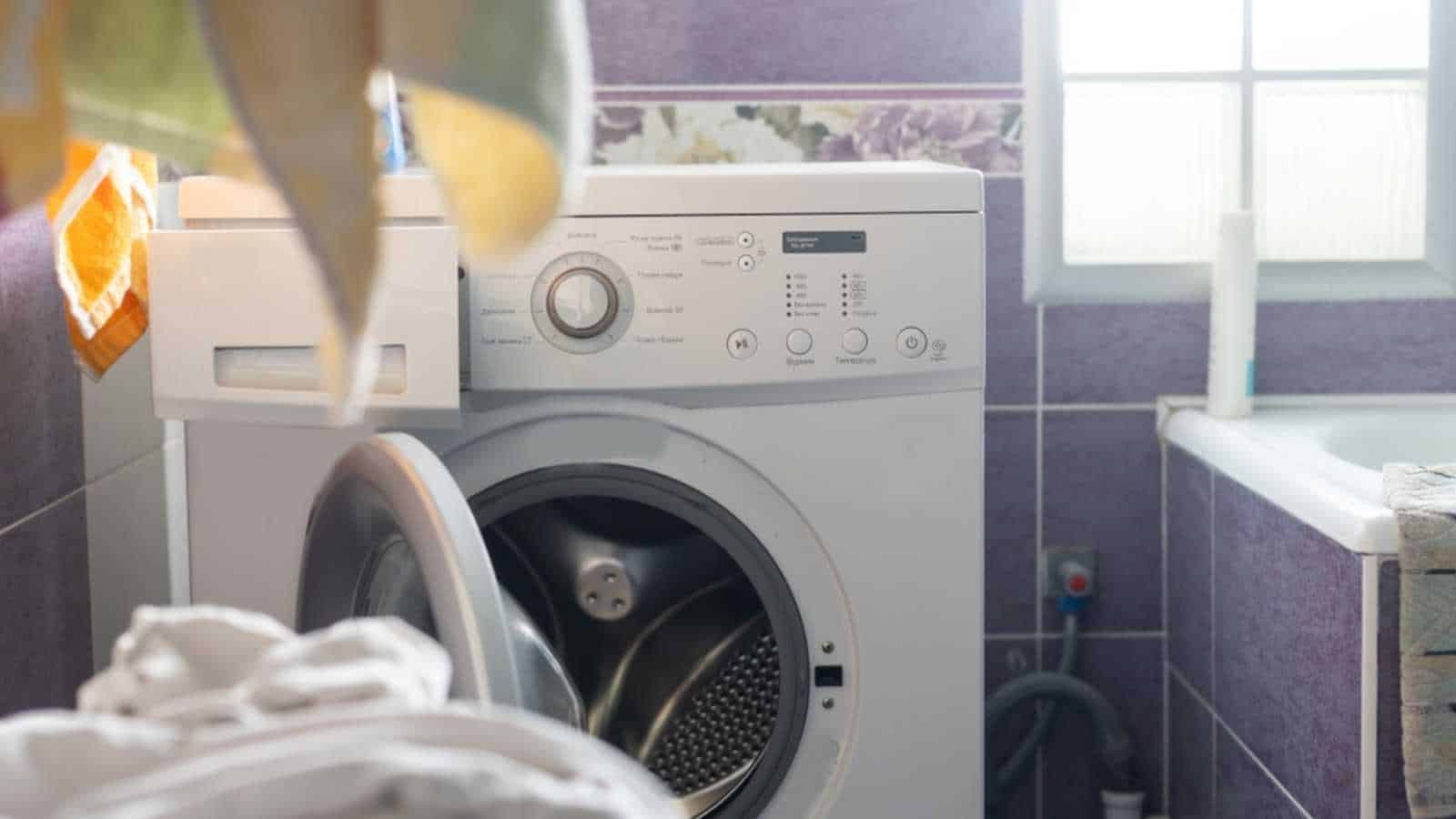
A washer in a dry, airy laundry room has an easier life than one squeezed into a closet, basement, garage, or apartment nook. LG notes that humidity levels around the washer can vary by installation location, and that water droplets can form on the door glass when moist air encounters temperature changes. That sounds fancy, but it basically means your laundry room’s climate can mess with your washer’s drying time.
If your laundry space feels muggy, the washer door needs more airflow, not less. Whirlpool even suggests using a dehumidifier when the laundry area feels humid or damp, especially if you want the gasket and drum to dry better. A cracked washer door, an open detergent drawer, and a small fan can do more than another aggressively scented laundry booster.
It helps the detergent drawer dry, too
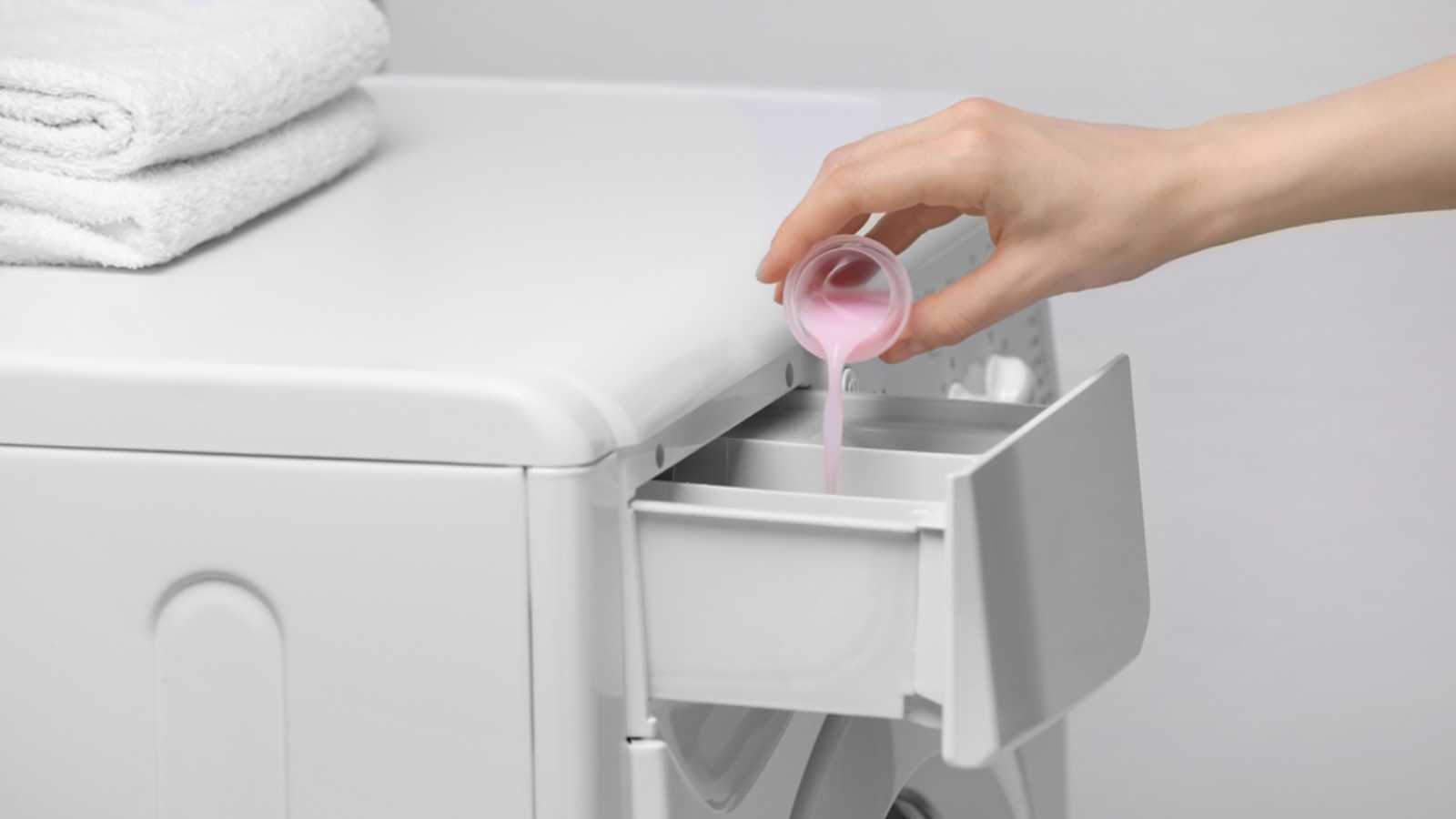
People obsess over the washer door and forget the detergent drawer, which is rude, because that drawer handles soap, softener, bleach, and whatever blue goo people keep buying. Samsung tells owners to leave both the door and detergent drawer open after every wash, then clean the drawer and filter on a regular schedule. That advice matters because residue can sit inside the dispenser area and cause odor problems.
I like to pull the drawer slightly open after the last load, especially after using liquid detergent or fabric softener. You do not need to remove the whole thing every time, unless you enjoy making laundry feel like a home renovation project. Just give the drawer some air, because closed, damp plastic plus detergent film creates exactly the kind of smell nobody wants near clean sheets.
It changes how you handle front-load versus top-load washers

Front-load washers require extra attention because their doors seal tightly and their gaskets trap moisture. ENERGY STAR says certified front-load washers use about 50% less energy and water than top-load agitator washers, which explains why many people choose them for efficiency. The tradeoff? That efficient sealed design needs airflow after use, unless your machine has a built-in drying feature.
Top-load washers usually do not trap moisture in the front gasket the same way, but they still benefit from leaving the lid open after a load. Good Housekeeping advises owners to leave the machine door ajar or lift the lid after each use, a recommendation that applies to both styles. So yes, your front-loader acts needier, but your top-loader still enjoys breathing room.
It affects safety when kids or pets live at home
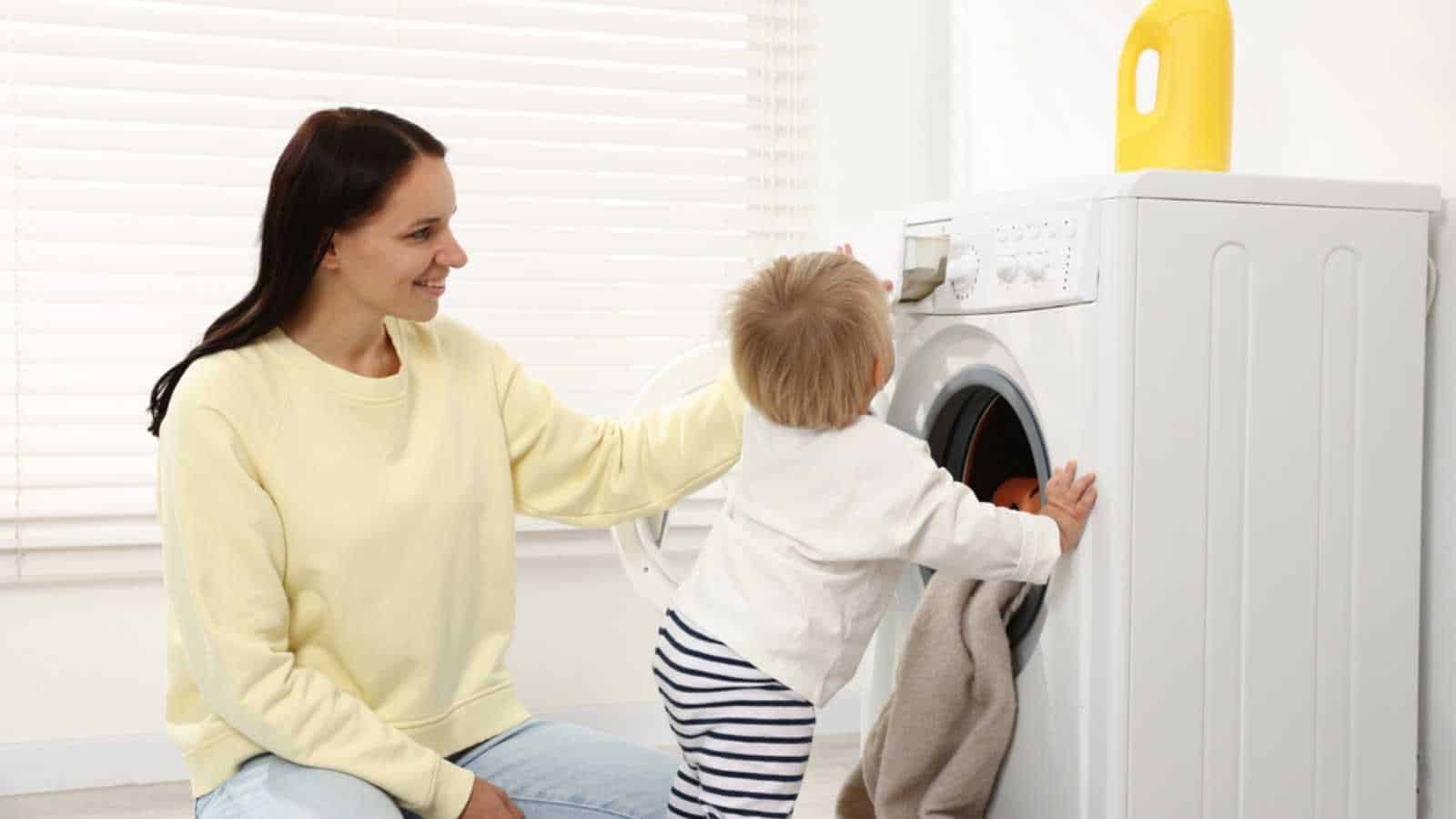
Here comes the part where we do not take safety casually. Leaving a washer door wide open can create a risk in homes with small children or curious pets, especially with front-load machines close to the floor. The American Academy of Pediatrics recommends that families use child locks on front-loading washers and dryers and establish a clear rule that the washer and dryer are not toys.
So the best habit is not “always fling the door open and walk away.” Use a door prop, built-in holder, or slight crack if your machine offers one, and keep kids and pets away from the laundry area. LG says some models include a holder that keeps the door slightly open to remove moisture and ventilate the interior, which sounds much better than letting the door swing around like it owns the hallway.
It explains why new washers keep adding drying features
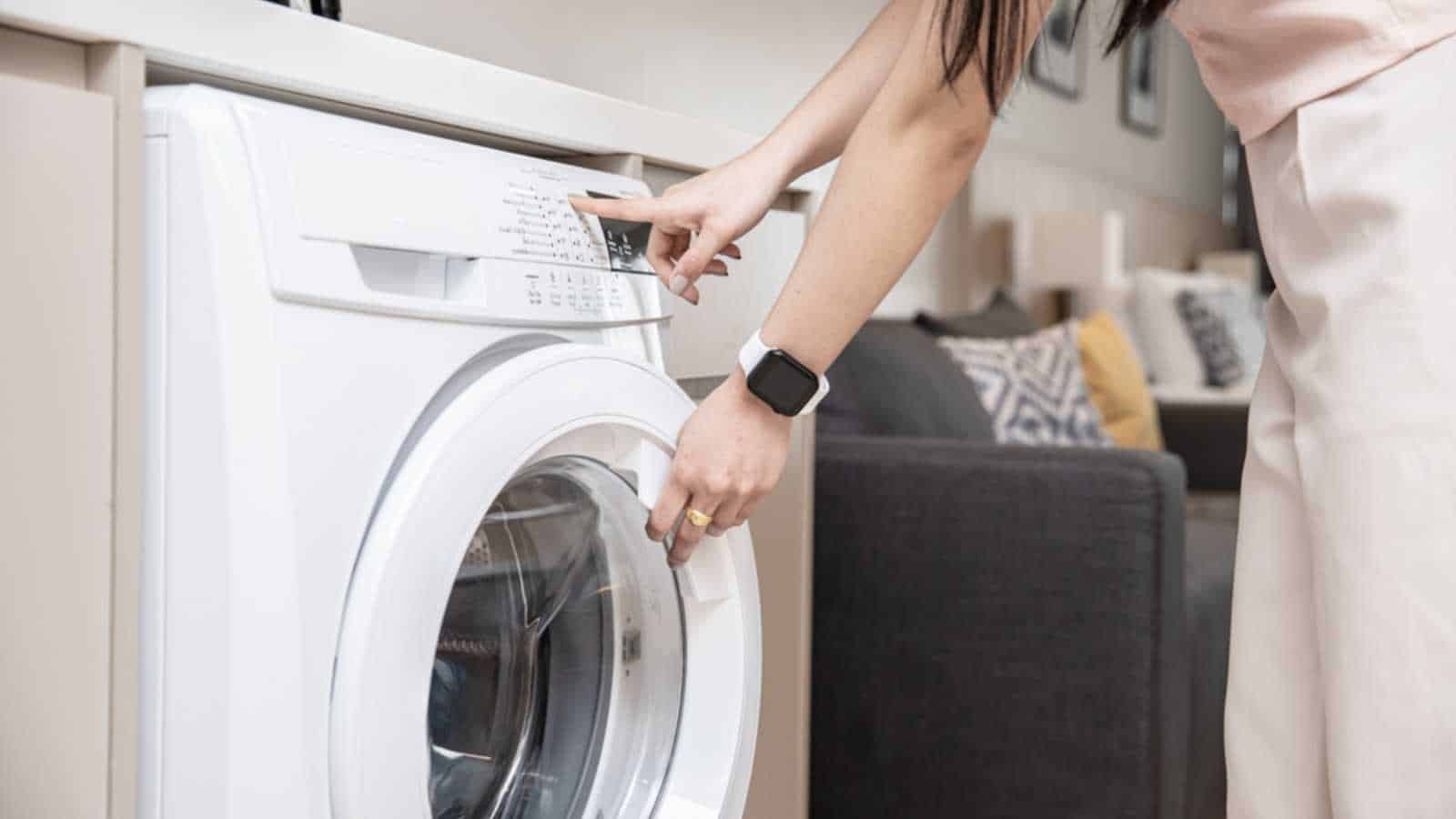
Appliance brands clearly know people forget to leave washer doors open, because newer machines now try to solve the problem for us. Whirlpool introduced a FreshFlow Vent System that dries the drum, door, and rubber seals after a wash cycle, and The Verge reported that the models launched with prices from $999 to $1,199. That trend says a lot: washer ventilation has moved from “grandma’s tip” to an actual product feature.
The catch, of course, is that some drying systems need you to start a separate cycle. In other words, technology still expects humans to press buttons, which feels slightly rude but fair. If your washer lacks a fan-based drying cycle, the free version still works: unload clothes promptly, wipe visible moisture, crack the door, and let air do its humble little job.
Key takeaway

Leaving your washer door open after a load helps the drum, gasket, and detergent drawer dry faster, which can reduce musty smells, residue buildup, and cleaning headaches. Closing the door matters too when safety, space, or a built-in drying feature calls for it, so the real goal is smart timing. With U.S. households running hundreds of loads a year, this small habit can change how fresh your laundry smells and how much grime you fight later.
A simple routine wins here: remove clothes quickly, wipe the gasket, leave the washer door and detergent drawer slightly open, run a monthly cleaning cycle, and keep children and pets away from the open machine. Your washer does not need a personality crisis, and your towels do not need to smell like a damp basement auditioning for a horror movie. Give the machine a little air, and laundry day suddenly feels less dramatic.
Disclaimer: This list is solely the author’s opinion based on research and publicly available information. It is not intended to be professional advice.
Like our content? Be sure to follow us.