12 awkward truths about a woman who wants payment before the first date
The first red flag isn’t always a bad photo, a strange bio, or boring text. Sometimes, it is one simple message: “Can you send me money first?”
Love should not arrive with an invoice before it arrives with a face. A first date can be coffee, dinner, a walk, a cheap taco run, or a quick meet-up to test the vibe.
But when someone asks for payment before you have met in person, the whole mood changes. What felt like flirting suddenly feels like a transaction.
UK Finance’s Take Five to Stop Fraud campaign found that 38% of people who dated someone they met online were asked to give or lend money despite never meeting in person, and 57% of those asked did so. Meanwhile, romance fraud losses reached £99.4 million in 2024, based on Action Fraud data. TSB also found that romance fraud victims made an average of 11 payments and lost £7,500 before realizing the truth.
So this is not about shaming women, men, or anyone dating online. It is about spotting the exact moment romance starts sounding like a payment plan.
It’s a Classic Romance Scam Warning Sign

The first awkward truth is the simplest: asking for money before meeting is one of the clearest signs of a romance scam. The Federal Trade Commission puts it bluntly: “If an online love interest asks you for money, that’s a scam. Period.”
The FTC says scammers often claim they live far away because of work, military service, or another excuse, then ask for money for a plane ticket, surgery, cryptocurrency, or another urgent need. The FBI gives the same kind of warning, telling people never to send money to anyone they have only communicated with online or by phone.
A real person may have real problems, but dating safety has to start with proof, time, and trust. If the first “romantic” step is cash for gas, childcare, travel, bills, or a vague emergency, that is not chemistry. That is a signal to slow down before your heart starts explaining away what your common sense already noticed.
She’s Prioritizing Financial Gain Over Genuine Connection

Dating costs money, and nobody should pretend otherwise. Dinner, rideshares, gas, outfits, parking, drinks, and time all add up. Still, asking for payment before the first date is different from discussing who pays fairly once two people have made plans.
UK Finance found that the top reasons online daters were asked for money were emergencies (37%), travel to meet (36%), and investments (29%). Those reasons sound emotional, practical, or urgent, which is exactly why they work. Genuine connection starts with curiosity, respect, and consistency.
A money request before eye contact makes the other person feel less like a date and more like a funding source. The eharmony and YNAB Love and Money Study says dating someone also means dating their finances, and that money red flags matter to people choosing partners. That is fair. But there is a huge gap between discussing values and asking a stranger to pay before trust exists.
57% of People Give Money Even When Explicitly Asked
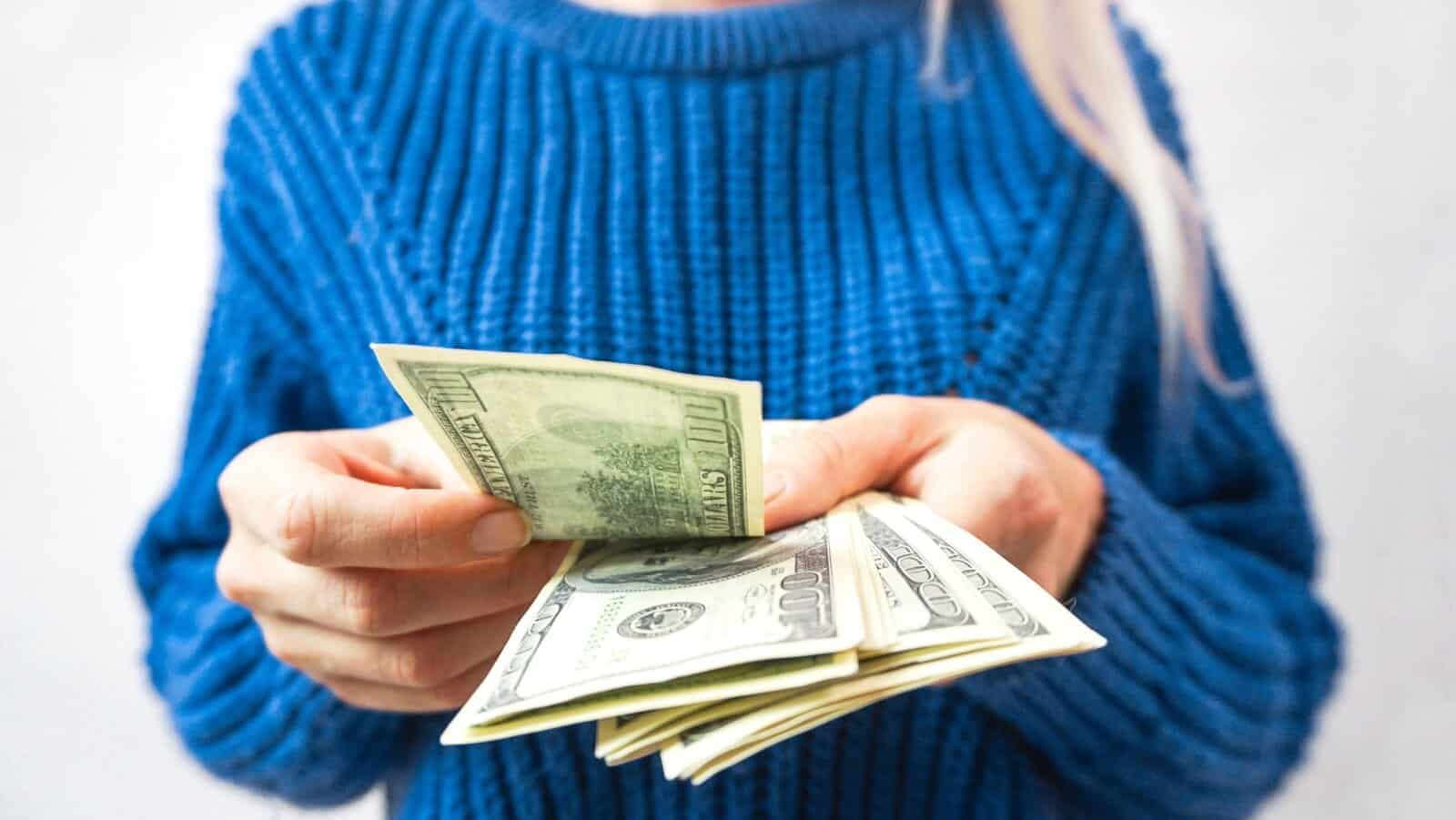
The danger is not just that someone asks. The danger is that many people say yes. UK Finance found that 57% of people who were asked for money by someone they met online gave or lent it, even though they had not met in person.
That first payment can feel small, kind, and harmless. Maybe it is £30 for gas, £100 for a bill, or £345, which UK Finance reported as the average amount requested. But TSB’s 2026 analysis shows how quickly the pattern can grow: victims sent an average of 11 payments and lost £7,500 before discovering the scam. TSB also found that the average “relationship” from the first to the last payment lasted 95 days.
That means the first request is rarely just about itself. It can be a doorway into pressure, guilt, promises, and fresh emergencies. Katy Worobec, Managing Director of Economic Crime at UK Finance, warned that criminals are “heartlessly targeting people online” to make money look like proof of love.
She’s Likely Not Who She Says She Is

If someone asks for money before meeting and keeps avoiding video calls, public meetups, or basic identity checks, the odds of deception rise fast. Which? reported that romance fraudsters often hide behind fake dating and social media profiles, and Action Fraud data showed that £99.4 million in reported losses from romance fraud were recorded in 2024.
UK Finance also found that 58% of people said they would keep messaging someone even if that person was reluctant to meet in person or video call after the first few conversations. That matters because scammers often rely on delay.
The FBI says romance scammers can seem genuine, caring, and believable, and they can use details shared on dating apps or social media to target people more effectively. A real person who is shy may need time. A fake person needs distance. If money comes before a verified face, the safest assumption is not “she is mysterious.” It is “I do not know who this person is yet.”
She’s Testing Your Financial Status, Not Your Character

A payment request before the first date can also function like a test: prove you are serious, prove you are generous, prove you are not broke, prove you can provide. That may sound like a shortcut to measuring effort, but it actually measures the wrong thing.
Character shows up in honesty, patience, reliability, kindness, respect for boundaries, and how someone handles a no. Money can reveal values, but money pressure before meeting usually reveals entitlement or manipulation. The eharmony and YNAB study found that daters pay attention to financial red and green flags, which makes sense because money affects trust and compatibility.
But healthy money conversations are conversations, not demands. A person can say, “I prefer a low-cost first date,” or “I like to split at first,” or “I value generosity.” Those are preferences. Asking for a transfer before showing up turns dating into an audition where one person pays just to be considered. That is not romance. That is a toll booth.
The Average Request Is £345, But Escalation Happens Fast

One small payment can look harmless because the amount feels manageable. UK Finance found the average amount requested was £345, and 6% of people were asked for more than £1,000. That is already serious money, but escalation is the real trap.
TSB reported that romance fraud payments jumped 37% in a year, case volume rose 15%, and fraudsters often groom victims for several months before making a request. Once someone pays, TSB says fraudsters keep coming up with new reasons to ask for more. Those reasons can sound personal: rent trouble, a sick relative, frozen bank account, travel costs, medical fees, or a final small hurdle before meeting.
The emotional rhythm is clever. Each new ask makes the victim feel closer to the promised meeting, not farther away from safety. That is why the safest time to stop is before the first payment. Once money enters the story, the story often grows teeth.
She Doesn’t Care About Traditional Dating Norms

Dating norms have changed, and that is not a bad thing. Some people split the bill. Some take turns. Some follow the old “inviter pays” rule. Some prefer cheap first dates because they care more about comfort than performance. Those are normal conversations. What is not normal is demanding payment before the first date even happens.
UK Finance’s safety advice says people should be suspicious of money requests from someone they have never met in person, especially after meeting online. That advice does not cancel generosity. It protects it. Traditional dating once had plenty of problems, including pressure on men to pay and pressure on women to perform gratitude.
Modern dating can do better by making money transparent and fair. But a pre-date payment request does not create equality. It removes mutual choice. You are no longer discussing how to share a date. You are being asked to fund access to one. That is a poor foundation for trust.
She’s Grooming You for Control Before Trust Is Earned
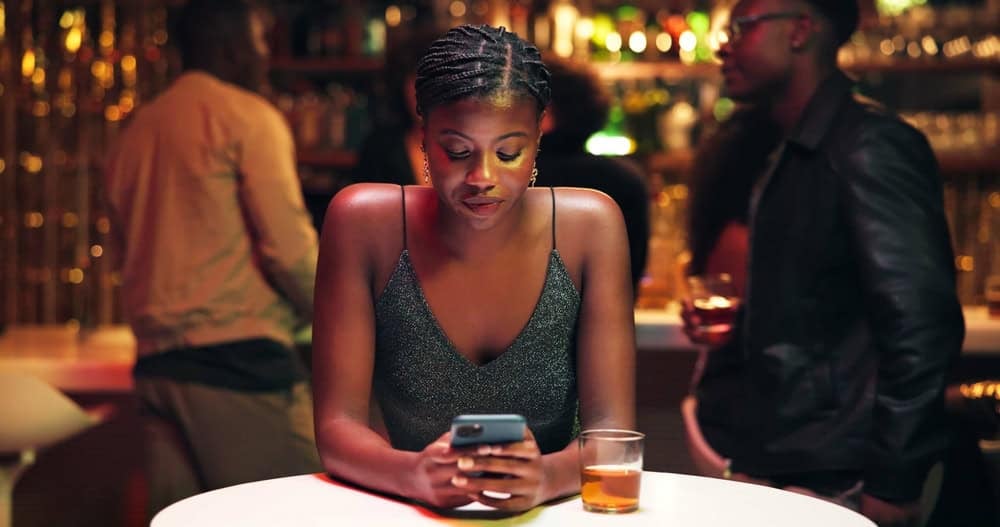
Romance scams often work because they do not feel like scams at first. They feel like attention. The FTC says scammers may talk every day, build closeness, claim strong feelings, then create a story and ask for money.
TSB says fraudsters often groom victims for several months, building trust before making a payment request, and then keep coming up with new reasons once the first payment is made. This is why pressure matters more than the amount. A person might say, “If you cared, you’d help,” or “I thought you were different,” or “I’ll pay you back when we meet.” That turns kindness into a test and boundaries into betrayal.
Real trust grows through repeated honesty. Grooming grows through urgency, secrecy, and emotional debt. If someone you have never met makes you feel guilty for protecting your money, that is not vulnerability. That is control wearing perfume.
Most Women Don’t Need a Sugar Daddy, But Here’s the Exception

This point matters because it keeps the article fair. Most women are not asking strangers for money before a first date. Most women are not scammers. Most women who care about generosity are talking about effort, consistency, and mutual respect, not a pre-meeting transfer.
UK Finance and the Online Dating Association frame the danger around criminals posing as love interests, not women as a group. The same scam logic can come from any gender, any profile picture, and any sweet message. A woman who likes a man paying for dinner is not the same as someone asking him to send money before meeting.
A person struggling financially is not the same as a fraudster. But the boundary still stands: no money before identity, safety, and real-world trust. Keeping that line protects both decent daters and vulnerable people who may be targeted. The problem is not women wanting care. The problem is that money is being used as the price of romantic access.
The Request Destroys Trust Before the Relationship Begins
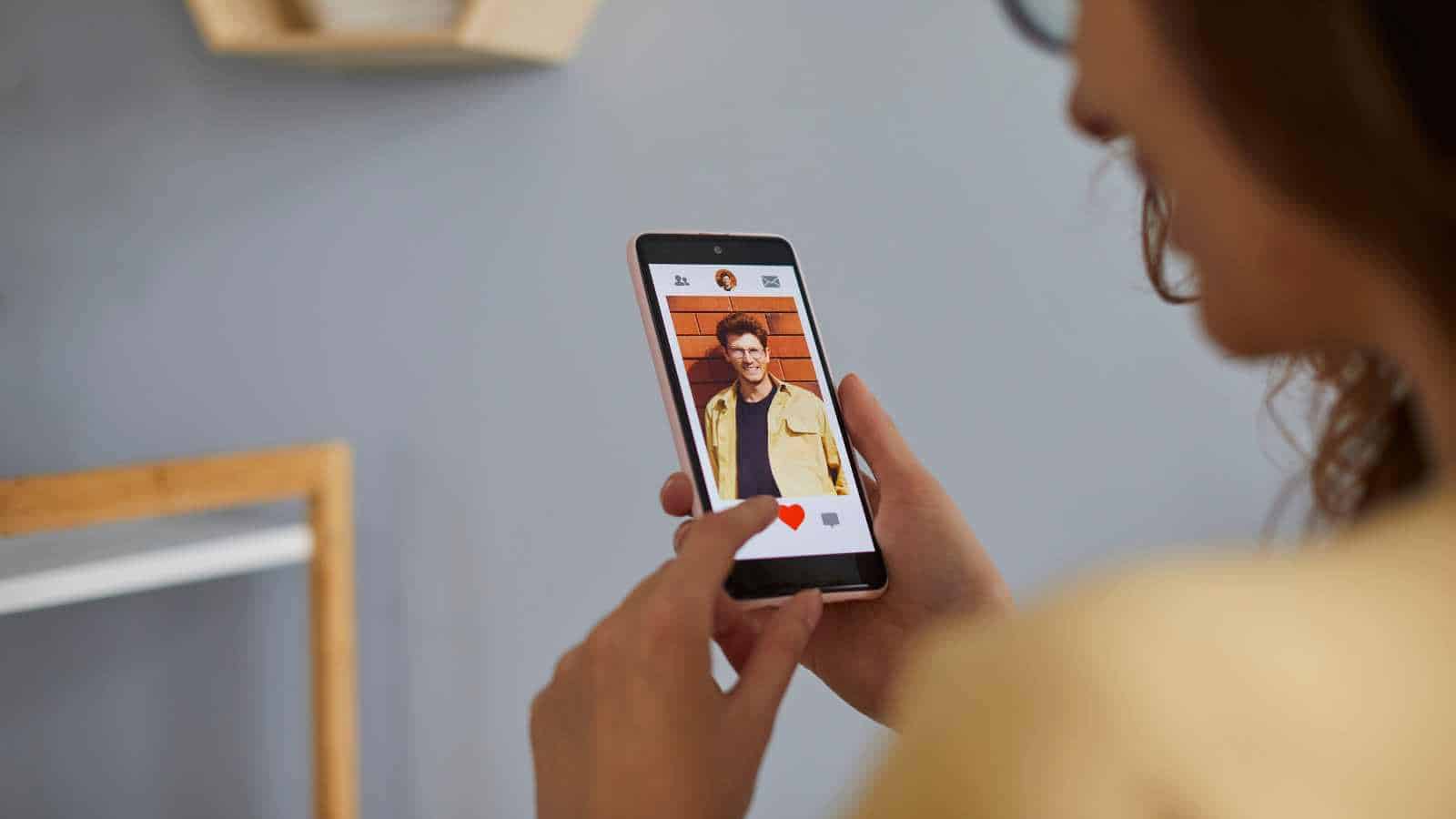
Trust is delicate at the start. Two people are still learning tone, timing, humor, values, and basic honesty. A payment request before the first date throws suspicion into the room before chemistry gets a chance to breathe.
UK Finance advises people to never send money to someone they have only met online, and Dr. Hannah Shimko, Communications and Policy Director at the Online Dating Association, said online daters should “think about the person behind the profile” and not send money to someone they have only met online. That is not cynical advice. It is practical protection.
Real dating can handle a cheap first date, a split bill, a coffee-only meetup, or a walk in a public place. It does not need a financial transfer to prove sincerity. Once money is requested early, every sweet message afterward casts a shadow. Is this affection, or setup? Is this interest, or pressure? That doubt is hard to unhear.
6% of Requests Reach £1,000 or More

A request for £20 can still be a red flag, but larger requests show how predatory the pattern can become. UK Finance found that 6% of people asked for money by someone they met online were asked for more than £1,000. Which? reported that Action Fraud data showed romance fraud losses reached £99.4 million in 2024, with 9,096 reported cases.
TSB also found that people over 55 accounted for 58% of its romance fraud cases, and those aged 65 to 74 accounted for 23%. Those details matter because scammers often look for people with savings, loneliness, grief, or hope. A large money request before a meeting is not just awkward.
It can be a financial danger sign, especially when wrapped in urgency. The safest response is not to negotiate the amount down. The safest response is to question why someone who has not met you is asking at all. Love should not begin by testing how much you can lose.
She Might Have Serious Financial Problems

There is one more possibility: the person may be real, but financially unstable. Debt, job loss, overdue bills, family pressure, or emergency costs can drive people to desperation. Compassion is good. Becoming a stranger’s emergency fund is risky.
The YNAB study on finances and relationships found that daters view heavy debt, being behind on loan or credit card payments, and owing money to the IRS as major red flags. The eharmony and YNAB research also notes that money conversations matter in relationships, and that is true. But money conversations and money demands are not the same.
A healthy person can say, “I’m on a tight budget, can we do something free?” A risky person says, “Send me money before I see you.” The first invites teamwork. The second creates pressure. You can wish someone well, suggest lower-cost plans, and still refuse to send cash. Kindness does not require access to your bank account.
A Short Reflective Close

A first date can be simple. Coffee. A walk. A sandwich. A public place. A laugh that lands right. It does not need luxury to be meaningful. What it does need is safety, honesty, and a basic sense that both people are there for each other, not for a transaction.
So if someone asks for payment before the first date, pause. That request may come from a scammer, a manipulator, or a real person with real financial chaos. Any of those cases deserves caution. Romance should make room for generosity, but generosity needs trust first. A stranger’s invoice is not a love language.
Key Takeaways
A request for money before meeting in person is one of the clearest red flags in online dating. UK Finance found that 38% of online daters were asked for money before meeting, and 57% of those asked sent or lent it. The FTC’s advice is blunt for a reason: if an online love interest asks you for money, treat it as a scam warning.
The first payment is dangerous because it can start a pattern. TSB found that victims sent an average of 11 payments and lost £7,500 on average before discovering the scam. Which? reported £99.4 million in romance fraud losses in 2024, based on Action Fraud data.
This is not a gender attack. Most women do not ask strangers for money before a first date, and romance scams can involve anyone. The red flag is the request itself: money before proof, pressure before trust, and urgency before safety.
Disclaimer – This list is solely the author’s opinion based on research and publicly available information. It is not intended to be professional advice.
Like our content? Be sure to follow us