12 reasons the “connected” generation would crumble in the unplugged 1980s
Take away the smartphone for one weekend, and half the room starts acting as if the power grid has collapsed. Now imagine dropping the “connected” generation into the unplugged 1980s, where the internet did not rescue plans, GPS did not whisper directions, and a missed call simply meant life moved on without you. Pew Research Center reported in 2025 that 98 percent of U.S. adults own a cellphone and 91 percent own a smartphone, so yes, we have built a very cozy digital nest.
The 1980s demanded patience, memory, face-to-face confidence, and the strange old skill of figuring things out without asking a glowing rectangle. Census-linked data shows only about 8.2 percent of U.S. households had a computer in 1984, so “just look it up” sounded less like advice and more like science fiction. Sherry Turkle famously framed the modern problem as expecting more from technology and less from each other, and honestly, the 1980s would test that theory before breakfast.
They would panic without instant answers

The connected generation lives with an answer machine in its pocket, and that changes the brain’s expectations. Pew found that 90 percent of U.S. adults go online daily, including 41 percent who say they stay online almost constantly, so waiting for information now feels weirdly personal.
In the 1980s, you checked an encyclopedia, asked a librarian, called someone older, or accepted a mystery like a normal citizen. Imagine not knowing an actor’s name during a movie and simply carrying that emotional burden until morning.
I grew up around people who could argue for two hours over a song lyric without anyone producing proof, and somehow society survived. Today, someone reaches for Google before the question fully lands.
That habit sounds efficient, but it weakens the patience needed for offline problem-solving. In an unplugged 1980s world, curiosity needed legs, not Wi Fi.
Paper maps would expose everyone
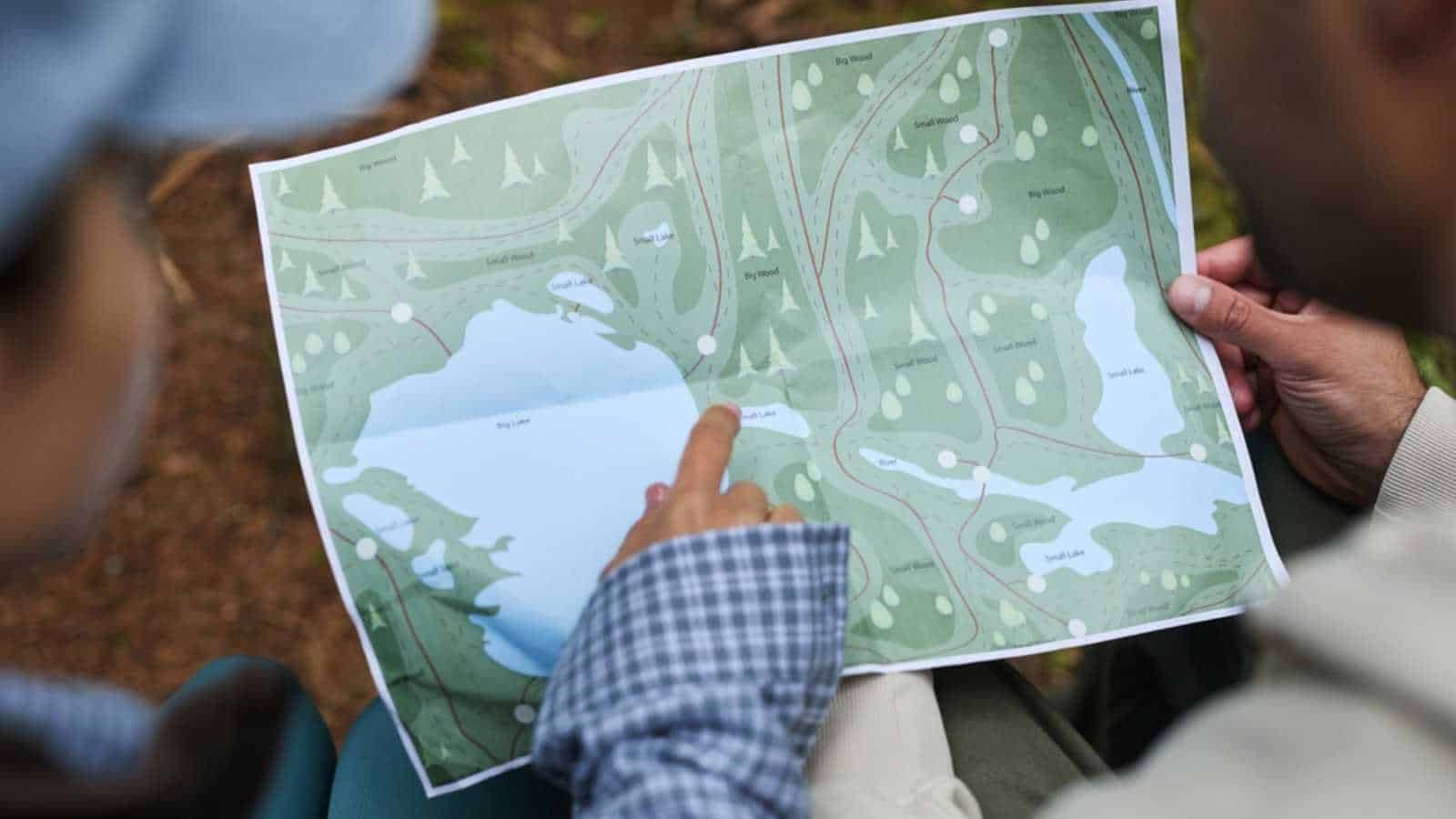
GPS turned many of us into passengers in our own lives. The connected generation trusts blue dots, rerouting alerts, traffic overlays, and calm robot voices that politely say “turn right” even after we make the same wrong turn twice.
In the 1980s, drivers relied on folded road maps, gas-station directions, highway signs, and family members shouting “I think we passed it” from the passenger seat. That setup built spatial awareness, but it also built character through mild domestic conflict.
This would hit younger Americans especially hard because navigation apps quietly removed the need to memorize routes. You did not “share location” in the 1980s, because your location belonged to you, the road, and maybe a pay phone near a diner.
Ever tried refolding a giant paper map in a moving car? That thing fought back like it had legal representation.
Social plans would collapse after one missed call

The connected generation treats plans as flexible drafts. People text “running late,” send a pin, change the restaurant, cancel with a sad emoji, and somehow call that communication.
The 1980s punished sloppy planning immediately. You picked a place, chose a time, showed up, and trusted the other person to act like a functioning adult.
U.S. Census data show that 7 percent of households lacked a phone in 1980, reminding us that even landline access did not reach everyone. If someone left the house, you could not chase them through apps like a digital bloodhound. You waited, wandered, or went home annoyed. The horror, right?
Waiting would feel like a personal attack

Modern life trains people to fill every tiny pause with a screen. Standing in line, riding the bus, waiting for food, sitting alone at a park bench, people reach for entertainment before boredom can say hello. Common Sense Media reports that teens ages 13 to 18 average about 8 hours and 39 minutes of screen media per day in its major teen media census, which explains why silence now feels suspicious.
The 1980s offered magazines, newspapers, Walkmans, conversation, or the ancient practice of staring into space. Boredom did not mean failure; it meant your brain had room to stretch.
I actually think this would shock people more than the lack of apps. A generation trained on the endless scroll would encounter a waiting room and immediately experience existential dread.
Dating would require actual nerve
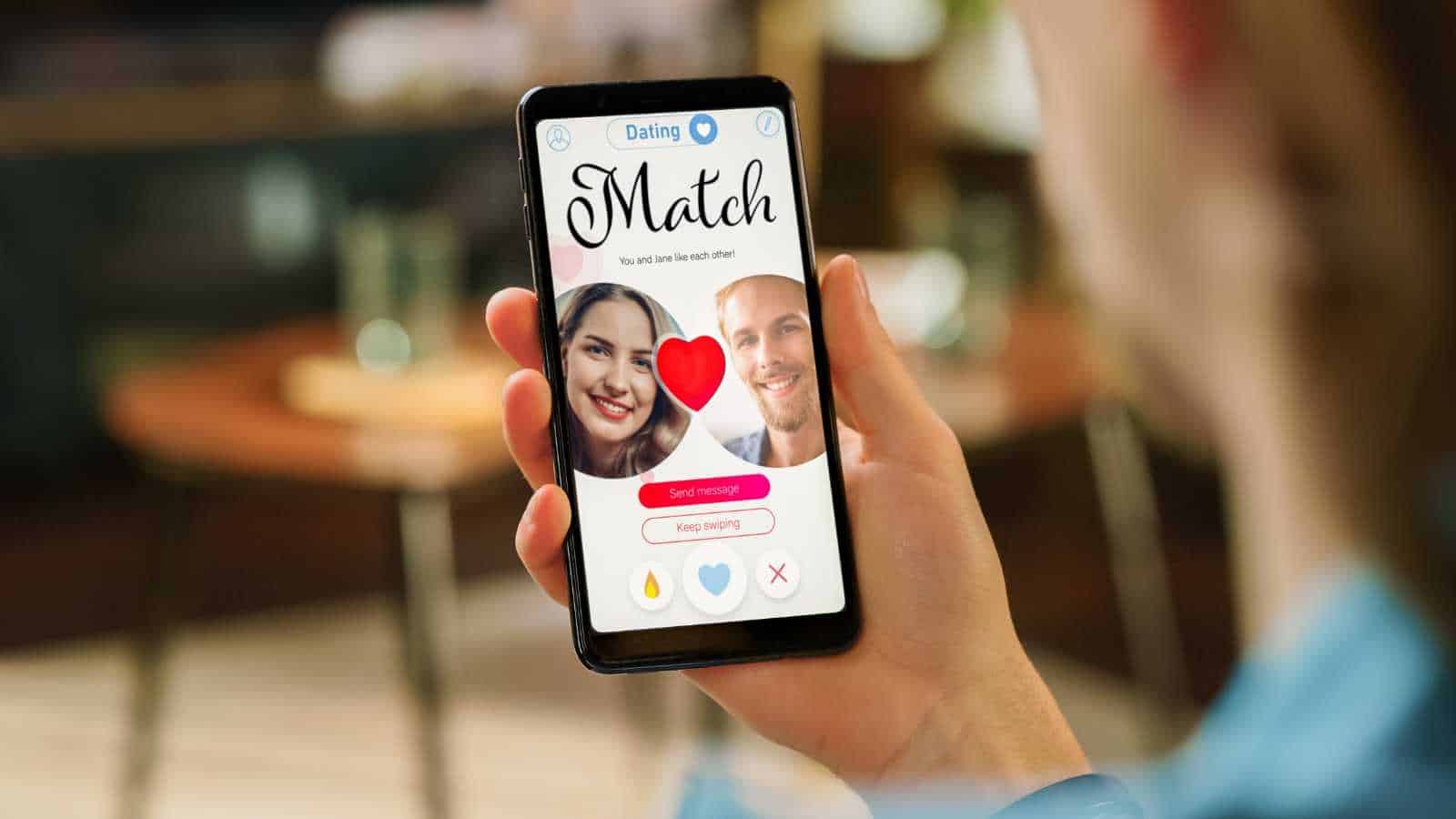
Dating apps let people browse, filter, message, ghost, and restart without much public embarrassment. In the 1980s, you met people through friends, school, work, parties, churches, bars, malls, or pure reckless confidence.
You had to call someone’s house, maybe speak to their parent first, and then ask for a date using your real voice. That alone could defeat half the population before dinner.
The trend today leans heavily digital, and Pew has tracked online dating as a mainstream part of American romantic life for years. In the unplugged 1980s, charm had fewer hiding places.
No perfectly edited profile, no ten-minute delay to craft the ideal reply, no “accidental” like on a story. Just you, your nerves, and a landline cord long enough to pace around the kitchen.
Money management would feel brutally manual

The connected generation taps, scans, auto pays, transfers, and checks balances in seconds. Federal Reserve payment research shows that U.S. consumers made an average of 11 mobile payments per month in 2024, up from 4 in 2018. That convenience feels normal now, but the 1980s ran on cash, checks, bank visits, paper statements, and the emotional suspense of balancing a checkbook.
Imagine buying concert tickets without an app, splitting dinner without Venmo, or discovering your account balance only after calling the bank or reading a mailed statement. Fun? No. Useful? Absolutely. The 1980s forced people to track money with attention instead of notifications. Miss one detail, and your checkbook roasts you privately.
Music would lose its magic button

Streaming turned music into an endless buffet. You want one obscure remix at midnight, and there it is, ready to soundtrack your dramatic snack run.
In the 1980s, music required radio patience, record-store hunting, mixtape timing, cassette flipping, and sometimes sitting by a boombox, waiting for a song to come on without the DJ talking over the intro. That struggle made every track feel earned.
DataReportal counted 254 million active social media user identities in the United States by October 2025, showing how deeply digital discovery now shapes culture, entertainment, and taste.
Back then, you found music through friends, radio stations, magazines, MTV, and local scenes. No algorithm handed you a vibe. You built your own taste, one slightly warped cassette at a time.
Schoolwork would demand real research stamina

Students today can search sources, use digital libraries, type essays, cite quickly, and submit assignments online. The 1980s asked for library cards, index cards, handwritten notes, typewriters, photocopies, and serious time management.
You could not open twenty tabs and pretend that counted as research. You had to find the book, read it, and return it before someone else needed it.
The U.S. Census Bureau says it started collecting computer-use data in 1984, which shows how new household computing still felt in that decade. A student without strong planning skills would suffer quickly.
Research took longer, revisions took effort, and one typo on a typed page could ruin your whole mood. Honestly, autocorrect deserves more thank-you notes.
News would arrive slowly and hit differently

The connected generation gets breaking news, rumors, outrage, corrections, and conspiracy theories in the same five-minute scroll. AP reported in 2026 that 57 percent of teens get daily news from social media, compared with 36 percent of adults.
In the 1980s, people relied on newspapers, radio, evening TV news, magazines, and word of mouth. News moved more slowly, and that slower pace gave people more room to think before reacting.
This does not mean the 1980s gave everyone perfect information. Please, people still believed wild stuff at cookouts. But the absence of instant viral outrage changed the emotional temperature.
You could not refresh a tragedy every thirty seconds. The connected generation would struggle with a slower, less interactive news cycle because today’s media habits reward speed over reflection.
Friendship would need more effort

Friendship now survives through memes, reels, voice notes, streaks, group chats, and quick “thinking of you” texts. The 1980s demanded phone calls, visits, letters, shared routines, and actual presence.
Sherry Turkle’s work warns that easy connection can confuse people about real intimacy, and the unplugged 1980s would expose that difference quickly. You could not maintain closeness by reacting with a flame emoji.
That older friendship model required effort, but it also created deeper memories. You knew people’s numbers, schedules, families, neighborhoods, and habits.
If you cared, you showed up. If you disappeared, people would notice without needing a read receipt. Kind of terrifying, kind of beautiful.
Emergencies would require cooler heads

Today, people reach for phones during every crisis, from flat tires to lost wallets to bad weather. That instinct makes sense because smartphones connect us to maps, money, contacts, emergency alerts, roadside help, and 911.
Pew reports that nearly all U.S. adults now own some kind of cellphone, so most people carry a help button everywhere. The 1980s gave you fewer shortcuts.
A car breakdown meant walking to a pay phone, flagging someone down, or hoping a nearby business would let you call. A missed pickup meant waiting, improvising, or finding another adult.
The connected generation would not fail because it lacks intelligence; it would fail because modern convenience removed practice. Crisis muscles weaken when apps handle every small inconvenience.
Privacy would feel strange in a good way

The connected generation documents everything. Meals, outfits, vacations, workouts, arguments, glow-ups, soft launches, hard launches, and the occasional parking lot meltdown all find a digital stage.
Pew’s teen research found that nearly half of U.S. teens report being online almost constantly, with YouTube and TikTok at the center of teens’ digital lives. The 1980s gave people fewer audiences and far fewer receipts.
That privacy would confuse many people at first. If nobody sees your new outfit, did the outfit even happen? Jokes aside, the 1980s allowed more unrecorded mistakes, awkward phases, and private growth. The connected generation would miss validation, but it might also discover relief.
They would struggle to fix things without tutorials
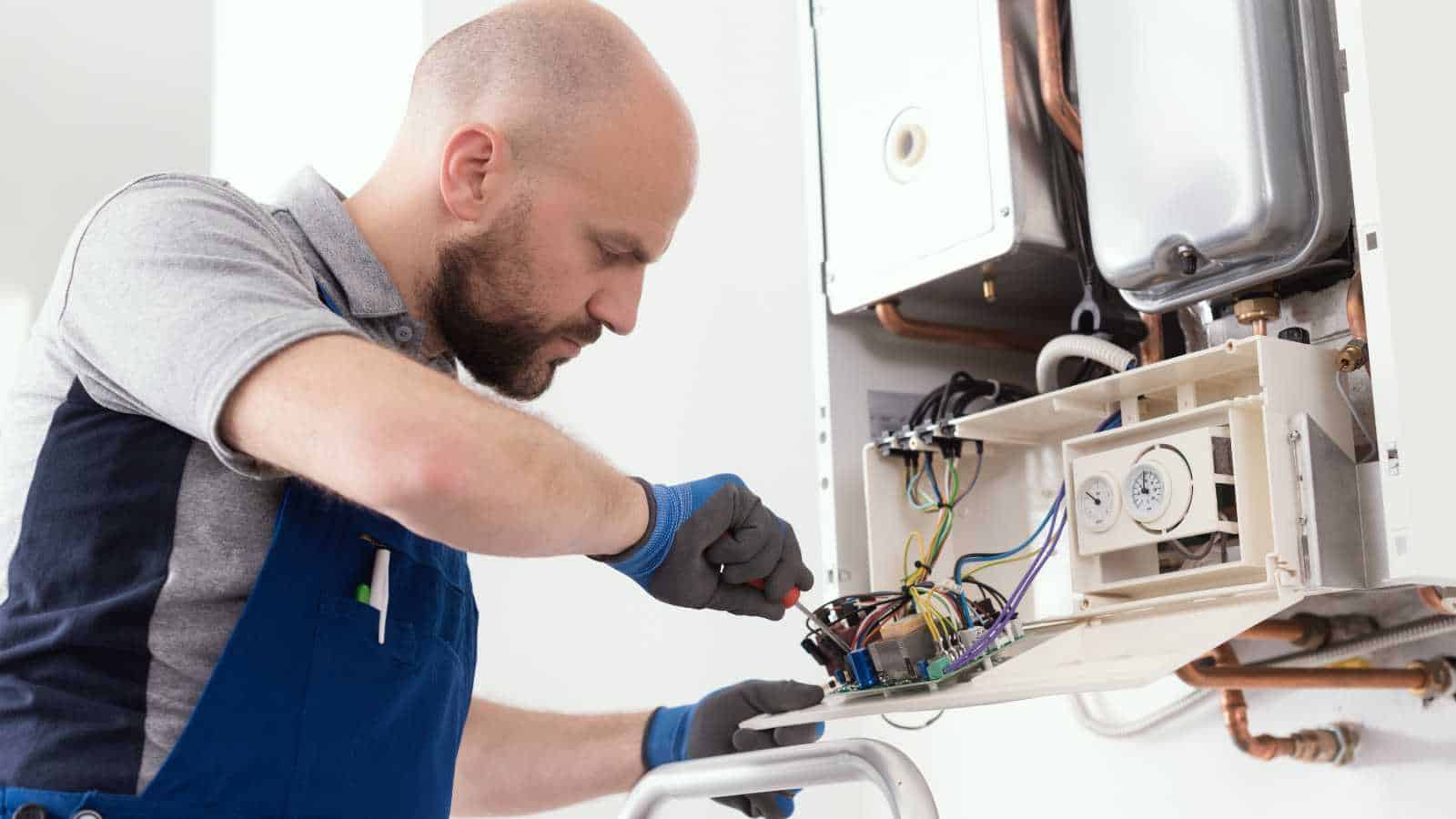
YouTube, Reddit, forums, TikTok, and AI tools turned basic troubleshooting into a searchable skill. A leaky sink, a frozen computer, a weird recipe, car noise, or a sewing problem now sends people straight to a tutorial.
In the 1980s, you asked a neighbor, read a manual, called a relative, visited a repair shop, or experimented until something worked. That process created practical confidence, and yes, sometimes a small fire.
Nicholas Carr’s famous Atlantic essay questioned what the internet habits do to attention and deep thinking, and that concern fits here because instant help can weaken persistence. The connected generation knows how to find answers fast, but the unplugged 1980s rewarded people who could stay with a problem. No search bar. No comments section. Just a screwdriver, a bad diagram, and hope.
Key takeaway

The connected generation would not crumble in the unplugged 1980s because people today lack brains. They would crumble because modern life outsourced memory, patience, navigation, planning, boredom, research, repairs, and even courage to devices. The 1980s demanded slower skills, and those skills made people more self-reliant in ways a smartphone cannot fake.
Still, the point is not that the 1980s beat the present in every way. Nobody needs to romanticize busy signals, paper maps, or typing an entire page again because of one ugly typo. But a weekend without instant answers might teach us something useful. Maybe we do not need to move back to the 1980s, but we could borrow a little of its patience before our phones turn us all into anxious houseplants.
Disclaimer: This list is solely the author’s opinion based on research and publicly available information. It is not intended to be professional advice.
Like our content? Be sure to follow us.