What does $1 trillion buy? Elon Musk’s next-level fortune explained
A billion dollars makes someone rich. A trillion dollars starts to look like private weather. It can move markets, shape industries, bend public attention, and sit behind systems most people use but never get to vote on.
That is why Elon Musk’s trillion-dollar moment is not just another rich-list spectacle. It is a glimpse at what happens when one person’s fortune stretches across rockets, satellites, electric cars, artificial intelligence, social media, factories, data centers, and the kind of power usually reserved for nations.
SpaceX priced its June 2026 IPO at $135 a share, raising $75 billion and valuing the company at $1.77 trillion. Forbes declared Musk the world’s first trillionaire after the SpaceX debut, estimating his fortune at $1.1 trillion.
Days later, Forbes reported that he tracked him as high as $1.3 trillion during the SpaceX rally. Then the number slipped. The Guardian reported that Forbes listed him at $970.2 billion on June 24 after Tesla and SpaceX shares dropped.
That rise and fall is the story. Musk’s fortune is not a mountain of cash waiting in a vault. It is a lever made of stock, and when that lever moves, it shows how much of the future can be tied to one man’s market value.
The Trillionaire Moment Came Fast
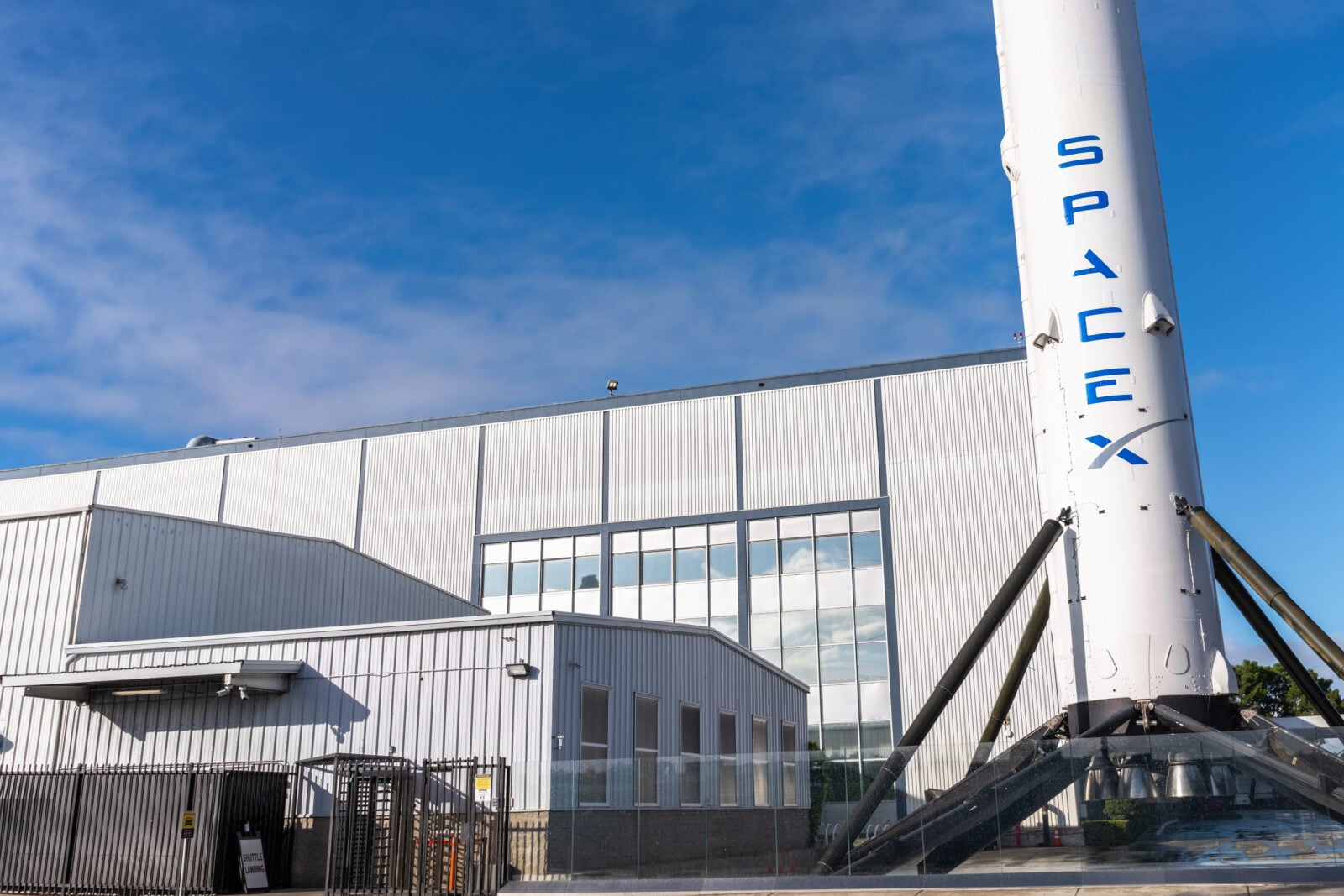
Musk’s wealth has always been volatile, but SpaceX changed the scale. Reuters reported that SpaceX’s IPO was the largest ever, with 555.56 million shares sold. The stock opened above the offering price and briefly pushed SpaceX’s market value past $2 trillion in early trading.
Forbes said the IPO added about $188 billion to Musk’s fortune at the price, then pushed him over the trillion-dollar mark once SpaceX began trading. That kind of increase is hard to translate into ordinary life.
It is more than many countries produce in a year. It is worth more than most corporate empires. It is a single person’s paper wealth rising by more in a day than generations of families could earn in a lifetime.
Matt Durot, deputy editor at Forbes Wealth, said, “The second richest person has been hovering around $300 billion. And only one other person, Oracle founder Larry Ellison, has ever been worth $400 billion.” Musk was not just first. He was alone.
What $1 Trillion Can Buy?

A trillion dollars sounds fake until you compare it with things people know. A CNN Business thought experiment published by WRAL found that $1 trillion could equal a $2,923 bonus for every person in the United States. It could buy the Ivy League’s combined endowments about five times over. It could buy the top three American oil companies: ExxonMobil, Chevron, and ConocoPhillips.
Other comparisons are just as dizzying. CNN’s math found that $1 trillion could build hundreds of $3 billion skyscrapers or buy every house in Hawaii, based on the estimates cited in its analysis. Forbes also ran its own scale exercise in 2026, comparing $1 trillion with medical debt, housing, public programs, and corporate values.
These are not literal shopping lists. Musk cannot simply tap a card and buy America a bonus check. But the comparisons reveal the scale. A trillion dollars is not “rich person money.” It is infrastructure money. It is industry money. It is the kind of capital that makes democratic countries ask who gets to decide what the future looks like.
The Wealth Is Not Cash, but It Still Counts

The standard defense is true: Musk does not have $1 trillion sitting in a bank. Most of his fortune is tied to equity in SpaceX, Tesla, and other companies. If he sold huge stakes, the market could react, his tax bill could explode, and his control could shrink.
But that does not make the wealth imaginary. Stock wealth gives billionaires power even when they do not sell. It can support borrowing. It can influence boards. It can steer the company’s strategy. It can move markets, attract talent, pressure rivals, and shape public debate.
That matters because Musk’s companies are not small side projects. Tesla is tied to electric vehicles, batteries, autonomous driving, and robotics. SpaceX is tied to rockets, satellites, defense contracts, and global internet access through Starlink.
X shapes public conversation. xAI sits at the center of the race to build powerful artificial intelligence systems. Musk’s net worth is not only a score. It is attached to strategic assets.
The Pay Package Raises a Governance Question
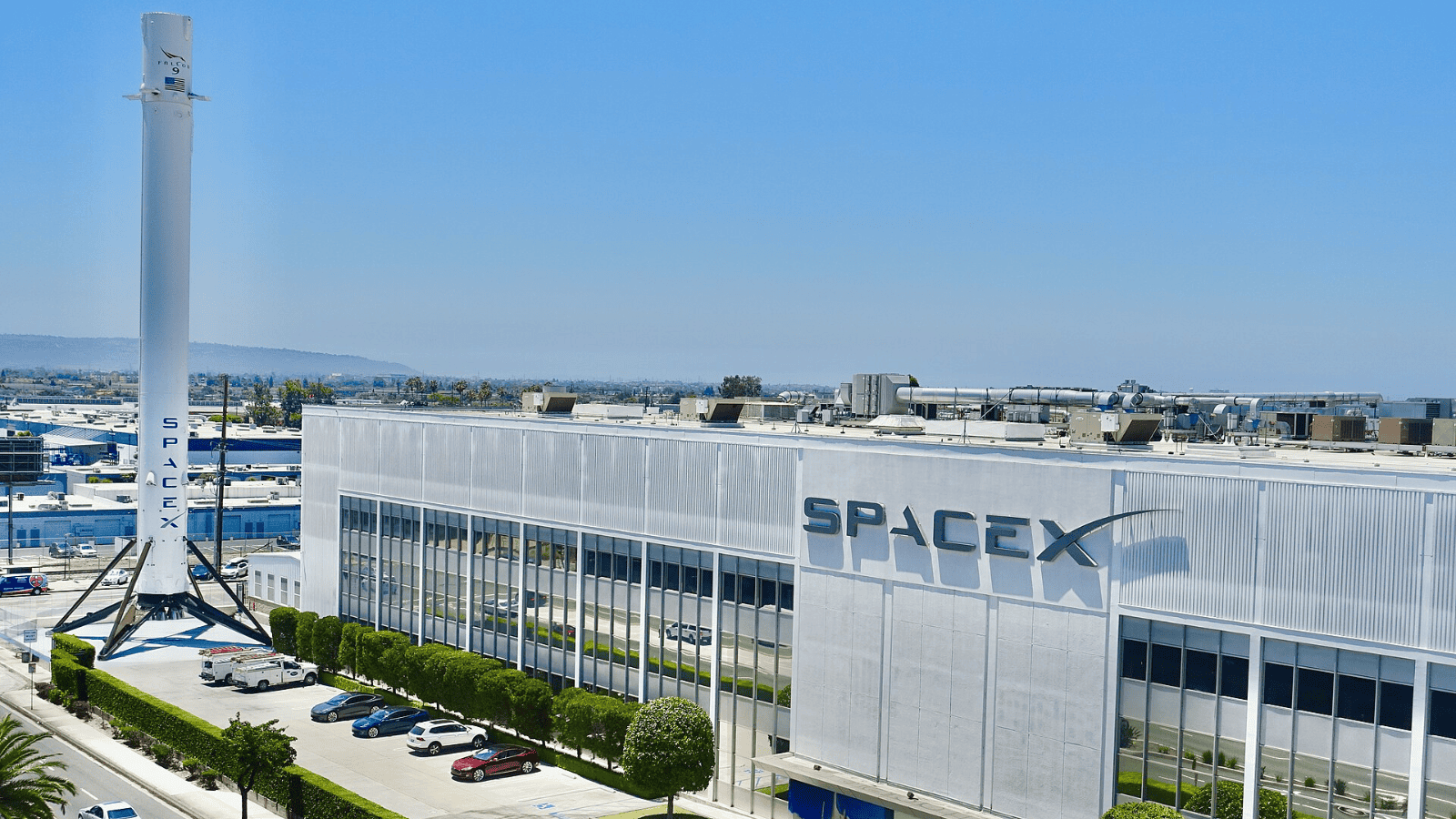
The SpaceX surge did not happen in a vacuum. Reuters reported in November 2025 that Tesla shareholders approved Musk’s historic pay plan with more than 75% of the vote. The plan could grant him up to $1 trillion in stock over 10 years, though Reuters analysis said required payments could reduce the value to $878 billion.
Supporters call that extreme alignment. If shareholders gain trillions, Musk gains too. Reuters quoted Shaun Maguire, a partner at Sequoia Capital, saying, “Elon deserves an extreme premium because of his track record and his vision for calling technology trends early.”
Critics see another issue. How much incentive does one executive need before a reward becomes a transfer of social power? Tesla’s own materials tied the award to extraordinary milestones, including massive growth in market value and progress in AI, robotaxis, and robotics.
That makes the package more than compensation. It is a bet that one person should be given even more control if markets keep saying yes.
The Philanthropy Gap Gets Harder to Ignore

At the trillion-dollar scale, giving becomes impossible to discuss in normal terms. Forbes reported in April 2026 that Musk had transferred about $8.5 billion in Tesla stock to charitable foundations but still ranked among the least philanthropic billionaires by percentage of fortune given away. Forbes noted that only a fraction had been distributed directly to charitable causes.
That distinction matters. Money placed in a foundation is not the same as money spent. At Musk’s scale, even 1% of $1 trillion equals $10 billion. Five percent equals $50 billion. Those amounts could reshape parts of global health, housing, science, education, or climate work.
Musk’s defenders argue that his companies are his public-good projects: clean energy, space exploration, internet access, AI, and long-term human survival. His critics answer that private missions are not subject to public accountability. A rocket company may serve humanity, but it still answers first to ownership, contracts, markets, and control.
The Inequality Story Is Bigger Than Musk
Musk is the most dramatic example, but he is not the whole story. America’s 989 billionaires held a combined $9.2 trillion in wealth in June 2026, up nearly 32% from 2025, while many workers continued to struggle with wages, housing, and debt. The same report noted that 45% of U.S. workers earn less than $25 an hour.
That contrast is why Musk’s fortune hits a nerve. It arrives in an economy where millions of families worry about rent, groceries, medical bills, credit card debt, and retirement. One person’s net worth can rise or fall by hundreds of billions because investors change their minds about a stock. Many workers can do everything right and still lose ground to prices.
This is not only envy. It is a question about structure. Who owns the assets that grow fastest? Who gets the gains when markets surge? Who carries the risk when the economy gets more expensive? Musk’s trillion-dollar moment makes those questions harder to soften.
A Fortune Becomes a Map of Power

The old rich built railroads, oil empires, steel mills, and banks. Musk’s fortune spans space, cars, satellites, AI, social media, robotics, and energy. That makes it feel less like a portfolio and more like a private operating system for parts of the future.
There is a fair argument that Musk built or scaled companies that changed entire industries. SpaceX lowered launch costs and became central to U.S. space capacity. Tesla forced legacy automakers to take electric vehicles seriously. Starlink has brought internet access to places where cables do not reach.
There is also a fair warning. When one person’s companies become woven into communications, transport, defense, and AI, wealth stops being only personal. It becomes public in its effects, even when it remains private in ownership.
What Readers Can Take Away

Musk may move above and below the trillion-dollar line many times. SpaceX shares will swing. Tesla will swing. Forbes and Bloomberg will recalculate. The exact number will change. The deeper story will not.
A trillion dollars is not just a fortune. It is a measure of how far asset wealth can outrun wages, public budgets, and ordinary financial life. It shows how markets can turn one person’s stakes in a company into a nation-sized influence. It also shows why the richest list is starting to read less like celebrity trivia and more like a power map.
A trillion dollars is not a pile of money. It is a lever. The real question is not only what it can buy, but who gets moved when one person can pull it.
Disclaimer – This list is solely the author’s opinion based on research and publicly available information. It is not intended to be professional advice.
Like our content? Be sure to follow us