As heatwaves intensify, Europe’s different relationship with air conditioning draws American attention.
The air-conditioning debate started as a joke and then ran straight into a record-breaking European heatwave.
The phrase was already built for the internet: the American mind cannot comprehend this. It has been used for European trains, tiny cars, walkable streets, old apartment blocks, and the general mystery of living without massive highways or a cup holder in every corner of daily life.
This time, the thing Americans supposedly cannot comprehend is Europe’s resistance to air conditioning. That would be funny if Europe were only having a warm summer. It is not.
Across the continent, the June 2026 heatwave has pushed cities, hospitals, rail lines, power grids, and ordinary homes into the same argument at once. More than 191 million people in Europe faced temperatures of at least 35°C on Sunday as the heat spread into Germany, Czechia, Poland, Hungary, and nearby countries.
At that point, the AC debate stops being about cultural preference. It becomes a question of what kind of homes can still protect people when the old climate is gone.
Europe’s Old Summer Logic Is Breaking

For decades, much of Europe treated air conditioning as something between an American habit and an unnecessary luxury.
Summers were warm, sometimes miserable, but usually manageable. People used shutters, fans, thick walls, open windows at night, shaded streets, and a little civic stubbornness to get through the worst days.
The logic was simple enough. Short summers. Long electricity bills. A few bad nights, then September.
That arrangement made sense when heatwaves were brief enough to endure. It makes much less sense when the thermometer climbs past 40°C, the night refuses to cool, and the body never gets a proper break.
Germany has now recorded a preliminary all-time high of 41.5°C in Möckern-Drewitz. In eastern Saxony, one overnight low did not fall below 29.4°C. That second number matters as much as the first. Hot days are dangerous. Hot nights are what turn private apartments into traps, especially for older people and anyone living alone.
The old European summer was something you waited out. The new one keeps asking whether waiting is still a plan.
The AC Gap Is Real

The cultural divide looks exaggerated online, but the numbers are not.
Only around 20% of European households have air conditioning. In the United States and Japan, the figure is closer to 90%.
That gap explains why Americans often react with disbelief. In many parts of the U.S., AC is not treated as a luxury. It is part of the building, like wiring or plumbing. People move from cooled bedrooms to cooled cars to cooled offices to cooled grocery stores. The whole rhythm of daily life assumes mechanical relief.
Europe built a different rhythm.
Dense neighborhoods. Older homes. Shorter distances. Public transit. Smaller flats. Cafes, shops, offices, and public buildings that may offer relief even when private homes do not. In many places, shade and airflow were part of the design long before split units and heat pumps entered the conversation.
For a long time, that difference looked like character. Now it looks like exposure.
The Current Heatwave Has Made the Debate Harder to Ignore

France has begun counting the human cost.
Public Health France recorded about 1,000 additional deaths between June 24 and June 27 compared with recent months. The figures are still provisional and expected to rise as more data comes in. About 85% of those deaths involved people aged 65 and older, and the sharpest increase was seen in areas under red warnings for extreme heat.
The detail that should stop the argument cold is where many of the deaths appear to have happened.
At home.
That is where the AC debate becomes less cute. It is one thing to talk about European stoicism when people are sitting at outdoor cafes with linen shirts and hand fans. It is another thing when isolated residents are dying inside flats that were never built for this century’s summers.
Spain also reported preliminary figures showing at least 327 deaths that could be linked to the heat in a single week. Berlin reported about 500 additional ambulance dispatches on Saturday, most of them heat-related. French ambulance services responded to more than 122,000 call-outs during the hottest period.
This is no longer a lifestyle argument. It is a stress test.
Old Buildings Are Part of the Story

Europe’s homes were not all designed for this kind of heat.
The European Commission says 85% of buildings in the EU were built before 2000, and 75% have poor energy performance. That does not mean every old building is bad in summer. Some thick stone buildings stay cooler than modern glass boxes. Some traditional shutters and courtyards still work beautifully.
But the larger point stands.
A continent with an older building stock cannot simply snap its fingers and install cooling everywhere. Retrofitting can involve wiring upgrades, landlord approval, exterior-unit rules, preservation limits, building permits, and money that many renters do not have.
That is why the American instruction to “just get AC” can sound naive from the European side.
Still, the reverse argument is starting to look just as thin. “We have always managed without it” only works until the weather changes enough that managing becomes surviving.
Heat Is Also Hitting the Grid
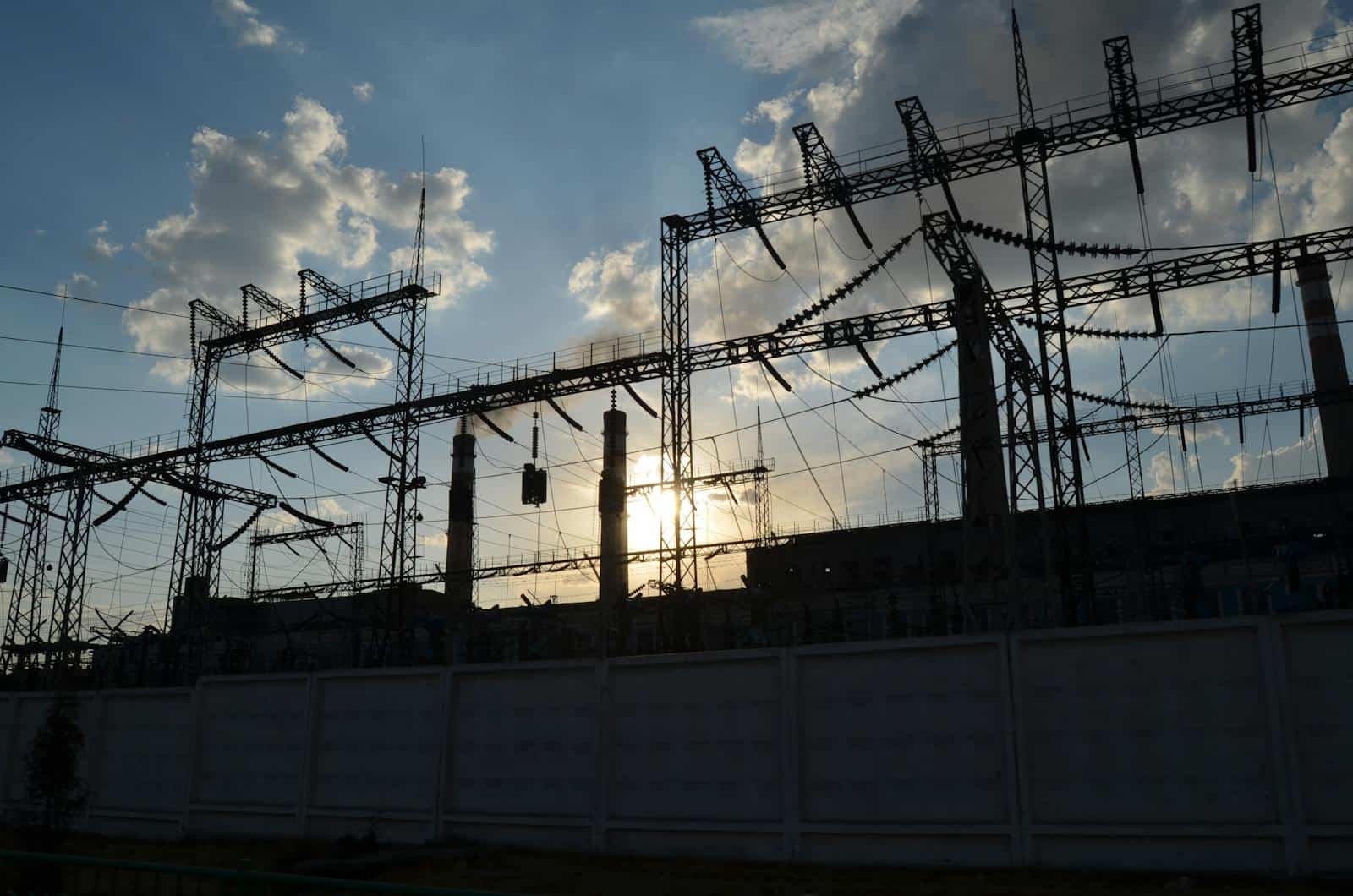
The climate argument against mass air-conditioning is not fake.
Cooling takes electricity. It can push demand higher at the exact moment power systems are already under stress. During the current heatwave, France’s nuclear output was curbed because some reactors depend on river water for cooling, and environmental rules limit operations when water temperatures get too high.
That is the strange loop Europe is now facing.
People need cooling because the heat is becoming dangerous. But the heat can also weaken the systems that produce electricity. More cooling demand arrives at the same time that power plants, grids, rail tracks, roads, and hospitals are under pressure.
Reuters reported that French nuclear output fell by 4.1 gigawatts during the heatwave, equal to about 7% of total power demand. France’s electricity exports also dropped sharply from the previous week.
So yes, Europe is right to worry about energy use.
But no, that does not make dangerous indoor heat acceptable.
The challenge is not whether Europe should copy America’s cooling habits. The challenge is how to build cooling that does not make the next heatwave worse.
Climate Change Has Changed the Meaning of “Normal”

The current heatwave is not just a bad weather week.
World Weather Attribution researchers found that the June 2026 heatwave was the most severe ever recorded over the region studied. They also found that temperatures like this would have been virtually impossible in June 1976, when some earlier European records were set.
That is the part of the story that makes nostalgia dangerous. Europe is not simply failing to cope with the kind of summer it used to have. It is being asked to live in a different atmosphere.
In large parts of Western Europe, June is warming faster than any other month. The hottest daily temperatures are warming at about three times the rate of global warming, and nighttime temperatures at about twice the rate. During this heatwave, around 45% of European cities studied were breaking indoor heat-stress thresholds.
The old answer was endurance. The new question is adaptation.
The Real Divide Is Comfort Versus Survival

The online fight makes it sound like Americans love comfort and Europeans love suffering.
That is too easy.
Americans can be wasteful about cooling. Europeans can be unrealistic about heat. Both things can be true at the same time.
Air conditioning should not become an excuse to ignore insulation, shade, trees, reflective roofs, better windows, cooler streets, and cleaner electricity. But climate awareness cannot mean asking vulnerable people to sit in dangerous indoor heat because cooling feels culturally embarrassing.
Heating is treated as a basic need in winter. Cooling is becoming a basic need in summer.
Not everywhere. Not every day. Not always through the same machine. But the moral shape of the issue is becoming harder to deny. A home that cannot stay livable during a heatwave is not really doing its job.
Europe Does Not Need to Become America

The answer is not to turn every European city into Phoenix with prettier balconies.
Europe does not need to copy America’s dependence on constant mechanical cooling. It also cannot cling to a past where open windows and patience were enough.
The better future is probably messier and smarter than either caricature.
More efficient heat pumps and split units where they are needed. More cooling in care homes, hospitals, schools, and public shelters. Better renovation rules for renters. Shaded streets. More trees. External shutters. Cool roofs. Stronger grids. More solar and storage. Building standards that treat summer heat as seriously as winter cold.
The future will not be one machine in every window. It will be a whole system built around keeping people alive.
The Atmosphere Does Not Care About the Meme

The American mind can comprehend air conditioning because America made indoor climate control ordinary.
The European mind can comprehend living with less because Europe designed many places around restraint, density, older buildings, and lower energy use.
The problem is that both minds are now meeting the same atmosphere. And the atmosphere does not care who has the better meme.
It does not care whether cooling feels American, wasteful, soft, ugly, expensive, or culturally embarrassing. It only asks one question, summer after summer: when the next heatwave comes, can people sleep, breathe, work, recover, and survive inside their own homes?
That is the rare thing about this debate. It starts with a joke about cultural differences. It ends with a harder truth about climate adaptation. The future will not belong to the side that wins the argument online. It will belong to the places that figure out how to keep people cool without making the planet hotter.
Like our content? Be sure to follow us