Big tech’s $8 trillion AI bet is driving up prices for everyone
The shiny new AI chatbot on everyone’s screen is quietly making real-world gadgets a lot more expensive.
Tech giants are pouring unimaginable amounts of cash into the physical building blocks of artificial intelligence. It isn’t just a software story anymore; it’s a full-blown industrial land grab. This wild spending spree is driving up the cost of memory chips, electricity, and construction labor, leaving everyday buyers to foot the bill.
The sheer scale of this economic shift is hard to fully comprehend. Columbia University economist Stijn Van Nieuwerburgh estimates that cumulative spending on the AI build-out could hit a staggering $8 trillion through 2032. That massive sum is almost five times the market value of all property in New York City combined.
The shockingly physical side of code

People usually talk about AI as if it exists entirely in some magical digital cloud. But the reality is shockingly physical, requiring massive warehouses packed with hot, power-hungry hardware. Building these setups requires millions of advanced processors, extensive fiber-optic networks, and custom liquid-cooling systems.
To get these systems online, five tech giants are leading a massive investment rush. Combined capital expenditures for Alphabet, Amazon, Meta, Microsoft, and Oracle are expected to reach a record $741 billion this year. That represents a 75% spike in spending compared to last year.
This level of spending behaves more like a historic infrastructure boom than a standard tech upgrade cycle. It mirrors the massive rollouts of railroads and regional electric grids in the past. Because these physical resources are finite, this intense demand is squeezing global manufacturing capacity.
Why a gaming console now costs a small fortune

When data centers hog the supply of advanced memory chips, other tech products get pushed to the back of the line. High-bandwidth memory makers are prioritizing high-margin server chips over consumer gear. This strategic pivot is leaving console makers, automakers, and phone brands with expensive component shortages.
Gamers are already feeling the pinch on their wallets. Nintendo, Microsoft, and Sony have raised prices on their gaming systems to handle these rising costs. The price increases show just how deeply the AI hardware boom is hitting standard home electronics.
The pricing pain doesn’t stop at gaming systems. Apple is also dealing with unprecedented component costs across its laptop and smartphone lineups. Chief Executive Tim Cook admitted the jump in costs was unlike anything he had seen in any area in over 40 years.
Official economic data proves these price hikes are not just isolated stories. Government figures show consumer prices for computer software and accessories jumped 15% in May compared to the previous year. Even worse, wholesale prices for electronic components surged 27%, signaling that more consumer price hikes are already coming.
Grids, gas, and the battle for power
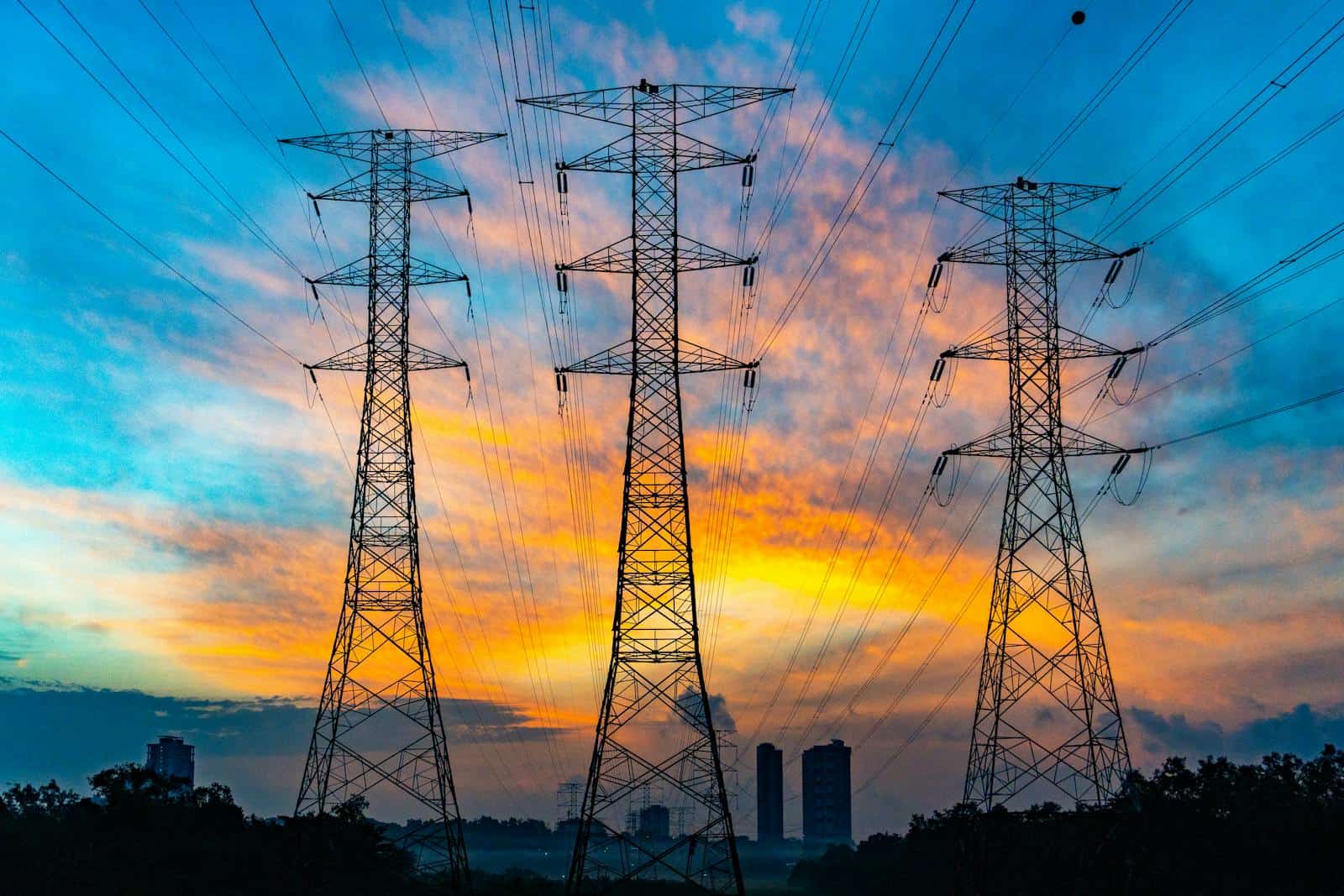
AI data centers are unbelievably power-hungry and are putting immense pressure on regional electrical grids. This surge in energy demand is turning boring electric utility companies into hot Wall Street growth stocks. Unfortunately, regular utility customers are likely to pay the price through higher monthly bills.
The electricity demands of these massive server farms are staggering. Goldman Sachs economists estimate that data centers will drive nearly half of all US power demand growth through 2030. As a result, consumer electricity rates are expected to rise roughly 6% annually in 2026 and 2027.
To keep these data centers running, tech firms are also bidding up construction costs. Specialized laborers are in high demand to build power lines, cooling systems, and substations. Wages for electrical and wiring-installation contractors rose 6.5% in April, vastly outpacing the 3.6% gain for average private-sector workers.
The macroeconomic reality check

This massive infrastructure build-out is acting as a persistent weight, keeping inflation from falling as quickly as hoped. Federal Reserve Governor Lisa Cook warned that only a small portion of announced data center spending has actually been deployed. This means the heaviest part of the economic demand shock is still on the horizon.
Most corporate leaders expect these price pressures to stick around. In a National Association for Business Economics survey, 81% of respondents said the AI boom would push up inflation over the next year. The first phase of any technological revolution always strains resources and drives up costs.
Some businesses might even start trimming payrolls to balance out these skyrocketing technology and utility bills. This creates a tough economic trade-off, leading to fewer affordable consumer goods and potential job losses. Until supply chains can keep pace with this unprecedented demand, the cost of the AI race will keep showing up in everyday life.
The quick download

The race for smarter artificial intelligence is no longer just a digital competition. By swallowing up global memory chips, electrical grid capacity, and construction labor, Big Tech’s $8 trillion bet is actively driving up prices for consoles, cars, and utilities. While tech giants chase future productivity gains, everyday consumers are left paying the premium for a physical revolution they didn’t ask for.
Disclaimer – This list is solely the author’s opinion based on research and publicly available information. It is not intended to be professional advice.
Like our content? Be sure to follow us