Trump impeachment talk grows if Democrats win midterms, former official warns
The 2026 midterm elections are increasingly being framed as more than a contest for control of Congress.
For President Donald Trump, they may also determine if the remainder of his term is defined by legislative support, intensified oversight, or the possibility of another impeachment battle.
That prospect gained renewed attention after former Commerce Secretary Wilbur Ross told Newsweek he has “no doubt” Democrats would pursue impeachment if they regain the House of Representatives. He also suggested the stakes could escalate further should Democrats gain ground in the Senate, where any removal decision would ultimately be decided.
While no formal impeachment plan exists, the fact that senior political figures are openly discussing the scenario highlights how central Trump remains in shaping the national political landscape. The midterms are no longer just about party control. They are about power, accountability, and the scope of presidential scrutiny.
Why Impeachment Has Returned to the National Conversation

The renewed attention stems from a simple constitutional reality: the House of Representatives holds the authority to impeach a sitting president through a majority vote, while the Senate conducts the trial that determines removal.
That separation creates a wide gap between accusation and consequence.
If Democrats win control of the House, they could initiate investigations, compel testimony, issue subpoenas, and potentially advance articles of impeachment. However, conviction in the Senate requires a two-thirds majority, a threshold that remains difficult in today’s polarized environment.
As a result, impeachment discussions often carry more political weight than procedural certainty. They represent leverage, messaging, and institutional power as much as legal consequence.
Republicans Turn Impeachment Into a Rallying Cry
For Republicans, the subject has become an effective tool for mobilization.
By warning that Democratic control could lead to renewed impeachment efforts, party leaders are framing the midterms as a direct referendum on Trump’s presidency rather than a routine legislative election. That narrative encourages supporters to view down-ballot races as essential to protecting the administration.
House Speaker Mike Johnson has echoed similar concerns, cautioning that a Democratic majority could unleash aggressive investigations targeting Trump, his allies, and individuals within his political network, as noted by Newsweek.
The strategy is designed to sustain voter engagement during a non-presidential cycle. Although Trump will not appear on the ballot in 2026, impeachment rhetoric keeps him at the center of campaign messaging.
It also builds on a familiar pattern in Trump-era politics, in which legal scrutiny and congressional inquiries are portrayed as politically driven efforts rather than as institutional oversight. For many supporters, that framing reinforces a sense of political urgency.
Democrats Weigh Accountability Against Electoral Risk

Within the Democratic Party, the issue remains divisive.
Some lawmakers and activists argue that Congress has a duty to respond forcefully if evidence supports further action against the president. They view impeachment as a legitimate constitutional safeguard rather than a purely political weapon.
Others are far more cautious. They worry that prioritizing impeachment could overshadow issues voters consistently rank as more immediate, including inflation, housing affordability, healthcare costs, and economic stability.
This internal split reflects two competing instincts: oversight versus strategy.
Progressive voices tend to emphasize accountability and constitutional responsibility, arguing that failure to act could be seen as political hesitation. More moderate figures, particularly those in competitive districts, fear that impeachment-centered messaging could alienate undecided voters.
Having already impeached Trump twice during his first term, many Democrats are also mindful of political fatigue surrounding the issue.
As a result, party strategists appear inclined to prioritize economic messaging while treating oversight as a secondary, albeit important, responsibility.
Foreign Policy Pressure Adds a New Dimension

Trump’s handling of Iran has further intensified political scrutiny.
The conflict and its aftermath have raised questions about executive authority, military decision-making, and congressional oversight of foreign policy. Critics argue that recent developments highlight broader concerns about presidential judgment and accountability.
Public opinion reflects growing unease. A Reuters report in June found Trump’s approval rating at 34 percent, matching the lowest point of his second term. The survey also showed widespread skepticism about the effectiveness of the Iran truce and limited public support for the conflict’s overall costs.
Although impeachment rarely stems from a single issue, it often gains traction when political controversy intersects with declining approval ratings and legislative opposition. Iran has become one more flashpoint in a broader debate over executive power.
For Democrats, it offers additional grounds to question decision-making at the highest level. For Republicans, it reinforces the argument that opponents are searching for justification to pursue removal.
The Economy Still Shapes the Political Landscape

Despite growing attention on impeachment, economic conditions remain the most influential factor in voter behavior.
Historical patterns suggest that issues affecting daily life, such as wages, rent, grocery prices, healthcare expenses, and job security, tend to outweigh institutional debates in determining election outcomes.
Democratic leaders have repeatedly emphasized affordability as their central message heading into the midterms. Their challenge lies in maintaining that focus while managing pressure from segments of their base that want stronger action against the administration.
Republicans, meanwhile, are attempting to position the election as a choice between protecting Trump’s agenda and enabling Democratic oversight.
The party that best connects its message to immediate voter concerns is likely to hold a decisive advantage.
What a Third Impeachment Would Actually Require
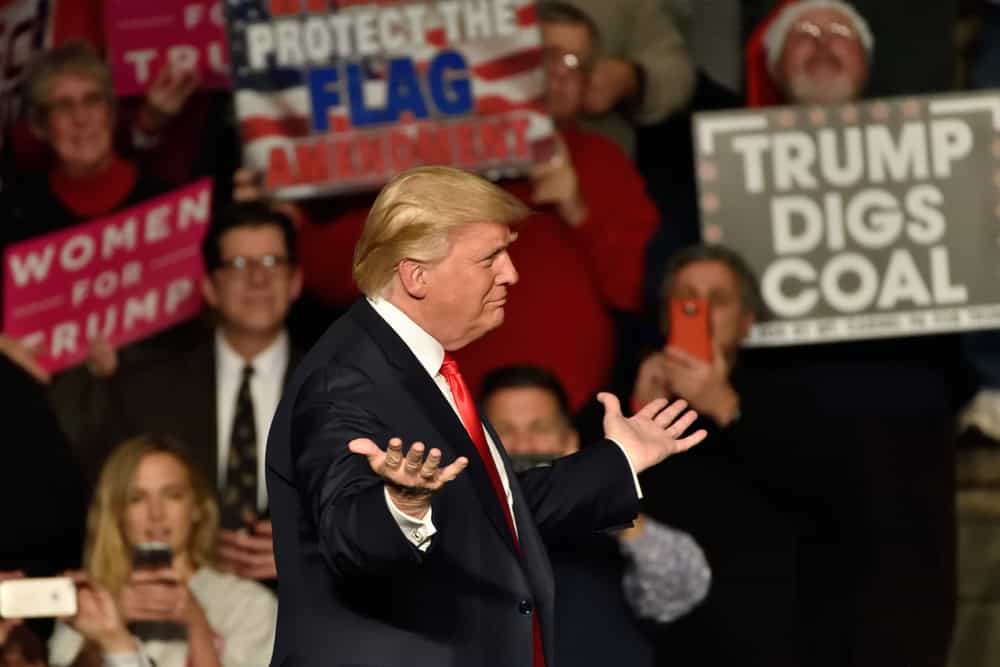
If Democrats were to regain control of the House, they would have the authority to open investigations and potentially introduce articles of impeachment. The passage would require only a simple majority vote.
However, removal from office would be significantly more difficult.
A Senate conviction requires two-thirds of members present during the trial. In the current political climate, that would likely require large-scale bipartisan defections.
This distinction is crucial. A House impeachment vote is procedurally achievable under Democratic control, but it does not guarantee removal.
Trump has already been impeached twice and acquitted both times, making any potential third impeachment historically significant but not necessarily outcome-determinative.
Control of Congress Extends Beyond Legislation

The 2026 midterms are not just a contest over who gets the bigger office or the louder microphone on Capitol Hill. They are a fight over who gets to pull the levers of power when Trump’s presidency enters its next, more volatile chapter.
A House majority does more than pass laws. It controls the gavel, sets the investigative agenda, calls witnesses, demands records, and decides which scandals break into public view. A Senate majority shapes confirmations, guides legislation, and, if impeachment arrives, determines if it fizzles out or becomes a full constitutional clash.
That is why this election feels larger than a normal midterm. Congress is not simply a lawmaking body in moments like this. It becomes a stage, a courtroom, a pressure valve, and sometimes a political battlefield.
For Republicans, holding power means building a firewall around Trump’s administration and tightening the scope of congressional probes. While for Democrats, gaining control opens the door to deeper scrutiny, wider investigations, and a flood of uncomfortable questions directed at the White House.
In that sense, the fight for Congress is really a fight over the next storyline of Trump’s presidency. One outcome could give him protection and momentum. The other could bring subpoenas, hearings, and a renewed battle over accountability.
What to Watch as the Campaign Intensifies

As the election cycle accelerates, several indicators will determine if impeachment remains central or fades into the background.
Voters should watch congressional polling trends, presidential approval ratings, economic data, and the evolving messaging strategies of both parties. Shifts in any of these areas could influence whether impeachment becomes a defining issue or remains a secondary theme.
Republicans are expected to continue using impeachment warnings as a turnout mechanism. Democrats will likely balance calls for accountability with a stronger focus on cost-of-living concerns.
Ultimately, the 2026 midterms may decide far more than legislative control. They could shape the level of scrutiny Trump faces in the remainder of his presidency and determine whether Washington enters another prolonged constitutional confrontation.
Ross’s warning reflects a broader political reality: control of Congress is increasingly synonymous with control over the trajectory of the Trump presidency itself.
Disclaimer – This list is solely the author’s opinion based on research and publicly available information. It is not intended to be professional advice.
Like our content? Be sure to follow us