Florida alligator attacks raise new concern after woman dies during river swim near Orlando
In Florida, the line between a beautiful day on the water and a dangerous wildlife encounter can be thinner than many visitors realize. That uneasy truth returned to the spotlight after three alligator attacks were reported across Central Florida in seven days, including one that killed a 31-year-old woman who had stopped to swim in the Econlockhatchee River north of Orlando.
The cluster of attacks has drawn attention not because alligator bites are common, but because they are usually rare enough that several serious incidents in one week feel alarming. Florida is home to roughly 1.3 million alligators, and state wildlife officials have long warned that fresh and brackish waters across all 67 counties can hold them.
The bigger story, however, is not panic. It is the tension between outdoor recreation, fast-growing communities, tourism, and the reality that much of Florida’s natural beauty is also predator habitat.
What happened in Central Florida
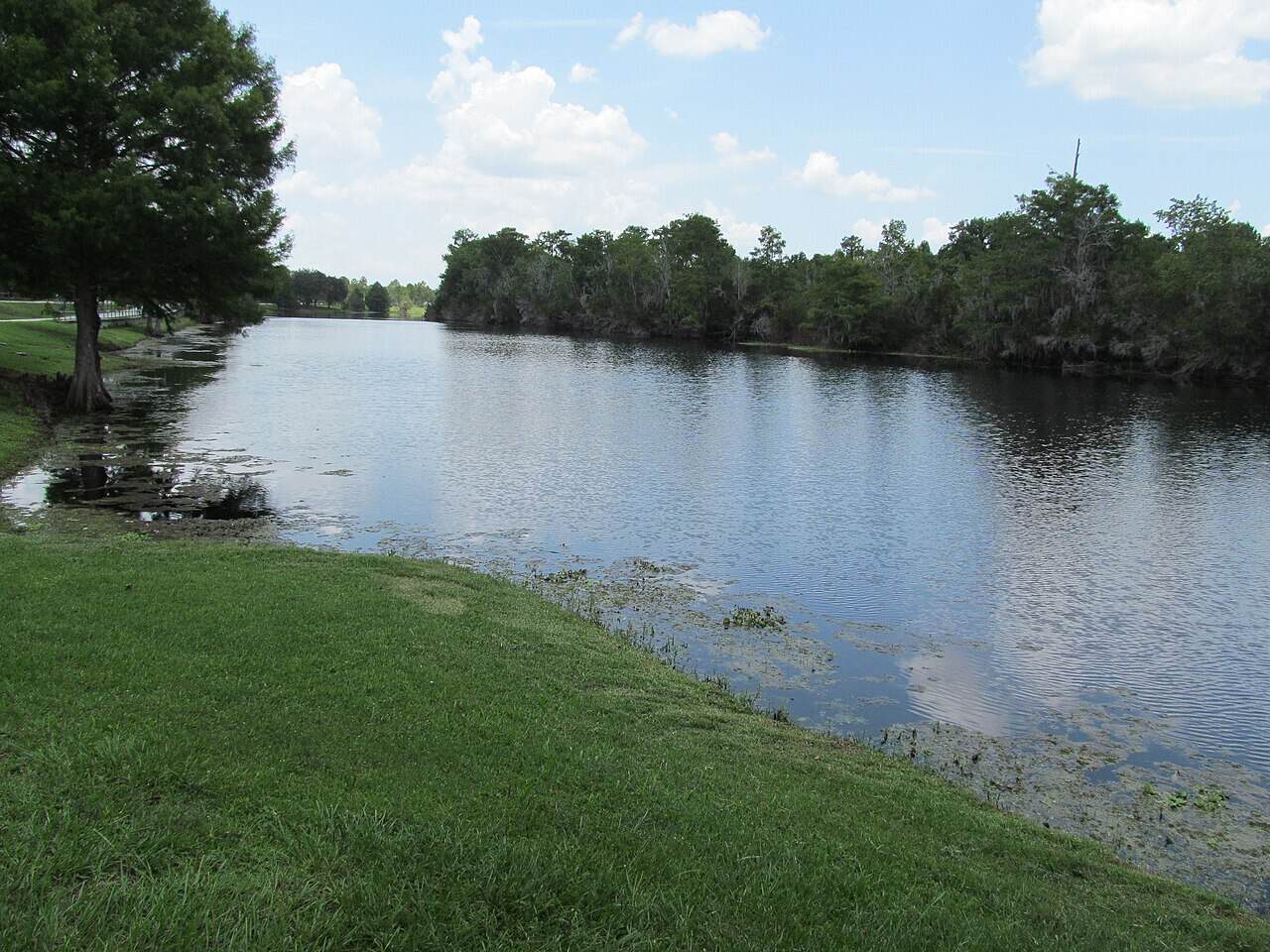
The fatal attack happened Sunday afternoon near the Barr Street Trailhead in Little Big Econ State Forest, where officials said the woman was swimming in the Econlockhatchee River with her boyfriend and a friend. Wildlife officials said she was bitten by an alligator and later died after being taken to a hospital. Her boyfriend tried to pull her away during the attack, a detail that has made the incident feel especially heartbreaking to many readers following the story.
Afterward, trappers captured two large alligators in the area, one measuring about 13 feet and another about 12 feet. Officials said testing would be needed to determine which animal was responsible. The attack came shortly after two other Central Florida incidents: a child was bitten on the hand while fishing from shore at Nelson Fish Camp in Marion County, and a snorkeler was bitten at Rainbow River, where authorities temporarily closed swimming while the alligator was located and removed.
Why do rare attacks still shake people?
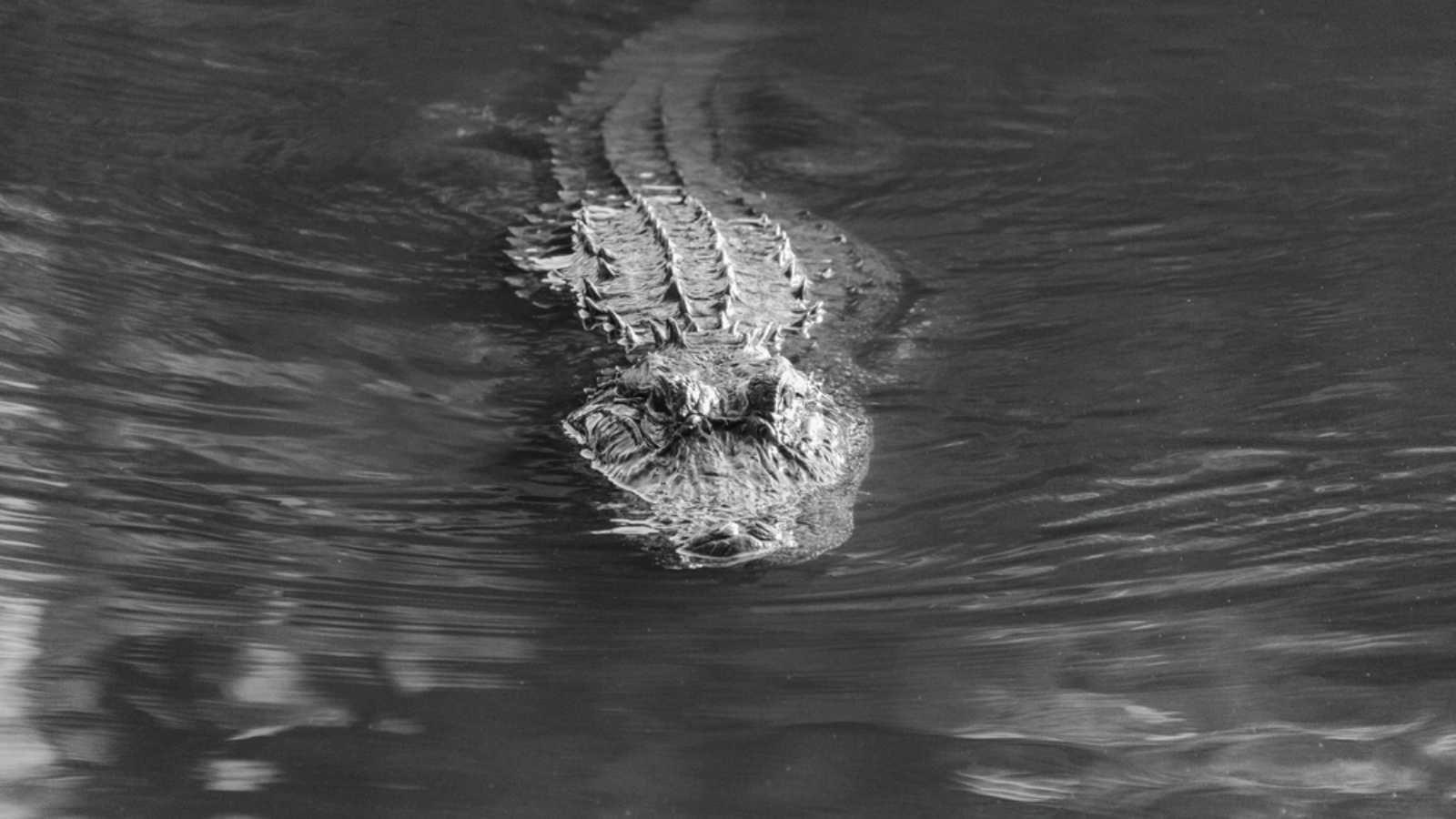
Alligator attacks occupy a strange place in the public imagination. They are uncommon, but when they happen, they are terrifying, sudden, and easy to picture. That combination makes even a small number of incidents feel larger, especially when they happen close together and involve familiar activities such as swimming, fishing, or snorkeling.
The data helps explain the tension. A Florida wildlife report updated in February 2026 lists 500 unprovoked alligator bites on people in Florida since 1948, including 32 fatal bites. In 2025, the state recorded 13 total bites and two fatalities; in 2024, it recorded 11 bites and no fatalities. Those numbers are serious, but they remain low compared with the millions of people who live in or visit Florida and the countless hours spent near lakes, rivers, ponds, and wetlands.
The risk often depends on behavior
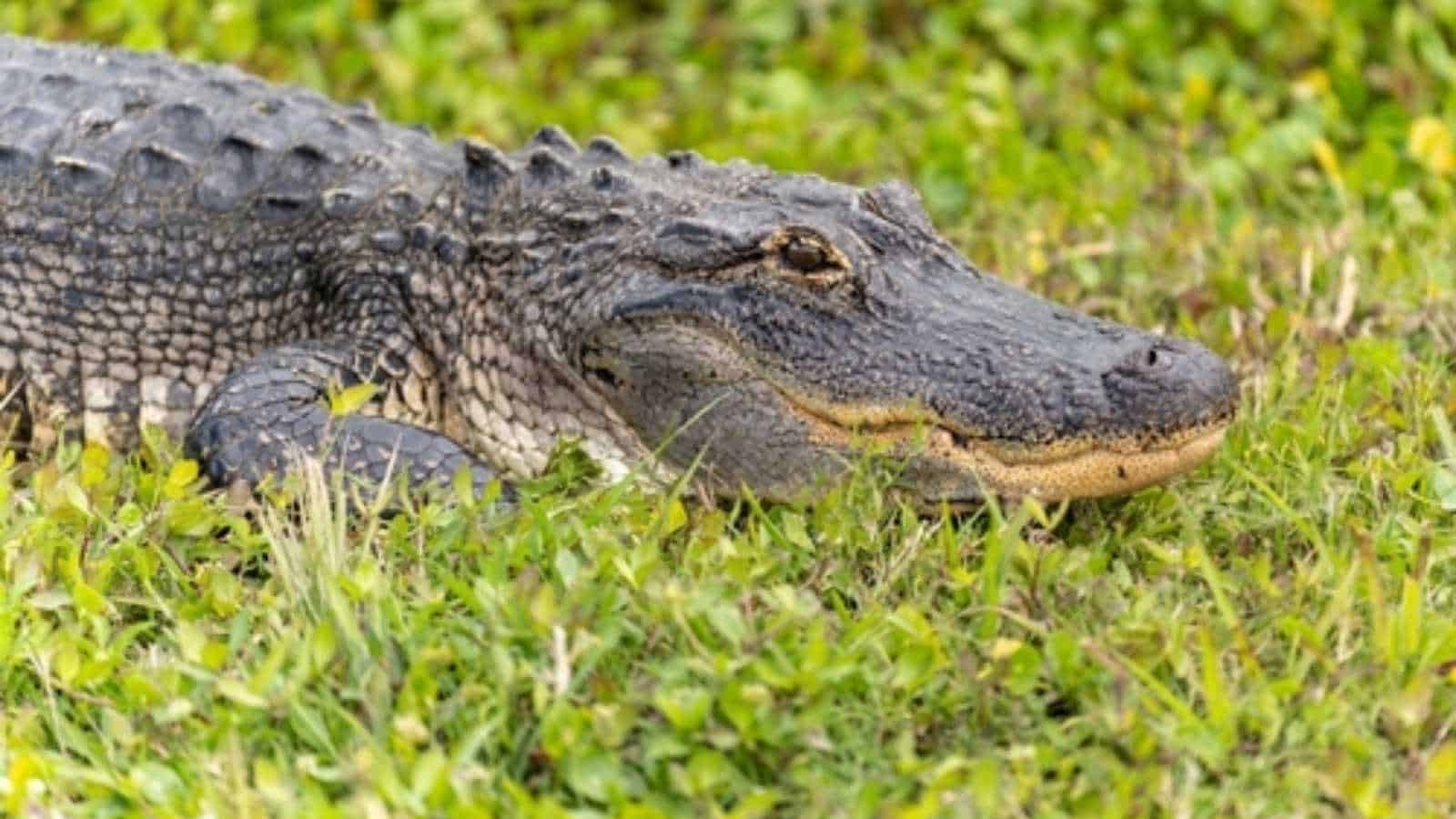
A major study by researchers at the University of Florida and Center College found that human behavior or inattention preceded 96% of recorded alligator incidents they reviewed. The researchers did not argue that victims deserve blame. Their point was that many dangerous encounters happen when people enter or linger near places where alligators naturally live, especially during activities that can resemble prey movement from an alligator’s point of view.
That matters because alligators are not usually hunting humans as a normal food source. Wildlife officials describe them as opportunistic feeders that are most likely to pursue prey they can overpower. Swimming, wading, splashing, fishing near the edge, walking pets near water, and entering areas outside posted swim zones can all increase the risk of a dangerous encounter.
The lesson is not that Florida’s rivers and springs should be feared, but that they should be treated like wild places, not backyard pools.
Why the timing matters

The attacks also happened during a season when alligator activity tends to rise. Researchers note that mating season in Florida and the Southeast runs from April through June, a period when alligators move more and can become more territorial. Warmer weather also brings more people to rivers, springs, and shorelines, creating more opportunities for people and wildlife to cross paths.
That seasonal overlap is important. Florida’s water is part of its lifestyle: locals fish after work, families swim on weekends, tourists search for springs, and hikers follow trails that run beside rivers. The danger is not constant, but it is present.
Officials advise people to swim only in designated areas during daylight hours, keep pets away from the water’s edge, never feed alligators and call the state nuisance hotline when an alligator appears to pose a threat to people, pets or property.
Florida’s growth adds pressure
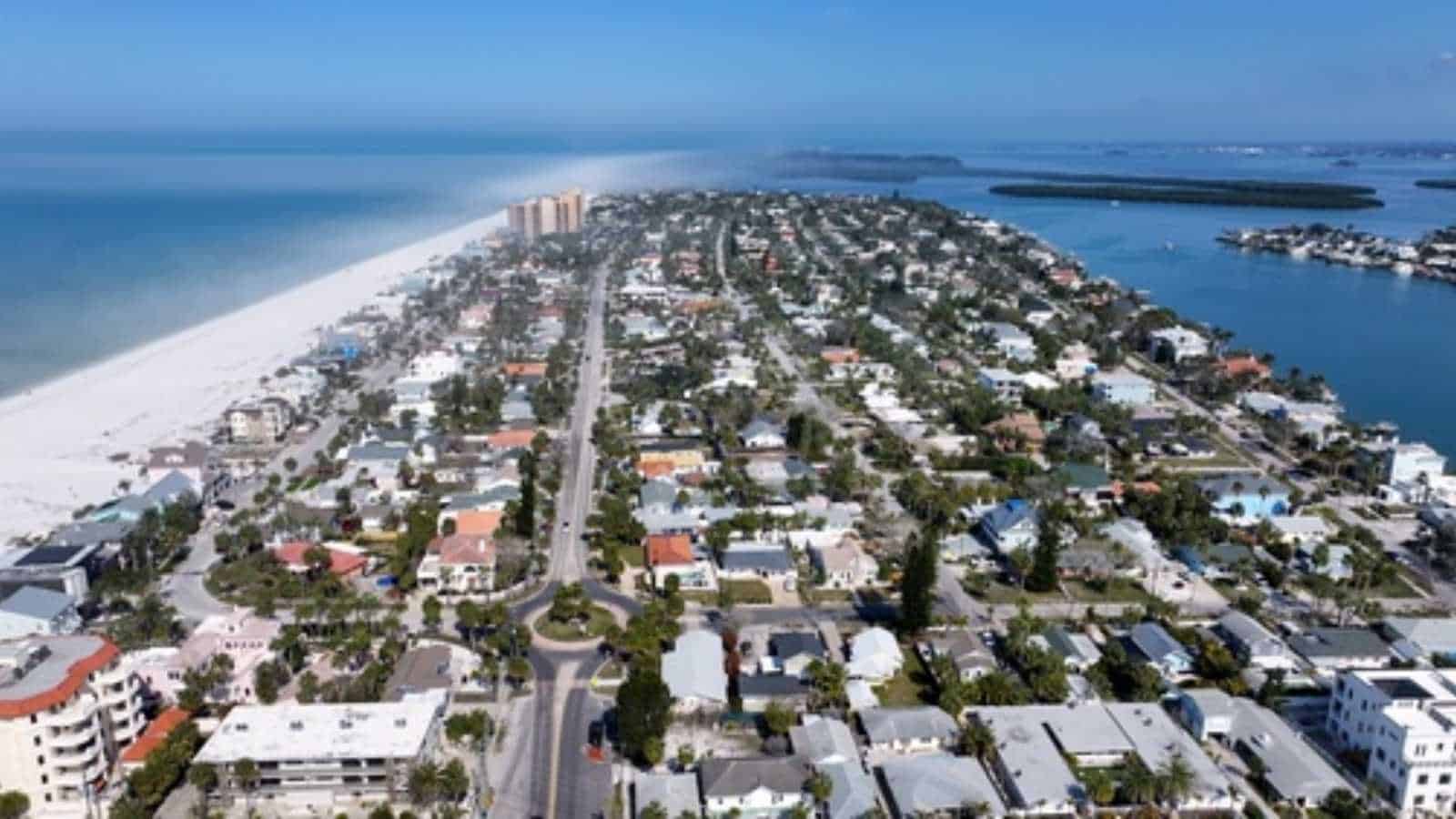
The broader backdrop is that more people are living, vacationing, and recreating in alligator country. Census estimates put Florida’s population above 23.3 million in 2024, while state tourism data showed nearly 143 million visitors traveled to Florida that year, the highest annual visitation on record. More residents and visitors do not automatically mean more attacks, but they do mean more human activity near the same waters alligators have used for centuries.
That is the contradiction at the heart of this story. Florida sells itself through sunshine, rivers, springs, beaches, trails, and outdoor freedom. But the places that make the state so attractive are also living ecosystems. Alligators are not an unusual feature of that landscape. They are part of it. As development, tourism, and recreation expand, safety depends less on removing every danger and more on teaching people how to recognize one.
What readers can take from this

The recent attacks are not a reason to assume every Florida waterway is unsafe, but they are a reminder that familiar scenery can still carry unfamiliar risk. Many people see a calm river or a quiet pond and read it as peaceful. Wildlife officials see habitat. That difference in perception can matter, especially for visitors or new residents who may not know how common alligators are outside the most obvious swamp settings.
The strongest response is awareness rather than fear. Stay out of unposted swimming areas. Do not approach, feed, or photograph alligators from close range. Keep children and pets away from the edge of fresh or brackish water. And when in doubt, assume an alligator may be present, even when the water looks still.
Final thoughts

The Central Florida attacks are tragic and unsettling, but the larger lesson is clear: alligator encounters remain rare, yet Florida’s outdoor beauty carries real wildlife risks. Respecting that risk can protect people, pets, and the animals that share the landscape.
Disclaimer – This list is solely the author’s opinion based on research and publicly available information. It is not intended to be professional advice.
Like our content? Be sure to follow us.