Virginia lawmakers approve recreational marijuana retail sales
Virginia will finally let its residents legally buy the marijuana they have been allowed to carry since 2021.
Lawmakers approved budget legislation this week establishing a licensed retail cannabis market, sending the measure to Governor Abigail Spanberger after years of stalled attempts under her Republican predecessor.
The deal permits up to 350 retail licenses statewide, raises the personal possession limit from one ounce to two, and directs a share of tax revenue into a fund for communities affected by past drug enforcement.
Sales were scheduled to begin on July 1, 2027, and the agreement increases the possession limit from 1 ounce to 2 ounces. Spanberger is expected to sign the budget package that contains it.
A five-year gap between legal and buyable
Virginia’s marijuana story has an odd structural flaw that most people outside the state do not realize exists. Five years after becoming the first Southern state to legalize marijuana possession, Virginia has now approved a legal way to sell it to recreational users.
Adults 21 and older could grow it, carry it, and use it in private, but nowhere could they walk into a store and buy it the way they can in more than a dozen other states with legal cannabis programs. That mismatch pushed the market underground by default.
Aird has said the absence of licensed retail left everyday users without a legitimate option and left law enforcement without a real ability to enforce or ensure accountability around cannabis access.
Why the compromise took so long
Partisan control of Virginia’s government flipped in late 2021, stalling the retail question for years, and in 2024, then-Governor Glenn Youngkin vetoed a bill that would have set up recreational sales. Spanberger campaigned on supporting a retail market and took office this year, but even her own party’s version of the bill did not sail through cleanly.
Her substitute legislation pushed the launch date back six months from what the General Assembly had agreed on and added tougher criminal penalties, along with cuts to the number of stores that could open initially. Senator Lashrecse Aird, who had spent years building the framework alongside Delegate Paul Krizek, called the rewrite a shock rather than a modest edit.
What eventually broke the standoff was direct negotiation rather than another round of vetoes. Aird worked with Spanberger’s office to fold cannabis language into the state’s two-year budget instead of relitigating a standalone bill, a route that let both sides claim wins without another public standoff.
What the final deal keeps and drops
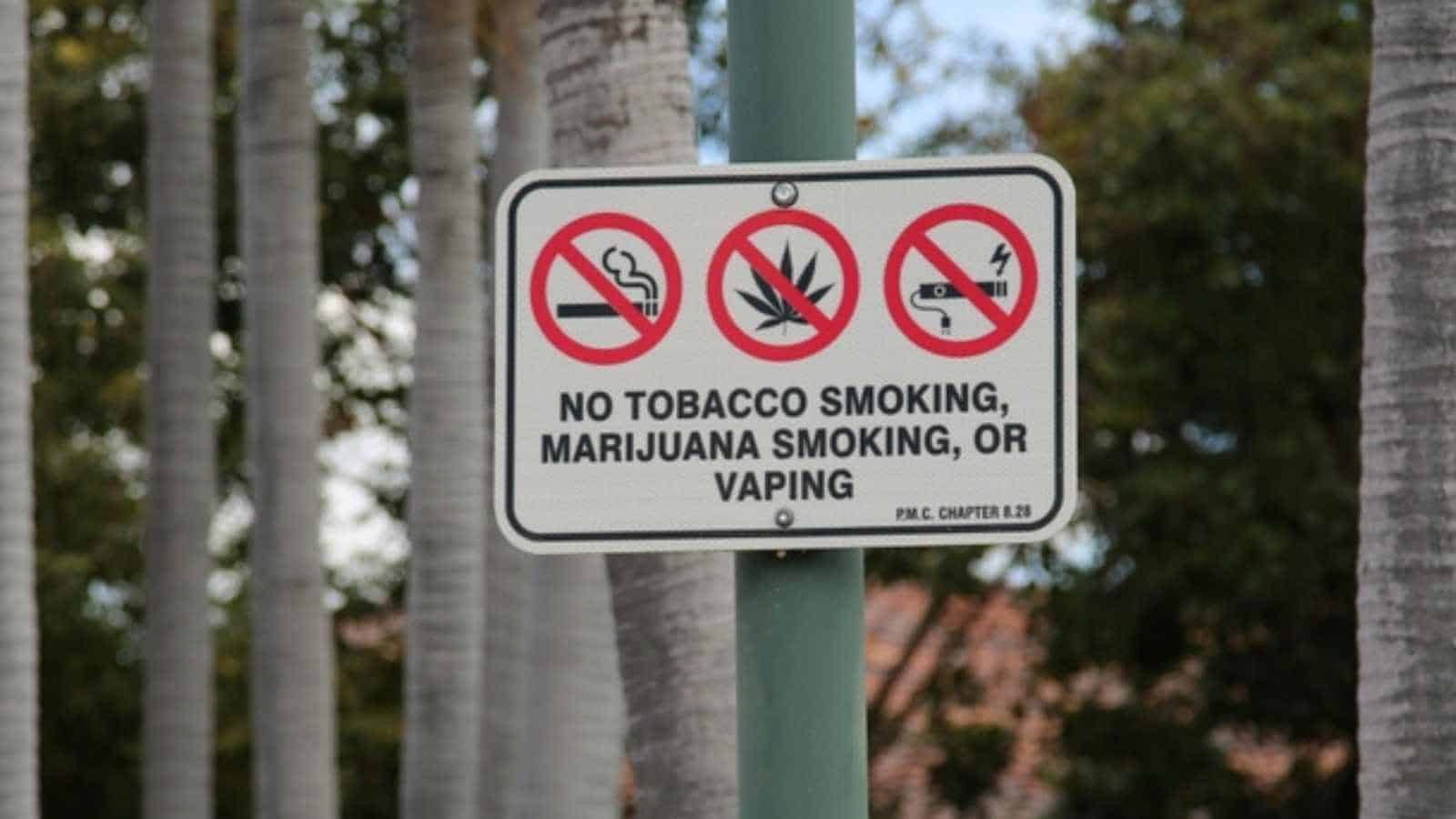
Spanberger had proposed making it a Class 2 felony, carrying a potential life sentence, to bring in fifty pounds or more of cannabis for illegal distribution. That provision did not survive. Lawmakers removed some of the criminal penalties Spanberger had proposed, calling several excessive. In exchange, penalties on the consumer side got sharper. Starting in July 2027, the fine for public consumption rises from twenty-five dollars to two hundred fifty dollars.
Aird has framed the delayed effective date on that fine as a kind of insurance policy, one that leaves lawmakers room to reverse course if enforcement data shows the higher penalty falling unevenly on certain communities.
Retail geography also got locked down early. Stores cannot open within a thousand feet of a school or day care under the final bill. Oversight duties are consolidating too, with regulation of intoxicating hemp shifting from the state’s agriculture department to the Cannabis Control Authority, the same body that will license and police the new marijuana retailers.
The equity argument beneath the policy
Democrats did not sell this bill purely as a business opportunity. They have framed retail legalization as a matter of fairness after state data showed Black Virginians were policed and convicted for marijuana use at disproportionate rates.
That framing explains why the equity fund survived the negotiation even after Spanberger’s substitute bill had stripped cannabis sales revenue from it. Money is meant to flow toward people and communities that bore the weight of enforcement during prohibition, as well as to grants for new operators entering the licensed market.
Not every advocate is satisfied. Grassroots organizer Chelsea Higgs Wise, whose group pushed Spanberger to reconsider the higher consumption fine, worries the increase could again fall unevenly along racial lines even as she called the overall legislation an exciting step after years of uncertainty.
That tension, cheering the market’s arrival while flagging one of its penalty provisions, captures how mixed the reaction has been even among people who wanted this bill to pass.
A slower rollout than early plans promised

Anyone who has followed this closely may notice the timeline keeps sliding. Earlier drafts floated sales starting as soon as November 2026, then January 2027, and the final number landed at July 2027.
Each delay reflects a real disagreement rather than bureaucratic drift: how many licenses to issue at once, how steep the penalties for illegal operators should be, and how much authority local governments should retain.
Krizek and Aird pushed for a faster start; Spanberger’s team wanted more guardrails first. The eighteen months added since the earliest proposal are the visible cost of that back-and-forth.
What Virginians should expect next

Nothing changes at checkout counters tomorrow. The market will need licensing timelines, tax collection systems, and testing standards to be developed by regulators before the first legal purchase occurs in mid-2027.
After two vetoes and a public falling-out between the governor and her own party’s cannabis negotiators, Virginia now has an agreed-upon date, a license cap, and a tax structure written into law rather than floated in competing bills.
For consumers who have spent five years legally holding marijuana with no legal place to buy it, that clarity may matter more than any single provision inside the bill.
Disclaimer – This list is solely the author’s opinion based on research and publicly available information. It is not intended to be professional advice.
Like our content? Be sure to follow us.