AI’s richest leaders face backlash as people turn against them
Silicon Valley’s tech elites are discovering that their grand plans for artificial intelligence are hitting a very physical, very angry wall. This backlash is no longer just keyboard activism; it is directly halting billions of dollars in real-world infrastructure.
The public is actively turning against AI zillionaires as the rapid concentration of wealth and resources creates a deep economic divide. Communities feel that they are bearing the environmental costs while a handful of executives pocket the historic profits. This friction is turning the industry’s physical backbone into a primary target of resistance.
The physical manifestation of digital anxiety

Data centers have emerged as the physical proxy for public resentment against the AI boom. These plain, corporate buildings represent the tangible footprint of a trillion-dollar industry that otherwise feels completely untouchable. For many, protesting these sites is the only real way to push back against a technology being forced upon them.
Billionaire Mark Cuban argues that the outrage has almost nothing to do with the actual buildings. He pointed out that the facilities are symbols of the public’s deeper anxiety regarding wealth accumulation. According to Cuban, the creators of large language models have fundamentally lost the public relations war.
Silicon Valley is accused of maintaining a detached attitude, acting as if they are saving a world that never asked to be saved. This perceived arrogance has fueled deep frustration among ordinary working-class citizens. The disconnect between tech promises and community realities continues to widen rapidly.
Infrastructure blocks and community power

The financial consequences of this grassroots resistance are staggering for big tech developers. Organized local opposition blocked or delayed $130 billion worth of data center projects in the first quarter of 2026 alone. This single-quarter disruption successfully matched the entire volume of projects blocked during all of 2025.
The sheer scale of active opposition groups has grown exponentially. The number of anti-data center organizations doubled in just three months, skyrocketing from 396 to 833 across 49 states. This structural shift proves that the pushback is a highly coordinated nationwide movement.
Major tech giants are seeing their flagship infrastructure developments completely stall. Stalled initiatives include the QTS and Compass projects in Virginia, worth $24.7 billion, as well as a massive $6 billion Amazon campus. Additionally, Tract withdrew a $14 billion development in Arizona, and Diode Ventures was halted by a $1.5 billion zoning block.
State legislatures are rapidly responding to this intense constituent pressure with aggressive regulatory measures. More than 300 data center bills were filed in early 2026, targeting tax breaks and proposing construction freezes. Local boards are using zoning laws to protect aquifers and quiet neighborhoods from industrial sprawl.
The political fallout is rewriting local leadership dynamics across the country. A small Missouri town even took the drastic step of ousting half its city council after a $6 billion project was approved.
Billionaires, bunkers, and the wealth divide

The anxiety of AI zillionaires has reached the point of physical isolation and extreme preparation. Moguls are actively buying up remote island estates and maintaining private jet fleets in case of a societal revolt. There is a growing fear that the intense backlash could eventually spiral into an economic revolution.
The concentration of wealth in the AI era is entirely unprecedented in human history. Elon Musk’s personal net worth recently surged past $1.1 trillion following a high-profile SpaceX initial public offering. This massive 13-digit fortune has sparked intense criticism from lawmakers who view it as a dangerous concentration of power.
Even industry creators admit that the current economic trajectory is highly dangerous. OpenAI CEO Sam Altman openly acknowledged that AI could concentrate immense power and wealth in the hands of a select few. He warned that preventing this exact outcome must remain one of the primary goals of public policy.
Critics argue that the current tech model is built on an unsustainable foundation. If companies automate away all employees, there will be no customers left with the wages to buy products. This dynamic threatens to short-circuit the entire capitalist economic cycle.
Shifting sentiments and consumer toxicity

The public’s intense skepticism is beginning to directly damage creative and entertainment markets. Director Jorge Gutierrez dropped out of a major Amazon AI animation partnership after facing relentless public outrage. This high-profile collapse demonstrates that AI branding has become toxic sludge to mainstream audiences.
Skepticism is particularly high among the younger demographics who usually adopt new tech first. A Drexel University study of adolescent chatbot users revealed deep concerns over cognitive and emotional reliance on AI bots. Many teens are expressing a strong desire to regain control of their mental health and social lives.
Major entertainment platforms are actively distancing themselves from low-quality synthetic content. Tidal’s decision to block deceptive AI tracks and ban them from monetization represents a growing commercial defense system. This trend highlights a broader industry pivot toward protecting authentic human artistry.
Navigating the community-first imperative
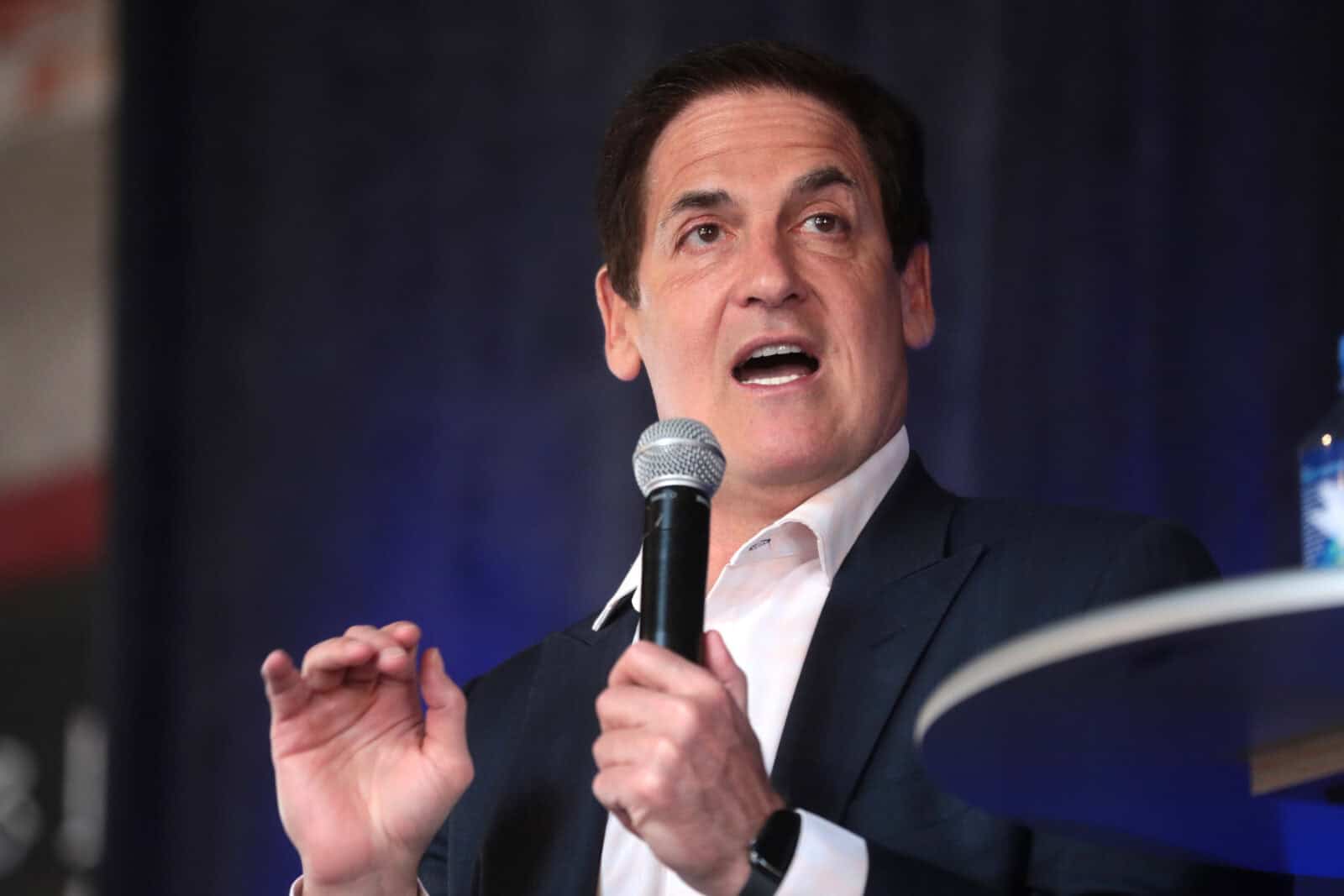
Tech zillionaires are being warned that their current PR strategies are completely useless. Mark Cuban urged companies to stop paying famous celebrities to endorse their technology. Instead, he insists that they must visit local towns and offer actual financial support to offset job losses.
Anthropic has proposed unique macroeconomic solutions to address this severe wealth disparity. The firm suggested creating national sovereign wealth funds that hold direct stakes in major AI developers. These funds would aim to distribute AI-derived profits more equitably to the general public.
However, many community advocates believe these corporate promises are simply too late. They argue that the industry has consistently extracted local resources while failing to deliver tangible benefits. Without a massive pivot toward genuine respect for community, the infrastructure freeze will continue to worsen.
The conflict over artificial intelligence has progressed far beyond a simple technological debate. It has transformed into a high-stakes struggle over resource sovereignty and democratic accountability. Ultimately, ordinary citizens are proving that trillion-dollar companies cannot build their way through local communities without consent.
Where the power shifts next

The golden era of consequence-free AI expansion has officially come to an end. Massive local blocks on infrastructure show that the public is no longer willing to trade resources for tech promises. Moving forward, big tech’s survival depends on distributing wealth equitably and prioritizing human communities over server farms.
Disclaimer – This list is solely the author’s opinion based on research and publicly available information. It is not intended to be professional advice.
Like our content? Be sure to follow us