12 ways America’s biggest cities became richer—but harder to live in
America’s biggest cities remain powerful economic engines, but prosperity has come with a growing price tag. The Financial Times reports that the Los Angeles metropolitan area alone generates about $1.3 trillion in annual economic output, making it one of the world’s largest urban economies. Yet only an estimated 11%–14% of residents can afford a median-priced home, illustrating the widening gap between economic success and everyday affordability.
The same pattern is playing out across many major U.S. cities. Thriving industries, rising property values, and high-paying jobs have helped create enormous wealth, but they’ve also driven up housing costs, transportation expenses, and the overall cost of living.
For many residents, living in these prosperous cities has become increasingly difficult, even as the local economies continue to grow. Here are 12 ways America’s biggest cities became richer, but harder to live in.
Rising Local Service Costs and Groceries

The cost of everyday services has surged dramatically alongside soaring commercial property values. Local dry cleaners, mechanics, and small grocery shops must raise their prices to cover rising rental costs. This cascading economic effect makes simply living in the city far more expensive on a weekly basis.
Basic daily routines become costly endeavors that require careful financial planning for average families. A simple trip to a local restaurant or a weekend movie feels like a major financial decision.
Residents find themselves paying a heavy premium for basic urban conveniences that used to be affordable, and many watch their budget with more anxiety than joy.
Real Estate Speculation Drives Prices Up
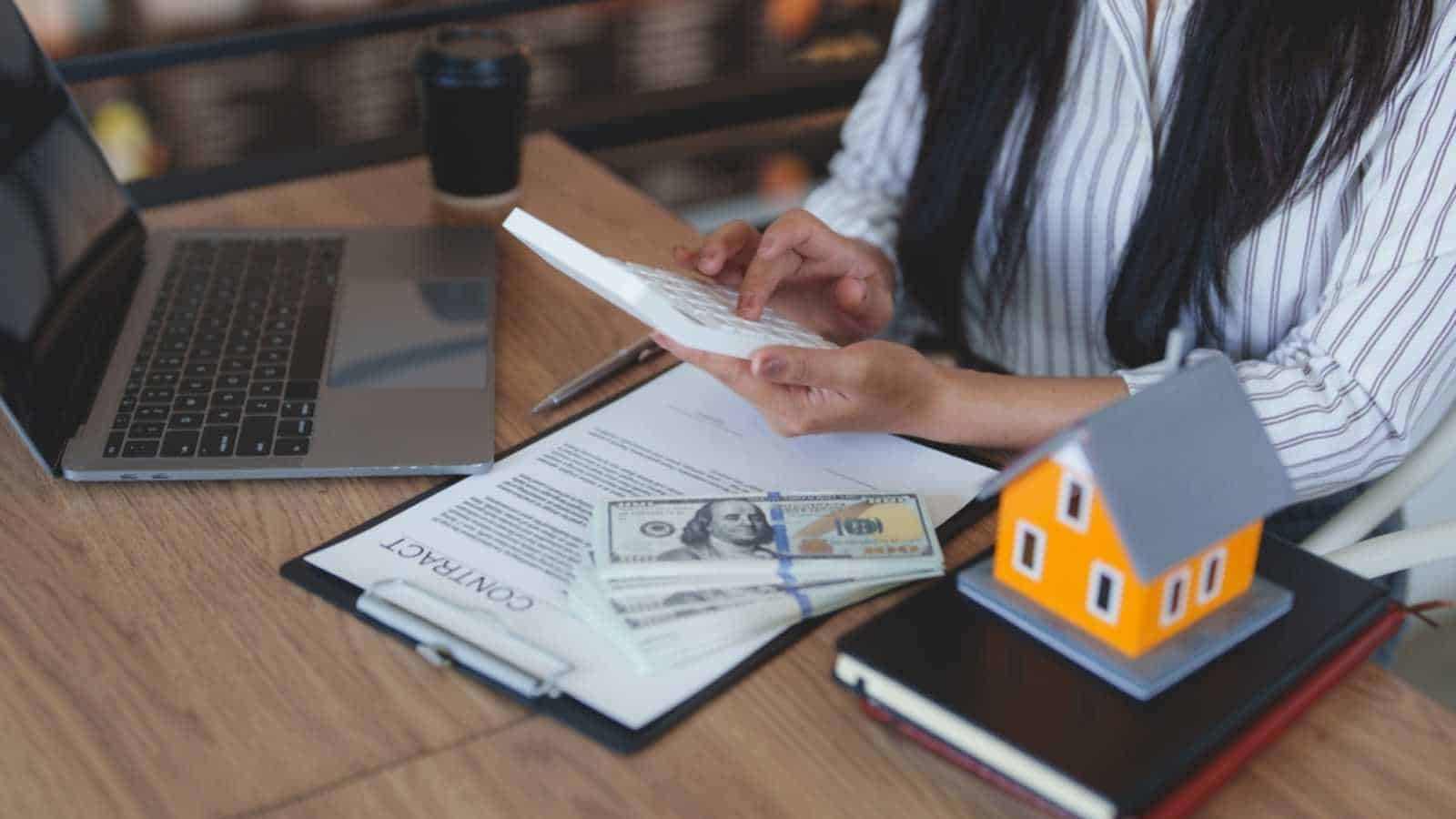
The steady arrival of wealthy investment firms has dramatically altered local housing markets over the last decade. These corporate buyers purchase older apartment buildings and quickly convert them into high-end luxury units that command premium prices.
This rapid commercial activity drives up local rental costs and pushes real estate values out of reach for ordinary citizens. Longtime tenants find themselves forced out of the historic communities where they have built their entire lives.
Nobel laureate and Yale professor of economics Robert Shiller warns that if too many lifelong inhabitants are driven out by rising housing prices, cities suffer a loss of identity and culture. This shift completely alters the social fabric of our metropolitan areas and erodes community wellbeing.
Outpaced Earnings and Stagnant Wages

A detailed Pew Research-style analysis on home affordability shows that prices are rising far faster than workers can earn. In recent years, inflation-adjusted median home values across major metropolitan areas have jumped dramatically.
This massive gap makes saving for a property purchase extremely difficult for middle-class workers. During that exact same window, the inflation-adjusted median household income for many buyers rose only modestly.
A 2026 Federal Reserve letter, for example, finds that average U.S. income growth is strongly related to rising house prices, while supply often fails to keep affordability in line for many regions. This economic imbalance forces young professionals to delay milestones and work multiple jobs just to keep up.
Unattainable Homeownership for Young Adults

The price-to-income ratio for households headed by adults under forty rose significantly from 2.9 to 3.5 over recent years. This shifting metric illustrates just how difficult the initial buy-in costs of urban life have become.
Young couples must work extra hours and make extreme personal sacrifices just to secure a basic down payment. These sudden financial barriers prevent young people from building long-term equity and establishing roots in their chosen cities.
Overviews of affordable housing in the United States note that younger households face particular challenges entering homeownership in high-cost metros, often requiring larger down payments relative to their incomes.
High Mortgage Rates Compound Monthly Costs

Borrowing costs have climbed dramatically, adding hundreds of dollars to the average buyer’s monthly mortgage payment. The average thirty-year fixed mortgage rate increased from moderate levels to well above 6%, turning manageable home loans into massive liabilities.
These soaring interest payments eat away at a household’s monthly budget, leaving very little room for savings. Buyers find themselves paying far more money for the exact same physical space than they would have just a few years ago.
Analyses of housing markets show that higher interest rates directly reduce affordability by raising required monthly payments, even when home sizes and locations stay the same. This situation leaves local families with minimal disposable cash for emergencies, repairs, or educational savings.
Squeezing Renter Households out of the Market

In 2019, around 56% of renter households younger than forty could realistically afford to purchase a median-priced home in their area. Today, a much smaller share of tenants can make the transition from paying rent to owning property. This market gridlock traps people in an endless cycle of renting, in which they cannot build personal equity.
Because fewer tenants can afford to buy, the demand for rental units remains incredibly high across major cities. Research on urban housing markets shows that when ownership becomes less attainable, rent burdens tend to rise as more households compete for limited rental stock.
Working-class families find themselves priced out of safe neighborhoods and forced into long, draining commutes while they keep saving money just to stay housed.
Middle Class Affordability Erosion

An extensive study by the Brookings Institution shows that middle-income earners are falling behind rapidly in modern urban centers. In each metropolitan area studied, at least 20% of middle-class families simply cannot afford the cost of local living.
Even highly educated, stable professionals struggle to afford basic daily necessities in these expensive zones. These families must spend their hard-earned money with extreme caution just to keep their heads above water.
Brookings research emphasizes that middle-class households across the country are increasingly squeezed by housing, transport, and service costs relative to local earnings. The traditional dream of comfortable middle-class stability is fading away for millions of urban workers.
The Burden of Housing Costs on Urban Renters

Families are dedicating a dangerous portion of their monthly earnings to keeping a roof over their heads. Spending more than 30% of income on rent is considered a high burden, and many households in cities far exceed that threshold. This heavy cost leaves very little money for healthcare, transport, or savings.
Spending over 30% of monthly income on shelter leaves very little cash for health emergencies or car repairs. Families are forced to compromise on quality food and medical care just to avoid eviction notices.
Studies of rent burdens in large cities show that a substantial share of households are cost-burdened, undermining financial resilience and family wellbeing. This constant strain creates a highly stressful home environment for children and parents alike.
Underfunded Public Transportation Infrastructure
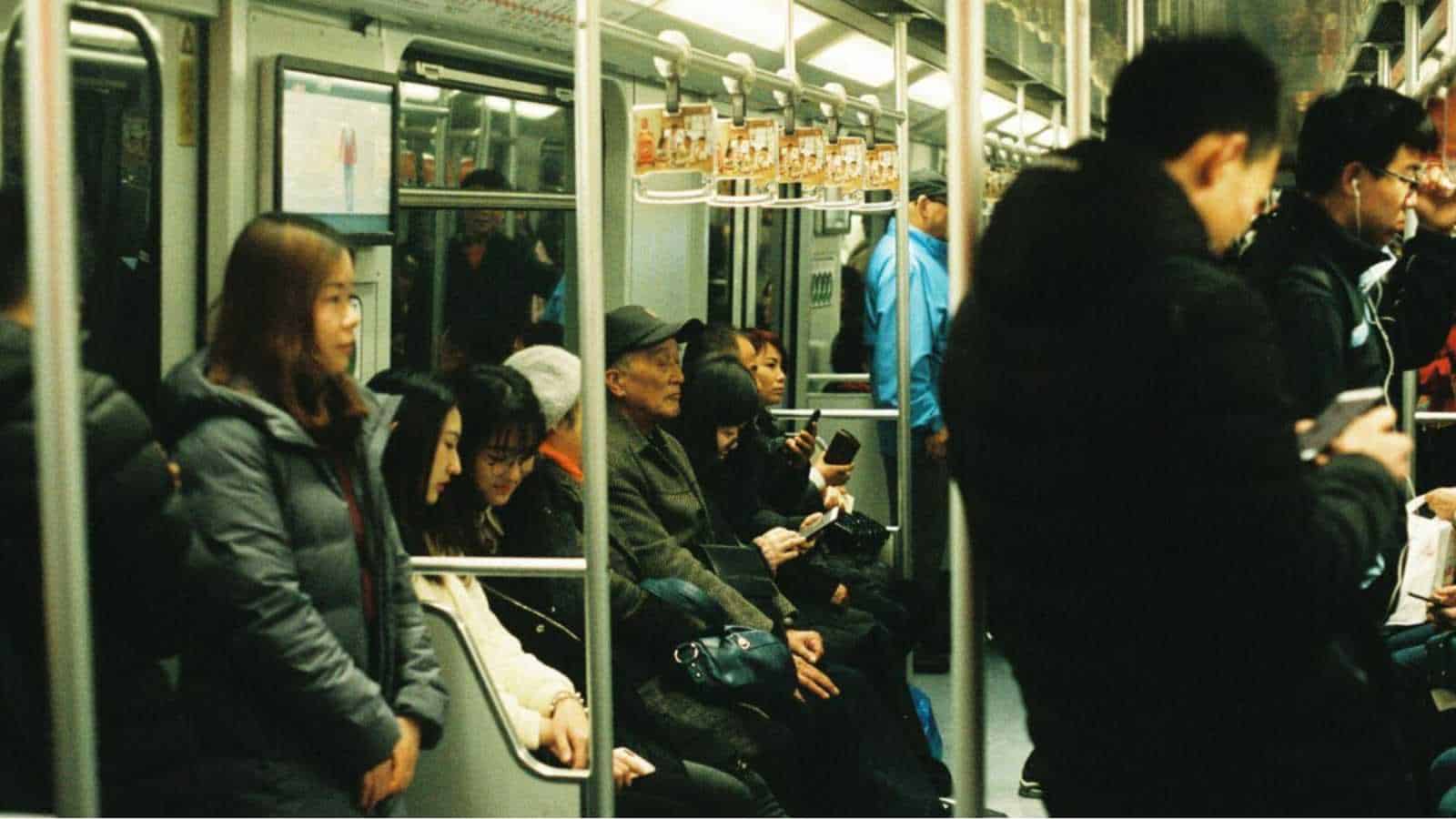
While city tax revenues climb to historic heights, public transport networks often remain slow, outdated, and unreliable. Workers must endure long, exhausting daily commutes on overcrowded trains and buses that rarely run on schedule. This logistical friction drains valuable time, patience, and productivity from the local workforce.
Frequent transit delays and service cuts make relying on public buses a frustrating daily gamble. Many residents feel forced to purchase and maintain personal vehicles they can barely afford.
Transit often lags behind population and job growth, leaving riders with longer commutes and higher transport costs. This extra expense adds another heavy layer of financial stress to families already struggling with high rent.
Declining Commercial Centers and Office Vacancies

The rapid rise of remote working options has left many downtown office towers sitting quiet and underutilized. Empty offices mean fewer weekday customers for local businesses, coffee shops, and lunch spots. This economic shift hurts the vibrant, bustling street-level energy of our historic commercial districts.
Cities are losing valuable tax revenue from these vacant commercial properties as values decline. This loss of commercial revenue forces local governments to seek out alternative funding sources. The resulting municipal deficits often translate to fewer public amenities and reduced services for citizens.
Gentrification and Cultural Displacement

Historic, diverse neighborhoods are rapidly losing their unique characters as new upscale developments move in. Multigenerational family businesses are replaced by high-end boutiques, trendy cafes, and luxury retail stores. This transformation often alienates the very people who built and sustained the community for decades.
While these areas may look cleaner and more modern, the social cost of displacement is incredibly high. Longtime neighbors are separated as families are forced to move away to distant, cheaper suburbs.
The rich cultural history of these neighborhoods is slowly washed away in favor of commercial uniformity, and many residents feel that their city’s soul is being priced out in the name of finance and profit.
Public Parks and Green Space Inequality

Access to beautiful, well-maintained public parks is becoming highly unequal across major American cities. Wealthier neighborhoods enjoy pristine, safe green spaces with modern recreational facilities and active security. Meanwhile, lower-income areas are often left with neglected, concrete-dominated parks that lack basic maintenance.
This disparity heavily impacts the physical and mental well-being of local children. Families living in crowded apartments desperately need clean, safe outdoor spaces to play and relax.
Research on urban public space consistently links park access to health and social benefits, yet notes that lower-income communities often have fewer or poorer-quality parks. Without access to these public parks, community health and social connection suffer significantly.
Key Takeaway

Urban success should not be measured solely by corporate wealth, towering skylines, and soaring property values. True progress means building inclusive communities where everyday workers can easily afford safe shelter, healthy food, and reliable services. Balancing rapid economic growth with general affordability is the ultimate test for modern municipal leaders.
Disclaimer – This list is solely the author’s opinion based on research and publicly available information. It is not intended to be professional advice.
You May Also Like: 9 Reasons American Cities Are Running Out of Money
Like our content? Be sure to follow us