14 things in your kitchen that could be making you sick
The kitchen gadgets you use every day might be working against your health, harboring hidden germs and harmful substances where you least expect them.
Your kitchen is supposed to be a haven for cooking warm meals and making memories with family. However, hidden behind those cabinet doors and resting on your countertops are invisible dangers you probably ignore daily.
Everyday tools we rely on for meal prep can secretly harbor harmful bacteria or leach toxic chemicals into our food. You might be surprised to learn that your favorite cooking gadgets and cleaning supplies are actually working against you. Let us dive into the sneaky culprits that require a little extra attention before your next dinner party.
The Trusty Kitchen Sponge
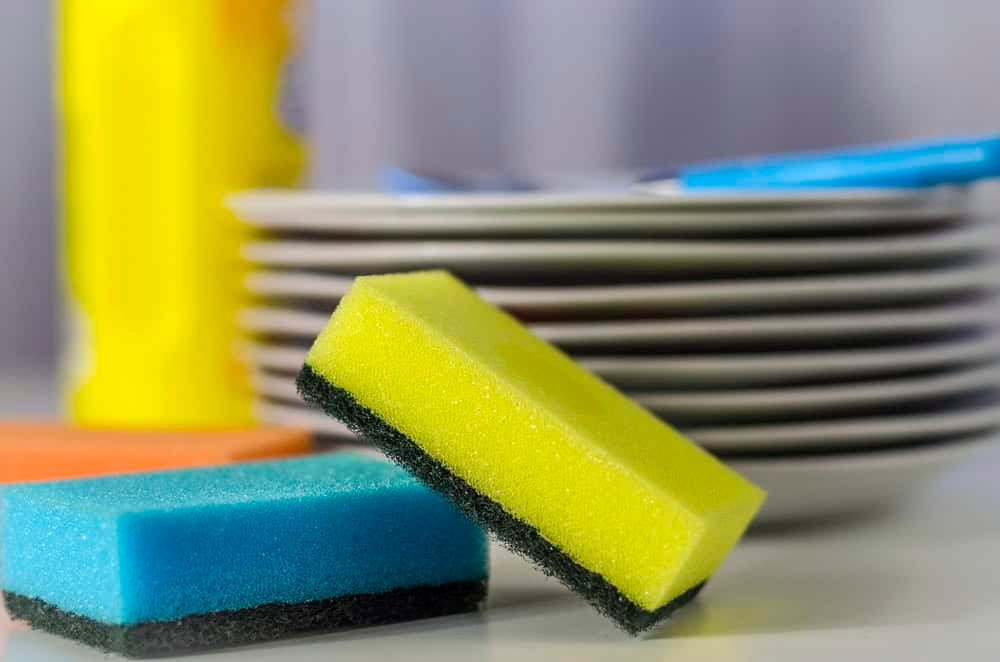
That little yellow rectangle sitting by your sink is a microscopic nightmare disguised as a cleaning tool. According to the CDC, roughly 48 million people in the United States get sick from a foodborne illness every year, and contaminated sponges play a huge role. The moisture and food particles trapped inside create the perfect breeding ground for nasty pathogens like Salmonella.
Most people think running it under hot water is enough to kill off the lingering germs. You really need to replace your sponge every single week to keep those dangerous bacteria at bay. Tossing it in the dishwasher on a high heat cycle can also buy you a few extra days of safe use.
Scratched Nonstick Cookware

Cooking eggs without them sticking to the pan feels like a modern miracle on busy mornings. The Economic Times reports that a study found that a single surface scratch on a Teflon pan can release up to 9,100 plastic particles. Those invisible microplastics chip off during cooking and easily find their way straight into your breakfast.
Your beloved frying pan becomes a chemical liability the second you notice flakes peeling from the bottom. Using metal spatulas is the easiest way to ruin the protective coating and expose your family to toxins. Switching to cast iron or stainless steel options will eliminate this sneaky chemical threat from your home.
Plastic Cutting Boards

Dicing chicken and slicing vegetables on the same surface is a fast track to severe stomach issues. Those tiny grooves made by your chef knife trap raw meat juices that regular dish soap cannot reach.
Many home chefs mistakenly believe that plastic boards are more sanitary than traditional wooden ones. Wood naturally contains antimicrobial properties that pull bacteria down beneath the surface, where they eventually die off. It is time to toss those deeply scarred plastic mats into the recycling bin for good.
Refrigerator Water Dispensers
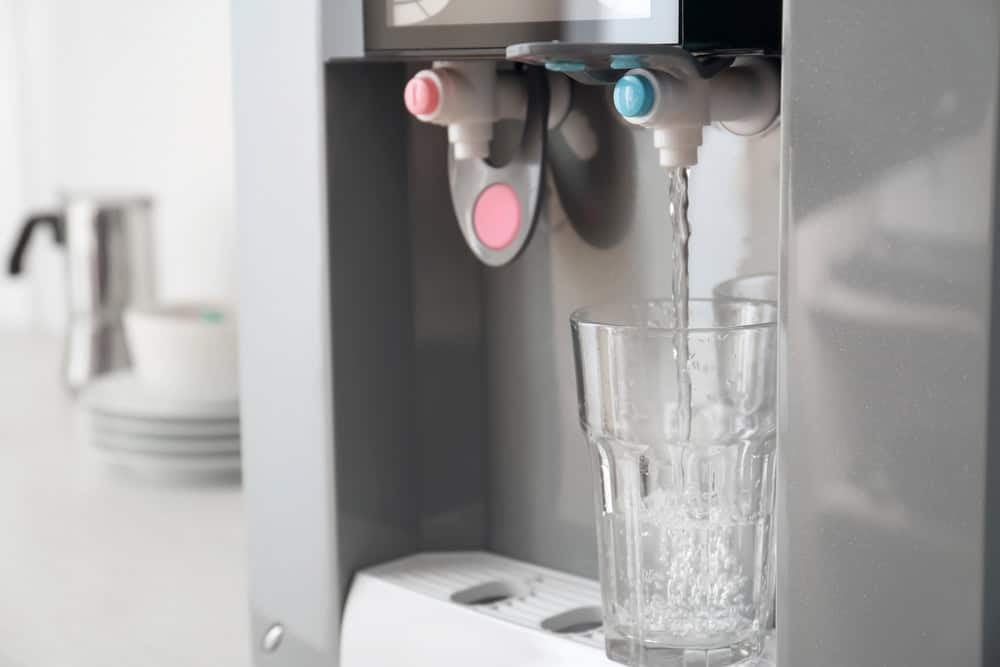
Grabbing a cold glass of water from the fridge door is incredibly convenient after a long day. An NSF International study revealed that refrigerator water dispensers are a concern as they help breed yeast and mold. The constant moisture around the nozzle creates a dark and damp environment where fungi thrive unnoticed.
We often remember to change the internal filter but completely neglect the actual spout where the water exits. Taking a small brush and some white vinegar to the dispenser opening takes only a few minutes. Cleaning this overlooked spot regularly will stop you from drinking a nasty cocktail of fuzzy mold spores.
Digital Meat Thermometers
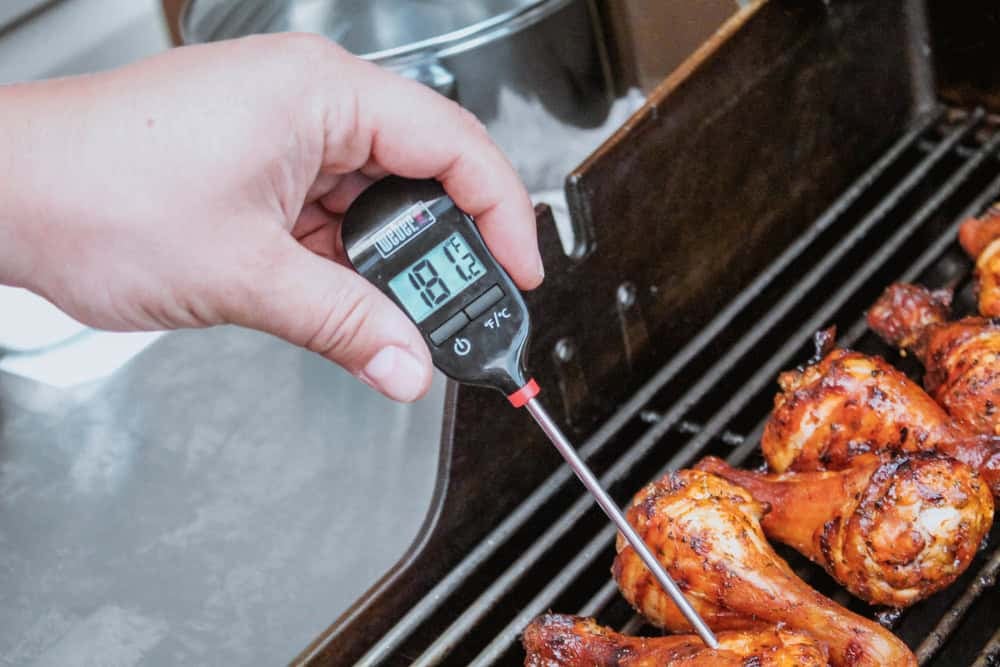
Checking the internal temperature of your Thanksgiving turkey is crucial for avoiding undercooked poultry disasters, but some people fail to clean their meat thermometers correctly after use. Plunging a contaminated metal probe back into a fully cooked roast transfers active bacteria right onto your dinner plate.
A quick wipe with a dry paper towel does absolutely nothing to sanitize the metal spike. You must wash the probe thoroughly with hot soapy water after every single temperature check. Keeping antibacterial wipes in a nearby drawer makes sanitizing your cooking thermometer a total breeze.
Indoor Gas Stoves
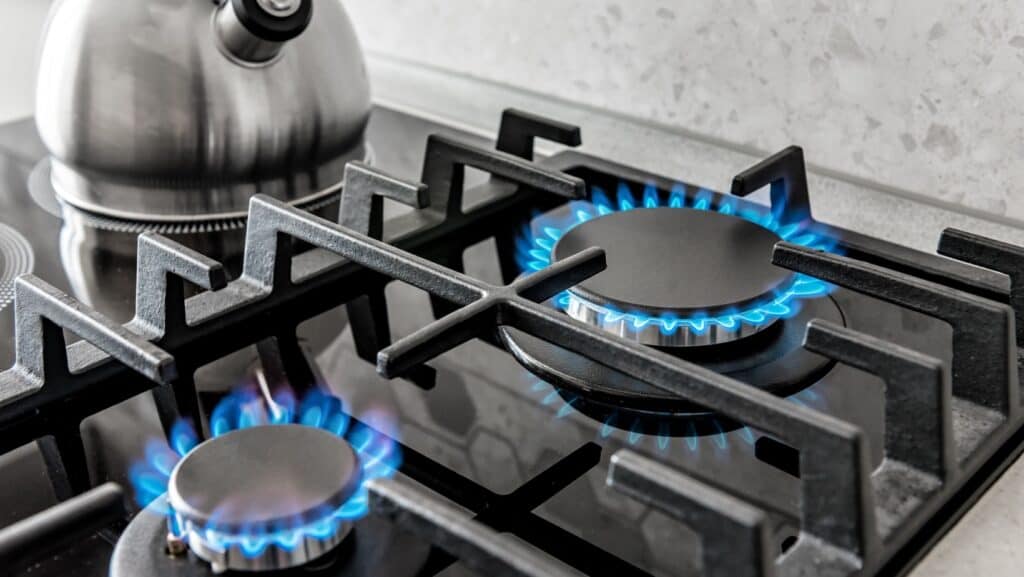
Cooking with a live flame makes many amateur chefs feel like they are starring in a professional restaurant kitchen. According to the EPA, indoor air can be two to five times more polluted than outdoor air due to gas stoves emitting nitrogen dioxide. These invisible gases build up rapidly in poorly ventilated spaces and can trigger severe asthma attacks.
Most people forget to run their exhaust hoods unless they actually burn something and set off the smoke alarm. Turning on the fan every time you ignite a burner pulls those harmful pollutants right out of your house. Opening a nearby window during meal prep provides an excellent backup method for keeping your indoor air fresh.
Ordinary Aluminum Foil
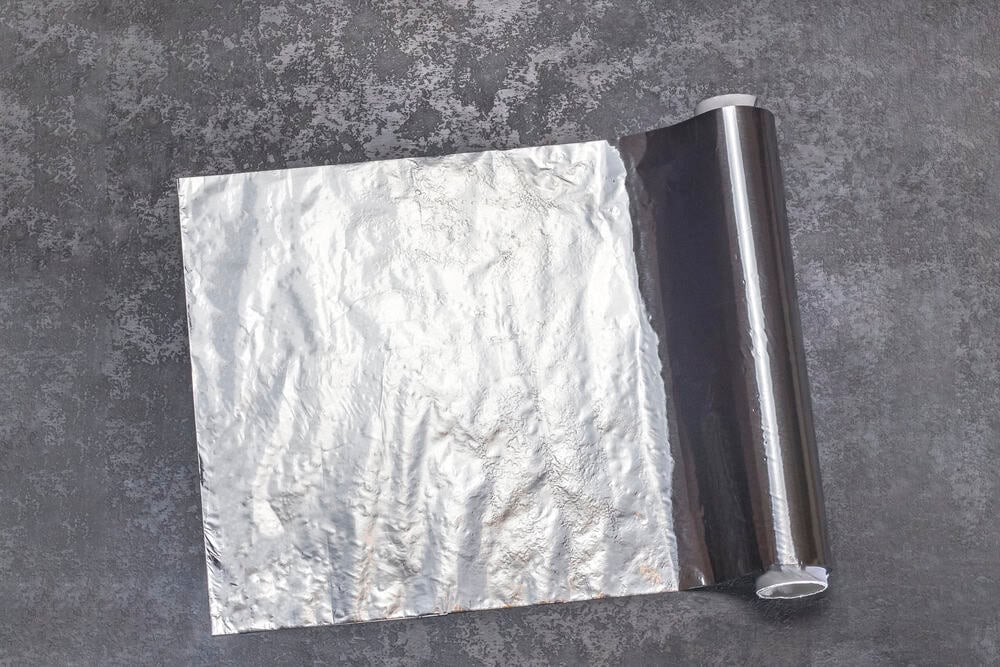
Wrapping leftovers in shiny foil is a classic kitchen habit that spans multiple generations. Highly acidic foods like tomatoes and citrus fruits can actually cause the aluminum to break down and leach into your meal. Consuming high levels of this metal over time has been linked to various neurological and bone diseases.
Baking a lasagna covered in foil might seem harmless until you spot tiny metallic flakes swimming in the sauce. Glass containers with silicone lids offer a much safer alternative for storing your extra food in the fridge. You should always use parchment paper as a protective barrier when roasting vegetables on metal baking sheets.
Plastic Storage Containers
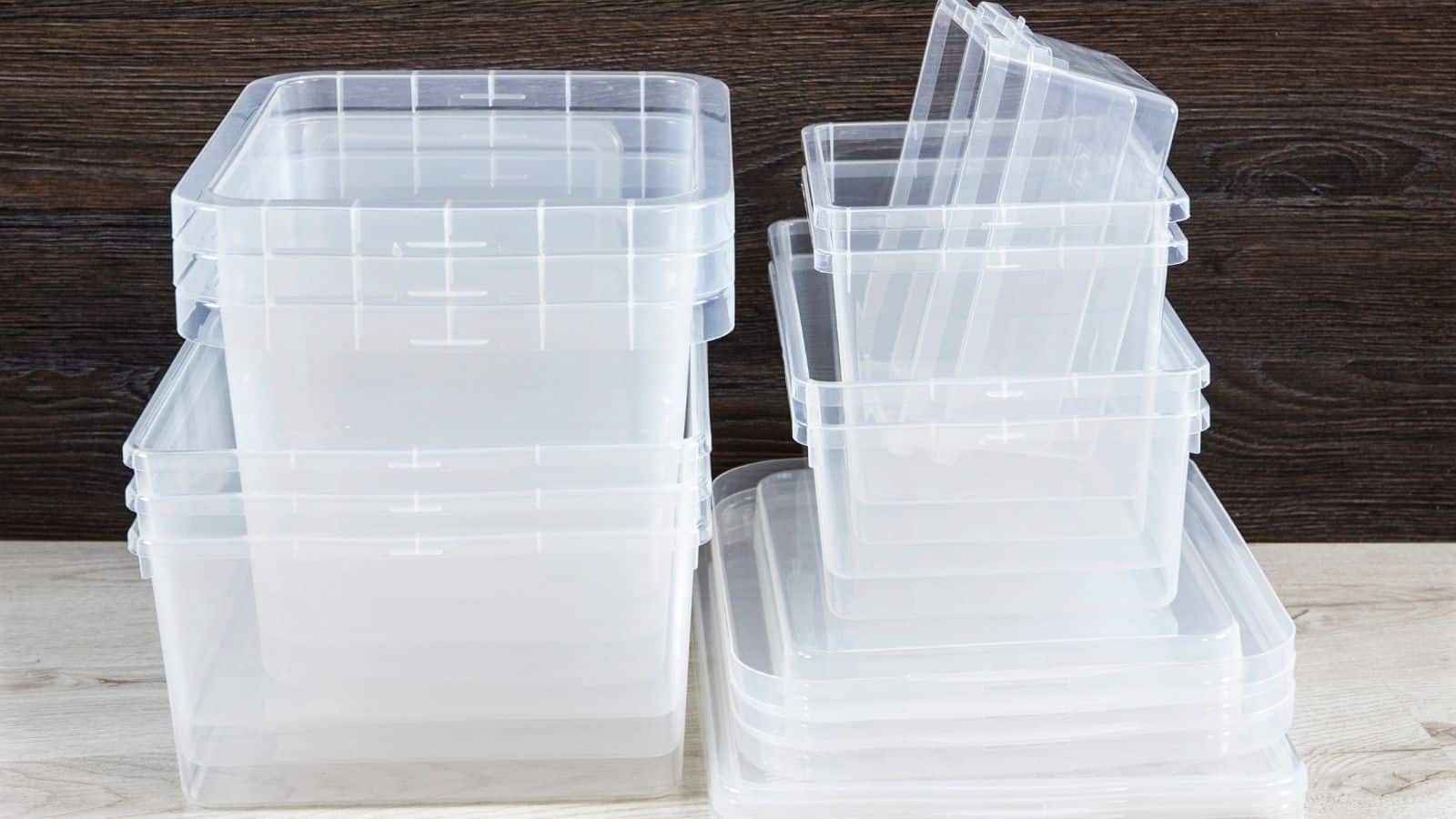
Your cabinets are likely overflowing with an unmatched collection of plastic tubs and missing lids. Heating spaghetti in these plastic bins causes dangerous endocrine disruptors to melt right into your lunch. Chemicals like BPA can easily migrate into warm food and negatively affect your hormone balance over time.
Even containers labeled as microwave-safe will eventually degrade after repeated cycles of heating and cooling. Moving your leftovers onto a real ceramic plate before reheating them takes only ten seconds. Investing in a solid set of glass storage bowls will give you total peace of mind during mealtime.
Hidden Blender Gaskets
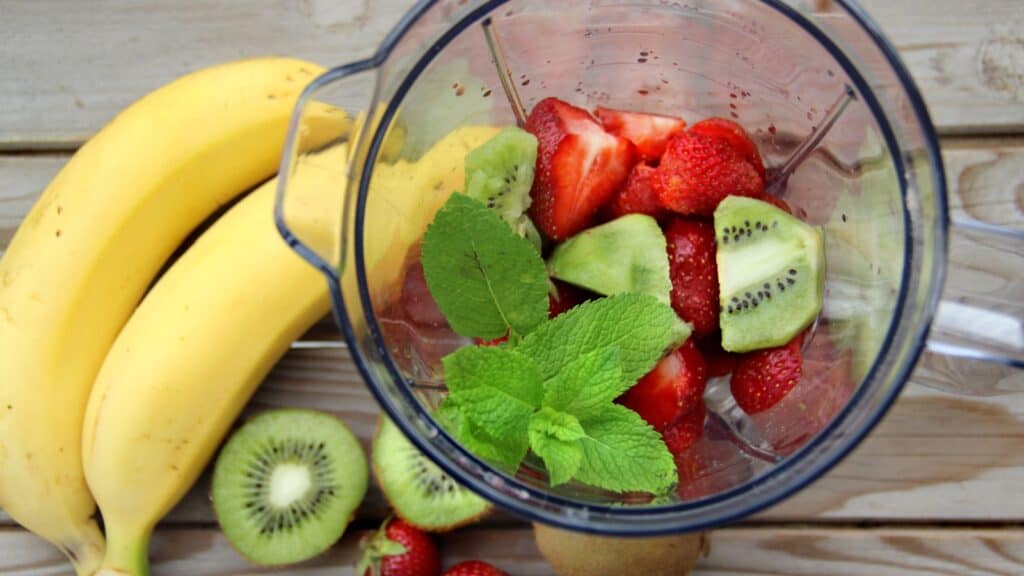
Making a morning smoothie is a fantastic way to pack extra fruits and greens into your daily diet. Most people just rinse the pitcher and completely ignore the rubber ring sitting at the very bottom. That tiny silicone seal traps liquid and quickly grows a thick layer of black mold if left unwashed.
Your healthy breakfast shake could be giving you a daily dose of toxic fungal spores. You have to take the entire blade assembly apart to scrub the gasket with warm soapy water. Letting the individual pieces air dry completely prevents any funky odors from ruining your expensive appliance.
Manual Can Openers
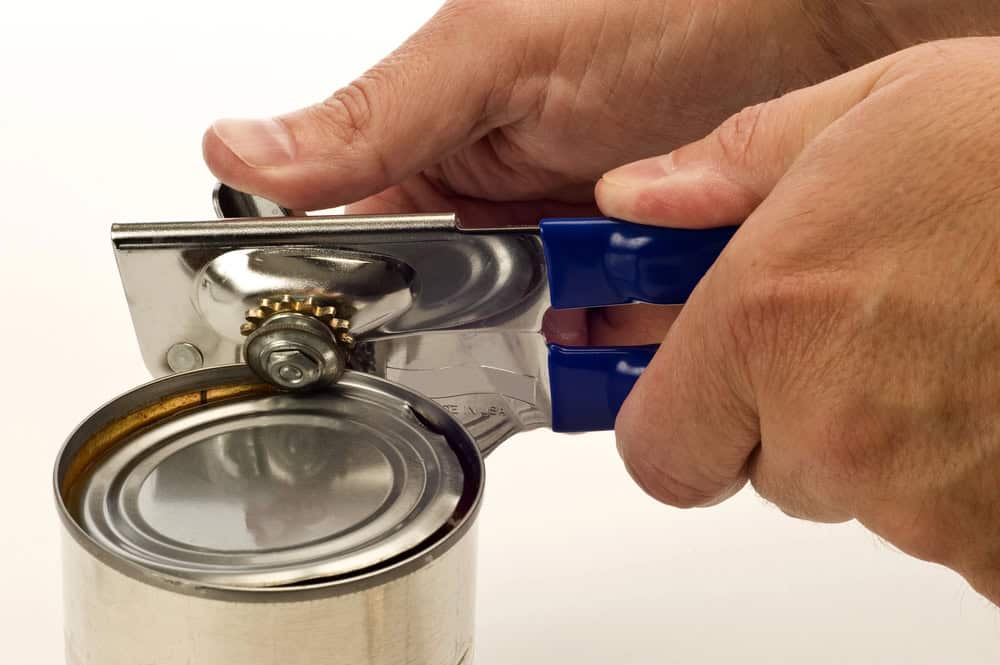
Opening a tin of beans is a task so mundane that we rarely think about the tool itself. The metal gears get coated in sticky food residue and cross-contaminate every new can you open. A dirty blade can easily introduce rust and deadly botulism spores directly into your family meals.
Throwing the opener back into the drawer without a proper wash is a terribly common mistake. You need to scrub the cutting wheel with an old toothbrush to remove all that hidden grime. Running your can opener through the dishwasher periodically keeps the gears spinning smoothly and safely.
Refrigerator Produce Drawers
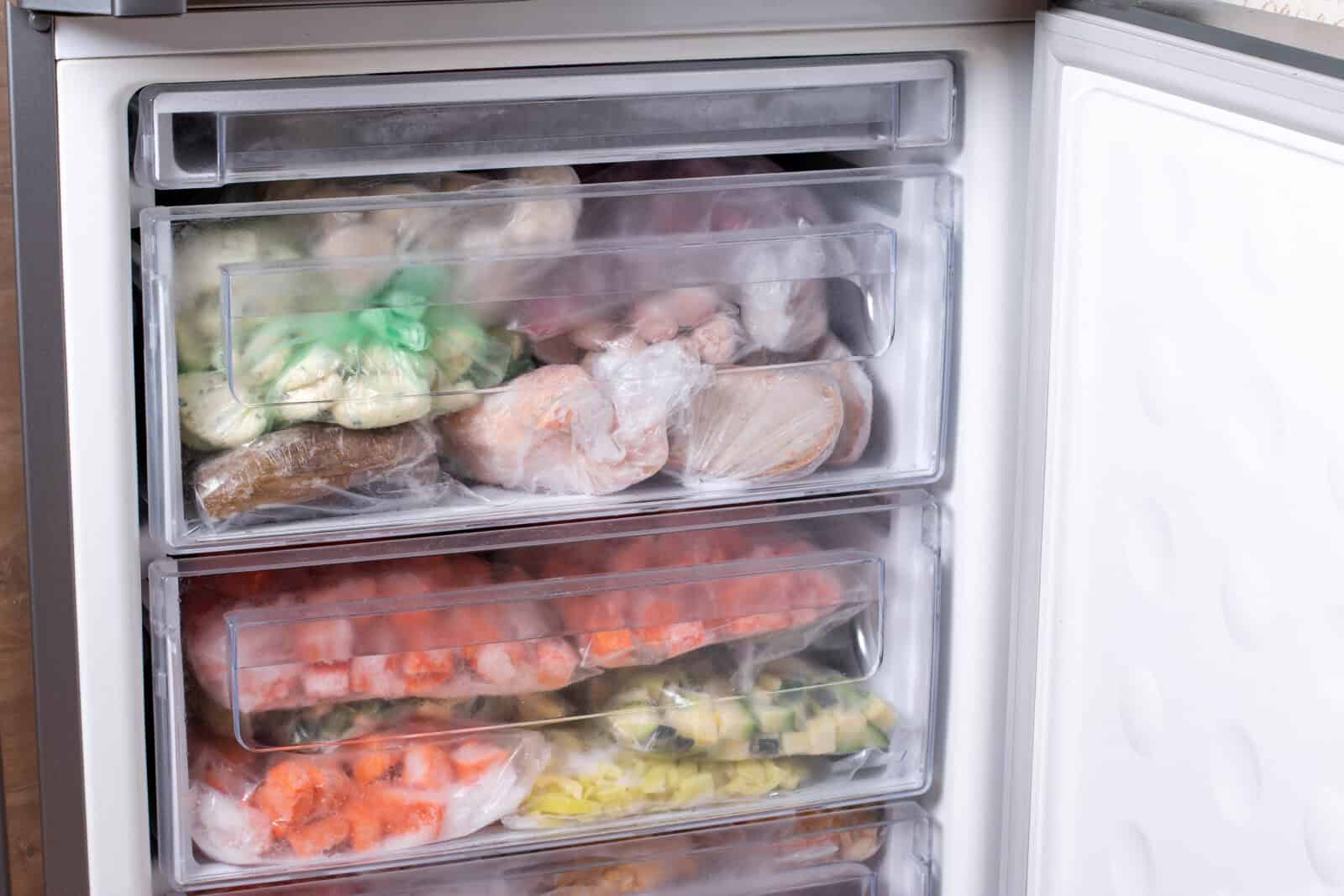
The crisper bin is supposed to keep your expensive farmers’ market vegetables fresh and crunchy for days. Rotting leaves and leaky fruit juices settle at the bottom to create a foul bacterial soup. A refrigerator’s produce drawers contain an average of 7,850 bacteria colony-forming units per square centimeter.
We tend to just throw new groceries right on top of the lingering mess from last week. Emptying the bins and washing them with mild soap takes the gross factor out of your fridge. Lining the bottom of the drawer with paper towels makes your weekly cleanup routine incredibly fast and painless.
Coffee Maker Reservoirs

Starting the morning without a hot cup of java is an absolute dealbreaker for most busy adults. The dark and humid water tank sitting in your kitchen is a prime vacation spot for nasty bacteria. Brewing your daily caffeine fix through a moldy machine can lead to mysterious allergic reactions and stomach cramps.
Running a cycle of plain water does not actually clean the internal tubing of your beloved coffee pot. You have to descale the system with equal parts white vinegar and water every single month. Flushing the machine properly guarantees a much better tasting brew that will not make you sick.
Cracked Wooden Spoons

Stirring a thick stew with a classic wooden spoon feels delightfully rustic and comforting on a chilly evening. However, wood expands and contracts with heat, causing tiny fractures to form along the handle and bowl. Those microscopic cracks hold onto old food particles and breed dangerous bacteria long after the washing is done.
Soaking these utensils in the sink for hours is the fastest way to ruin the wood and invite rot. A spoon with visible splinters or deep grooves belongs in the trash rather than your utensil crock. Rubbing your good wooden tools with food-safe mineral oil keeps them sealed and totally sanitary.
Reusable Grocery Bags
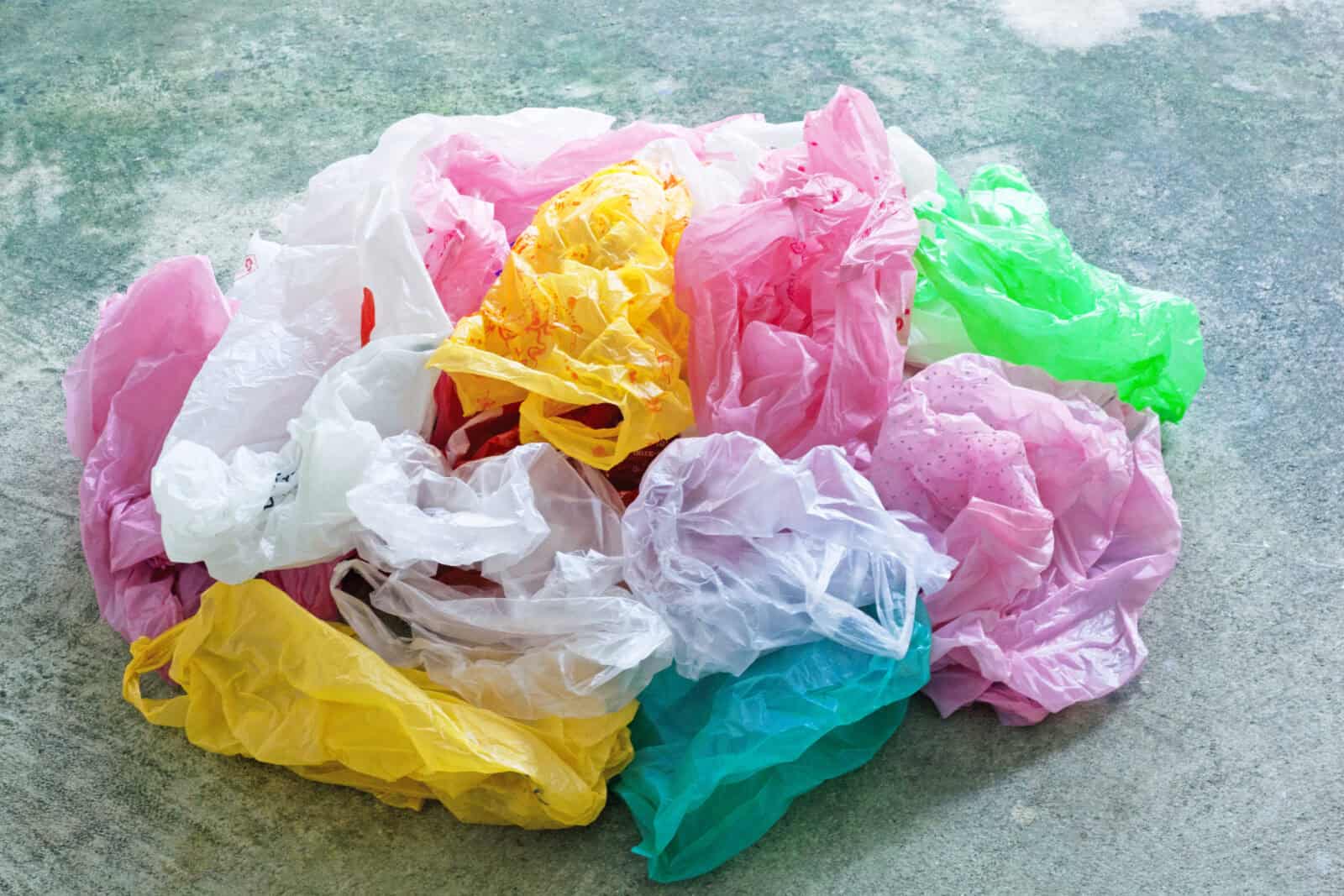
Bringing your own canvas totes to the supermarket is a wonderful habit for protecting our fragile environment. People often pack raw chicken right next to fresh apples without thinking about the horrible cross-contamination. A damp and unwashed grocery bag sitting in a warm car trunk multiplies dangerous bacteria at an alarming rate.
We unpack our groceries and casually toss the dirty bags back into the closet until the next shopping trip. You need to designate specific bags for raw meat and separate ones for your fresh produce. Throwing your cloth totes into the washing machine on a hot cycle kills off those invisible hitchhikers instantly.
More food tips:
- 11 popular foods oncologists refuse to keep in their kitchens
- 12 drinks women should avoid ordering on a flight
- 12 Pantry Staples That Might Be Expired—and Why You Should Check