13 Popular Food Myths That Refuse to Die (And the Truth Behind Them)
We grew up hearing wild warnings about gum sticking in our stomachs, turkey knocking everyone out on the couch, and celery somehow burning more calories than it carries. Some of those stories are cute. Others can quietly sabotage our health and our relationship with food.
Here, we unpack the biggest everyday food myths, what science actually says, and how we can eat smarter without fear.
Swallowed Gum Stays in Your Stomach for Seven Years
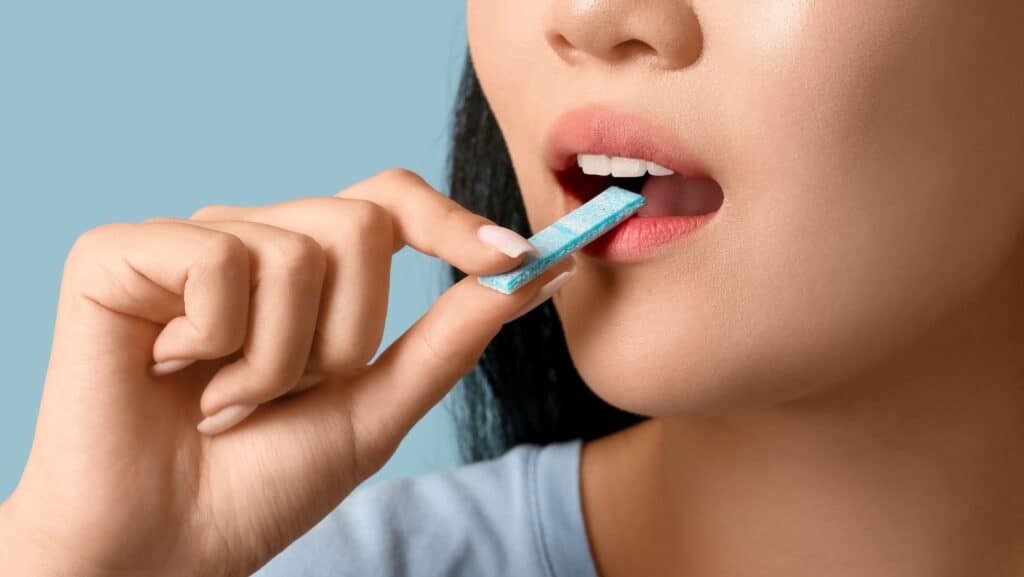
We all heard the playground warning: swallow gum, and it sits in your gut for seven years. It sounds terrifying, and it is completely false.
Chewing gum is made from a base that our bodies cannot break down easily, but that does not mean it camps out in the stomach. Doctors from Mayo Clinic and other major health systems explain that gum typically moves through the digestive tract and exits in a bowel movement in just a few days, along with other indigestible bits like vegetable fiber.
The only real risk comes from swallowing a lot of gum in a short time or combining it with other hard-to-pass objects, which in rare situations can contribute to a blockage, especially in children.
Bottom line: We should still teach kids to spit gum in the trash, but not because it haunts their stomach for seven years.
Turkey Makes You Sleepy Because of Tryptophan
The post-Thanksgiving nap has a convenient scapegoat: turkey. We have been told that tryptophan in turkey causes drowsiness. The chemistry story sounds sophisticated, yet the logic falls apart.
Tryptophan is an amino acid involved in producing serotonin and melatonin, both linked to sleep. Turkey does contain tryptophan, but so do chicken, beef, and many other protein-rich foods, often at similar or even higher levels.
The real culprits behind that couch-level crash are:
- A huge, carb-heavy meal that spikes insulin and helps more tryptophan slip into the brain
- Alcohol, which can drag down alertness
- A general “food coma” effect from eating far more than usual in one sitting
Bottom line: We do not need to side-eye turkey. The second plate of stuffing and pie is doing the heavy lifting here.
Celery and “Negative-Calorie Foods” Melt Fat Away
The idea of “negative-calorie foods” sounds magical: eat celery, burn more calories digesting it than it actually contains, and slim down doing basically nothing. Diet lore often lists celery, cucumber, and grapefruit in this fantasy category.
In reality, digestion does burn some calories, a process called the thermic effect of food. Yet studies and nutrition reviews show that no common food has a thermic effect high enough to cancel out all of its calories.
Celery is very low in calories and mostly water and fiber. That makes it a smart snack for volume and crunch. It just does not create a calorie black hole. A stalk of celery might cost the body about half a calorie to digest, not more than the five or so calories it provides.
Bottom line: We can enjoy crunchy vegetables as part of a calorie-conscious diet, but fat loss still comes from an overall calorie deficit, not a single “magic” food.
Raw Cookie Dough Will Absolutely Kill You
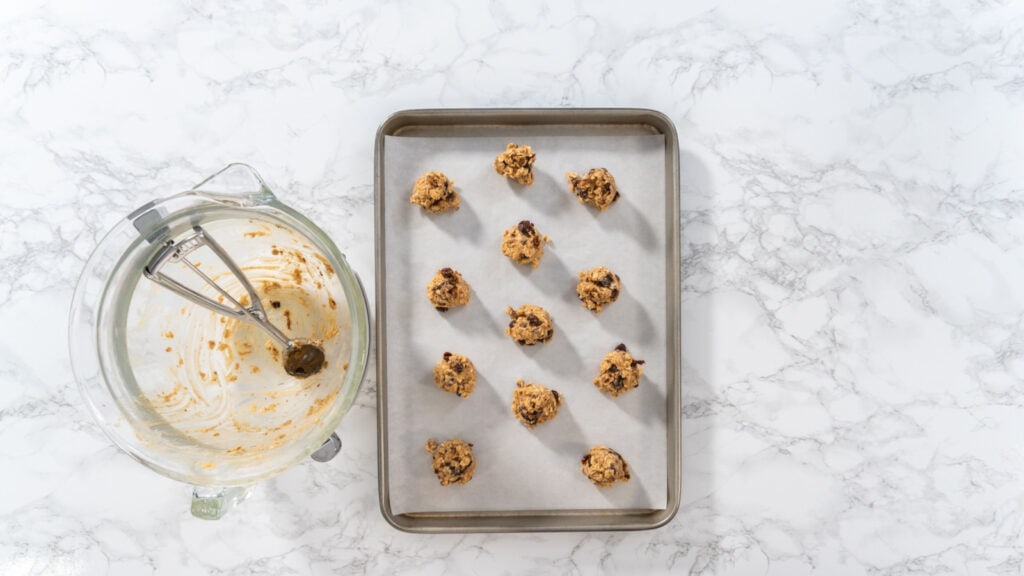
Most of us have sneaked a spoonful of raw cookie dough and lived to tell the story. That has led to another myth on the opposite side: that the danger is wildly exaggerated.
The truth sits in the middle. Raw cookie dough is risky because of two raw ingredients:
- Raw eggs can carry Salmonella
- Raw flour can carry Salmonella and E. coli, since flour is usually not heat-treated before packaging
The Centers for Disease Control and Prevention (CDC) recently linked a multi-state Salmonella outbreak to raw cookie dough. Dozens got sick and several people were hospitalized, though no deaths occurred.
So no, a lick of batter is not an automatic death sentence. Still, the risk is real enough that food safety agencies repeatedly advise against eating dough that contains raw flour or unpasteurized eggs.
Smart workaround: Buy or make dough that uses heat-treated flour and no raw egg, specifically labeled as safe to eat raw.
Washing Raw Chicken Makes It Safer
Many home cooks still rinse raw chicken in the sink because a parent, grandparent, or even an old-school cookbook said it removes slime and germs. Food safety science strongly advises against this.
Studies from the United States Department of Agriculture (USDA) show that when people wash raw poultry, water droplets carrying bacteria like Salmonella and Campylobacter spread around the sink, counters, and nearby foods. In one study, 60% of participants who washed raw chicken contaminated their sink, and over a quarter contaminated their salad afterward.
Rinsing does not remove all bacteria anyway. Proper cooking to an internal temperature of 165°F (74°C) is what actually kills pathogens.
Bottom line: We should skip the rinse, pat the chicken dry with paper towels if needed, cook it thoroughly, and wash our hands and surfaces with hot, soapy water.
Chocolate Causes Acne Breakouts

Chocolate has long been treated as a skin villain: eat a bar today, see pimples tomorrow. Dermatologists and nutrition researchers paint a more nuanced picture.
Acne is driven by hormones, genetics, oil production, bacteria, and inflammation in hair follicles. Food can influence those pathways, especially diets high in sugar and ultra-processed carbs, but research on chocolate itself is mixed.
Recent guidance from dermatology experts suggests:
- Pure dark chocolate in moderate amounts probably does not trigger acne for most people
- Diets high in added sugar, sugary drinks, and junk food can worsen breakouts in acne-prone individuals
- Some people notice personal sensitivity to certain foods, and that pattern matters too
Bottom line: We do not need to cut chocolate out of our lives just for our skin. It makes more sense to focus on overall diet quality, skincare, and medical treatment if acne is severe.
Brown Eggs Are Healthier Than White Eggs
Supermarkets often charge more for brown eggs, and marketing quietly nudges us to believe “brown equals natural equals healthier.” Science disagrees.
The color of an eggshell is determined by the breed of the hen, not the nutrition inside the egg. Large reviews and official guidance from nutrition authorities confirm that brown and white eggs have nearly identical nutrient profiles; any small differences come from the hen’s diet and living conditions, not shell color.
Brown eggs often cost more because the hens that lay them are larger and eat more feed, which raises production costs. That price tag does not automatically buy extra vitamins.
Smart move: If we care about nutrition, we should look for labels like “omega-3 enriched,” “pasture-raised,” or “organic,” check freshness, and think about the producer’s farming practices. Shell color can sit at the bottom of the priority list.
Frozen Vegetables Are Nutritionally Inferior to Fresh
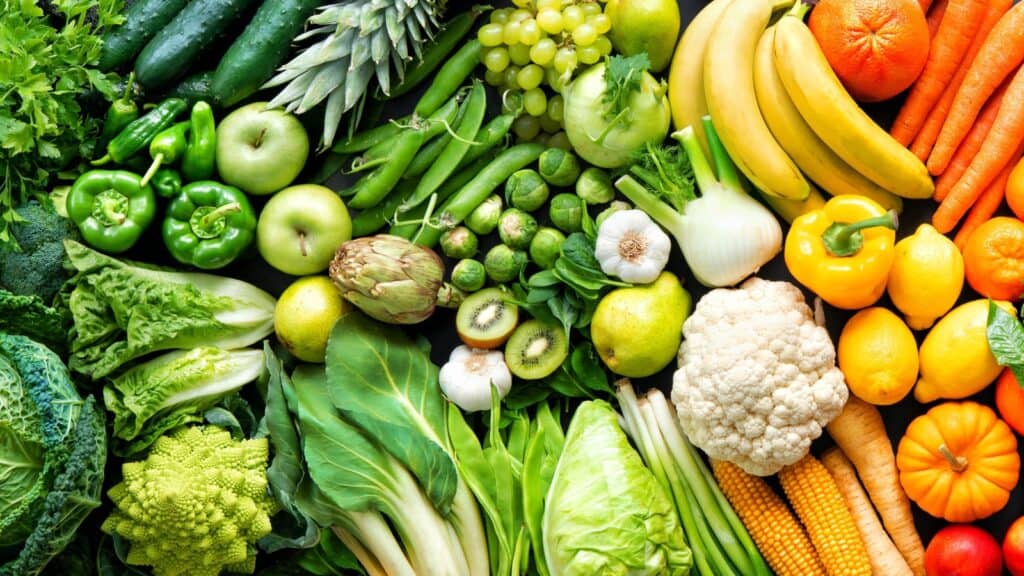
There is a powerful image of frozen vegetables as a “compromise” for people too busy or lazy to cook “properly.” That story does not match the data.
Multiple studies comparing fresh, fresh-stored, and frozen produce show that frozen vegetables often retain nutrients as well as fresh ones and sometimes even better. Fresh produce starts losing vitamin C and some B vitamins during transport and while it sits in the fridge. Frozen produce, on the other hand, is typically picked at peak ripeness and frozen quickly, which locks in many nutrients.
Frozen options also cut food waste and make it easier to keep vegetables on hand. That matters for real-world diets far more than a tiny difference in vitamin content on paper.
Bottom line: We can mix fresh and frozen freely. A frozen bag of broccoli is still a serious win for our health.
Microwaves “Destroy” Nutrients and Make Food Unsafe
Microwaves have been the target of fear for decades—radiation scares, rumors about “dead food,” and claims that microwaving strips meals of all nutrition.
Health organizations and nutrition researchers give a very different verdict. Because microwaves cook food quickly and usually with minimal water, they often preserve more water-soluble vitamins (like vitamin C and some Bs) than methods such as boiling.
The key points:
- Microwaves use non-ionizing radiation, which does not damage DNA in the way ionizing radiation (like X-rays) does
- Nutrient loss depends more on temperature and cooking time than on the appliance itself.
- Overcooking can reduce vitamins in any method: microwave, oven, or stovetop.
Bottom line: Used correctly, microwaves are safe, efficient, and surprisingly friendly to nutrients.
How We Can Use These Myth-Busting Facts in Daily Life
Food myths stick because they offer easy rules and dramatic stories. Science usually offers something less flashy but far more useful: context, nuance, and habits that actually protect our health.
Three simple habits help us cut through the noise:
- Ask, “Who says so?”
We can treat viral posts and family sayings as starting points, then check trusted sources like major hospitals, government food-safety agencies, and peer-reviewed research. - Watch the extremes.
Claims that a single food “detoxes,” “melts fat,” or “destroys your body” almost always oversell. - Focus on patterns, not single bites.
What we eat most days of the week matters much more than one holiday meal, one dessert, or one snack.
Once we let go of fear-based myths, we can enjoy food again, protect ourselves from real risks, and build a way of eating that feels sane, sustainable, and satisfying.
Disclosure: This article was developed with the assistance of AI and was subsequently reviewed, revised, and approved by our editorial team.
Like our content? Be sure to follow us.