She was stopped at the gate over a breast pump: 12 questions this incident raises about airline policies
In a viral TikTok, a traveler describes being challenged at the gate over whether her breast pump qualified as a medical device. The account, posted by a user identified as amarx76, cannot be independently verified, but it highlights a recurring point of friction in air travel: the gap between written rules and real-world enforcement.
On paper, guidance from authorities such as the Transportation Security Administration makes it clear that medically necessary items are permitted through security. But once a passenger moves from screening to boarding, a different layer of rules and interpretation takes over.
The result is a system where definitions blur, authority shifts, and frontline discretion can override expectations. The incident raises a broader question: if the policies exist, why do they still break down at the gate?
What exactly counts as a medical device in air travel policies?
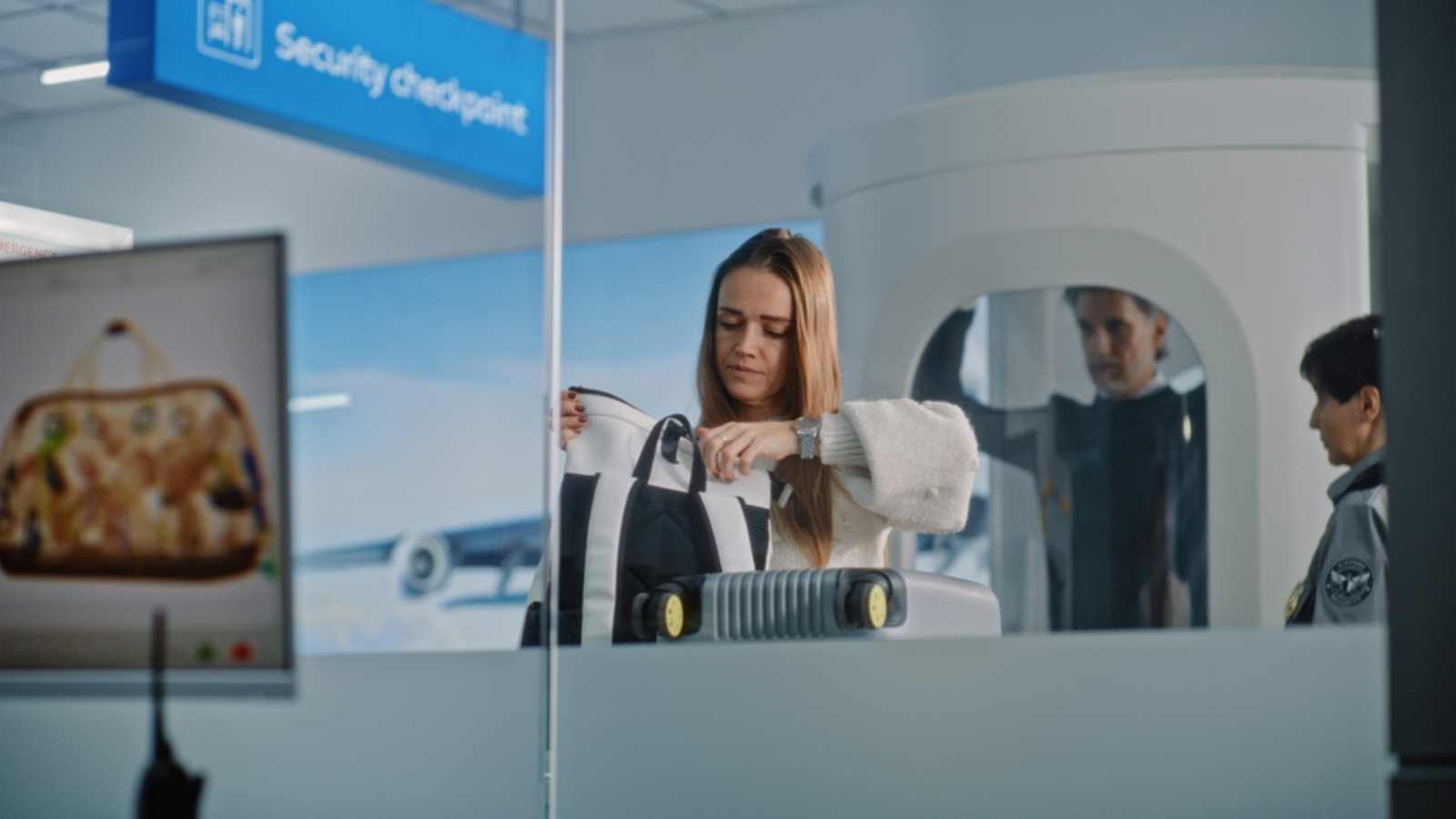
The definition of a medical device is less a medical fact and more a matter of regulatory negotiation. Most major carriers technically align with the Food and Drug Administration (FDA) classification, which defines a medical device as an instrument or apparatus intended for use in the diagnosis, cure, or prevention of disease.
However, the Federal Aviation Administration (FAA) offers a more functional lens. While a pacemaker is obviously medical, a breast pump often falls into a secondary category of medically necessary equipment. TSA (U.S. Transportation Security Administration): Their official guidelines confirm that breast pumps are considered medical devices and breast milk is a medically necessary liquid. This means they are exempt from the 3-1-1 liquids rule and may be carried on even if the baby is not present.
This linguistic gap creates a loophole that allows a gate agent to argue that, since it isn’t “treating an illness,” it doesn’t count as bypassing luggage. It is a dangerous semantic game: if the device isn’t on the airline’s specific manual’s holy list, it suddenly becomes just another bag.
Who defines that classification: the airline, security authorities, or the traveler’s doctor?
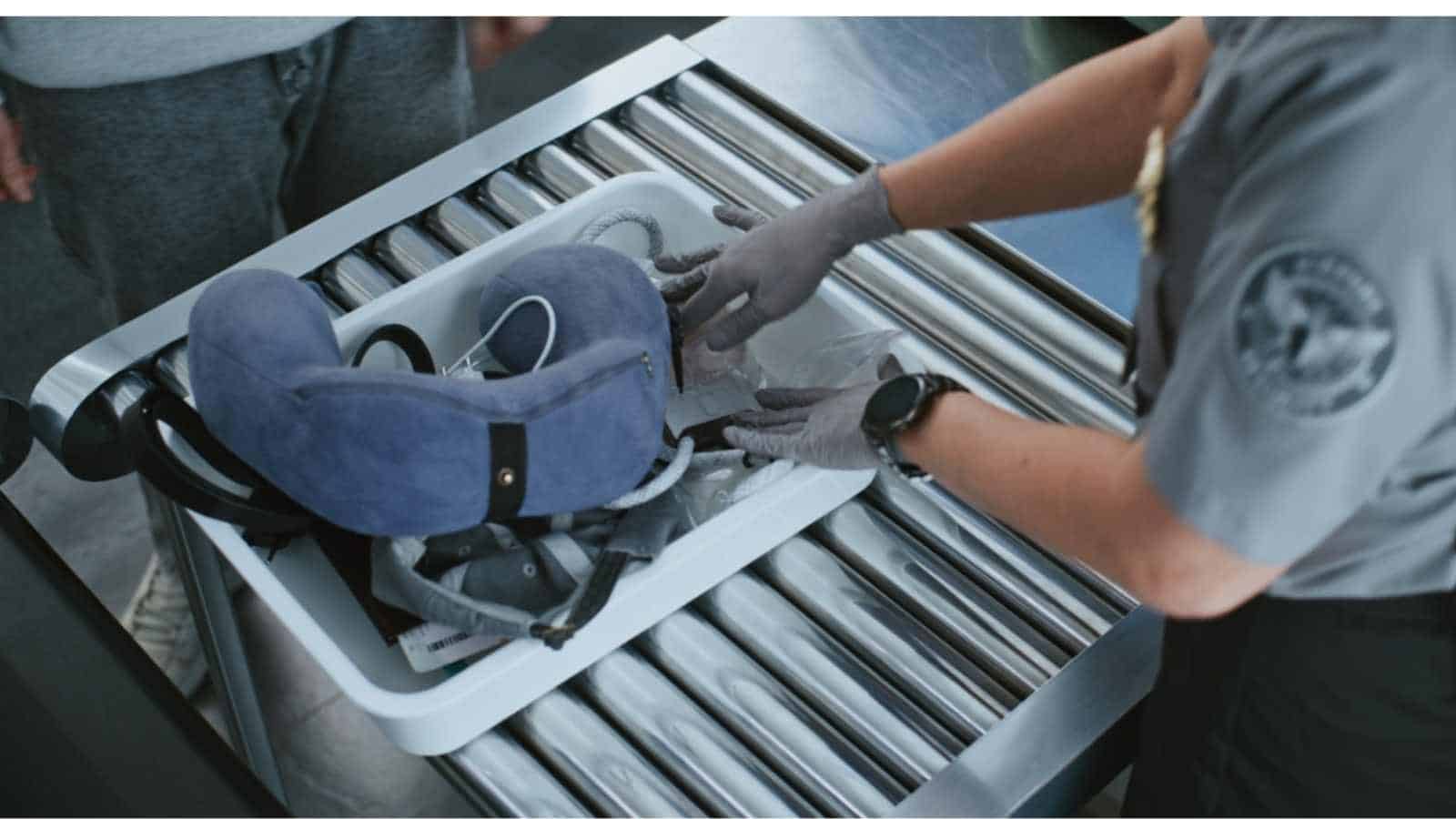
Control over this definition is a messy hierarchy where the traveler usually has the least power. Security authorities, such as the TSA in the United States, are surprisingly clear: their official guidelines state that breast pumps are medical devices and can be carried through security regardless of whether the child is present. But once you leave the security checkpoint and reach the gate, the airline’s private Contract of Carriage takes over.
The World Breastfeeding Trends Initiative reports provide data-driven insights into how national and corporate policies fail to support nursing mothers in public and transit spaces. Essentially, your doctor’s note says you need it; the TSA says it’s safe, but the airline agent decides whether it fits.
An employee with six weeks of training can effectively nullify a medical professional’s recommendation. Sometimes this hierarchy is necessary to prevent people from claiming every item is medical to avoid fees, but when it targets essential health tools, the logic fails.
Are medically necessary items exempt from standard carry-on limits across all airlines?
While industry audits show that nearly every major carrier (approx. 90%+) has ironclad protocols for traditional mobility aids, a significant portion of international carrier manuals still lack explicit, standardized language for nursing equipment, leaving roughly one-third of travelers in a policy gray zone at the gate.
In this case, the demand to consolidate stems from a strictly enforced two-bag limit that fails to account for the realities of postpartum health.
Interestingly, making every medical item exempt creates a slippery slope that could lead to cabin overcrowding and safety hazards. However, the Department of Transportation has historically leaned toward the passenger, yet they don’t mandate a universal list.
This means a traveler might fly one leg of a trip without issue and be harassed on the return flight by a different crew under the same airline banner.
Where is the line between legitimate verification and invasive questioning?

When a gate agent asks, “Prove it,” they are crossing from safety enforcement into a violation of personal privacy that borders on a HIPAA-adjacent overreach. Legal scholar Anita Allen, in her work on privacy law, argues that the expectation of privacy does not vanish in a public airport.
While airlines have a right to ensure a bag isn’t a bomb, they do not have a right to diagnose a passenger. In the TikTok incident, the agent’s disbelief that the passenger “looked like” she needed a device is a hallmark of subjective policing.
Verification should be limited to the item itself, visual inspection, or X-ray, not to the user’s needs. CPAP machines are universally recognized as medical devices because they are associated with a chronic condition (Sleep Apnea) that traditionally skewed male in clinical data. Breast pumps, however, are associated with a temporary biological function (lactation), which many untrained agents fail to categorize as a medical necessity.
What constitutes acceptable proof of a medical need at the gate?
The reality is that there is no gold standard for proof, which is exactly why these confrontations happen. Is a prescription enough? Some gate agents will reject a digital copy and demand a physical one. Is showing the device enough? As seen in the Amarx76 case, the agent examined the pump and simply said, “That’s not how it works around here.”
The proof is often whatever the agent decides it is in that specific minute. Airlines cannot generally require a medical certificate for most conditions, yet for devices, the rules remain murky. Most airline ground staff training is outsourced to third-party companies (such as Swissport or Menzies). These contractors use high-speed, generalist modules.
Without a visual guide, an agent is essentially playing a guessing game. Some travelers now resort to carrying a printed copy of the airline’s own policy, but even that is often met with hostility, as it challenges the agent’s immediate authority.
How much discretion do frontline agents actually have in interpreting these rules?

Frontline agents possess an alarming amount of de facto power. While they are technically bound by the company manual, the speed of boarding, often 150 people in 20 minutes, means their split-second decisions are rarely reviewed in real-time. This discretion is often defended by airline management as a tool for efficient boarding, but it frequently manifests as petty tyranny.
Industry labor reports from groups like the International Federation of Air Line Pilots’ Associations and ground-handling unions often highlight “task saturation.” When a gate agent is forced to turn a plane around in 30 minutes, the Special Assistance section of a 400-page manual is the first thing sacrificed. This lack of mastery over the fine print means they fall back on the simplest rule: “Everyone gets two bags; no exceptions.”
When an agent tells a passenger they “don’t look” like they need a device, they aren’t exercising discretion; they are relying on intuition, which is a disastrous way to manage medical policy. The friction here is about a system that empowers the least-informed person to make the final call on a passenger’s health needs.
What training do gate agents receive on identifying and handling medical exceptions?

Training is often the Achilles’ heel of the aviation industry. Most gate agents receive intensive training on the software used to scan tickets and the mechanics of upselling seats, but sensitivity and medical compliance are often relegated to a 30-minute e-learning module.
The training for irregular items focuses mainly on dangerous goods (lithium batteries) and, to a lesser extent, on medical exemptions. This explains the confusion seen in the TikTok video; the agent likely recognized the object as “not a normal bag” but lacked the specific training to categorize it as a medical necessity.
The irony is that while airlines spend millions to brand themselves as customer-centric, they fail to invest in basic education to prevent such high-profile PR disasters. A well-trained agent wouldn’t ask a passenger to prove a pump; they would recognize the device and facilitate its transport in accordance with federal guidelines.
What happens when a traveler’s prior experiences contradict what they’re told at the gate?
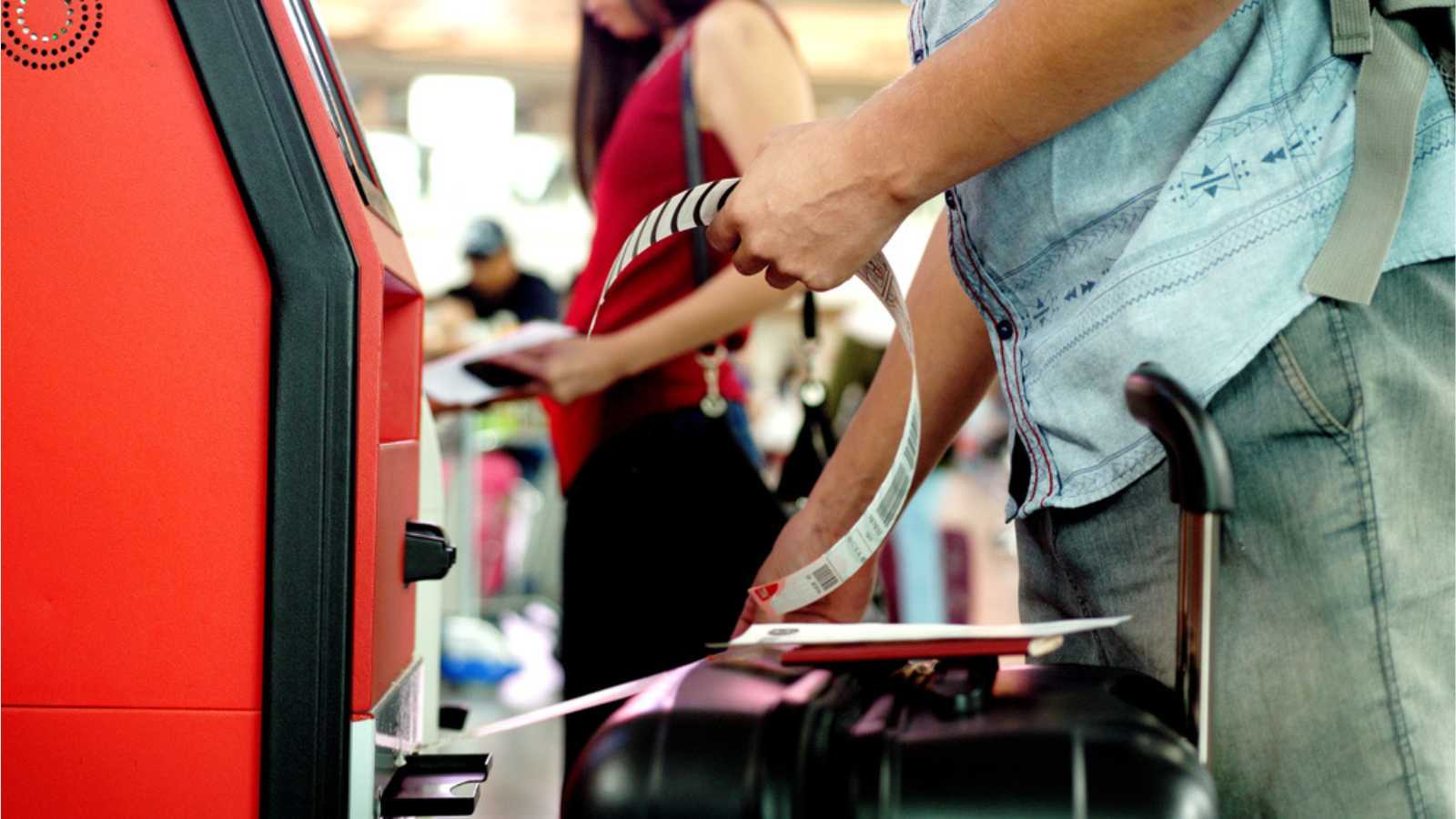
“But I did this yesterday” is a common refrain that carries no weight at the gate. This “inconsistency trap” is a major source of traveler anxiety. Frequent flyers rely on a concept called “predictable enforcement.” When an airline fails to do so, it shatters the customer’s trust.
The traveler mentions, “I do this all the time… I’ve never been questioned.” This suggests that 99% of the time, the system works because agents use common sense. The 1% failure rate, however, is where the trauma occurs.
A contrarian argument from the airline perspective might be that past leniency doesn’t excuse future violations, but when the violation is a medical necessity, that defense falls apart.
Additionally, while the rate of mishandled wheelchairs and scooters has improved slightly (to approx. 1.26% in 2024), the volume of general disability complaints remains high. This lack of predictable enforcement is the invisible thread connecting the thousands of complaints filed each year.
When does enforcement cross into bias, especially when based on appearance?

The statement “You don’t look like you need one” is the smoking gun of implicit bias. It assumes that medical need has a specific look: likely someone elderly or visibly frail.
Gate agents often act as amateur doctors, performing visual triage. In this incident, the passenger’s age, clothing, or general health appeared too fit for a medical device in the agent’s eyes. This is not just a policy error; it’s a civil rights issue. If an agent’s enforcement is triggered by a passenger’s appearance, the airline is no longer following safety protocols; they are profiling.
A 2024 national survey by Aeroflow Breastpumps found that the number of women who feel a stigma attached to pumping has actually increased, rising from 60% in 2018 to 82% in 2024. This bias turns a routine boarding process into a humiliating interrogation.
How are disputes like this supposed to be resolved in the moment?
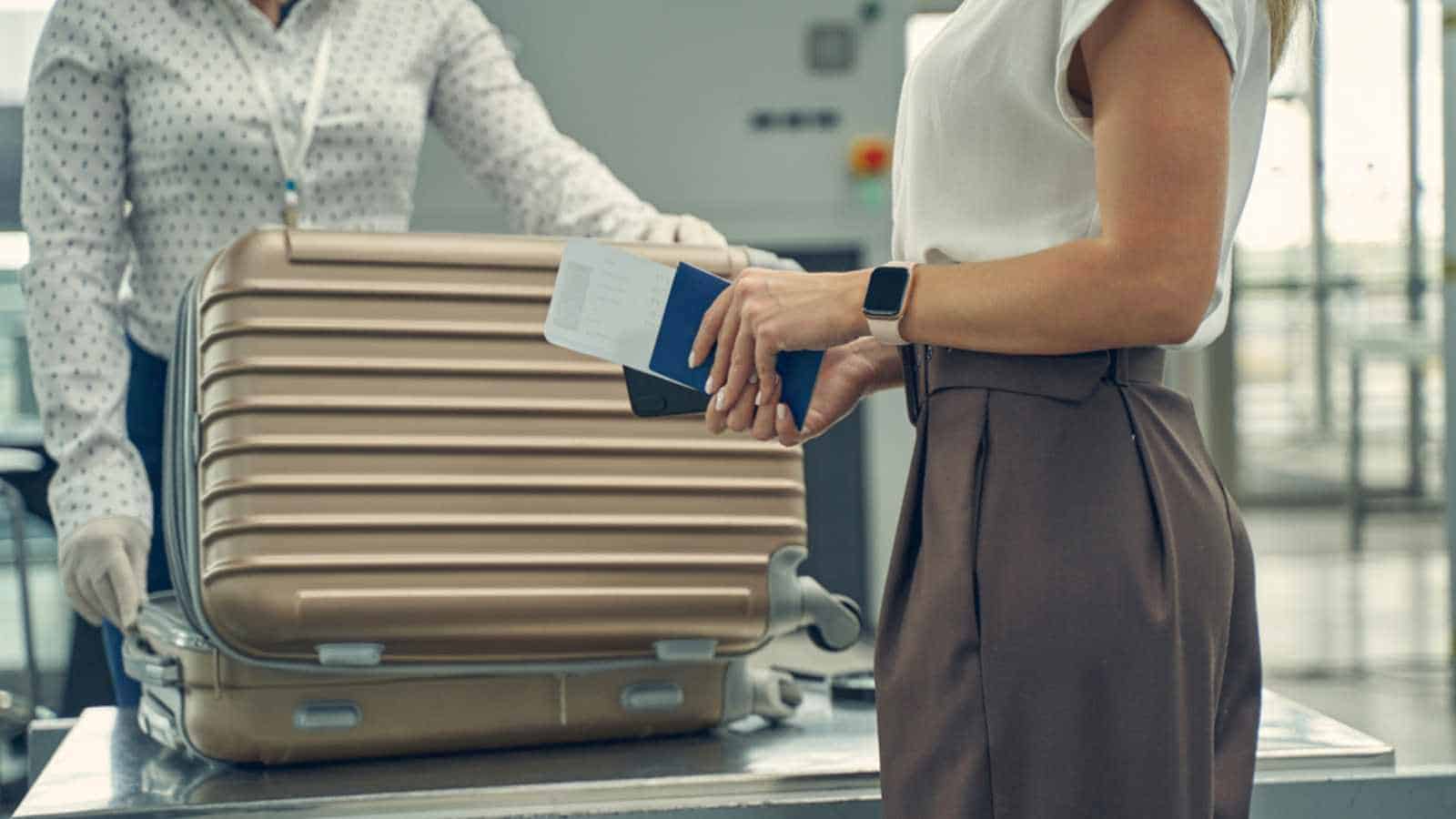
In theory, every gate has a Complaint Resolution Official or a supervisor. In practice, the pressure to push the plane means these officials are often unavailable or will simply back their employee to avoid a delay. The passenger is stuck with a compliance-or-stay ultimatum.
If you argue too much, you’re flagged as a disruptive passenger and might be banned. If you comply, you lose your rights and potentially damage your medical equipment. This incident shows the passenger eventually complying (“whatever, I’ll comply”) just to get home, which is the outcome most airlines bank on.
Once an agent categorizes a medical device as a standard bag, the traveler’s only options are compliance or being denied boarding. The power imbalance is total; the plane is leaving, and the passenger has the most to lose.
What recourse do travelers have after an incident like this?

After-the-fact recourse is often a hollow exercise in filing digital forms. Once the flight is over, the airline’s Customer Relations team typically responds with a generic apology and perhaps a $50 flight voucher. This does nothing to address the systemic issue. However, passengers can file a formal complaint with the DOT.
In October 2024, the US Department of Transportation announced a $50 million penalty against American Airlines. But for medical device disputes involving breast pumps, the legal path is narrower. Unless the passenger can prove a violation of the ACAA, the airline can claim it was a safety-based luggage dispute. This is why transparency is so vital.
Without travelers like amarx76 filming and sharing these interactions, these incidents remain invisible data points in an airline’s internal log. Accountability requires public pressure, as the internal appeal process is designed to exhaust the passenger until they stop asking for justice.
If policies allow for this much ambiguity, is inconsistency inevitable?

The current system is not broken; it is functioning exactly as it was built: to prioritize the airline’s operational ease over the passenger’s specific needs. When rules are subject to agent discretion, inconsistency isn’t a bug; it’s a feature. It allows the airline to be flexible when it suits them and rigid when they need to save space.
To fix this, there must be a hard list: a federally mandated, non-negotiable list of medical items that every gate agent in the country must recognize. Until then, as long as the term medical device remains a term open to interpretation by a stressed employee in a crowded terminal, mothers will continue to be harassed over pumps.
Without federal intervention, these subjective encounters will increase as airlines continue to shrink cabin space and tighten luggage rules. The cherry on top of this systemic failure is that the burden of proof always falls on the person with the least power to provide it.
Key Takeaways
- A viral TikTok claim, while unverified, highlights a recurring friction point in air travel: the gap between written policy and real-world enforcement at the gate.
- Guidance from authorities like the Transportation Security Administration recognizes medically necessary items, but that clarity often weakens once airline-specific boarding rules take over.
- Ambiguity around what qualifies as a medical device versus a medically necessary item creates room for inconsistent interpretation by frontline staff.
- Gate agents operate with significant discretion under time pressure, meaning individual judgment can override both passenger expectations and prior experiences.
- The core issue is not a single incident, but a structural misalignment: when definitions, authority, and enforcement are not tightly aligned, inconsistency becomes predictable rather than exceptional.
Disclaimer – This list is solely the author’s opinion based on research and publicly available information. It is not intended to be professional advice.
Like our content? Be sure to follow us