12 U.S. history questions many Americans find challenging
American history can feel familiar until someone asks for a specific name, date, amendment, or sequence of events. Many people remember the broad story but struggle with the smaller details that explain how the country developed and how its government works. In the Annenberg Public Policy Center’s 2025 Civics Knowledge Survey, 70% of American adults could name all three branches of government, meaning nearly one in three could not identify all of them.
That knowledge gap shows up in public history quizzes, classroom assessments, and civics questions drawn from U.S. Citizenship and Immigration Services study materials. These 12 questions may look straightforward, but quiz responses and educational research suggest they continue to challenge many Americans.
Who Wrote the Declaration of Independence?
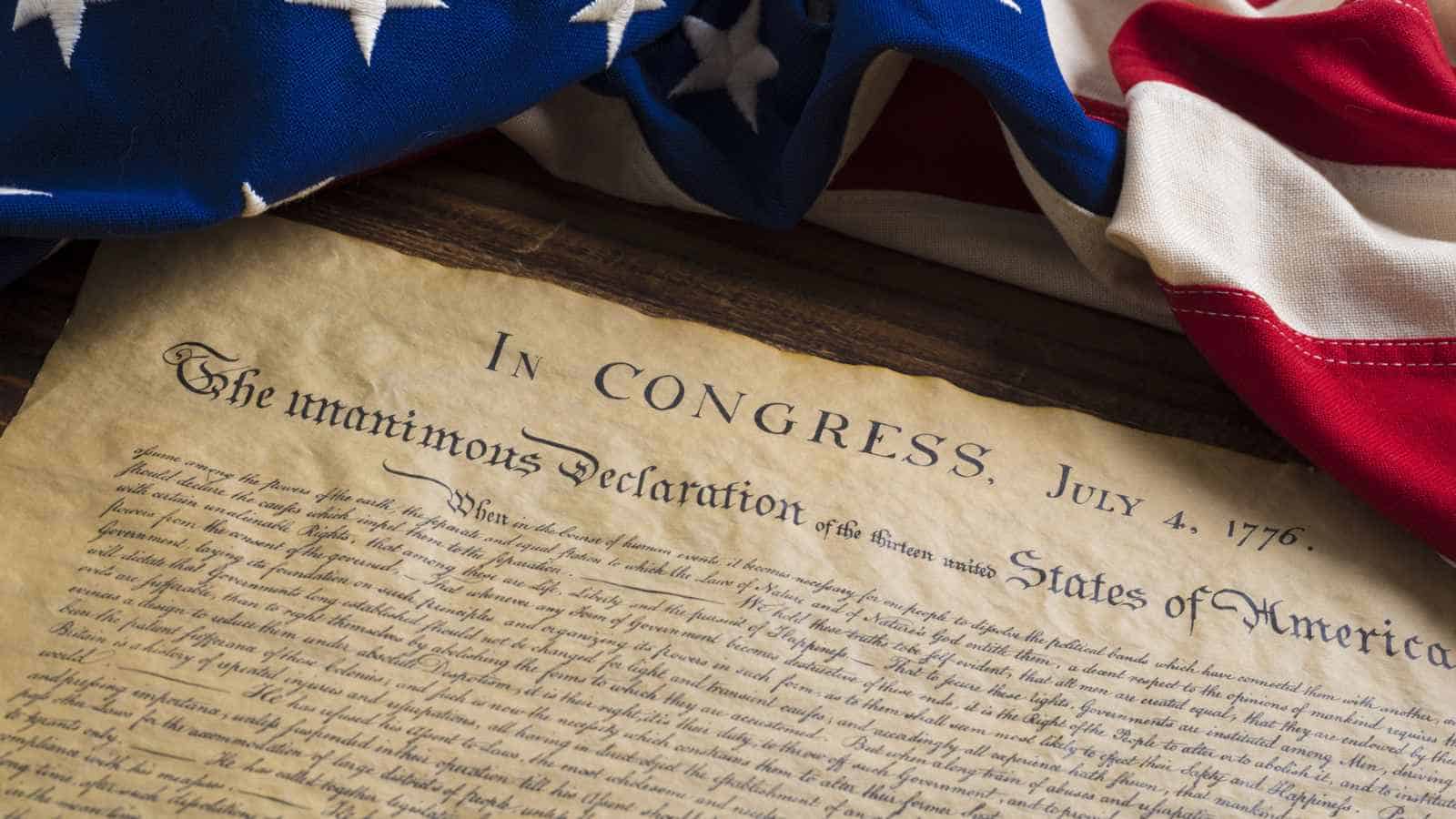
Thomas Jefferson wrote the original draft of the Declaration of Independence, though he was not working entirely alone. Benjamin Franklin, John Adams, Roger Sherman, and Robert Livingston served with Jefferson on the Committee of Five, and Congress later reviewed and revised the document before approving it.
Although Jefferson is most closely associated with the Declaration of Independence, the final document was the result of collaboration. Members of the Committee of Five offered suggestions, and the Continental Congress made additional edits before adopting the Declaration on July 4, 1776.
What Year Was the Declaration of Independence Adopted?
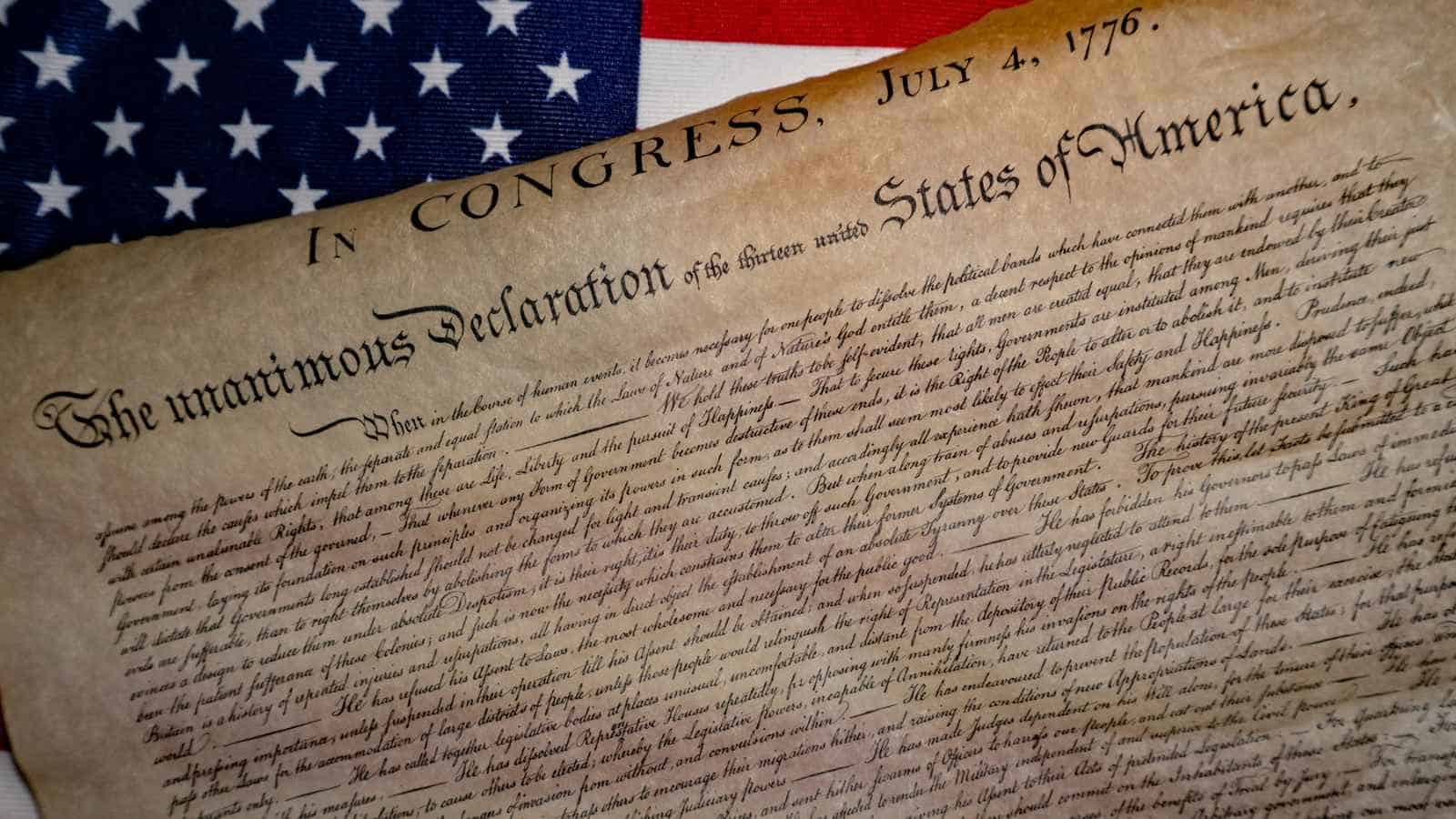
The Declaration of Independence was adopted in 1776, a date most Americans recognize even if they cannot always recall it immediately. The confusion often comes from trying to place the Declaration among several Revolutionary events that happened close together.
The Washington Post has included questions about 1776 in civics quizzes based on U.S. Citizenship and Immigration Services study materials. Educators also report that students sometimes mix up the Declaration’s adoption with the Revolutionary War’s beginning in 1775 or its formal conclusion in 1783.
Was the Declaration Signed on July 4?
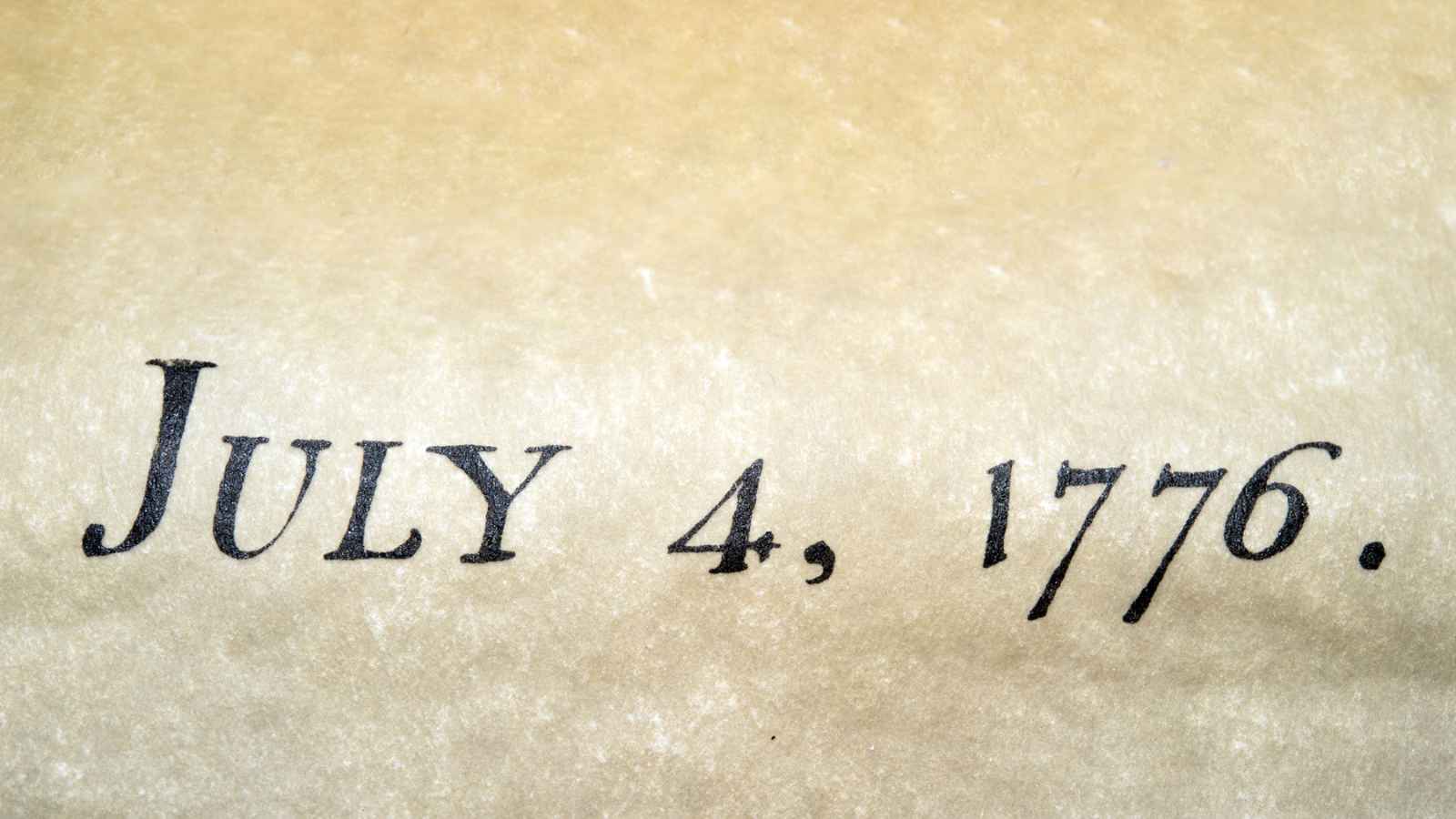
July 4, 1776, was the date the Continental Congress adopted the Declaration’s final wording. Most delegates, however, signed the formal parchment copy on August 2, 1776, nearly a month after the date Americans celebrate as Independence Day.
That difference makes the question a favorite on history and trivia websites. Quiz platforms often classify it as an intermediate question because many people naturally assume the document was approved, announced, and signed on July 4, leading them to miss the August 2 signing date.
Which War Was Fought to Gain Independence From Britain?
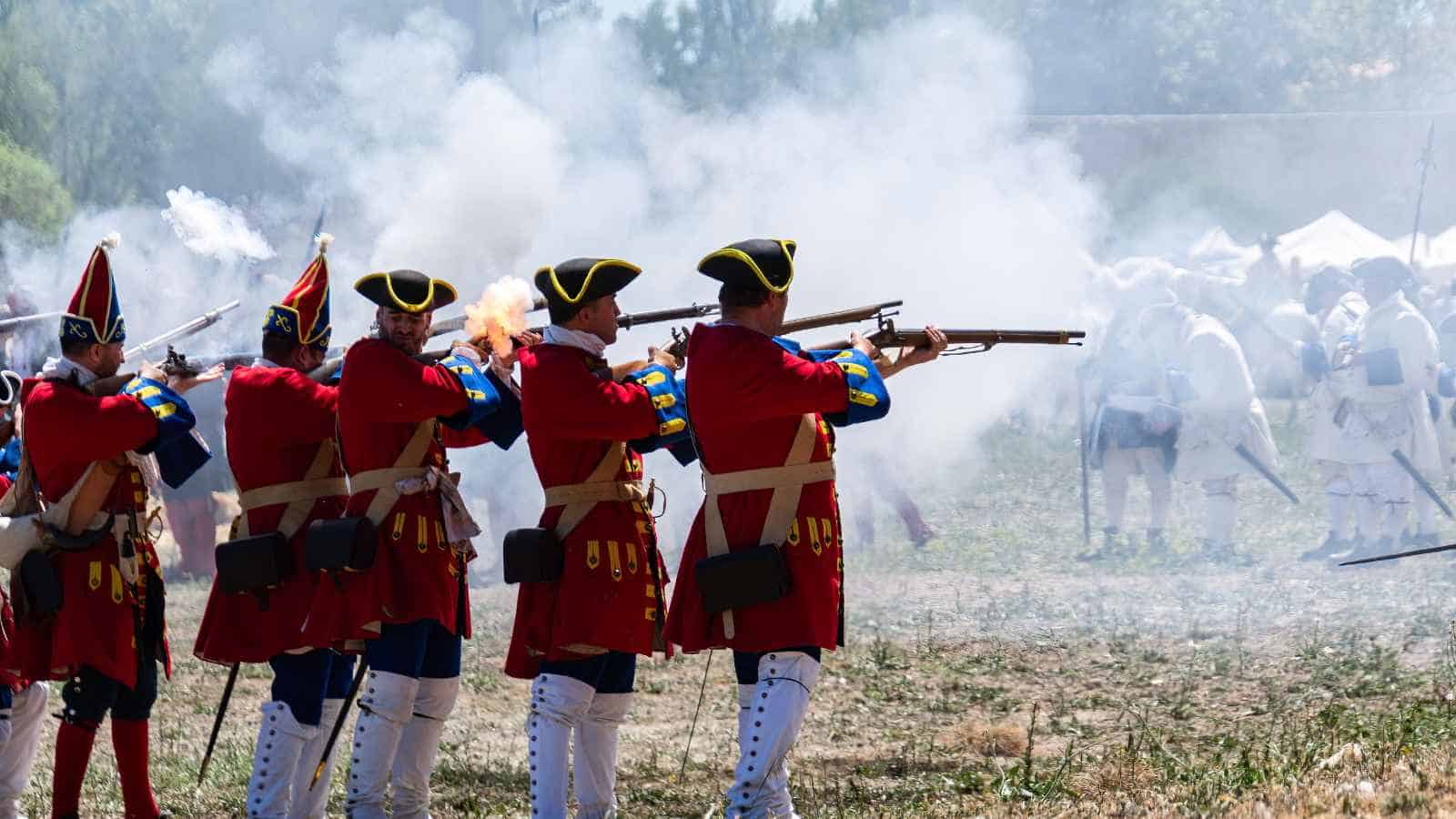
The American Revolutionary War, also called the War of Independence, was fought to free the 13 colonies from British rule. The conflict began in 1775 and officially ended in 1783 with the Treaty of Paris, which recognized the United States as an independent country.
Britain was also involved in the War of 1812, which may explain why the two conflicts become mixed together in people’s memories.
How Many Stripes Are on the American Flag?
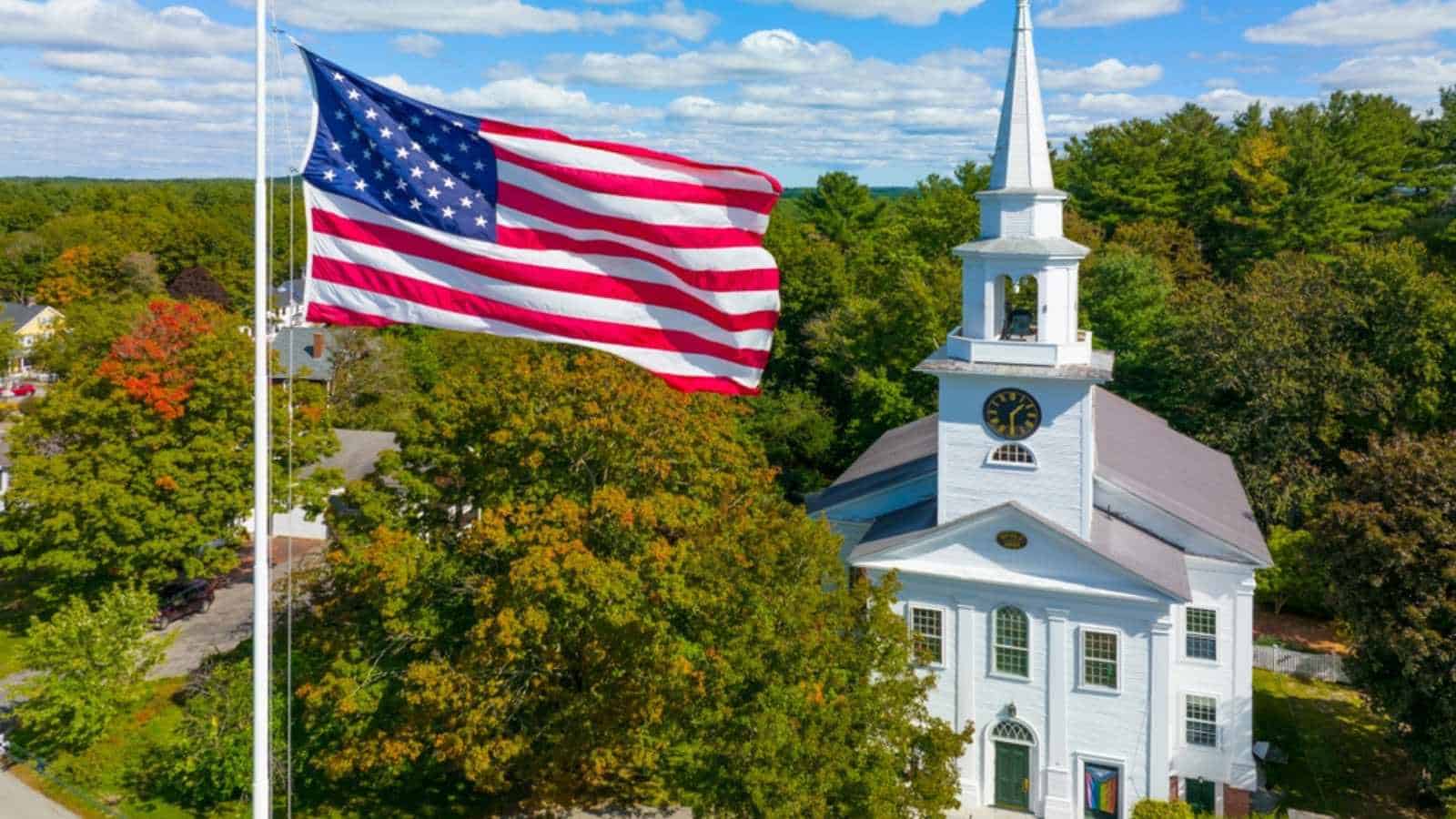
The American flag has 13 stripes representing the original 13 colonies. Its 50 stars stand for the current states, but people often mix up the two numbers or assume both symbols represent the modern United States.
JagranJosh begins one of its “U.S. history quizzes most people fail” with this question, presenting it as a deceptively simple test of national knowledge. The site notes that test takers sometimes choose 50 or 15 stripes, showing how easily people confuse the flag’s stars, stripes, and earlier historical designs.
What Is the Supreme Law of the Land?
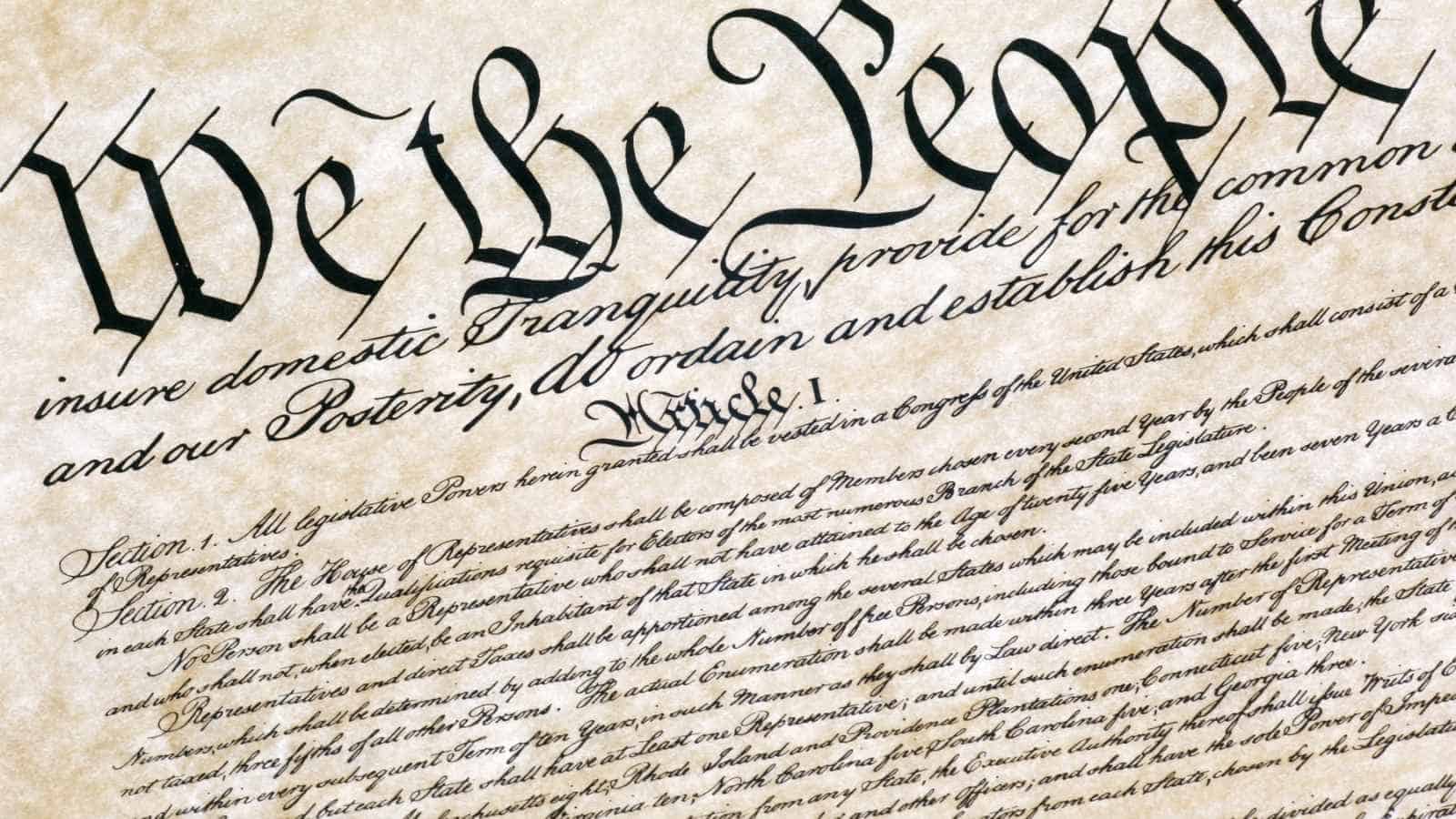
The Constitution is the supreme law of the United States. It creates the structure of the federal government, divides authority among its branches, and establishes legal limits that public officials and institutions must follow.
Every federal and state law must be consistent with the Constitution. If a law conflicts with it, the courts can declare that law unconstitutional. This principle ensures that the Constitution remains the highest legal authority in the United States.
Who Is Known as the Father of Our Country?
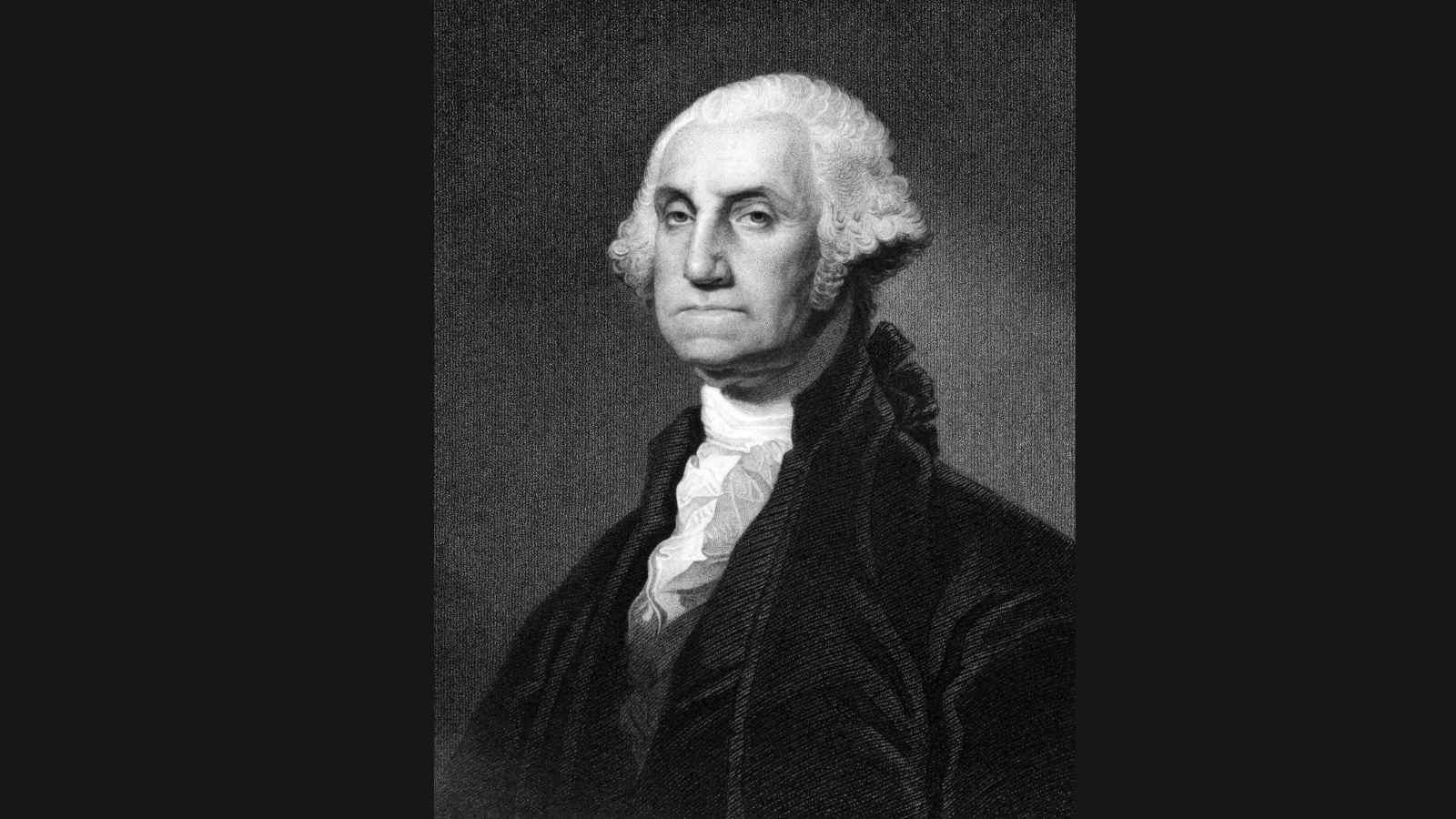
George Washington is traditionally called the “Father of Our Country.” He commanded the Continental Army during the Revolutionary War, helped guide the new nation through its early years, and became the first U.S. president in 1789.
The title reflects Washington’s role in the nation’s founding rather than an official designation. His leadership during the Revolutionary War, his role in the Constitutional Convention, and his example as the first president helped establish many of the traditions and institutions that shaped the new federal government.
Who Issued the Emancipation Proclamation, and What Did It Do?
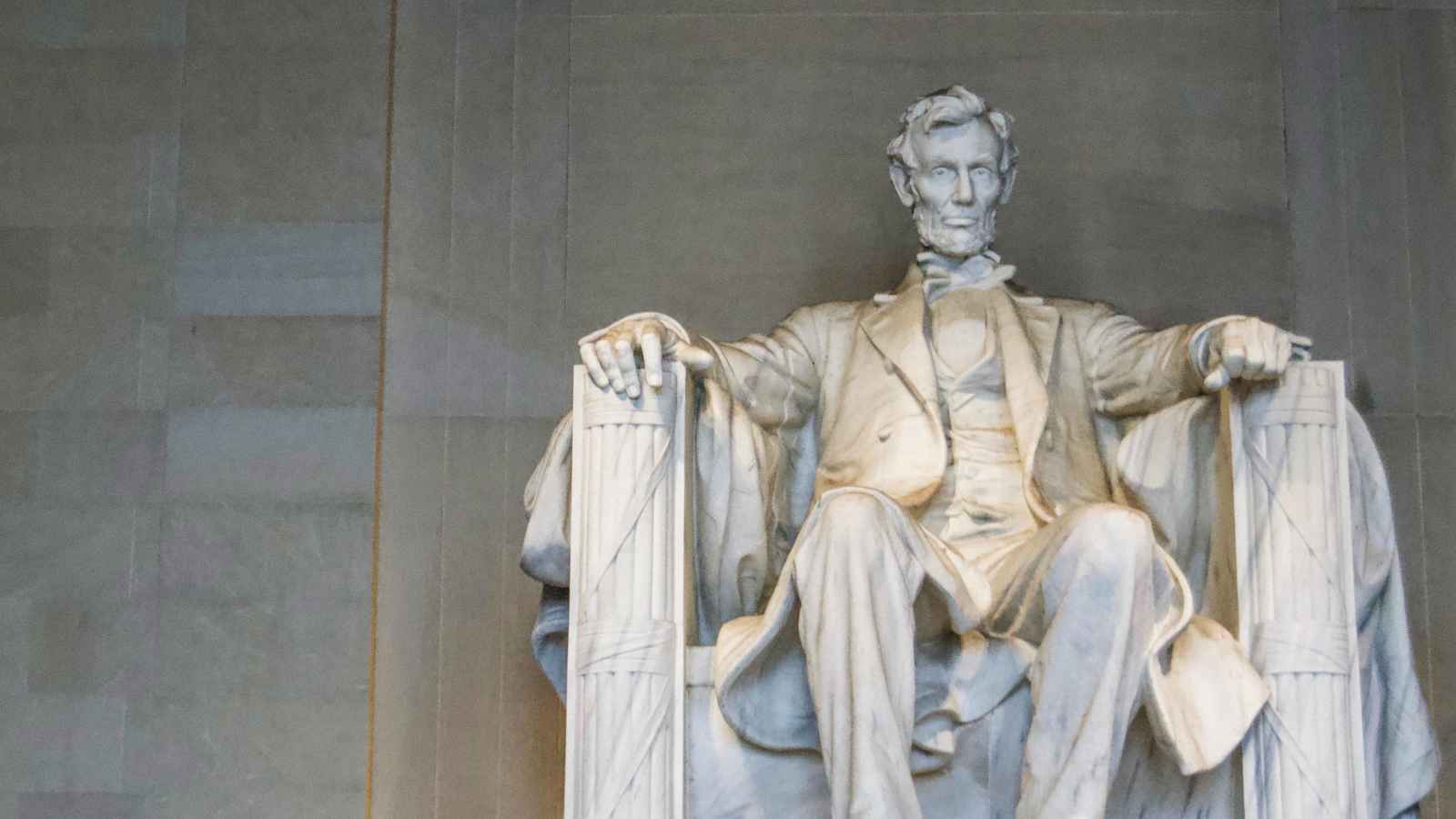
President Abraham Lincoln issued the Emancipation Proclamation during the Civil War. It declared enslaved people in areas controlled by the rebelling Confederate states to be free, but it did not immediately end slavery everywhere in the United States.
The Emancipation Proclamation is often mistaken for the measure that abolished slavery nationwide. Its primary purpose was to free enslaved people in Confederate-held territory and weaken the Confederacy during the war. Slavery was not formally abolished throughout the United States until the 13th Amendment was ratified in 1865.
Which Amendment Abolished Slavery?
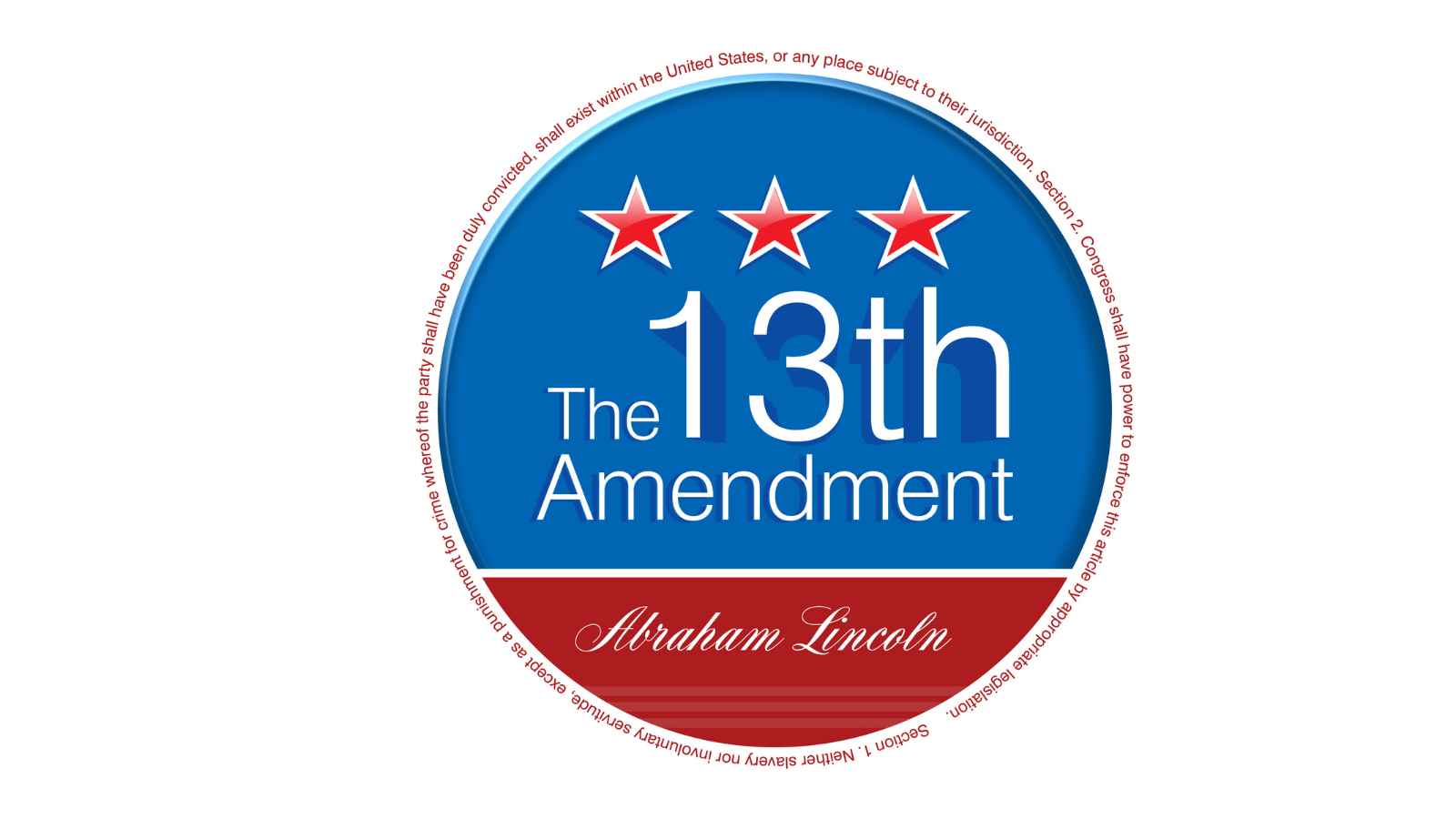
The 13th Amendment abolished slavery in the United States. Congress passed it in January 1865, and the amendment was ratified on December 6, 1865, several months after the Civil War ended.
The 13th Amendment is often confused with the 14th and 15th Amendments because all three were adopted during the Reconstruction era. The 14th Amendment established citizenship and guaranteed equal protection under the law. The 15th Amendment prohibited denying the right to vote based on race. Remembering the distinct purpose of each amendment makes it easier to tell them apart.
Who Was President During the Great Depression and World War II?
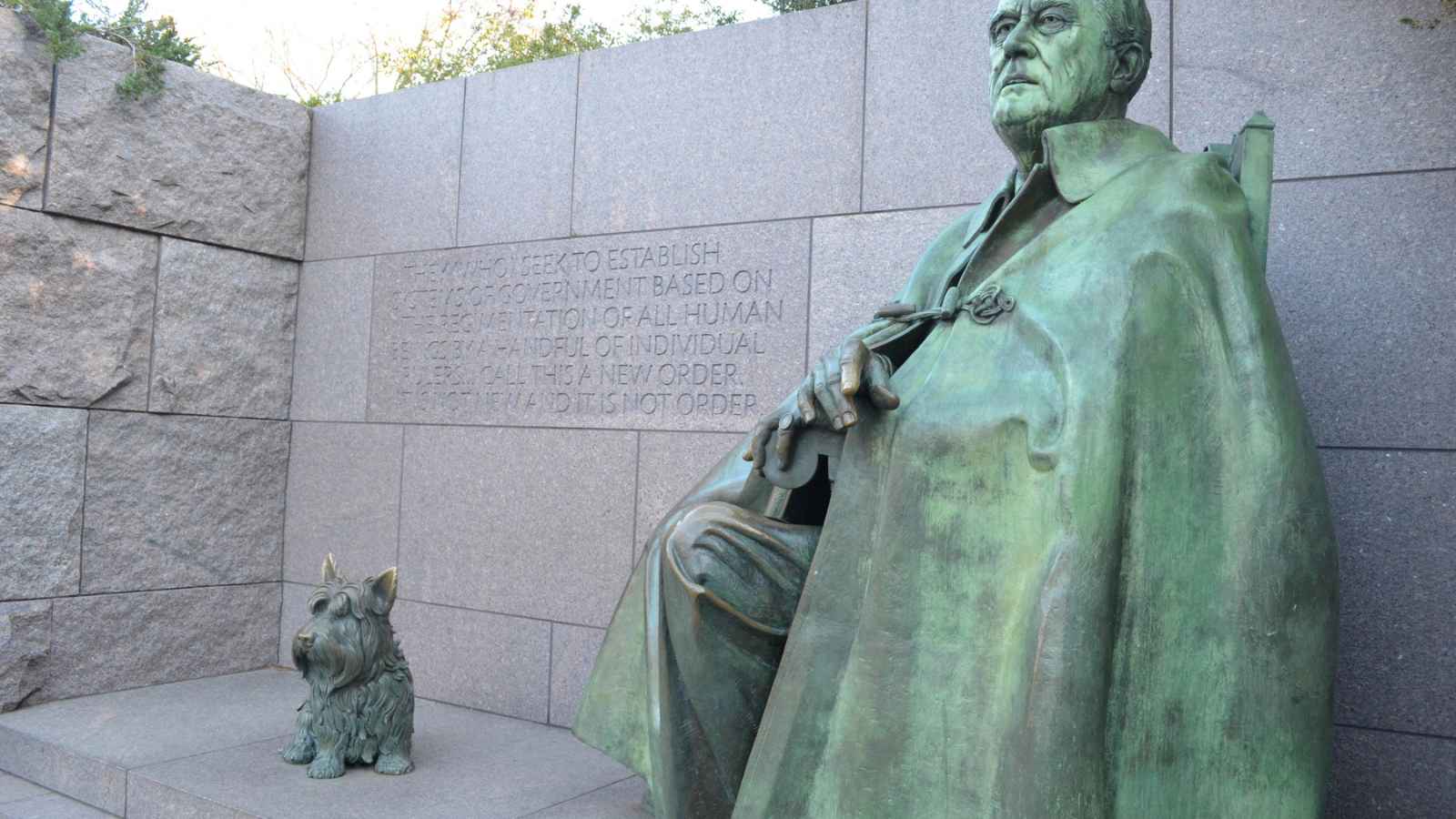
Franklin D. Roosevelt served as president through most of the Great Depression and nearly all of World War II. He took office in March 1933 and remained president until his death on April 12, 1945, just months before the war ended.
This question often causes confusion because several U.S. presidents were closely tied to major events of the era. Herbert Hoover was in office when the Great Depression began, while Harry Truman became president during the final months of World War II. Remembering the sequence of those presidencies makes it easier to identify Roosevelt as the leader who guided the country through most of both crises.
Which Movement Fought Racial Segregation?
The Civil Rights Movement fought racial segregation, racial discrimination, and barriers to voting, particularly during the 1950s and 1960s. Martin Luther King Jr. became its most widely recognized leader, although thousands of local activists, students, lawyers, clergy members, and organizers also shaped the movement.
Many people recognize King’s name but struggle to connect the movement to specific goals such as ending Jim Crow laws, protecting voting rights, and securing equal treatment in schools, workplaces, and public spaces.
What Event Marked the Beginning of the Great Depression?
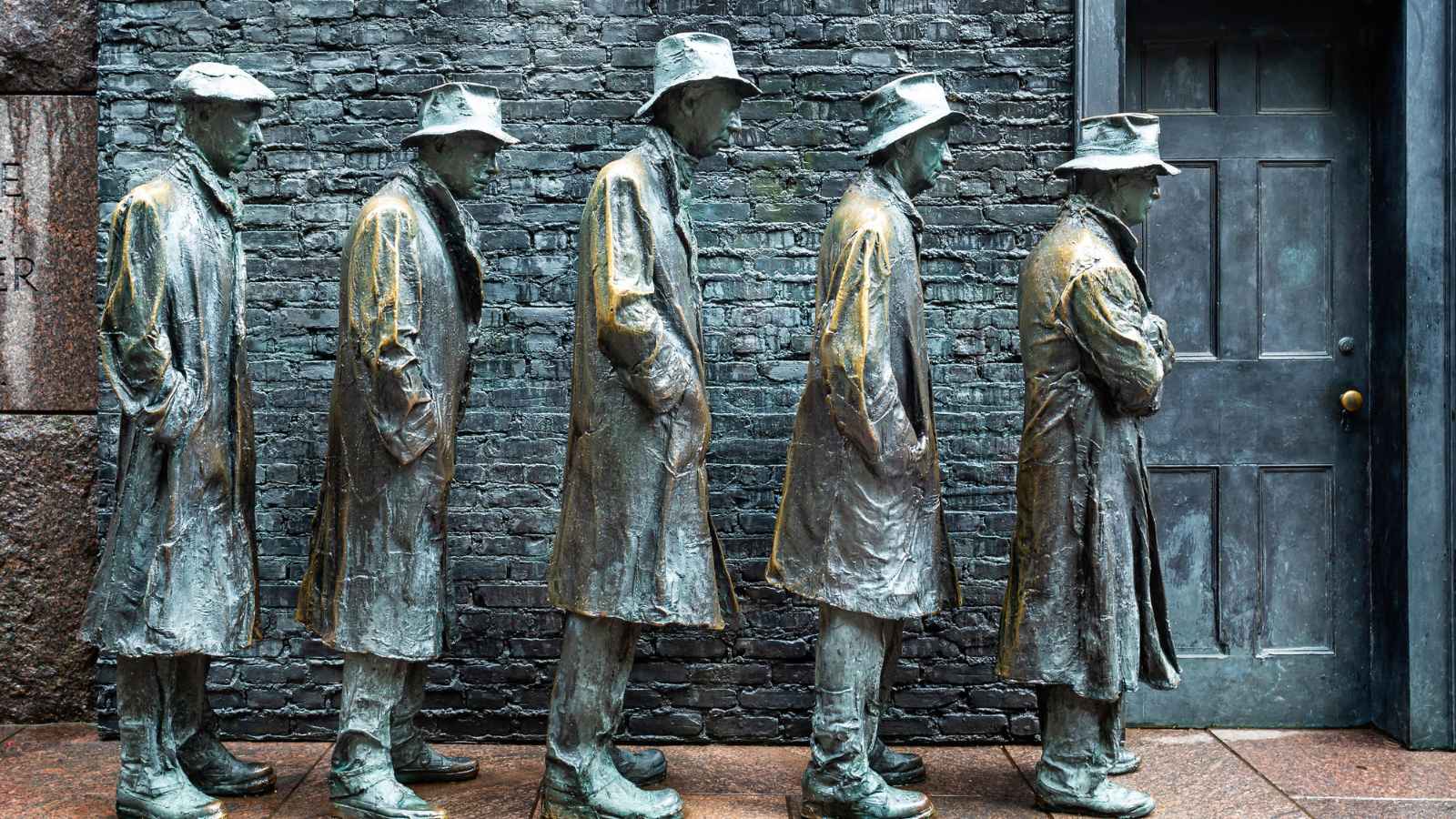
The 1929 stock market crash is widely cited as the event that marked the beginning of the Great Depression. Black Tuesday, which took place on October 29, 1929, became the best-known symbol of the economic collapse, even though several deeper financial problems also contributed to the crisis.
Many people associate the Great Depression with events such as the Dust Bowl or President Franklin D. Roosevelt’s New Deal because those developments played a major role in shaping daily life during the 1930s. However, both occurred after the stock market crash, which is generally recognized as the event that marked the start of the economic downturn.
Disclaimer – This list is solely the author’s opinion based on research and publicly available information. It is not intended to be professional advice.
Like our content? Be sure to follow us.