12 immigration rules that make the U.S. one of the hardest countries to enter
Getting to the airport may be the easiest part of entering the United States. In July 2026, travelers face a system shaped by country restrictions, deeper background checks, financial tests, and several layers of official discretion. The State Department now fully or partially restricts entry and visa issuance for nationals of 39 countries. It also paused the issuance of immigrant visas for nationals of 75 countries.
Federal agencies have also expanded social media, financial, and security screening. Supporters say these measures help officials detect fraud and security risks. Critics argue that the growing web of rules creates punishing delays for legitimate travelers and families.
The U.S. does not officially hold the title of the world’s hardest country to enter, but these barriers help explain why many applicants view it that way.
Country restrictions can end a case early
Nationality can now decide a visa case before an officer studies the applicant’s personal circumstances. Presidential Proclamation 10998 divides affected nations into groups for full and partial suspension.
The policy blocks several categories of immigrant, visitor, student, and exchange visas. It also covers people who use travel documents issued or endorsed by the Palestinian Authority. Limited exemptions remain, but most applicants cannot claim them automatically.
The immigrant visa pause reaches farther
A separate policy targets people seeking permanent residence from abroad. The State Department allows affected applicants to submit forms and attend scheduled interviews. However, consular officers cannot issue immigrant visas while the pause remains in effect.
Dual nationals may qualify for an exemption by using a passport from a country outside the restricted list. Families can therefore complete months of paperwork and still face a closed final door.
Social media becomes part of the file
Immigration officers increasingly look beyond application forms and supporting documents. USCIS says it has strengthened social media checks, financial screening, community interviews, and additional reviews of certain immigration claims.
Online posts can raise questions if they conflict with statements in an application. Deleted profiles or private accounts may also attract extra attention when officials request more information. Applicants must now think about how years of online activity could appear without context. USCIS describes its expanded screening and vetting measures here.
Most applicants must attend interviews

The visa interview waiver has become much narrower. State Department guidance says most nonimmigrant visa applicants generally need to meet in person with a consular officer. A few diplomatic, official, employment, and renewal categories may still qualify for waivers. However, officers may still request an interview even when an applicant meets the written waiver conditions.
That adds travel expenses, scheduling pressure, and another stage at which the case can stall.
Applicants should interview close to home

Applicants once booked appointments in other countries to escape long local waiting lists. Updated instructions now direct them to interview in their country of nationality or legal residence.
People from countries without routine visa services must use a designated processing location. Applicants who choose another embassy may wait much longer and struggle to prove their eligibility.
The government will not transfer or refund the fee simply because another location looks faster. The State Department explains the location requirement and its consequences.
Visitors start under legal suspicion
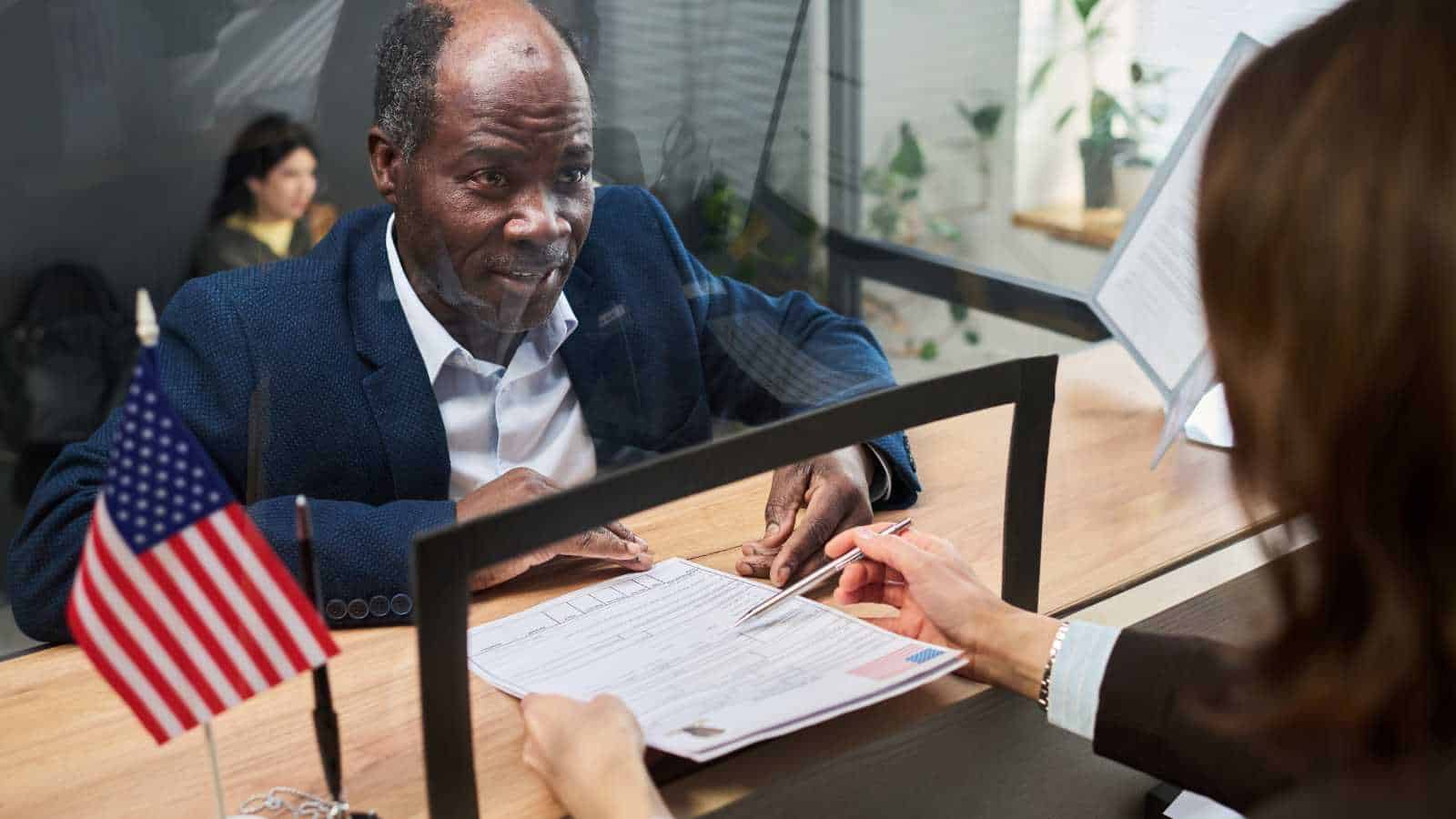
U.S. law requires many applicants for temporary visas to overcome a presumption that they intend to immigrate. The applicant must convince the consular officer that the trip has a temporary purpose.
Officers may examine employment, finances, family ties, travel history, and reasons to return home. A weak connection to the applicant’s country can sink an otherwise honest application. A refusal often forces the person to reapply, pay again, and present meaningful new evidence.
Some tourists must post a bond
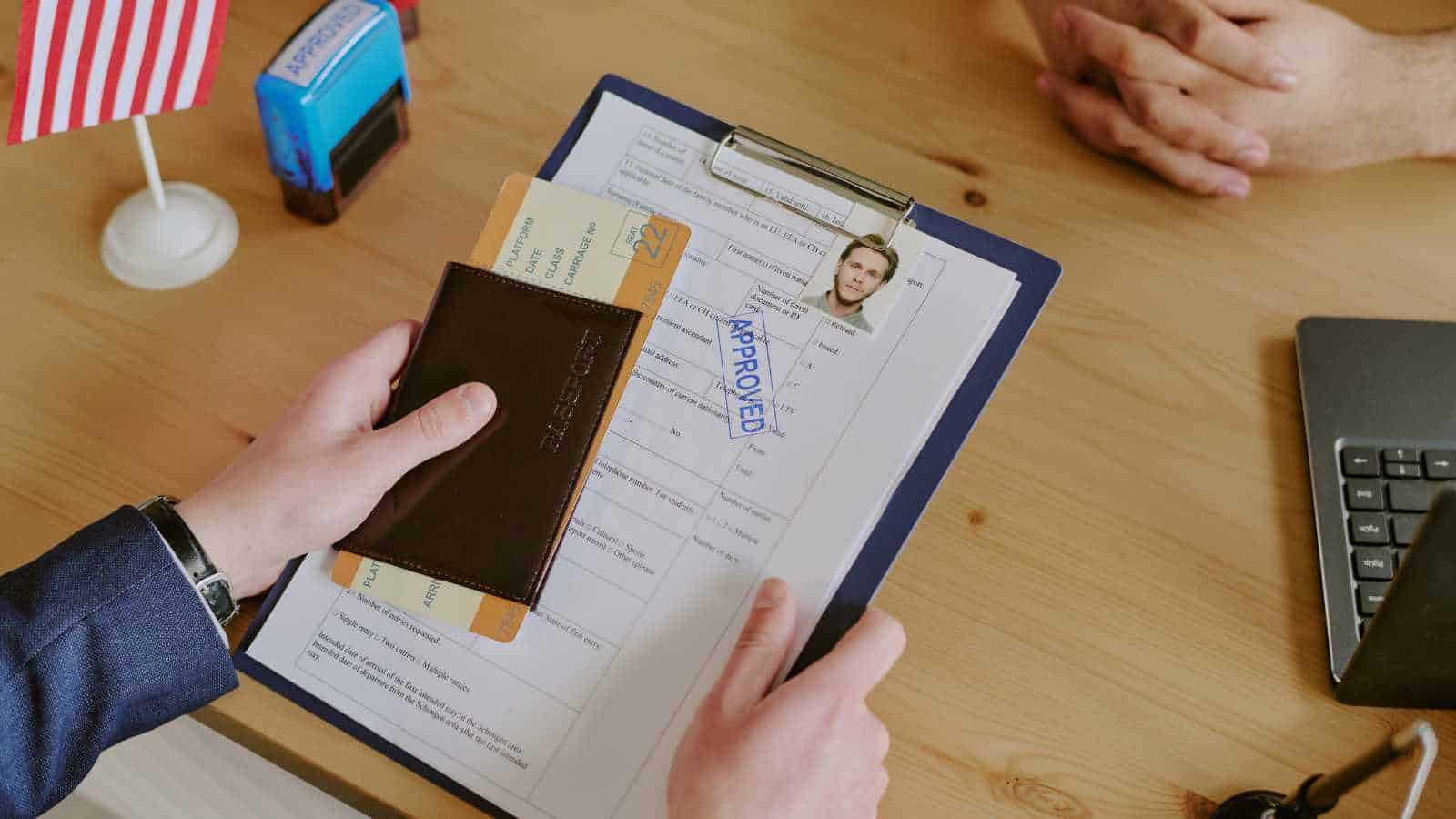
Visa overstays remain a major reason for tougher visitor screening. The latest DHS report placed the non-Visa Waiver Program overstay rate at 2.33% of expected departures.
A federal pilot program allows consular officers to demand a visitor visa bond of up to $15,000. The applicant must follow admission, status, and departure conditions to recover the money. This rule can turn a routine family visit into a serious financial challenge.
A visa never guarantees admission
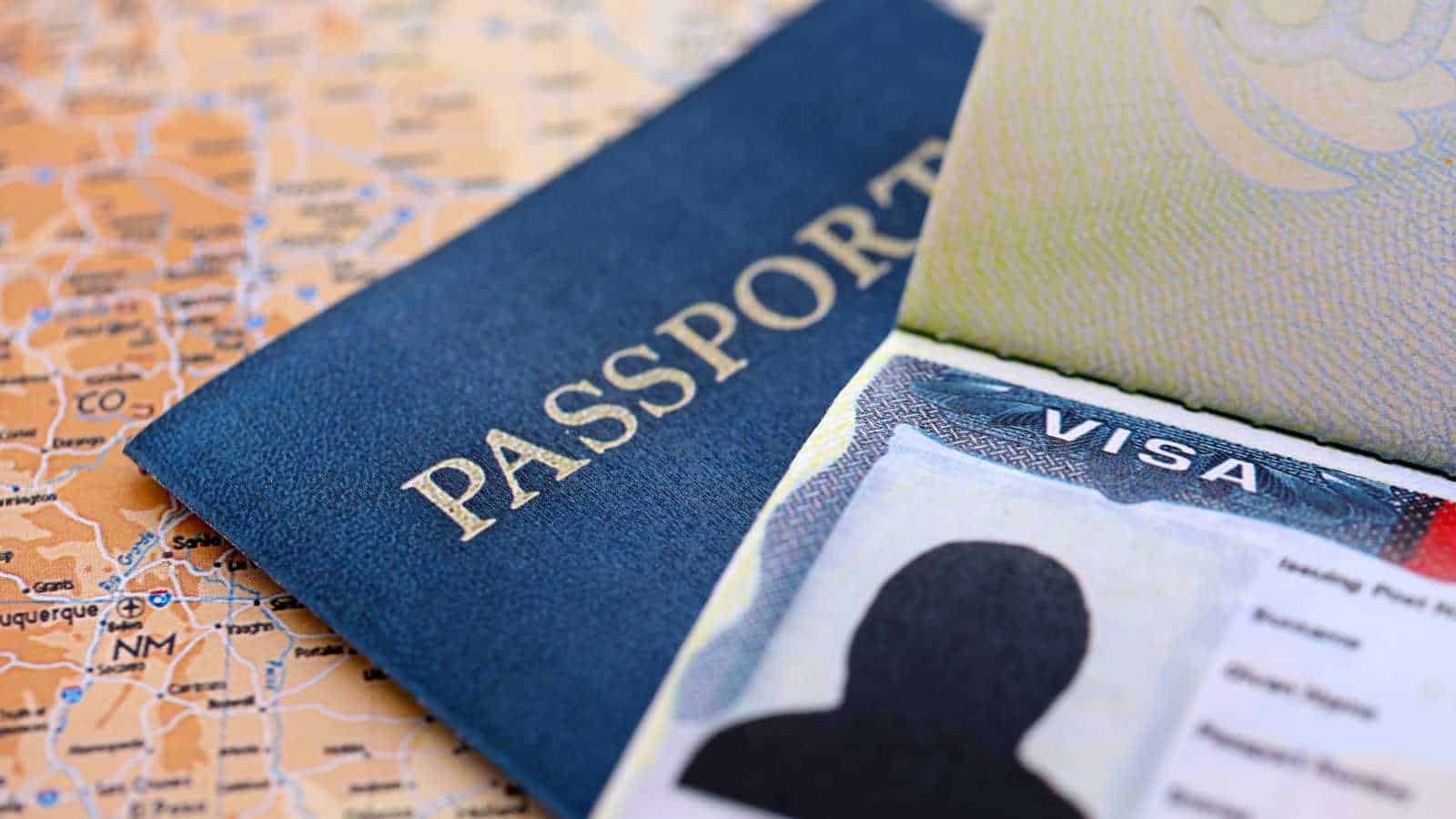
A visa gives someone permission to travel to a U.S. port of entry. It does not automatically grant that person the right to cross the border. Customs and Border Protection officers make a separate admissibility decision after arrival.
They can question travelers about work, accommodation, finances, luggage, and previous visits. They may also send someone to secondary inspection or refuse admission despite a valid visa. CBP clearly states that travelers must prove their admissibility at the border.
Officers may examine electronic devices
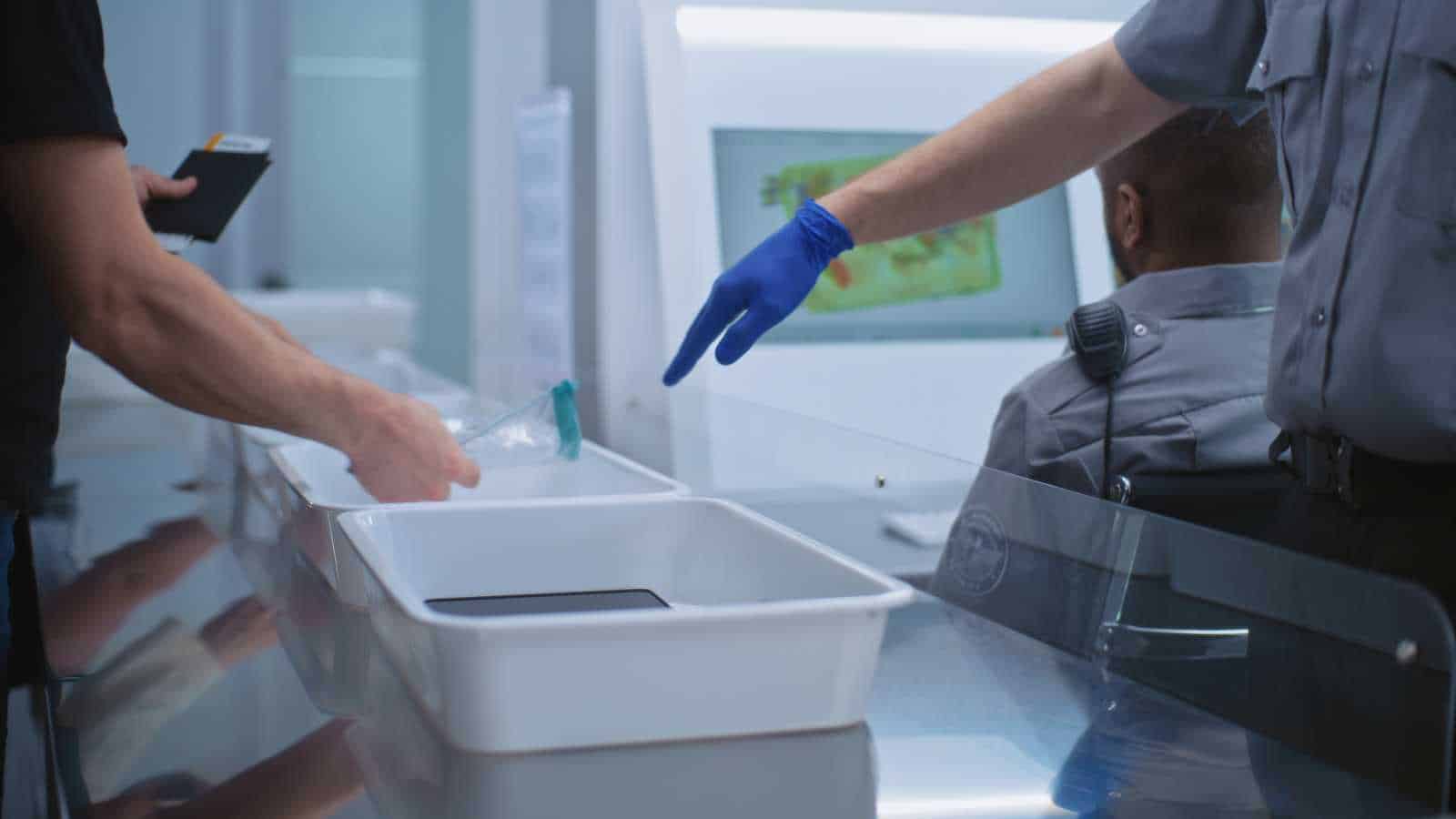
Phones and laptops can become part of a border inspection. Officers may look for information related to identity, admissibility, customs violations, or security concerns.
A device search can expose private messages, photographs, contacts, and business records. The practice affects a small share of travelers, yet it creates a major privacy concern for anyone carrying sensitive material.
Skilled workers face a lottery
A strong résumé and a willing employer do not guarantee access to an H-1B visa. USCIS uses a selection process when demand exceeds the available supply.
An applicant can therefore satisfy the educational and professional requirements but never reach the full petition stage. The lottery turns career planning into a high-stakes waiting game for workers and employers.
Employers must clear a labor test
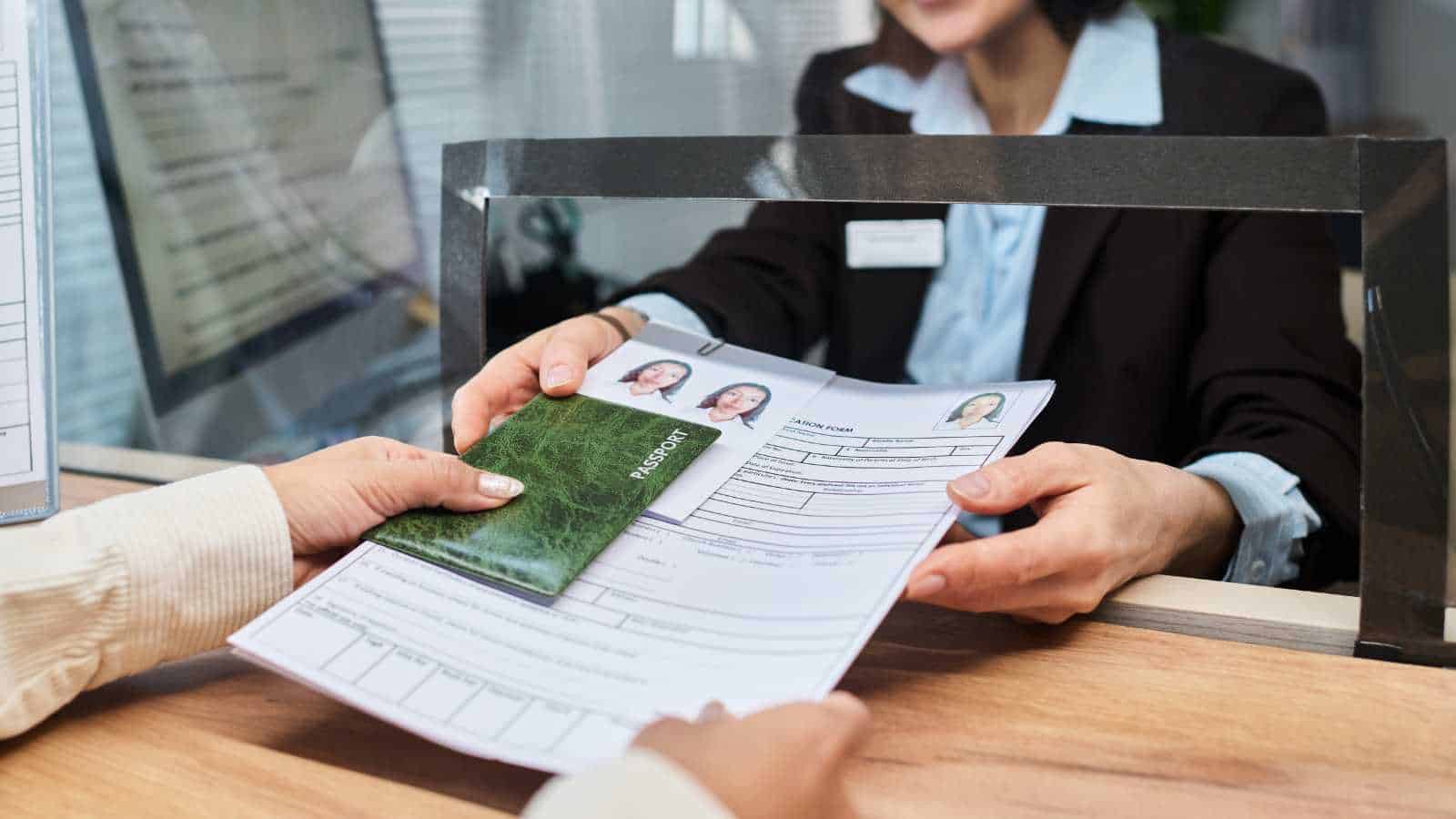
Many employment-based immigrants need more than a company willing to hire them. The employer must usually complete the Labor Department’s permanent labor certification process before filing an immigration petition.
Officials examine wages, recruitment efforts, and the availability of qualified U.S. workers. In June 2026, the department reported an average PERM analyst review time of 403 calendar days. That wait can pass before USCIS and the State Department begin their own stages.
Asylum carries a deadline and a queue
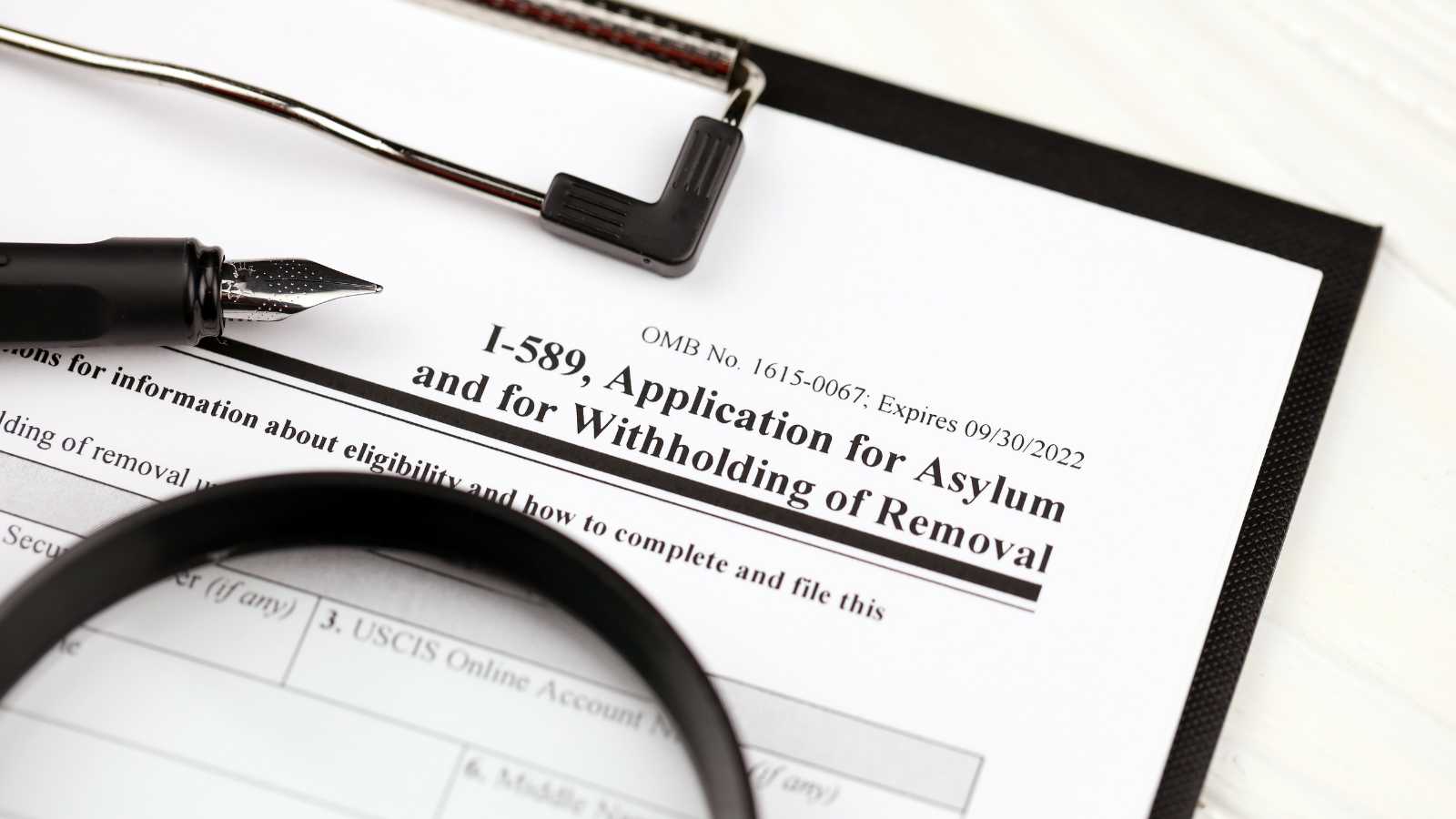
People seeking protection face strict timing rules after reaching the United States. USCIS generally requires applicants to file their asylum form within one year of arrival. Missing that deadline can close the asylum route unless an exception applies.
The Justice Department reported more than 3.57 million pending immigration court cases by the second quarter of fiscal 2026. Applicants may therefore face both a fast filing deadline and a long wait for a final decision.
Key takeaway
The U.S. immigration system does not rely on one difficult rule. It layers nationality restrictions, personal vetting, interviews, financial conditions, annual limits, employer requirements, and border discretion. Each stage gives officials another chance to delay or reject a case.
Security concerns drive many of these policies, while applicants carry most of the cost and uncertainty. That tension sits at the center of America’s immigration debate.
Disclaimer – This list is solely the author’s opinion based on research and publicly available information. It is not intended to be professional advice.
Like our content? Be sure to follow us.