A dangerous heat wave is threatening two-thirds of America—12 ways to cool your home without sending your power bill soaring
If your thermostat had a voice, it would probably be crying for help right about now.
Summer has officially turned into a high-stakes endurance test. Thanks to a massive heat dome sitting over two-thirds of the country like an unwanted hot blanket, temperatures are breaking records and probably your spirit.
According to AP News, meteorologists confirmed a massive dome of high pressure trapped sweltering temperatures across as much as two-thirds of the continental United States. But before you resign yourself to living in front of an open freezer, take a deep breath. You don’t have to melt your way through the season or faint when your next electricity bill arrives.
These simple, practical moves will help you keep your cool, stay safe, and protect your wallet from a very nasty surprise.
Choose a smarter thermostat setting
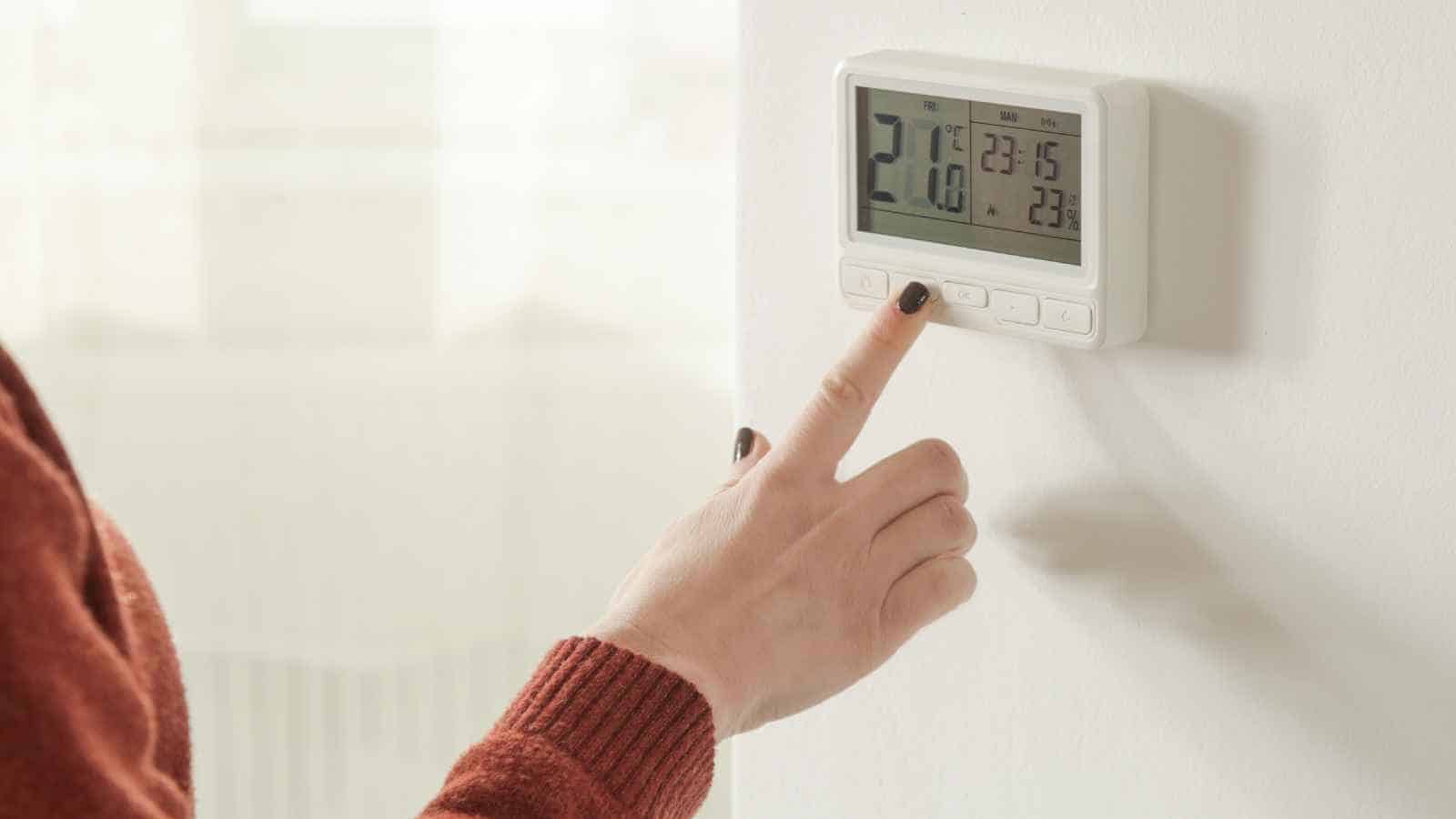
Small adjustments matter most during a long heat wave because the compressor may run for hours each day. Fight the urge to turn your living room into a walk-in freezer. Close blinds, run a ceiling fan, and wear lighter clothing before dropping the temperature several degrees. Raise the dial when the house sits empty, but keep kids, elders, and pets safe from harsh temperatures.
A programmable thermostat handles these changes automatically, sparing you constant effort. As heat surges, this silent money pit drains your wallet without you noticing. Yet a single hidden setting instantly slashes your monthly electric bill while keeping your home perfectly chilled.
Make ceiling fans work for you
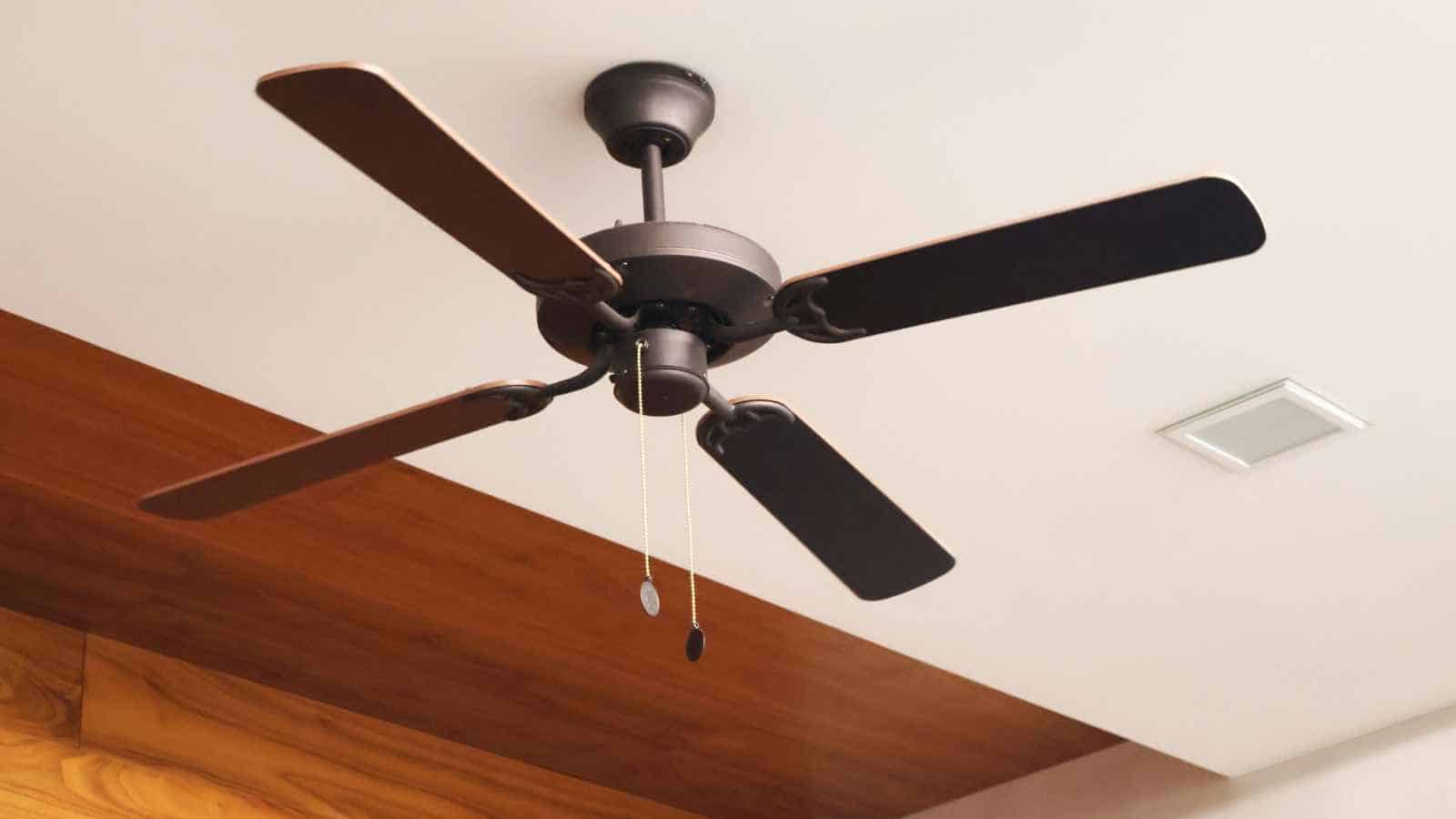
Set ceiling fans to spin counterclockwise during summer so they force cool air downward and speed up sweat evaporation. ENERGY STAR reports that running a ceiling fan while slightly raising your thermostat reduces cooling costs by creating a “wind-chill” effect. Turn fans off the moment you leave, because blades cool human skin, not empty furniture.
Open interior doors to boost cross-ventilation, and position portable units to push fresh breezes straight toward high-traffic spots. Never rely on fans alone when temperatures become dangerous; seek central air or a local cooling center before extreme heat overpowers your body.
Give your AC a quick tune-up
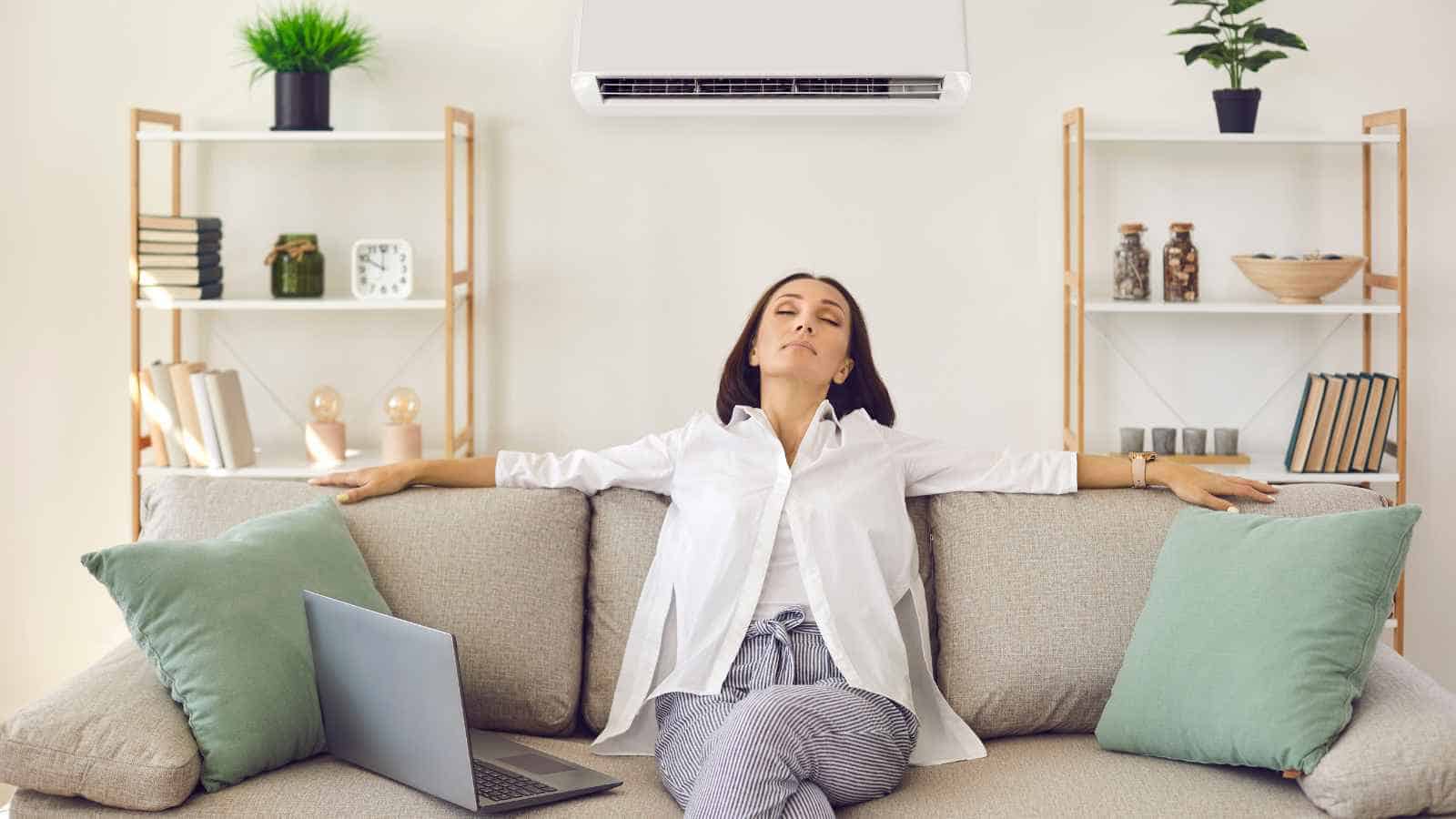
Give your AC a quick tune-up before the heat sets in. Your cooling system needs clear airflow during a marathon heat event. Replace a dirty disposable filter or wash a reusable model following the manufacturer’s directions. Remove leaves, grass, and clutter from around the outdoor condenser, but always shut off the power before touching equipment.
Keep supply vents completely open and move rugs, baskets, and heavy furniture away from them. Schedule professional service immediately if the unit blows warm air, cycles strangely, leaks, freezes, or makes loud noises. An annual pre-season check catches weak electrical parts, drainage trouble, low airflow, and dirty coils before the hottest afternoon exposes them.
Stop sunlight at the windows
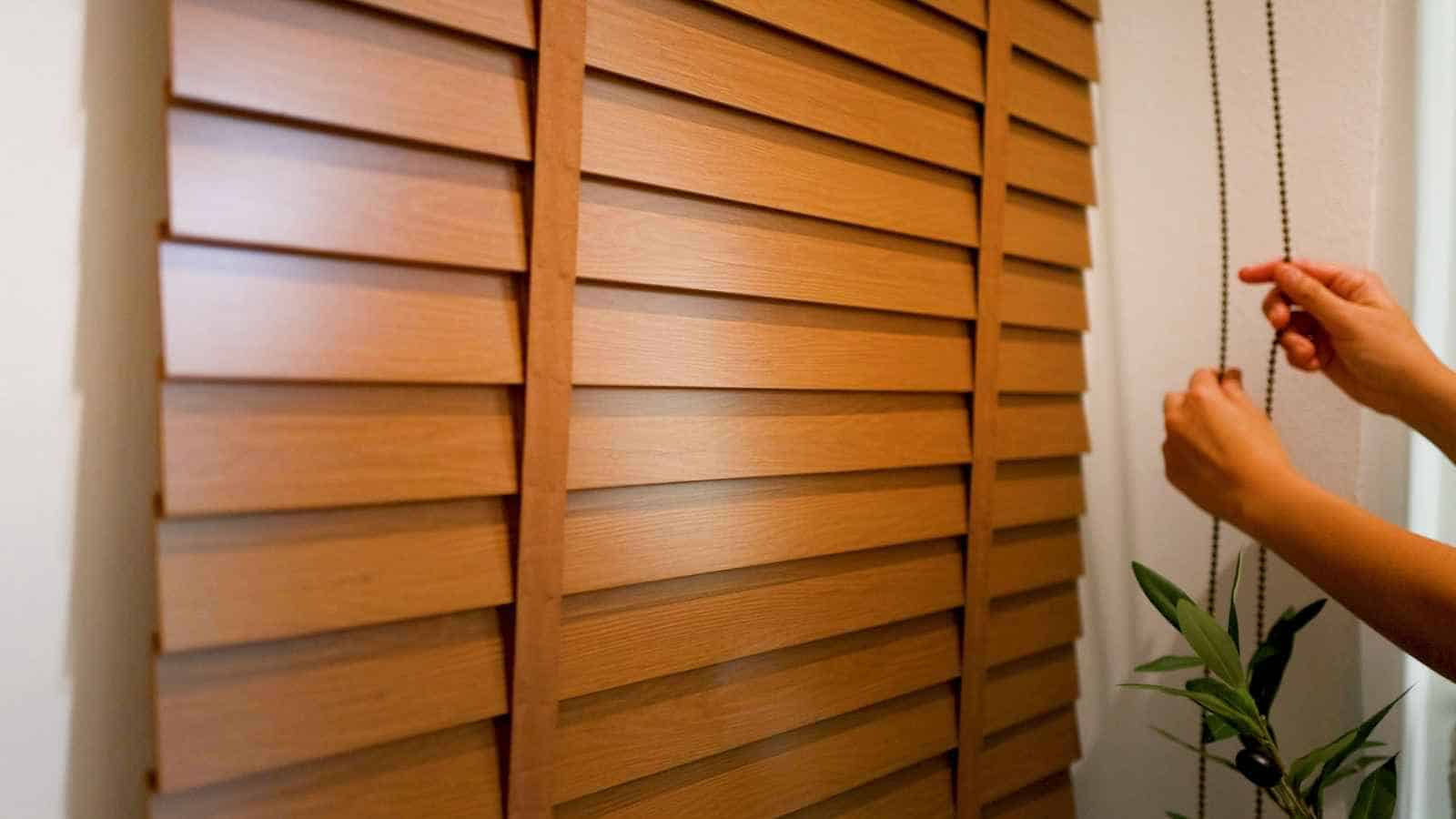
Sunlight pouring through bare glass quickly turns a comfortable home into a sweltering oven. Data from the U.S. Department of Energy reveals that heat gain and loss through windows account for roughly 25% to 30% of residential heating and cooling energy use. You can immediately block these harsh rays by closing blackout curtains or cellular shades before peak heat sets in.
Target east windows in the morning and west openings during scorching afternoons. Better yet, exterior awnings or solar screens intercept thermal energy before it ever touches your glass. Renters can easily install tension rods and reflective films that slash indoor temperatures without breaching leases.
Ventilate after the outdoor air cools

Cool night air can transform a muggy house into an oasis, but only if you time it right. Checking both temperature and air-quality readings before opening a single window is the difference between a cool sanctuary and a lungs-burning mistake. Once outdoor temps drop below indoor levels, open windows on opposite sides to create a sweeping cross-breeze.
Position a box fan facing outward in one window to actively force hot air out while fresh, cool air pulls in through the other window. Shut every vent and window early in the morning before humidity and sunshine rise. When wildfire smoke or high ozone strikes, keep everything sealed tight and run air filtration instead.
Seal the cool air indoors
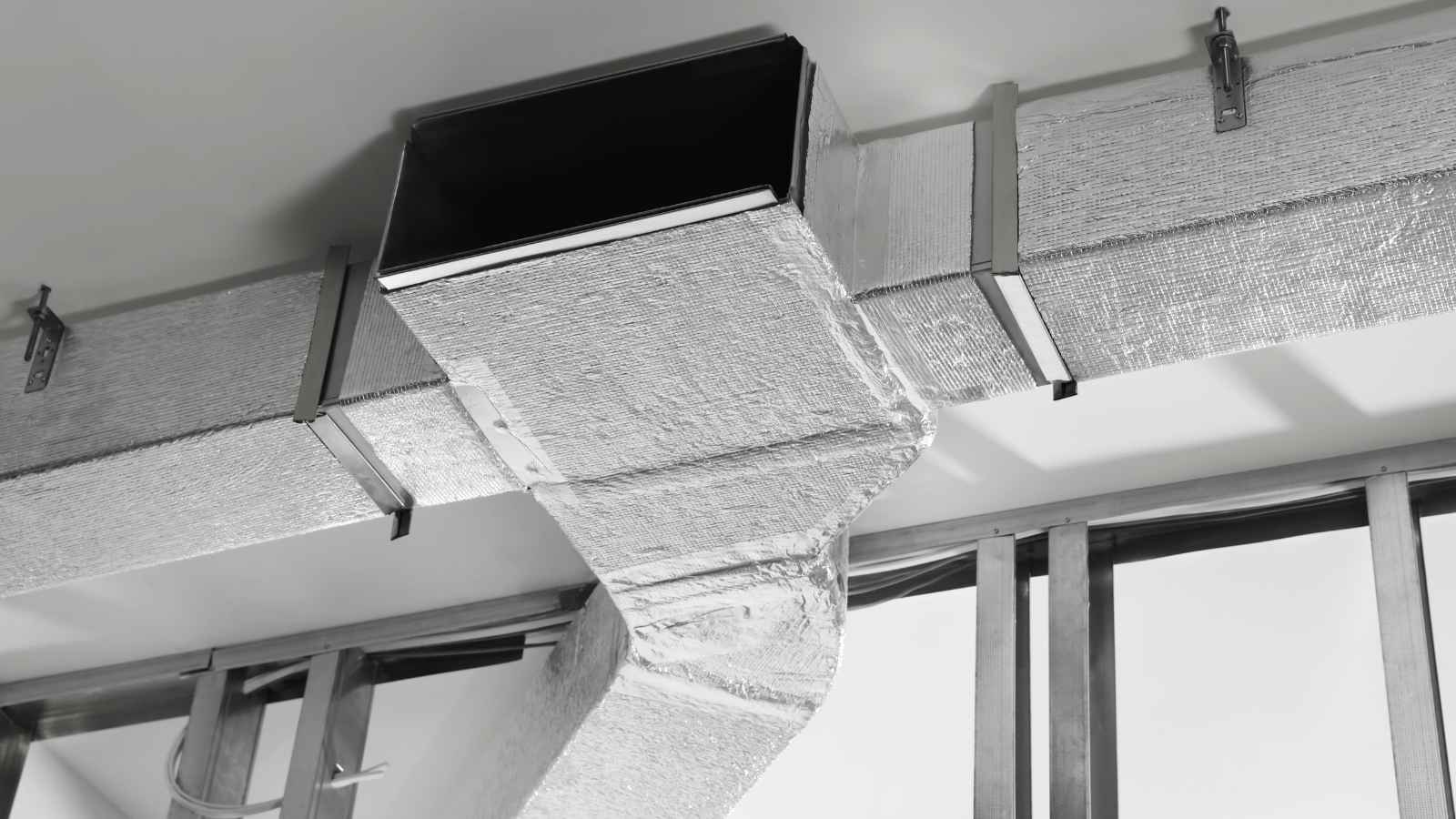
Every summer, homeowners watch their utility bills skyrocket while their air conditioners run continuously just to keep up. Cool air bleeds continuously through hidden gaps, unsealed ducts, and sagging door frames, forcing your HVAC system into an endless battle it cannot win. A report from ENERGY STAR highlights that a typical home loses about 20% to 30% of the air moving through its HVAC duct system due to leaks, holes, and poor connections.
Fixing these invisible leaks instantly stabilizes room temperatures and extends your equipment’s lifespan. Simple DIY sealing, combined with targeted attic insulation, locks your investment inside before another dollar is lost to drafts. Yet fixing leaks is only the first step in total control.
Cut heat from cooking and chores

Your oven transforms your kitchen into a sauna, forcing your air conditioner to fight an uphill battle. Pivot to smart, compact cooking methods instead: fire up an outdoor grill, or use a microwave, pressure cooker, or slow cooker to keep temperatures down. Save dishwashing and laundry cycles for after sunset, washing clothes in cool water whenever possible.
Unplug power-hungry gaming rigs, extra monitors, and idle chargers that silently radiate warmth. Swapping out sizzling incandescent bulbs for efficient LEDs instantly removes major indoor heat sources. Taking control of these everyday habits cools your living space, slashes your power bills, and shields your home from peak-summer grid demands.
Build shade around the house

Curtains grant temporary relief, but strategic landscaping and structural shade deliver cool comfort for decades. Data from the U.S. EPA show that urban green infrastructure, such as trees and other vegetation, can reduce energy demand in nearby buildings by 10%. Smart homeowners target west-facing walls and windows to block intense late-day sunlight.
Planting deciduous trees shields the roof throughout summer while allowing sunlight to warm your home in winter after the leaves fall. Meanwhile, pergolas, deep eaves, balcony screens, and exterior shutters generate immediate shade while saplings mature over time. Selecting native species protects local soil and saves water.
Cool the rooms people use

Do not spend money chilling in every corner of an empty house. Create a schedule that accounts for sleep, work, school, and time away from home. Use geofencing only after everyone understands how it works, since one person may remain home while another leaves with the linked phone.
Close doors to unused rooms only when your HVAC design allows, as some central systems require open pathways for balanced airflow. A properly sized window unit, portable air conditioner, or ductless mini-split can cool a main living zone without forcing the whole system to run at a lower temperature. Keep the bedroom or family room comfortable, then let low-use spaces run warmer.
Leave for a cooler place when needed

A stubbornly hot home does not deserve your loyalty. Data from the American Red Cross indicates that the three primary lifesaving actions during extreme heat are to stay hydrated, stay cool, and stay connected. Find a library, mall, or official cooling site before indoor temperatures turn dangerous. Call 2-1-1 for immediate local options.
Grab water, meds, chargers, and ID before running out the door. Leaving early protects your health and instantly slashes your energy bills. Ensure older relatives and neighbors have rides ready. Rules vary for pets, so map out a safe refuge for them today because delaying action turns discomfort into a quiet crisis.
Put health ahead of the utility bill

Cutting power bills never warrants risking a fatal heat stroke. Ditch alcohol, caffeine, and sugary sodas; wear loose, light clothing and jump in a cool shower for rapid relief. Always monitor vulnerable neighbors, pregnant women, and isolated friends who lack proper AC. Spot early warnings fast: heavy sweating, muscle cramps, dizziness, or nausea.
Once confusion, a racing heart, or fainting hits, heat stroke takes hold. Dial 911 instantly. Move the person into the shade, remove excess clothing, and cool their skin with ice packs or wet towels. Seconds count when high heat turns deadly, but one critical step can save a life before medics arrive.
Prepare now for a power outage
Extreme heat can push equipment and local grids to the limit, so build a simple outage plan before the lights blink. Keep battery-powered fans, flashlights, charged power banks, drinking water, and a written list of cooling locations within reach. Cover sunny windows immediately after an outage, and open them again only after the outdoor air turns cooler and cleaner.
Unplug sensitive electronics to protect them from a surge when service returns. The CDC strictly mandates that portable generators be run outdoors and at least 20 feet from your home. Never place a generator in a garage, carport, basement, porch, or partly enclosed area. Use a battery-backed carbon monoxide detector, follow the manufacturer’s instructions, and seek a cooled public space when indoor heat becomes unsafe.
Key takeaway
As heatwaves intensify, staying cool without triggering a massive electric bill comes down to a smart, layered strategy. Smart cooling works best when you stack simple habits rather than relying on one struggling air conditioner. Setting a realistic thermostat target and keeping shades closed during peak hours instantly slashes indoor temperatures.
Fans circulate air efficiently, while clean filters and sealed leaks prevent expensive energy waste. Heavy heat producers like ovens and dryers belong strictly in the cooler evening hours. Focus airflow on occupied spaces, keep a trusted community cooling center mapped out, and always prioritize your personal health over saving a few extra dollars.
Disclaimer – This list is solely the author’s opinion based on research and publicly available information. It is not intended to be professional advice.
Like our content? Be sure to follow us.