10 American states bracing for an unusually intense drought season right now
Think the weather’s been a bit weird lately? Well, you aren’t imagining it; Virginia Tech News reports that more than 60% of the lower 48 states are officially locked in a brutal drought right now.
We had a crazy warm winter that basically vaporized our mountain snowpacks before they could even melt. Now, water managers are panicking as we head into what looks like a historically dry, hot summer. Experts told ABC News that “farms all over the country are bracing for the impact of drought after months of little precipitation.“
North Carolina
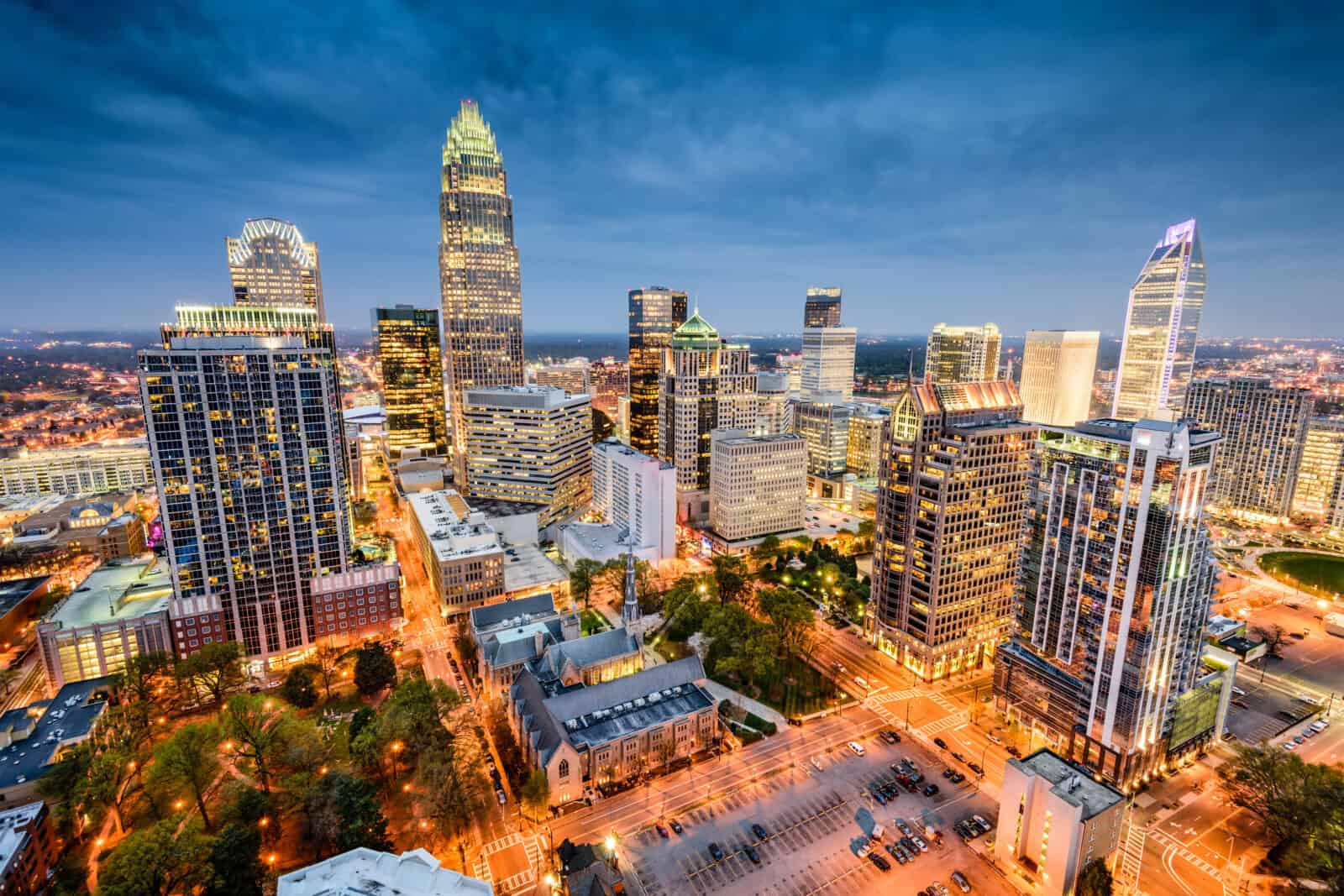
North Carolina is currently sitting at a whopping 95% drought coverage. This dry spell comes after the state’s driest September-through-March stretch since 1895. Without winter rain to recharge the soil, farmers are desperately searching for water just to get seeds to sprout.
With deficits running up to 16 inches, fields are turning to dust. “Drought is likely to persist,” warns NOAA’s Climate Prediction Center, making it a scary start to the growing season.
South Carolina
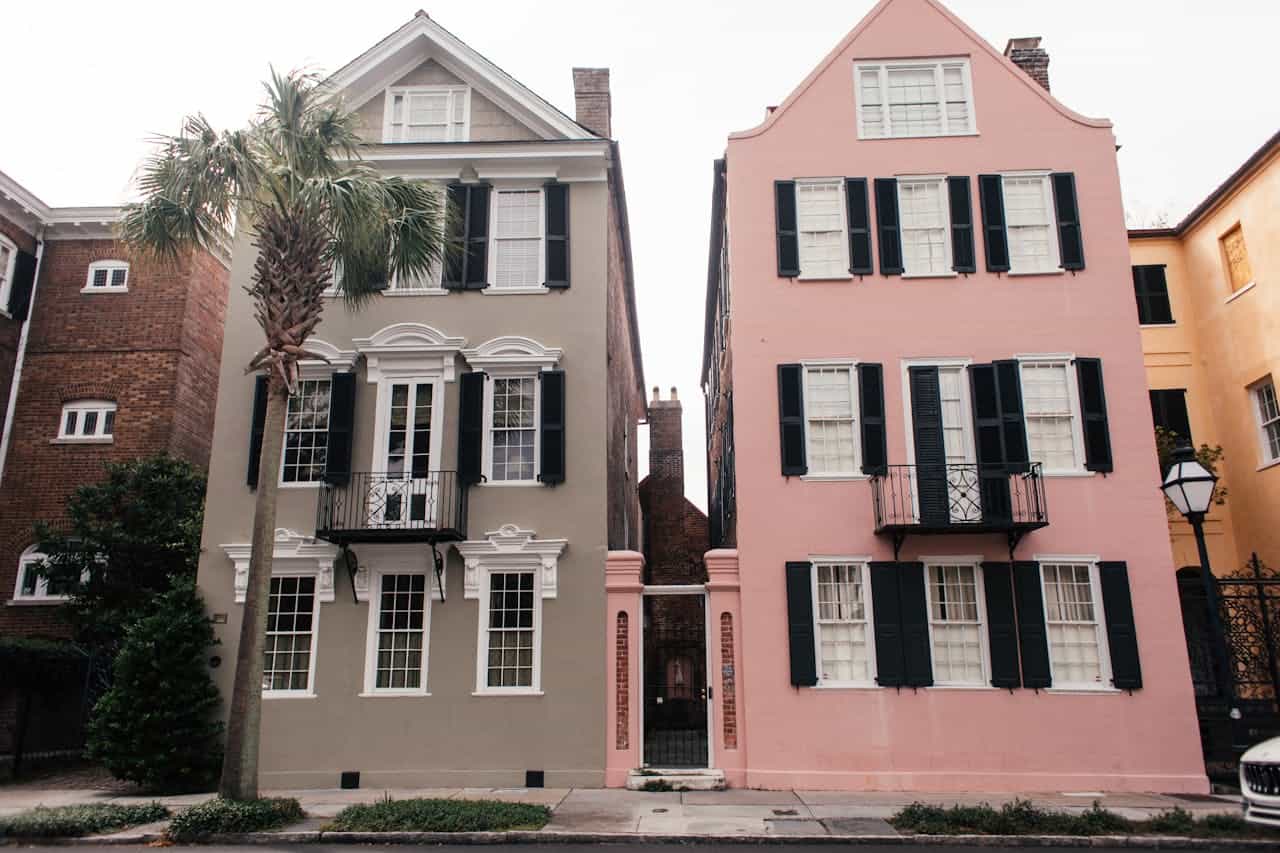
South Carolina is matching its neighbor’s misery with 99.34% of the state in active drought. Local rivers and groundwater supplies are running on empty after months of missing rainfall. Because pasture conditions are so poor, livestock owners are already forced to feed winter hay to their cattle.
This dry cycle started in mid-2025. Water managers are keeping a close eye on dwindling local reservoirs as summer heat starts to bake.
Georgia

Georgia has been hit by a dry spell covering over 92% of the state. Extreme drought has swallowed 80% of Georgia, prompting the state to declare a Level 1 Drought Response. Climatologists note that “everywhere in the Southeast is in drought,” comparing this run to the historic 2007 dry spell.
South Georgia requires up to 18 inches of rain just to break even. With streams drying up and tree mortality rising, locals are praying for a break in the stubborn high-pressure systems.
Florida
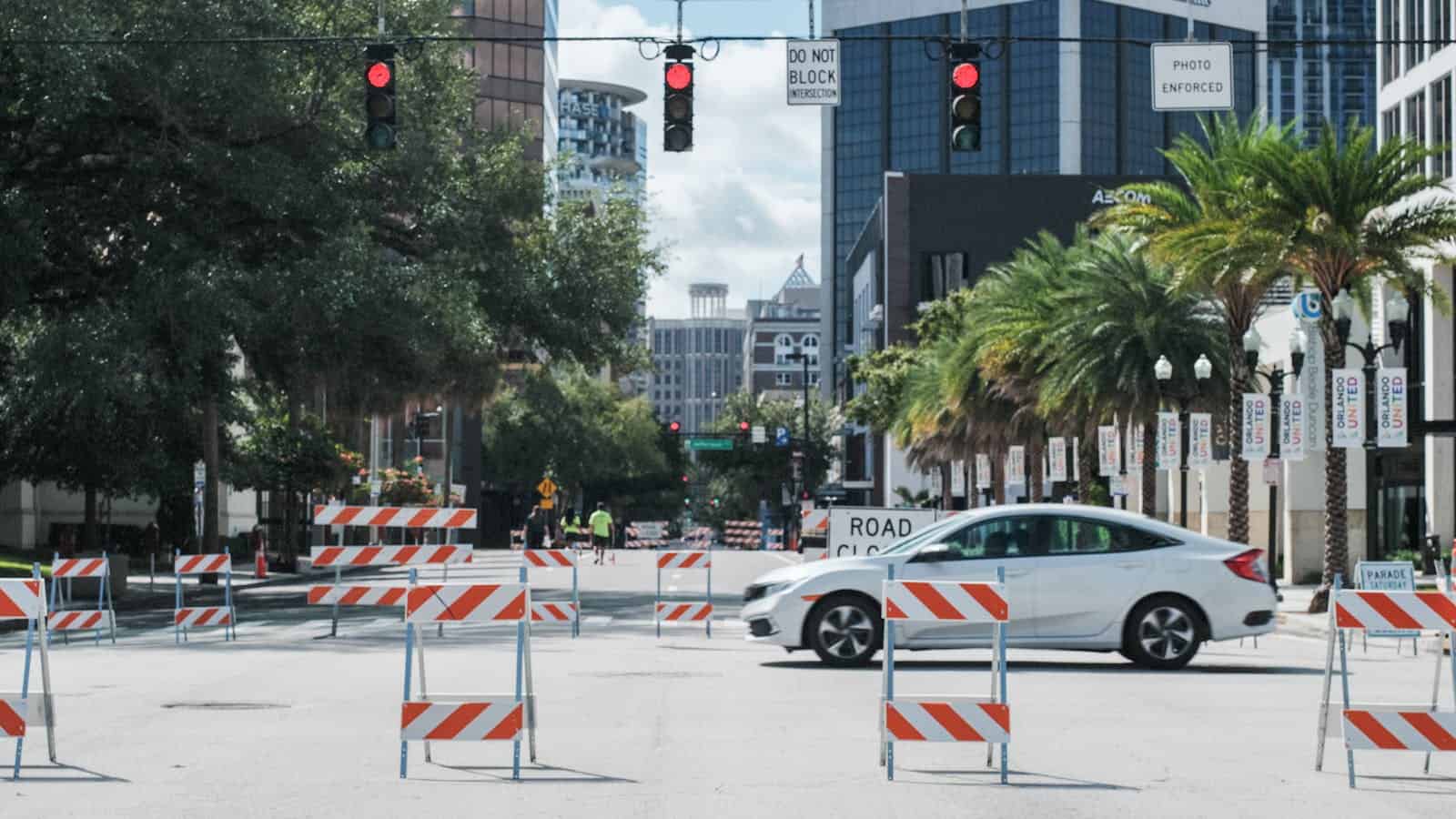
Florida is seeing a staggering 98.8% of its land area choked by drought. Extreme and exceptional drought categories have increased by 67.61% since January. Local officials in several counties have already slapped down tough water restrictions to prevent reservoirs from bottoming out.
While deep soil moisture is holding on, groundwater levels are in serious trouble. It’s a wild shift for a usually humid state.
Arizona
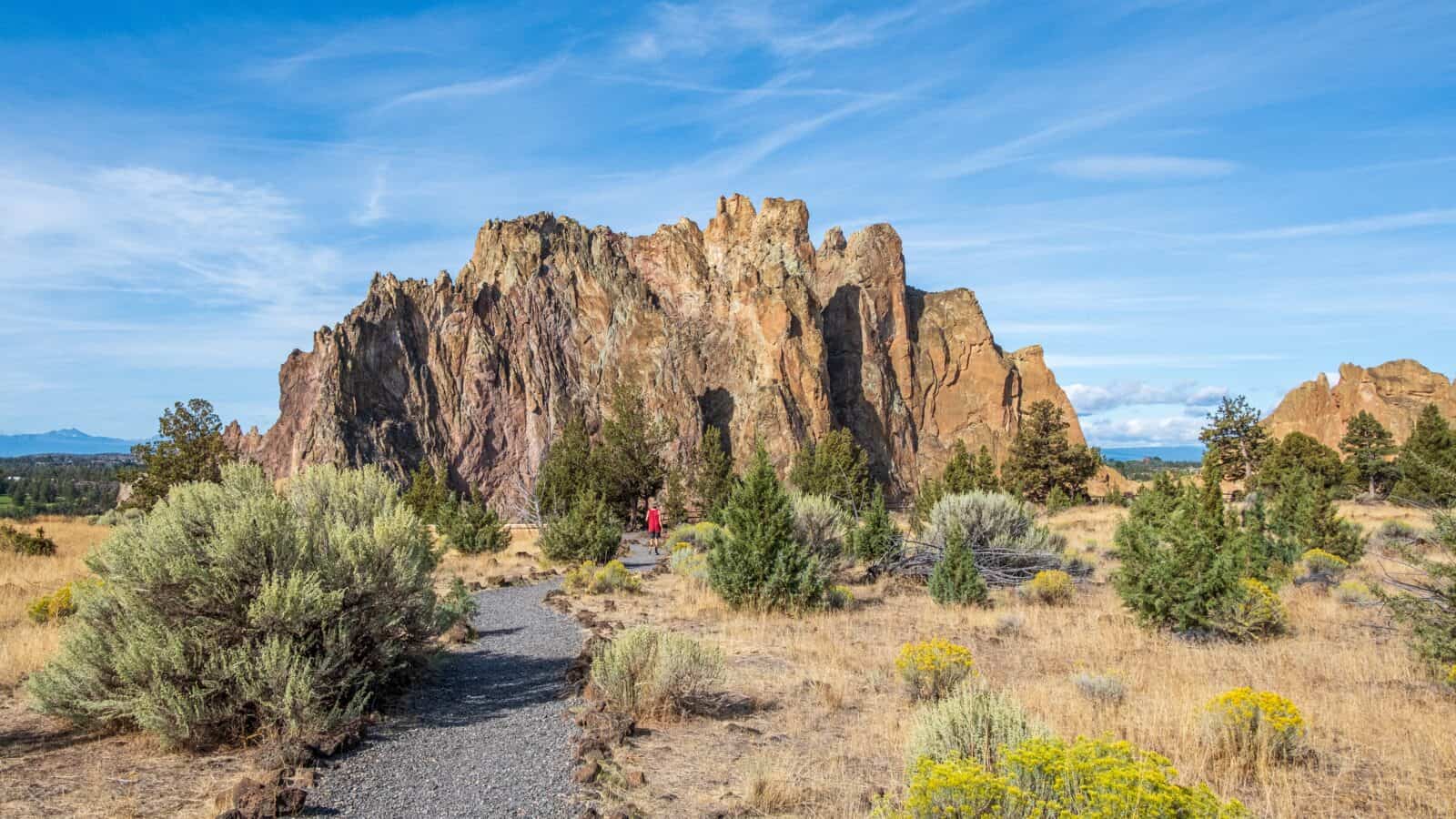
Arizona is facing a rapid water crisis, with 87% of the state locked in a moderate-to-severe drought. Following its hottest January-to-March period ever, the state’s snowpack has essentially vanished.
“Reservoir levels continue to worsen,” according to regional water reports, leaving Lake Powell levels below historical averages.
This has triggered a painful 30% cut to the Central Arizona Project water deliveries, a loss of 512,000 acre-feet. Farms are taking a hit as the Colorado Basin struggles.
Texas
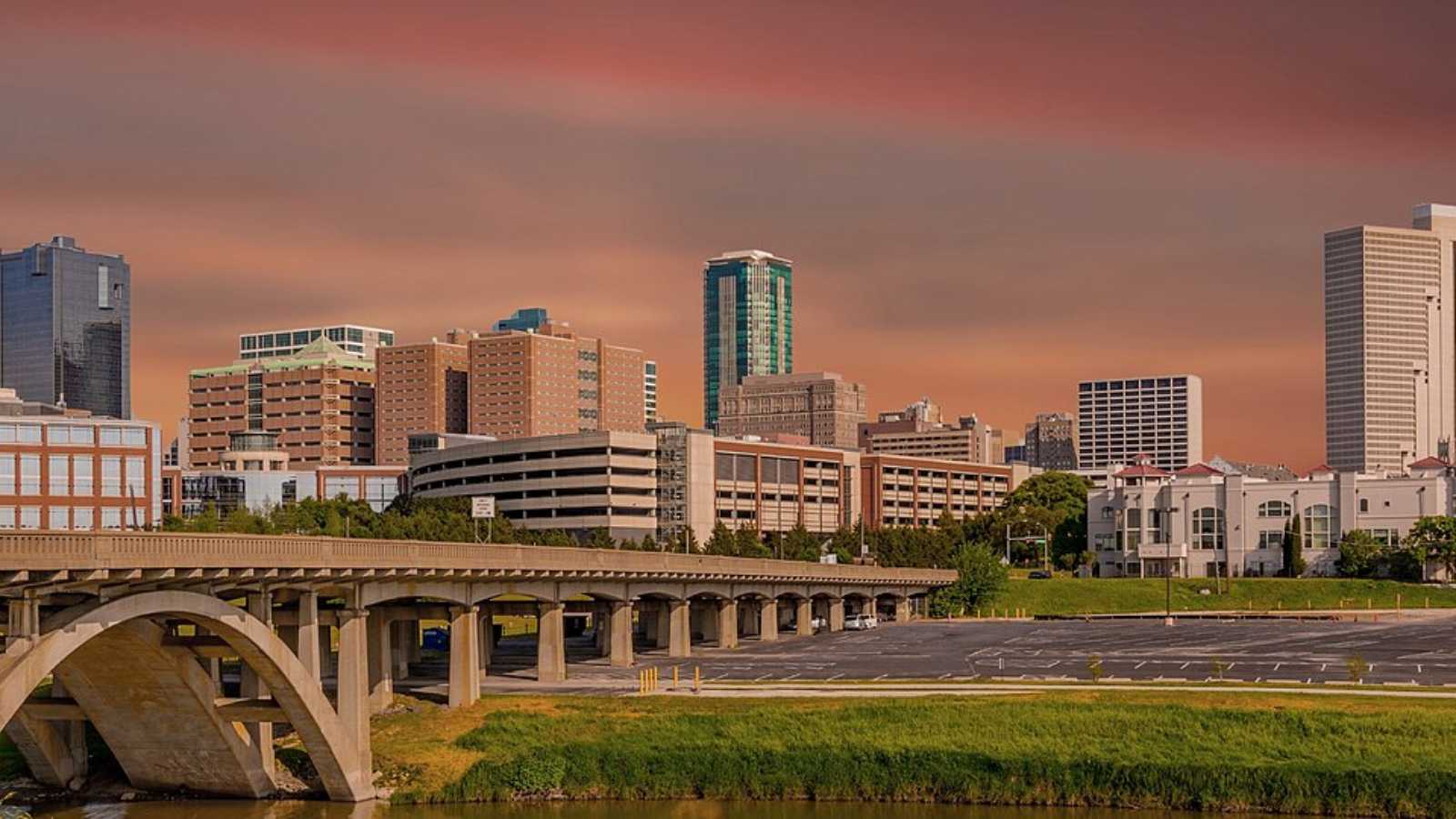
Texas is currently 57.4% covered by drought, according to recent data from the U.S. Drought Monitor, and it’s hitting our food supply hard. Dry, hot conditions have forced ranchers to abandon their winter wheat crops. This farming catastrophe has created a massive $1 billion shortfall for the state.
Meanwhile, reservoir levels are crashing, with some dropping to a scary 8.7% capacity. Experts warn that western Texas will likely see this intense drought persist straight through the summer.
Nebraska

Nebraska’s grasslands have turned into an absolute tinderbox, with 56% of the state in extreme drought. Bone-dry air has paved the way for massive wildfires. The historic Morrill Fire recently tore through 643,361 acres, making it the largest wildfire in Nebraska’s history.
State climatologists say these conditions are unlike anything they’ve ever seen. As streamflows run way below normal, spring planting is becoming a massive gamble.
Oregon
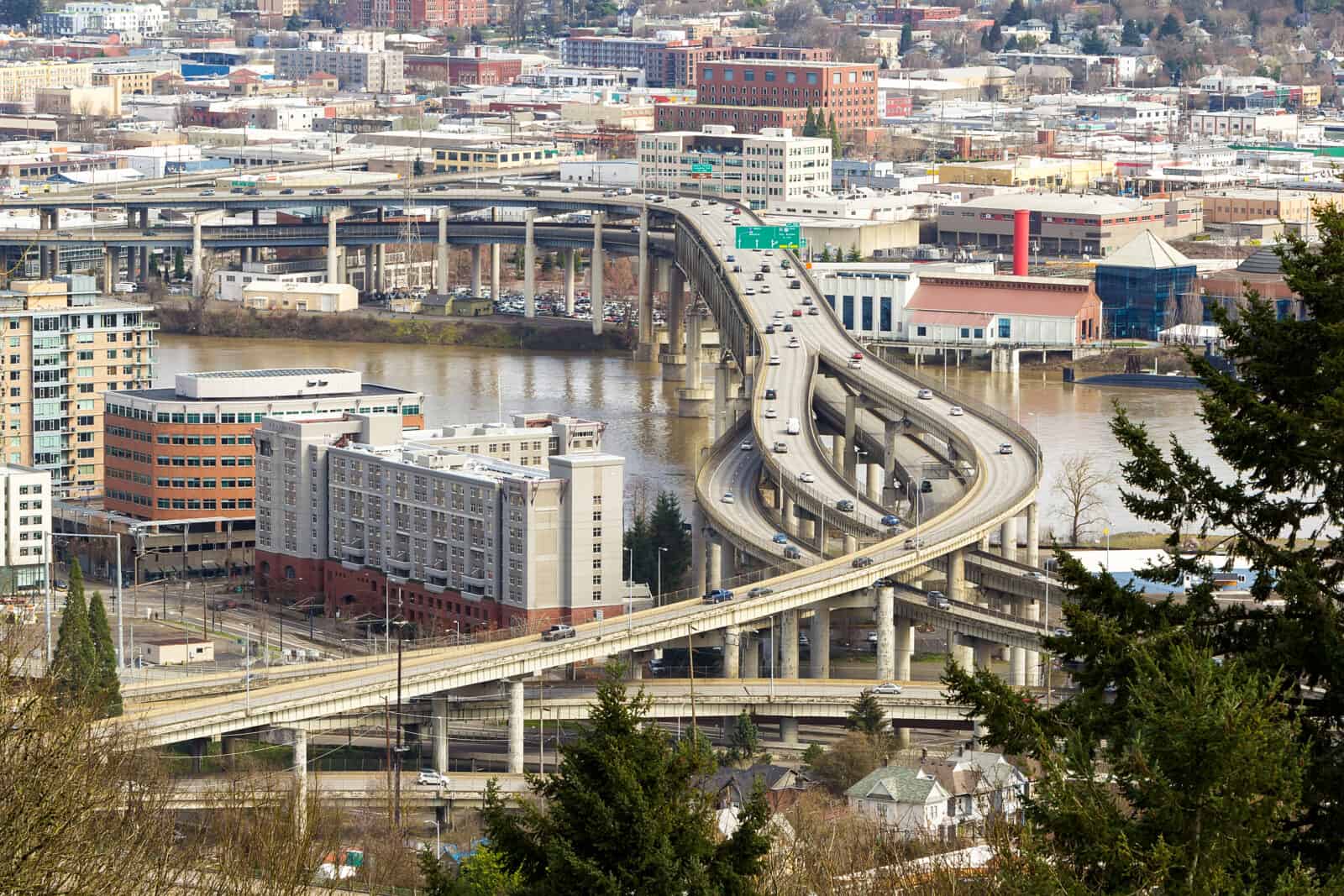
Oregon has officially earned the title of the epicenter of the Western snow drought. The state’s vital mountain snowpack hit an all-time low of just 15% of the 30-year normal on April 1, making it the lowest on record. State climatologist Larry O’Neill warned, “Basically, our largest reservoir of water is nearly empty at this point.“
With reservoirs dry, farmers are looking at early, severe water restrictions. “This isn’t a garden variety dry year,” O’Neill added, warning that we’re staring down a dangerously long wildfire season.
Washington
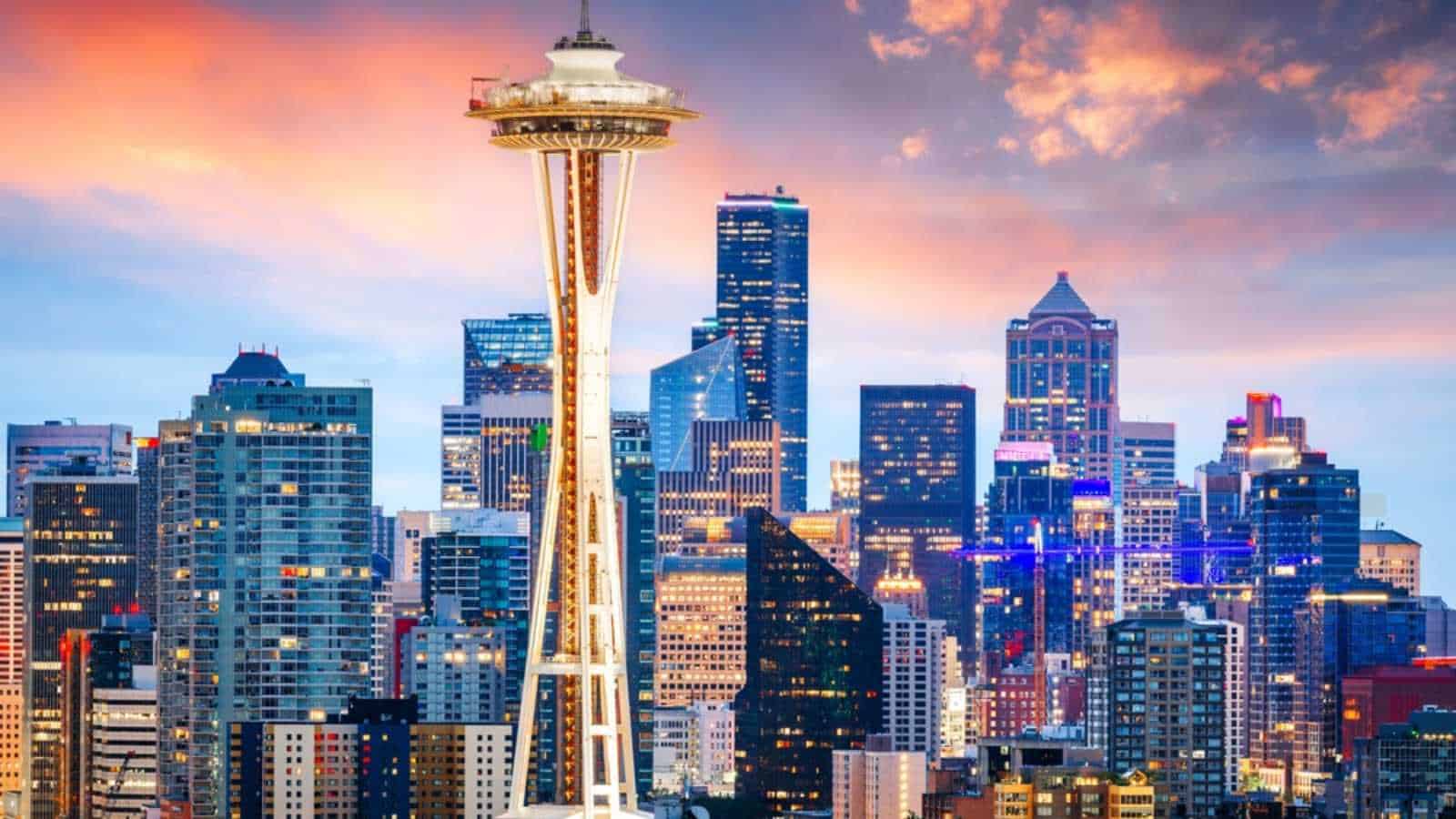
Washington is bracing for a brutal summer after declaring its fourth straight statewide drought emergency. An abnormally warm winter meant precipitation fell as rain rather than accumulating as snow in the mountains. Ecology Director Casey Sixkiller didn’t mince words, saying, “Going into April with half of our usual snowpack is alarming.“
Water supplies are projected to drop below 75% of normal, hitting the state’s multi-billion dollar farming industry hard. Irrigators in the Yakima Basin are preparing to get cut down to just 44% of their normal water supply.
Idaho
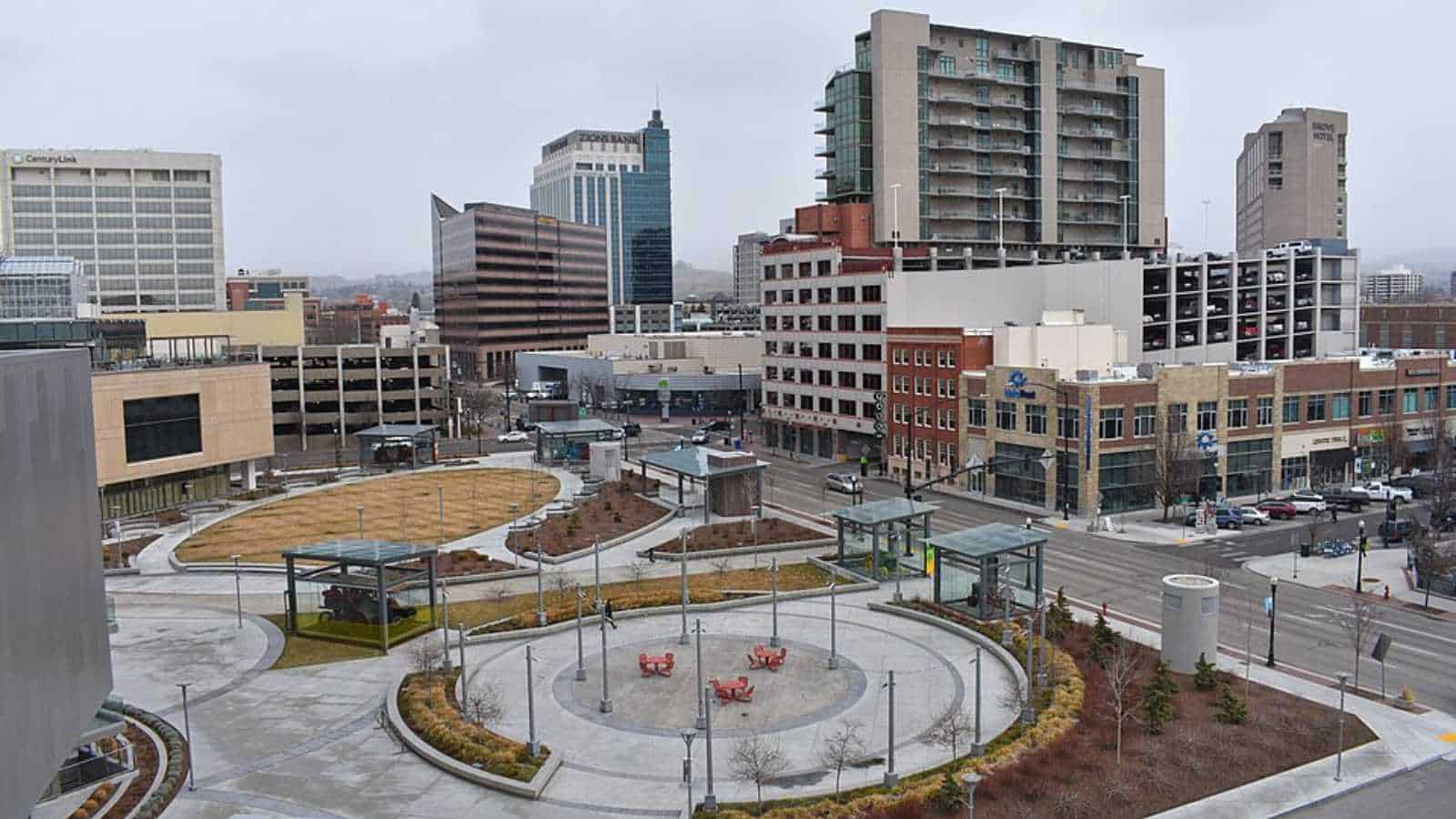
Idaho is feeling the heat as drought now blankets 80% of the state. After experiencing its second-warmest winter on record, the state’s snowpack melted weeks ahead of schedule. “Senior surface-water users on the Snake River Plain face a record shortfall of 181,600 acre-feet,” according to local water updates.
This massive deficit is putting heavy pressure on local groundwater pumpers, who face water shutoffs. Ranchers are searching for solutions as peak watering season approaches.
Key takeaway

A wild mix of record-breaking warmth and missing mountain snow has left much of the U.S. in a scary water crisis. These cascading deficits are drying up major rivers, triggering historic wildfires, and forcing severe water cuts for farms. If there ever was a time to take water conservation seriously, it’s right now.
Disclaimer – This list is solely the author’s opinion based on research and publicly available information. It is not intended to be professional advice.
Like our content? Be sure to follow us