Americans are protesting AI data centers in 125 locations—9 ways the boom could affect your power bill, water, and neighborhood
A quiet neighborhood can change overnight when a giant technology facility arrives. A field that once held farmland or open space can become the site of a massive building filled with thousands of computers running around the clock. For many Americans, that is no longer a distant possibility. It is happening in communities across the country as companies race to build the infrastructure needed for artificial intelligence.
The growing pushback reached a national stage on July 18, 2026, when protests against AI data center expansion took place at roughly 125 locations across at least 40 states. The demonstrations reflected concerns many residents share: higher electricity costs, pressure on local water supplies, pollution, noise, and changes to the neighborhoods they call home.
A June 2026 Reuters/Ipsos poll found that only 14% of Americans supported having an AI data center built in their own community. The reality is complicated. AI data centers can bring jobs, investment, and improved infrastructure. They can also create new demands on local resources. Here are nine ways the AI boom could affect everyday Americans.
AI Data Centers Are Creating a Huge New Demand for Electricity

Artificial intelligence needs a lot of computing power. Every chatbot response, image request, and AI-powered service requires thousands of computer chips working together inside large data centers.
Those facilities already use a significant amount of electricity. According to the Electric Power Research Institute, data centers consumed around 4% to 5% of total U.S. electricity in 2024, equal to roughly 177 to 192 terawatt-hours. That number is projected to climb sharply to 9%-17% of U.S. electricity generation by 2030 as AI services expand.
The reason is simple: AI systems require much more energy than many traditional online activities. EPRI researchers have found that an AI-driven search request can require several times as much electricity as a standard internet search.
For a homeowner, the issue is not whether someone uses AI. Many Americans already do. The concern is what happens when thousands of large facilities begin operating in the same region.
A technology company announces plans for a new AI data center nearby. Residents may welcome new jobs, but they also start asking questions about the power lines, new energy projects, and future utility costs.
Those questions are becoming common across the country.
Your Electricity Bill Could Depend on Where You Live

One of the biggest debates surrounding AI data centers is what they will do to electricity prices.
The answer depends heavily on location. According to a Forbes report, rising electricity demand from data centers and cryptocurrency operations could increase electricity costs in some regions.
States with heavy data center growth, including Virginia, North Carolina, Pennsylvania, Maryland, Delaware, New Jersey, Ohio, and parts of Texas, face greater pressure because their energy systems must meet growing new demands.
But the story is not the same everywhere. An EPRI-affiliated study found that states with more data center capacity saw residential electricity prices fall by an average of 3.4%after accounting for other factors. Researchers said the reason is that large investments in the power system can spread costs across a wider group of electricity users.
So why do studies disagree?
A community with additional electricity capacity may be able to accommodate new data centers more easily. A region already struggling with limited infrastructure could face greater pressure. For homeowners, national statistics only tell part of the story.
The real question is what happens in their own community.
Communities Are Asking Who Should Pay for New Power Infrastructure

Building an AI data center is not like opening a small office. These facilities often require major upgrades to the electrical system. Utilities may need new substations, transmission lines, and additional electricity sources to meet growing demand.
That has created a major political question: Who should pay?
Many residents argue that large technology companies should cover more of the costs because they are the ones creating the demand. Others worry that regular customers could end up paying through higher utility rates.
Some states have started creating policies to protect households. Kansas, Michigan, and Delaware have explored requirements that place more responsibility on large electricity users.
Georgia has also become a major center of the debate. Georgia Power has planned major capacity expansions as the state prepares for growing electricity demand linked to industrial growth and technology projects.
The debate is not about stopping technology. It is about making sure homeowners are not left with unexpected costs.
AI Data Centers Are Increasing Pressure on Local Water Supplies
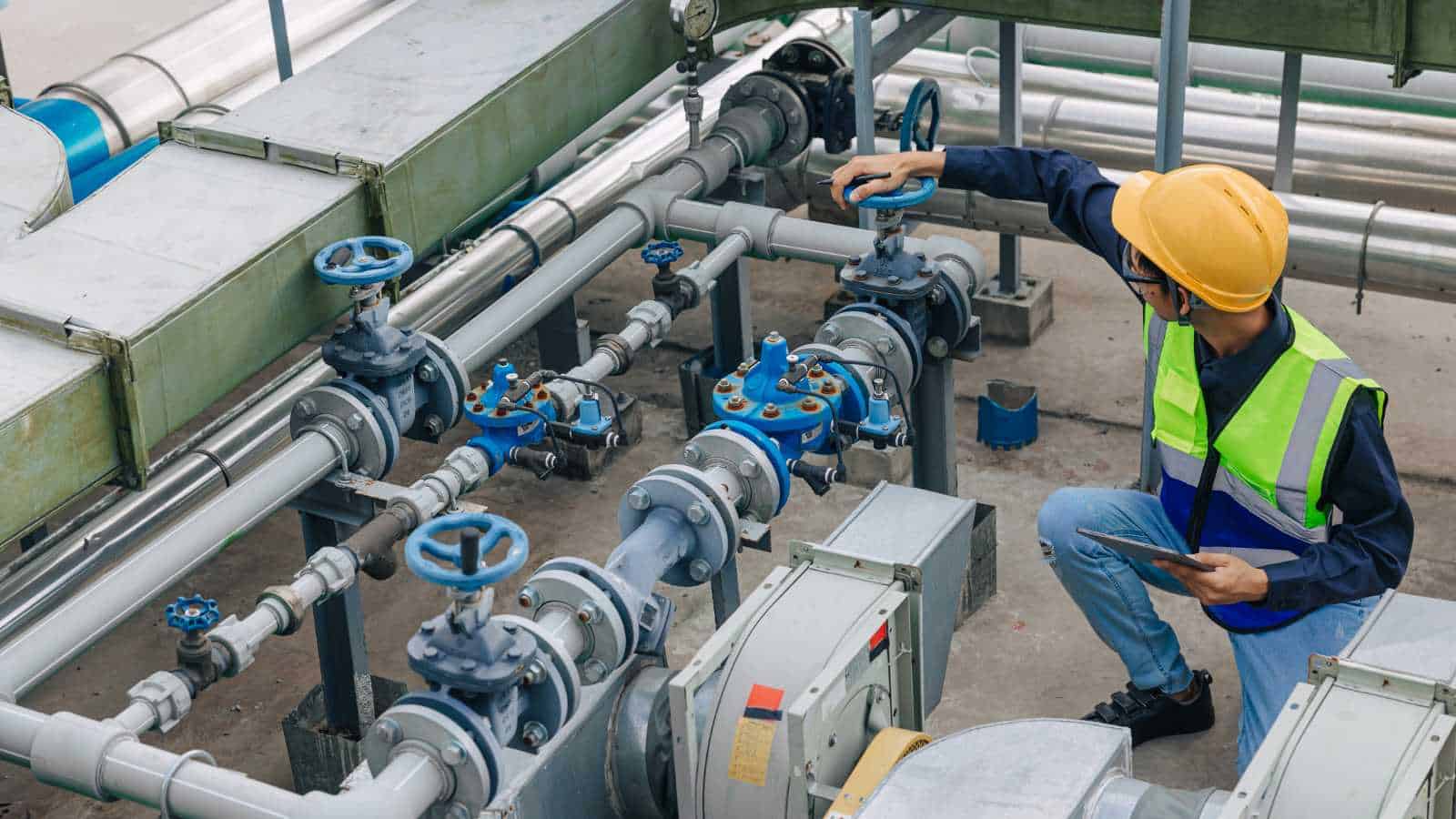
Electricity gets most of the attention, but water is becoming another major concern. Large data centers generate enormous amounts of heat. Many facilities use cooling systems that require water to keep computer equipment operating safely.
Global data centers consumed hundreds of billions of gallons of water. For example, the Environmental and Energy Study Institute (EESI) estimates that each 100-word AI prompt uses roughly one bottle of water (519 milliliters).
The issue becomes more sensitive in drought-affected regions. Some residents worry that water used for technology facilities could compete with farming, household needs, or future growth.
Communities in Tennessee, including Elon Musk’s xAI facility in Memphis, became local flashpoints as residents debated the project’s resource needs.
For people living in these areas, the concern feels very personal. Water is not just an environmental topic. It is what comes from the kitchen faucet every day.
The Water Impact Depends on How Data Centers Are Built

Not every data center has the same environmental footprint. The design choices companies make can greatly affect local impacts.
A report by ScienceDirect states that water associated with data center workloads can vary depending on several factors, including cooling systems, server efficiency, and the source of electricity powering the facility.
A company building in a dry region may make very different choices from one operating in an area with more available water. That is why many communities are asking detailed questions before approving projects.
They want to know how much water will be used, what cooling systems will operate, and what steps companies will take to reduce their impact. The debate is becoming less about if data centers should exist and more about how responsibly they are built.
AI Facilities Could Change the Character of Neighborhoods
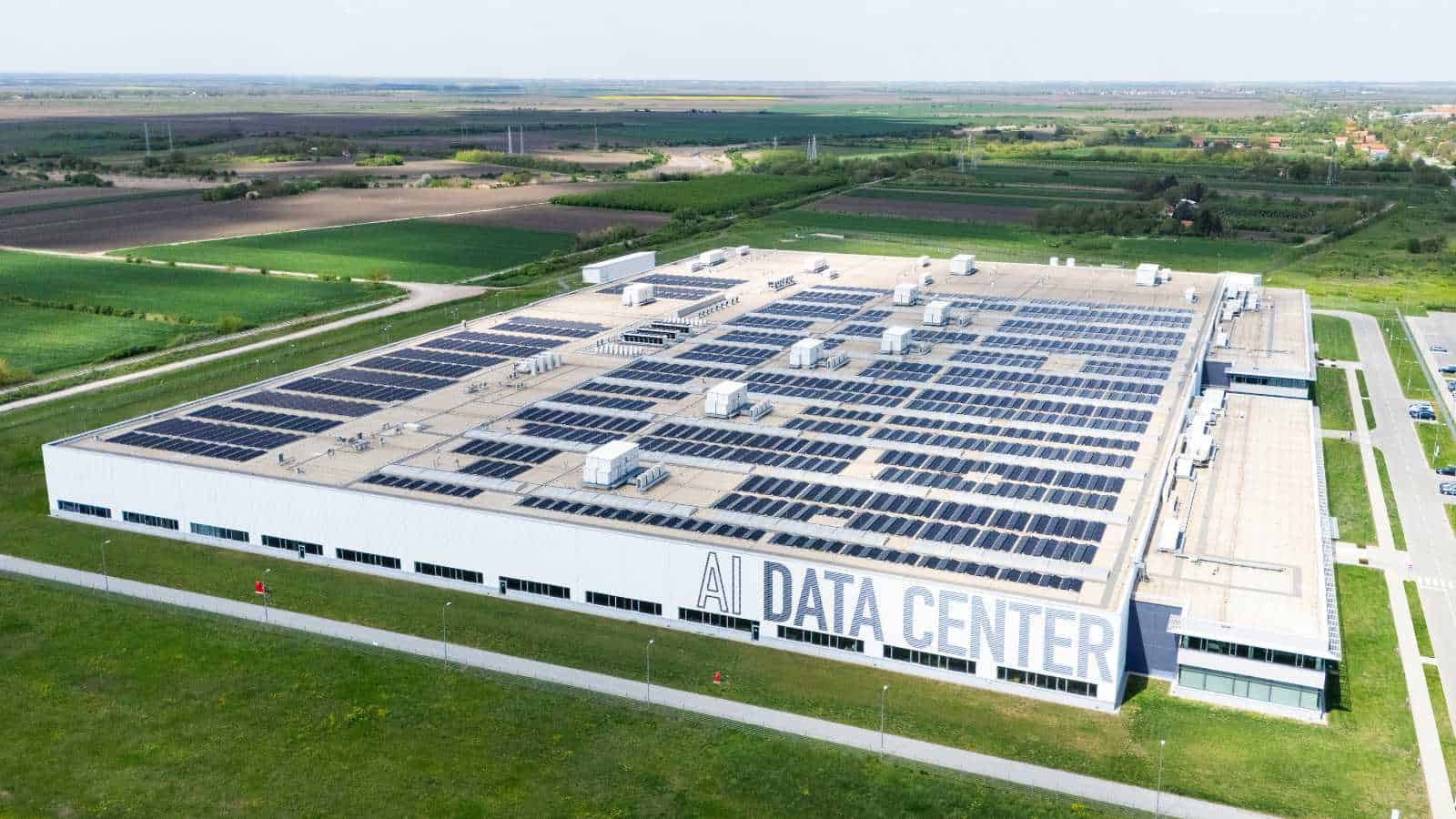
Data centers are not small buildings.
These buildings are often massive, covering hundreds of thousands of square feet or even millions. They require roads, electrical infrastructure, and large areas of land.
Some communities see these projects as economic opportunities. Others worry about losing the character of their neighborhoods.
Northern Virginia’s Prince William County has become one of the best-known examples. Residents have debated the effects of major data center growth, including concerns about land use and transmission infrastructure.
Similar fights are now appearing in newer markets. Utah residents have organized opposition against a proposed large technology and energy campus, while communities in Indiana have challenged some data center approvals.
For residents, the question is often simple: “What will my community look like five years from now?”
Noise and Air Pollution Concerns Are Growing Around Data Centers

Many residents living near data centers have raised concerns about noise, air quality, and daily disruption.
Large facilities often use cooling equipment that runs continuously. They also rely on backup generators during power outages.
A report published in Frontiers in Climate examined concerns connected to Virginia’s data center expansion. Researchers identified potential issues related to air pollution, water stress, noise, and land-use changes.
However, the science on direct health effects remains limited, creating uncertainty.
A resident may not have years of scientific research available when they hear constant equipment sounds near their home. They simply know their daily environment has changed.
Property Values Remain a Major Question for Homeowners

One of the biggest concerns for homeowners is simple: Could a nearby data center change what my home is worth? The answer is not always easy to predict.
A large technology facility can bring new jobs, investment, and improvements to local infrastructure. But some residents worry about what happens after construction begins.
Homeowners often consider more than the price listed on a real estate website. They may consider factors such as increased traffic, equipment noise, changes to the landscape, and whether future buyers will want to live near a large industrial facility.
For some communities, a new data center may become a sign of growth and economic opportunity. For others, the quiet character of their area may have changed.
A home’s value is not only about numbers. It is also about how people feel about the place they call home.
The AI Data Center Debate Is Becoming a National Fight Over America’s Future

The debate over AI infrastructure has moved beyond technology companies. It is now a conversation about energy policy, local control, and everyday costs.
In March 2026, seven major technology companies signed the White House Ratepayer Protection Pledge Proclamation, pledging to protect residential customers from AI-related increases in electricity costs, CNN reports.
States are also taking different approaches.
For instance, Florida has passed measures focused on protecting residents from AI-related energy costs. Ohio homeowners have challenged some zoning decisions. Residents in several states are pushing for more transparency before projects receive approval.
The debate is not about one simple answer. Communities in several states are demanding more transparency before major projects receive approval. The challenge facing America is deciding how to grow this technology while protecting the communities where it is built.
Key Takeaways
The AI data center boom is bringing major changes to communities across America. These facilities are helping power the next generation of technology, but they also require huge amounts of electricity, land, and water. For many residents, the biggest question is not whether AI will grow, but how that growth will affect their daily lives.
Electricity costs remain one of the biggest concerns. Some communities may face pressure if local power systems struggle to keep up with rising demand, while others could benefit from new investments in energy infrastructure. The impact will depend heavily on local conditions, utility planning, and how quickly communities prepare for new demand.
Water use, neighborhood changes, and environmental concerns are also shaping the debate. Residents are paying closer attention to how companies design cooling systems, where facilities are built, and how these projects fit into existing communities. A data center can bring jobs and investment, but it can also change the look and feel of the surrounding area.
The future of AI infrastructure will likely be decided at the local level, where residents, companies, and officials weigh the benefits against the challenges. The technology may be built inside massive buildings, but its effects will be felt outside those walls, in homes, neighborhoods, utility bills, and the everyday choices people make.
Disclaimer – This list is solely the author’s opinion based on research and publicly available information. It is not intended to be professional advice.
Like our content? Be sure to follow us