12 U.S. cities where the weather can test your patience
In some cities, checking the weather is an afterthought. In others, the forecast can determine when you leave home, what you wear, where you park, whether you walk the dog, and sometimes whether you should be on the road at all.
The challenges aren’t the same everywhere. Buffalo residents contend with intense lake-effect snow, while Phoenix and Las Vegas face punishing summer heat. Miami and New Orleans add humidity and hurricane risks to the equation, and places like Minneapolis and Fargo regularly experience bitter winter cold. Elsewhere, flooding, tornadoes, rapid temperature swings, or seemingly endless gray skies can make everyday planning considerably more complicated.
None of that means these are bad places to live—or that residents don’t learn to handle the conditions remarkably well. But when weather routinely influences everything from commuting to weekend plans, it becomes much more than small talk. Here are 12 U.S. cities where Mother Nature can seriously test your patience.
Buffalo, New York
Lake-effect storms can dump several feet of snow in a short time, turning normal commutes into slow, stressful drives. During severe storms, even basic errands can become difficult.
The city regularly ranks among the snowiest major cities in the United States, with annual snowfall often exceeding 90 inches. Residents keep snow brushes, salt, heavy boots, and winter gear ready long before the season officially starts.
And yet, people here continue with daily life surprisingly well. Schools, businesses, and neighborhoods stay remarkably prepared for conditions that would shut down many other cities. After a while, discussing snowfall totals becomes a normal part of conversation.
Phoenix, Arizona
You haven’t fully experienced heat until your seatbelt feels like it’s actively trying to punish you.
Summer in Phoenix turns everyday errands into carefully timed missions between air-conditioned buildings. People genuinely celebrate cloudy days there like surprise holidays.
Phoenix heat does more than make you sweat; it feels personal. In 2023, the city endured over 30 consecutive days above 110°F, according to BCC, turning errands into strategic missions. Residents plan dog walks for early morning, treat shade like a luxury, and consider air conditioning an essential survival tool.
And somehow, residents still casually say things like, “At least it’s a dry heat.” At some point, the sun stops feeling warm and starts feeling personal.
Miami, Florida
Miami’s weather can feel exhausting even before hurricane season begins.
The combination of heat and humidity often makes the air feel heavier than expected, especially during the summer months. Spending long periods outside quickly becomes uncomfortable.
Then, hurricane season adds another layer of stress. According to the National Oceanic and Atmospheric Administration, Florida remains one of the most hurricane-prone states in the country. Residents pay close attention to forecasts because storms can disrupt daily life very quickly.
The humidity alone also changes how people live. Afternoon rain showers are common, and many residents simply accept that perfectly styled hair or clothing may not last long in the rain. Over time, comfort becomes more important than appearance.
Minneapolis, Minnesota
Winter in Minneapolis feels intense from the moment temperatures begin to drop. Cold air, snowstorms, and icy roads become part of daily life for months at a time. Even short trips outside require preparation.
Temperatures regularly fall below zero during winter, and dangerous wind chills are common during severe cold snaps. Residents rely heavily on insulated clothing, heated cars, and indoor spaces to manage the long winters.
People who grow up there often adapt well to the conditions, while new residents usually need time to adjust to the physical strain of extreme cold. By midwinter, simply getting through the day starts to feel like an accomplishment.
New Orleans, Louisiana
New Orleans deals with heat, humidity, and storm risks almost every year.
Summers feel especially heavy because the humidity stays consistently high throughout the day. Even simple outdoor activities can quickly become tiring.
The city also remains vulnerable to hurricanes and flooding. According to the NOAA report, from 1980 to 2024, Louisiana experienced 106 confirmed weather and climate disaster events, each causing losses exceeding $1 billion. This makes emergency planning a permanent part of life, with locals closely tracking forecasts and storm paths every year.
Over time, what would overwhelm outsiders becomes routine, and locals learn to navigate the heat, rain, and storms with impressive resilience.
Denver, Colorado
A clear morning can shift to snow or rain by evening with little warning. That kind of change affects how people approach daily planning.
The city’s elevation and location create dramatic temperature swings throughout the year. Snowstorms can arrive suddenly, even during months when people have emotionally moved on from winter weeks ago. Weather forecasts there sometimes sound more like educated guesses than actual predictions.
Residents eventually learn not to trust sunny mornings too much. Carrying layers becomes second nature because the weather enjoys plot twists. You basically leave home dressed for all four seasons at once.
Anchorage, Alaska
Winter conditions dominate much of the year. Cold temperatures and limited daylight influence daily routines here.
Winter in Anchorage is characterized by cold temperatures and surprisingly short daylight hours, which noticeably influence daily routines. Extended darkness can affect mood, making even simple tasks feel heavier and causing disorientation among newcomers. Snow and icy roads add another layer of challenge to everyday life.
And then there’s the cold itself. Breathing icy air at certain temperatures feels like your lungs are filing complaints. Residents adapt impressively, but newcomers usually need a minute to emotionally process what’s happening.
Houston, Texas
Houston’s weather blends intense heat, heavy humidity, and frequent storms, keeping residents on their toes.
Flooding can appear suddenly, turning streets into obstacles and making travel unpredictable. Even ordinary thunderstorms can quickly create problems on roads and highways, testing patience and planning.
Locals navigate these challenges with caution, timing errands carefully and learning which areas are safest during heavy rains. Driving through sudden downpours becomes routine, and residents adjust their daily lives to the city’s unpredictable climate.
And somehow, traffic still exists through all of it. Residents often drive through rainstorms so intense they feel like a movie. At some point, checking flood maps becomes part of your normal weekly routine.
Seattle, Washington
Seattle doesn’t usually punish you with dramatic heat or blizzards. Instead, it slowly wears you down with endless gray skies and constant drizzle.
The city averages more than 150 rainy days per year, according to Fox 13 Seattle. Even people who claim to “love cozy weather” eventually reach a point where they miss seeing the sun like an old friend.
And no, umbrellas won’t necessarily save you. Residents somehow end up slightly wet no matter what they do. Eventually, you stop checking forecasts because the answer emotionally feels the same every day anyway.
Las Vegas, Nevada
Las Vegas heat feels almost theatrical, smacking you the moment you step outside during peak summer.
The dry desert air intensifies every step, making even short walks feel exhausting. Sun exposure and dehydration are constant concerns for anyone navigating the city streets.
Shade, hydration, and careful timing of outdoor activities become essential for staying functional. Locals develop a rhythm that balances survival with normal routines under relentless heat.
Tourists often underestimate the desert climate, learning quickly that the dry air can be deceptive. Over time, residents adapt, treating the extreme temperatures as a backdrop to everyday life while finding ways to stay comfortable and active despite the unrelenting sun.
Oklahoma City, Oklahoma
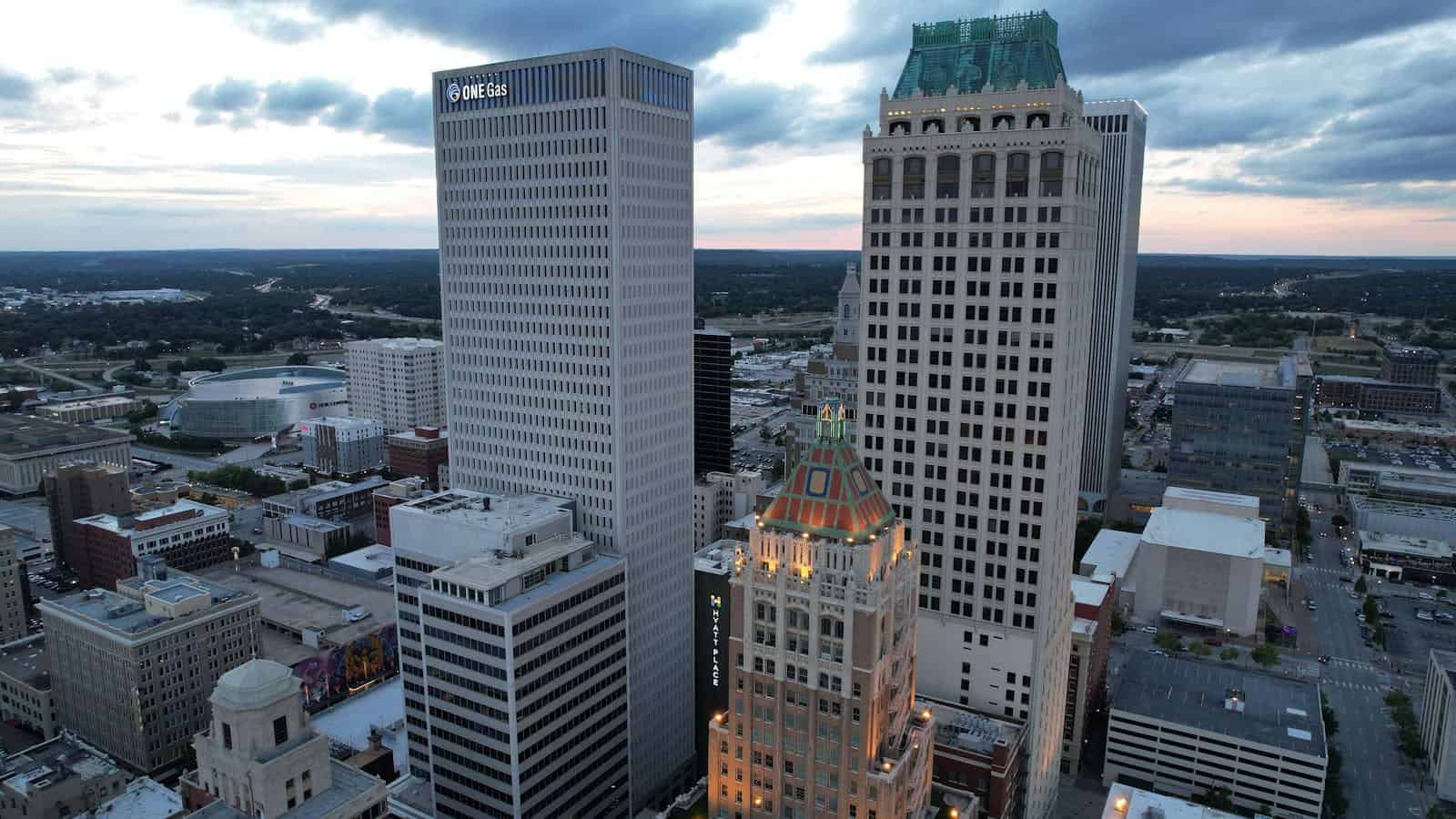
Living in Oklahoma City means understanding tornado season on a deeply personal level. Sirens become part of life in a way many Americans never experience.
Oklahoma consistently ranks among the states with the highest tornado activity in the country. Hundreds of tornadoes touch down across the state during active years. Residents become surprisingly calm discussing storm shelters and emergency plans.
But that calm disappears quickly when the sky starts looking strange. Nothing humbles you faster than hearing weather reporters suddenly switch to serious voices. At that point, everybody immediately starts looking for shoes and phone chargers.
Fargo, North Dakota
Fargo winters feel less like weather and more like endurance training, with cold temperatures that make stepping outside feel almost unbearable.
Snow and icy wind chills turn everyday routines into carefully planned operations. Frostbite becomes a constant concern, and residents approach the outdoors with serious caution.
Despite the brutal cold, daily life continues. People commute, shop, and socialize while bundled in heavy layers, navigating the city as if wearing insulated armor. Even basic tasks require thought and preparation, making winter life a test of patience and resilience.
Locals adapt impressively to these extreme conditions, creating routines that balance survival with everyday living. Over time, what seems harsh to newcomers becomes manageable, and residents find ways to keep life moving despite relentless winter challenges.
Key Takeaways
Some cities test residents with snowstorms, hurricanes, flooding, blistering heat, or endless gray skies. Weather influences daily life far more than most people realize until they experience it firsthand, turning simple choices, like picking an outfit, into strategic decisions.
Residents adapt in creative and impressive ways. They learn to drive through snow, prepare for sudden storms, survive heat waves, and even joke about conditions that would overwhelm newcomers. Over time, managing extreme weather becomes part of the rhythm of life.
Almost every city has someone confidently saying, “You get used to it.” Whether this is true or just a survival instinct, challenging weather shapes resilience. Experiencing harsh conditions teaches residents to navigate both the environment and everyday life with remarkable adaptability.
More articles you might like:
- 12 Travel Mistakes American Women Make In Europe
- Don’t Fall Prey To These 10 Travel Scams This Summer
- How To Travel With Your Dog: Planes, Trains, Automobiles – And Boats!