How parents handle it when kids’ friends join dinner unexpectedly
It often starts with something small: a text, a quick shout from the front yard, or a knock that arrives just as pasta is being drained or rice is steaming on the stove. According to recent estimates from the U.S. Census Bureau, about 39% of U.S. households include children under 18. These moments of surprise guests are becoming a familiar part of everyday parenting life rather than an exception.
The question is no longer whether it will happen, but how families adapt when it does. Across suburban neighborhoods and apartment complexes alike, parents describe a quiet tension: the desire to be welcoming while managing budgets, portions, and the emotional labor of unexpected hospitality.
The “Extra Plate Economy” at Home Tables
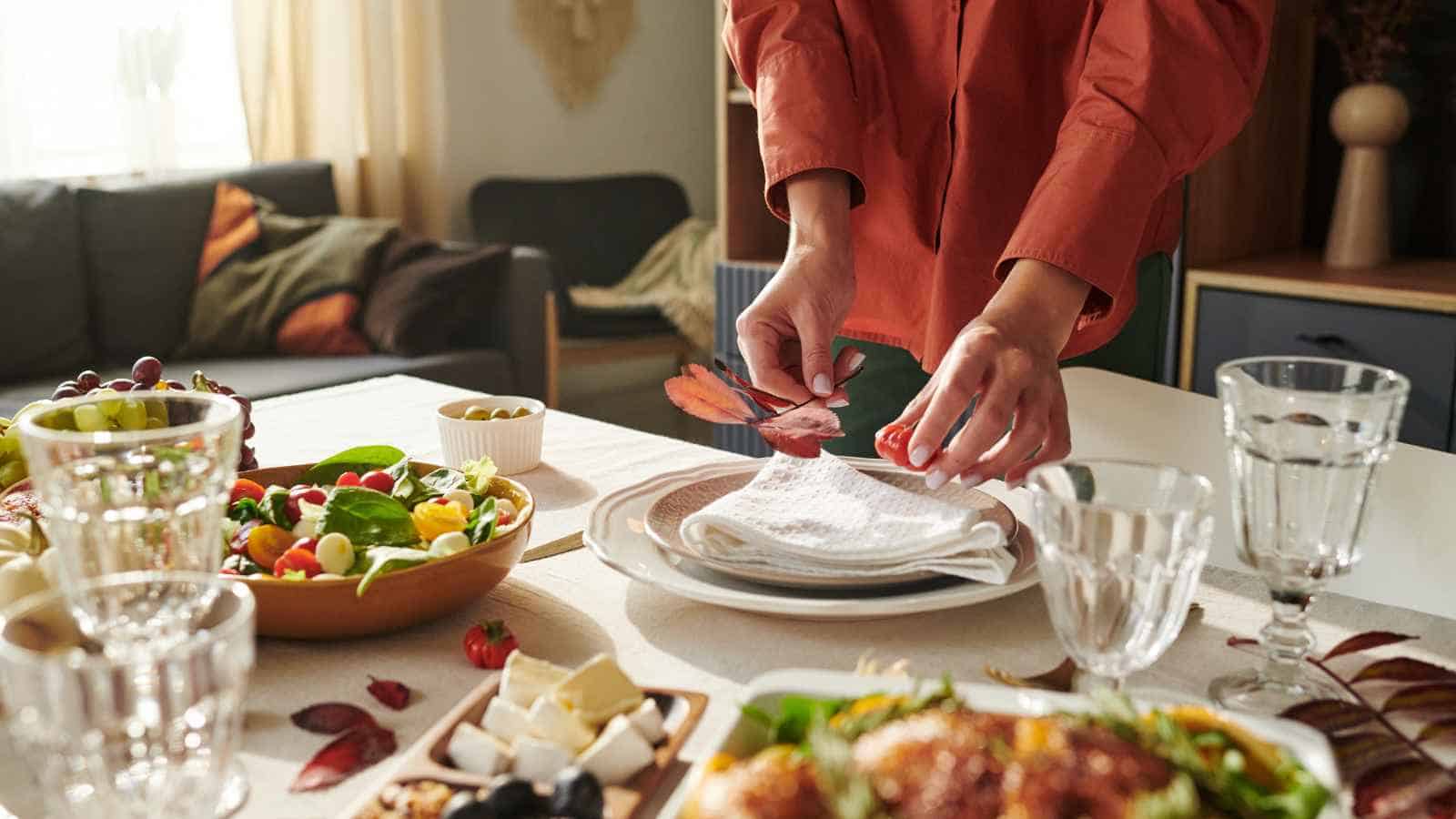
When a child brings home an unannounced friend, dinner becomes a rapid calculation of resources, time, and social expectations. USDA Economic Research Service data show that Americans spend about 10-12% of their disposable income on food. Meaning unplanned meals directly affect household budgets.
Parents often respond by stretching meals, substituting ingredients, or reconfiguring portions. Children participate in after-school socializing, increasing the likelihood that spontaneous guests will appear around mealtime. The “extra plate” becomes less about generosity alone and more about adaptability in modern parenting routines. Shared meals support emotional development, with children who regularly eat with peers and family showing improved communication skills and social confidence.
Why Kids Bring Friends Home More Than Before

The rise of spontaneous dinner guests is not random; it reflects a massive shift in how children interact today. Instead of structured, calendar-blocked playdates, modern socializing is continuous and completely informal. Kids move between school, practice, and neighborhood living rooms without strict scheduling, naturally inviting tag-alongs into the mix.
This marks a clear evolution from tightly scheduled childhoods to ambient childhoods, where social interaction is constant, fluid, and less predictable. As the neighborhood street corner moves indoors, the family dinner table becomes the new hub of the teenage community. Parents are adjusting to a world where hospitality isn’t planned; it just happens.
The Social Pressure Parents Don’t Always Talk About

Even when parents warmly welcome guests, there is often an unspoken pressure to perform hospitality. This pressure is amplified in moments where resources feel limited or routines are disrupted. Parents may worry about appearing unwelcoming or, alternatively, overextending themselves. These moments also become observational learning opportunities: children watch how adults handle surprise, generosity, and boundaries in real time.
Informal shared meals help children build trust among peers, an important factor in adolescent development. Research published on ResearchGate suggests that peer influence plays a significant role in human behavior, with studies showing that friends can influence up to 88% of adolescents’ decisions in social situations.
The Logistics Behind a Spontaneous Meal
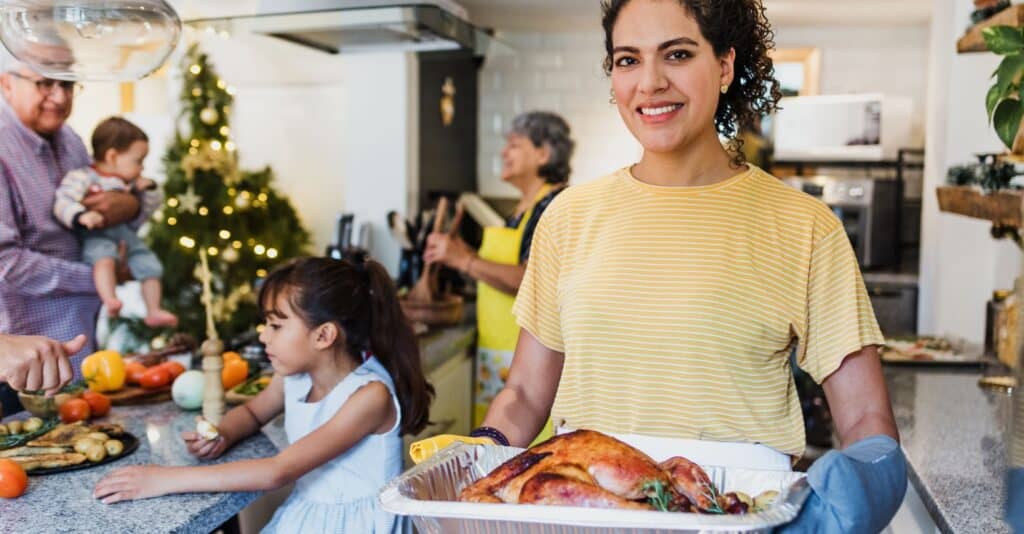
Behind every “stay for dinner” moment is a set of quiet calculations. Parents often estimate food quantity, dietary restrictions, and timing within seconds. This mismatch explains why some parents feel unease even when they say yes.
A sudden increase in diners can require immediate adjustments: stretching protein, adding filler sides, or delaying family routines. Household management researchers describe this as “micro-resource strain,” where small disruptions accumulate into noticeable stress. Yet many families still accommodate guests, reflecting a cultural norm of informal generosity that remains strong in U.S. suburban and urban communities alike.
Also on MSN: 12 classic American foods that quietly disappeared from dinner tables
What Kids Learn When Parents Say “Yes” or “Not Today”

These dinner moments are also subtle lessons in boundaries. Consistency in household rules helps children understand social limits. While there is no single national statistic on “dinner guest refusals,” children exposed to clear but flexible boundaries demonstrate stronger emotional regulation later in adolescence.
Research from the Harvard Graduate School of Education shows that consistent family meals are a powerful tool for child development. particularly when those routines are predictable but not rigid. When parents allow friends to stay, children learn inclusion and generosity. When parents decline, they learn constraint and resource awareness. Both outcomes contribute to what developmental experts describe as “balanced social modeling.”
Different Households, Different Norms

Not all families handle surprise guests the same way. Cultural background, income level, and living arrangements completely shape responses. For some, an unannounced visitor triggers immediate anxiety over tight budgets or limited space.
In contrast, households with more disposable income or flexible access to food often view extra guests as entirely non-disruptive. Your upbringing quietly dictates whether a knock at the door feels like a threat or a celebration. There is no single correct response here, only context-driven decisions. What feels like hospitality to one family can feel like chaos to another, exposing a deep, hidden divide in how we live.
The Quiet Shift in Family Hospitality Culture
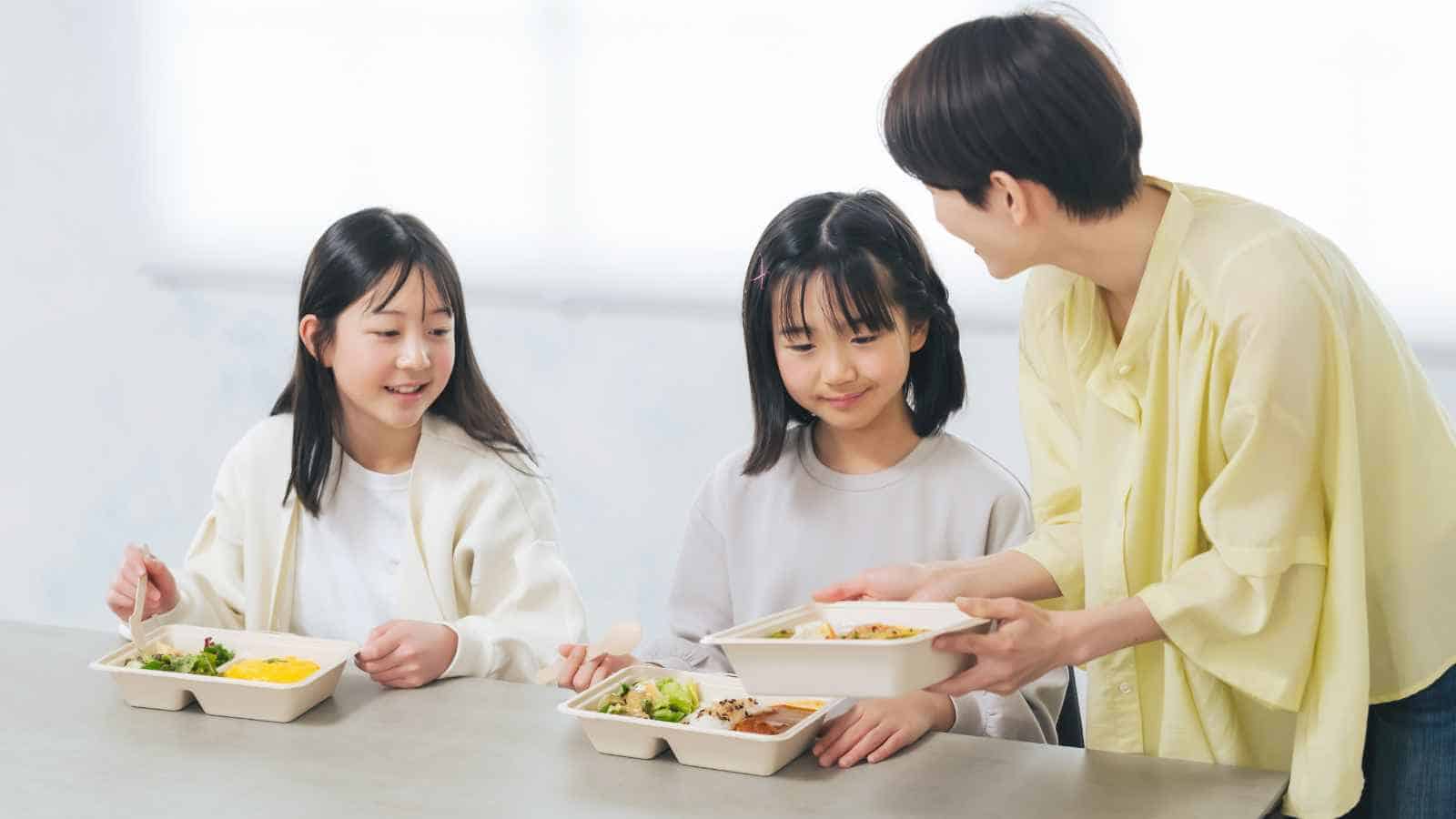
The shift in family hospitality culture isn’t just about kids bringing friends over; it is about a fundamental change in how we connect. Real Simple highlights that soft socializing prioritizes low-pressure connection. Instead of high-energy outings, it centers around relaxed, activity-based hangouts where conversations flow naturally.
This evolution marks a deliberate return to home-centered life, driven by digital connectivity and a preference for safer, supervised environments. It redefines what it means to be a host. By stripping away the performative pressure of traditional entertaining, families create flexible spaces where real relationships actually thrive.
Key takeaway

Welcoming an unexpected guest demands more than an extra cup of rice. It forces a sudden collision between your strict monthly budget, emotional capacity, and personal boundaries. Today’s households no longer operate as closed, predictable systems. Instead, they function as porous networks adapting constantly to a chaotic social flow.
While frantic schedules and rising financial stress squeeze modern families, a quiet rebellion is happening behind closed doors. Millions of people still choose to stretch their resources to craft genuine human connections. This leaves a critical question: where do we draw the line before hospitality breaks us?
Disclaimer – This list is solely the author’s opinion based on research and publicly available information. It is not intended to be professional advice.
Like our content? Be sure to follow us.